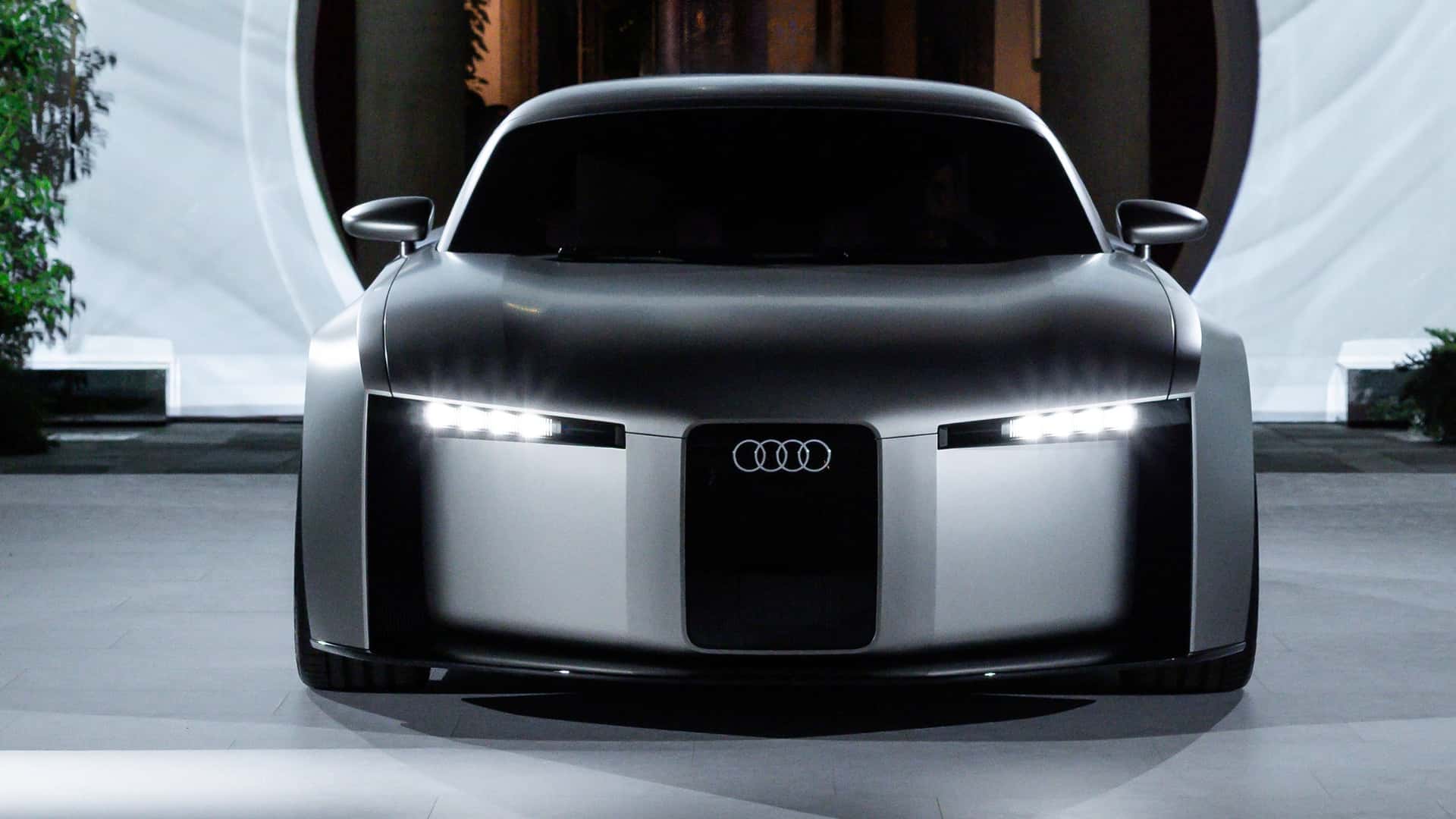
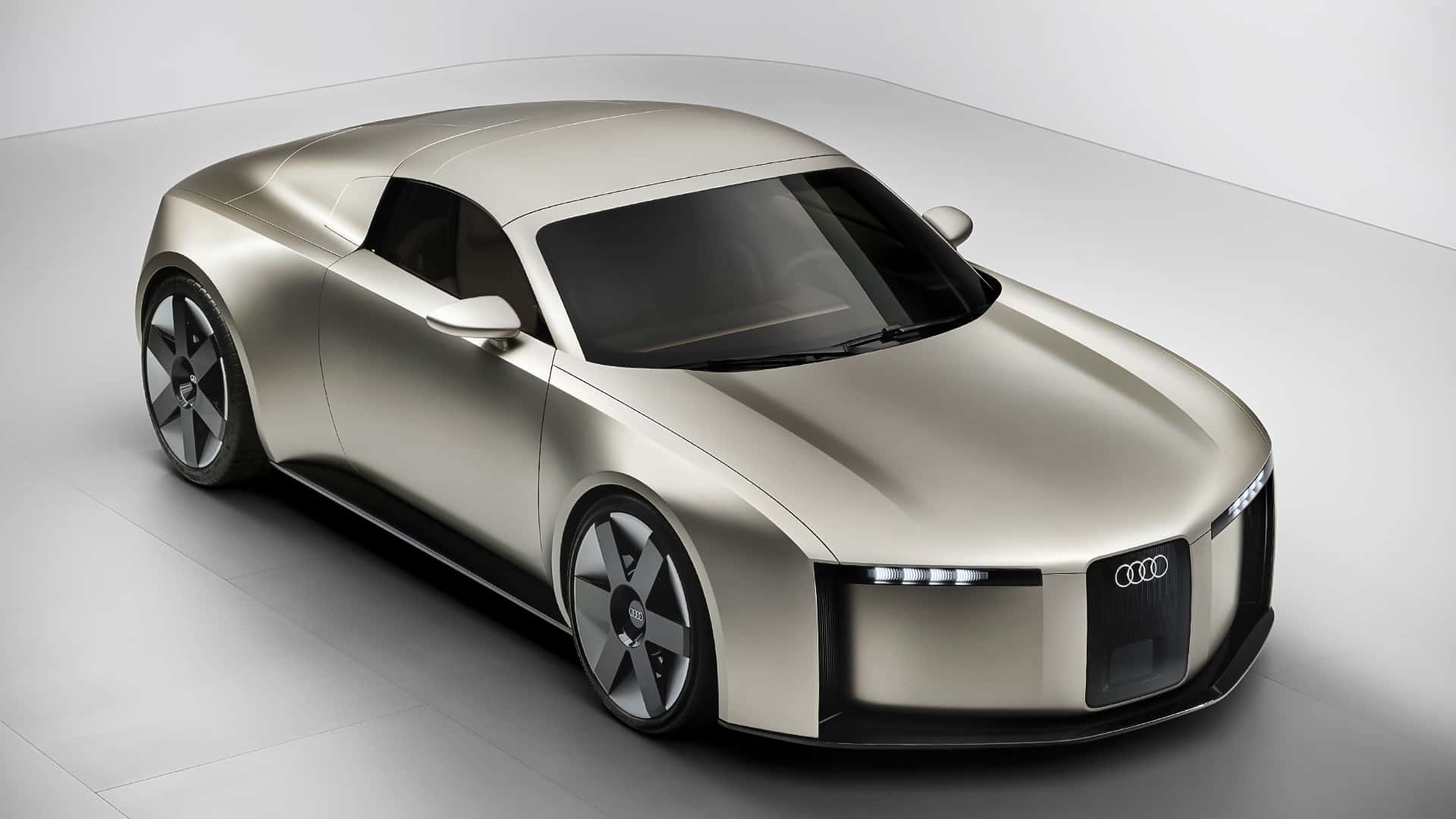
In an era where competition is fierce in the automotive sector, Audi is making a bold shift by placing design at the heart of its revitalization strategy. As sales wane, the German automaker is set to unveil a new concept that could redefine its visual and commercial identity.

An Alarming Trend: Declining Sales
The numbers speak for themselves: Audi‘s sales dropped by 2.9% last year, a trend that fits into a broader context of declining demand. In fact, 2024 has already seen a decrease in deliveries of 11.8% compared to 2023. This downturn raises a crucial question: how can Audi stand out in a saturated market where visual appeal plays a significant role?
The Concept C: A Symbol of Renewal
With the Concept C, Audi aims for a true stylistic reset. Marco Schubert, a board member, emphasizes that “design remains the primary reason customers buy our cars.” This statement is significant; it reveals the automaker’s awareness of increasingly fierce competition. The slogan “Radical Next” accompanying this initiative reflects a desire for disruption, a quest for a strong and distinctive aesthetic.
A Bold Differentiation Strategy
The challenge is substantial: to stand out in a sea of similar models. Schubert asserts that Audi’s approach will focus on “simplifying exterior design,” while aiming for clarity and originality that should appeal to buyers. It remains to be seen if this will be enough to rekindle enthusiasm for the brand, especially by drawing inspiration from the legendary original TT, whose charm and success are still fresh in memories.
A Return to Roots
In an increasingly tech-driven automotive world, Audi chooses to reintroduce more traditional elements, such as physical controls. This decision appears to be a response to growing criticism regarding the complexity of digital interfaces. Simultaneously, the automaker promises a return to higher-quality materials, a necessity after acknowledging that its interiors no longer meet consumer expectations.
Long-Term Production: Between Anticipation and Impatience
It’s important to note that the Concept C will not be available for several years, with production slated for 2027 or 2028. In the meantime, current models like the Q7 and Q9 will remain true to Audi’s traditional lines. This waiting period could pose a risk, especially if competitors continue to evolve rapidly, offering more innovative designs and technologies.
A Response to Market Challenges
The strategy adopted by Audi seems to be a direct response to contemporary challenges in the automotive market. While players like BMW emphasize technological innovation with their new lineup, Audi opts to focus on aesthetics and perceived quality. This maneuver could allow it to win back customers disillusioned by an offering deemed too standardized.
In Summary
- Audi faces a significant decline in sales.
- The Concept C marks a bold stylistic turning point for the brand.
- The strategy focuses on differentiation through design and quality.
- Production of the Concept C is expected by 2027-2028.
- Bold choices in the face of increasingly fierce competition.
In conclusion, Audi appears to be taking a calculated risk by refocusing its strategy on design and visual identity. This choice could attract a clientele seeking authenticity and originality in a rapidly changing automotive market. However, the success of this approach will largely depend on the brand’s ability to translate these promises into tangible reality, both aesthetically and functionally. The coming years will be crucial for Audi, which must skillfully navigate between tradition and modernity to reclaim its place among industry leaders.