The Digital Deluge Was Too Much, Even for Audi
For years, the automotive world has been locked in a relentless arms race for the biggest, brightest, and most touch-sensitive screens. Audi, a brand once lauded for its minimalist, driver-focused interiors, found itself caught in the crossfire, increasingly cramming digital displays into every available nook and cranny. But even the Germans, masters of elegant design and precision engineering, have had enough. The luxury automaker is admitting it went too far and is now charting a course back to a more tactile, quality-focused cabin experience for its next generation of vehicles.
This isn’t just a minor tweak; it’s a full-blown U-turn. Audi is promising to dial back the digital distractions, reintroduce satisfyingly clicky physical controls, and, crucially, bring back the kind of premium materials that made its interiors feel truly special. For buyers who’ve felt increasingly alienated by the glossy, fingerprint-smudged glass dashboards of recent years, this News is a breath of fresh air, or perhaps, the satisfying *thunk* of a well-machined dial.
Audi Admits It Lost Its Way
It takes a certain kind of honesty, bordering on masochism, for an automaker to publicly confess its interior design has gone off the rails. Audi, however, has been remarkably candid. An executive admitted in an interview last year that the brand’s past interiors were, in fact, superior, and pledged a return to its former glory. This wasn’t a hushed whisper; it was a clear statement of intent: “We will get there again.”
This self-assessment stems from a growing realization that while screens can be dazzling, they often come at the expense of usability and genuine luxury. The push for ever-larger displays, driven by tech trends and cost-cutting measures that favored cheaper plastics over rich materials, had diluted the brand’s core identity. Audi is now acknowledging that the “wow” factor of a giant screen can quickly fade when basic functions become a frustrating scavenger hunt through menus.
“Strive For Clarity”: The Radical Next Interior Arrives
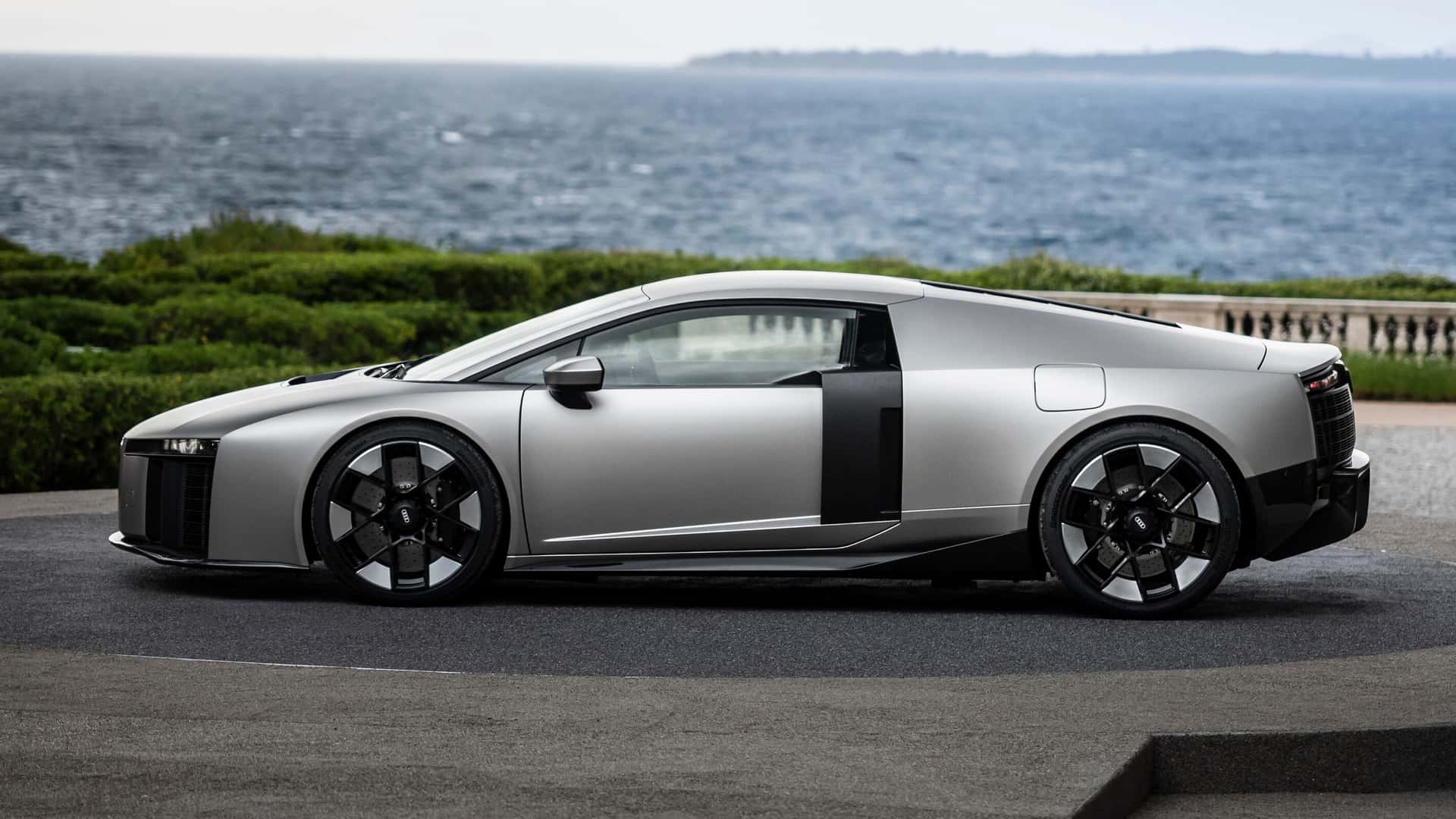
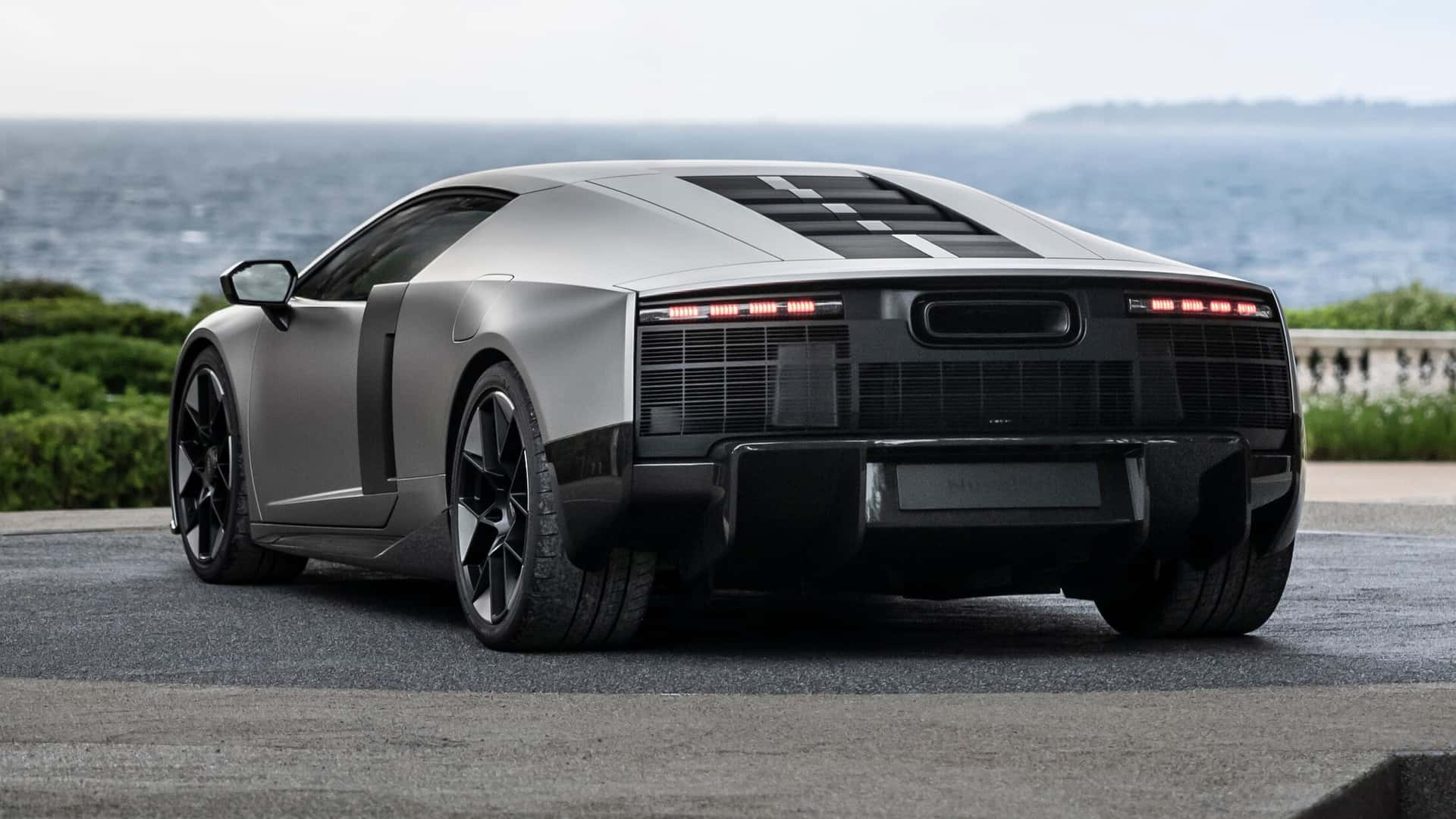
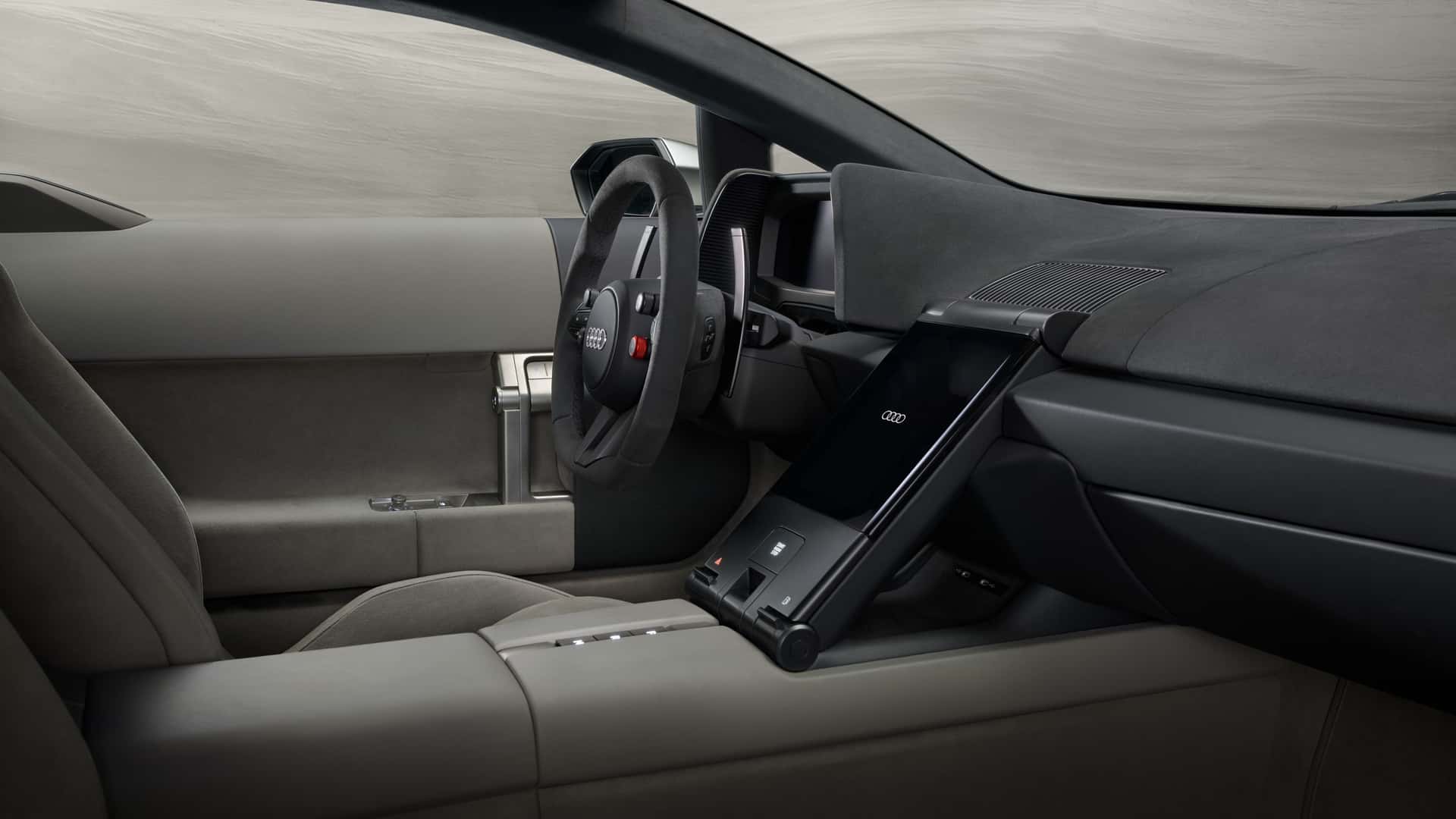
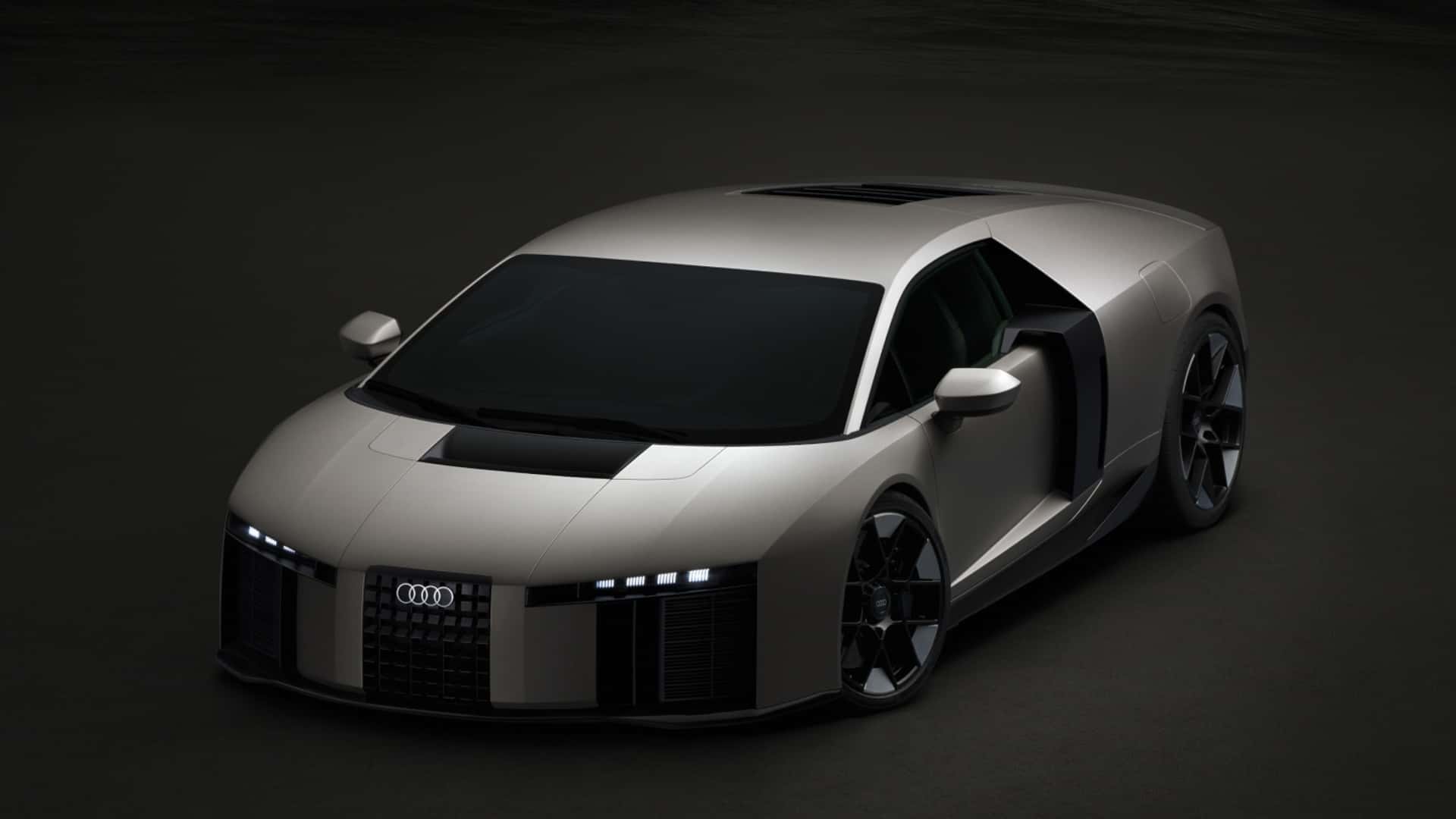
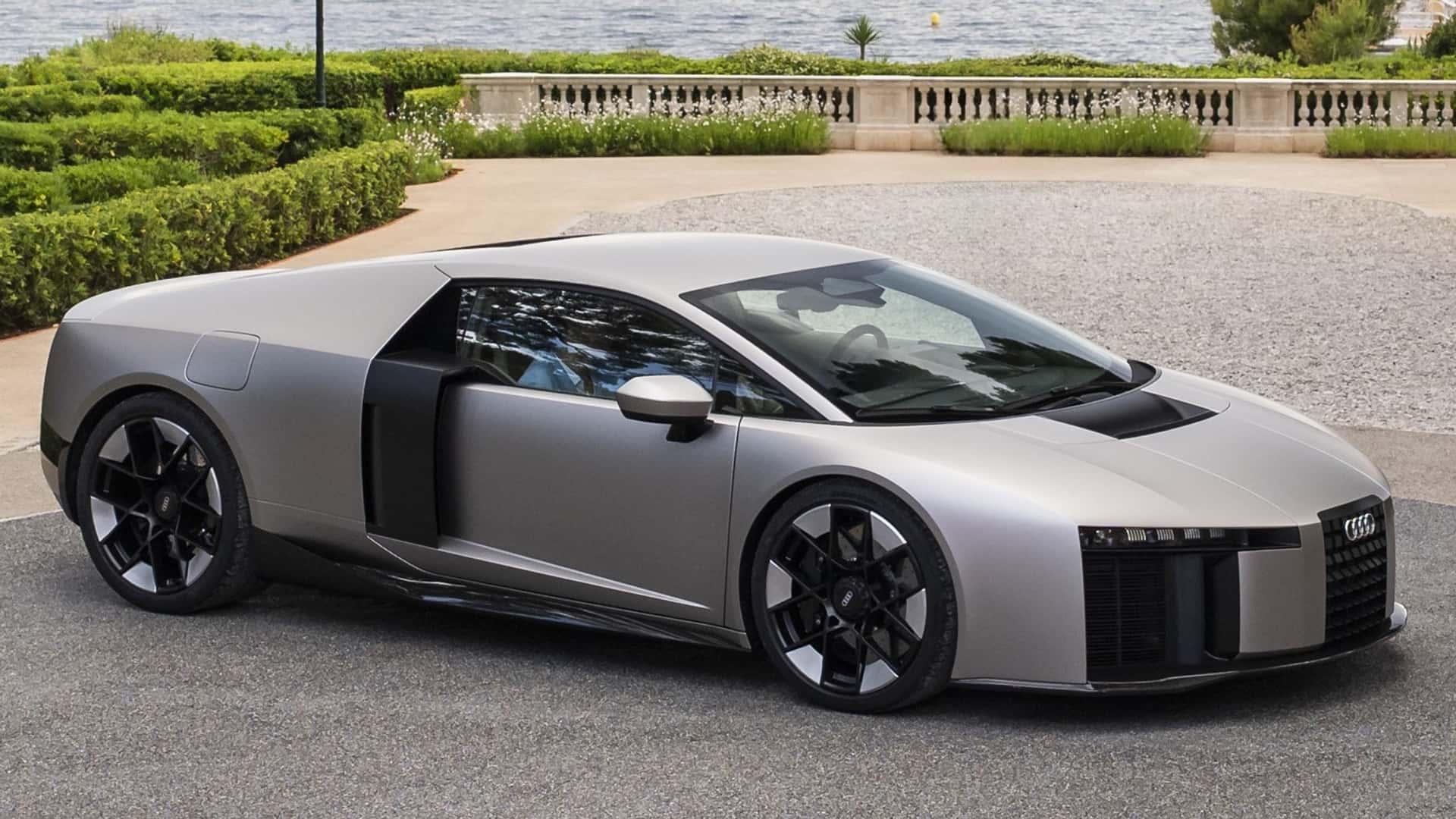
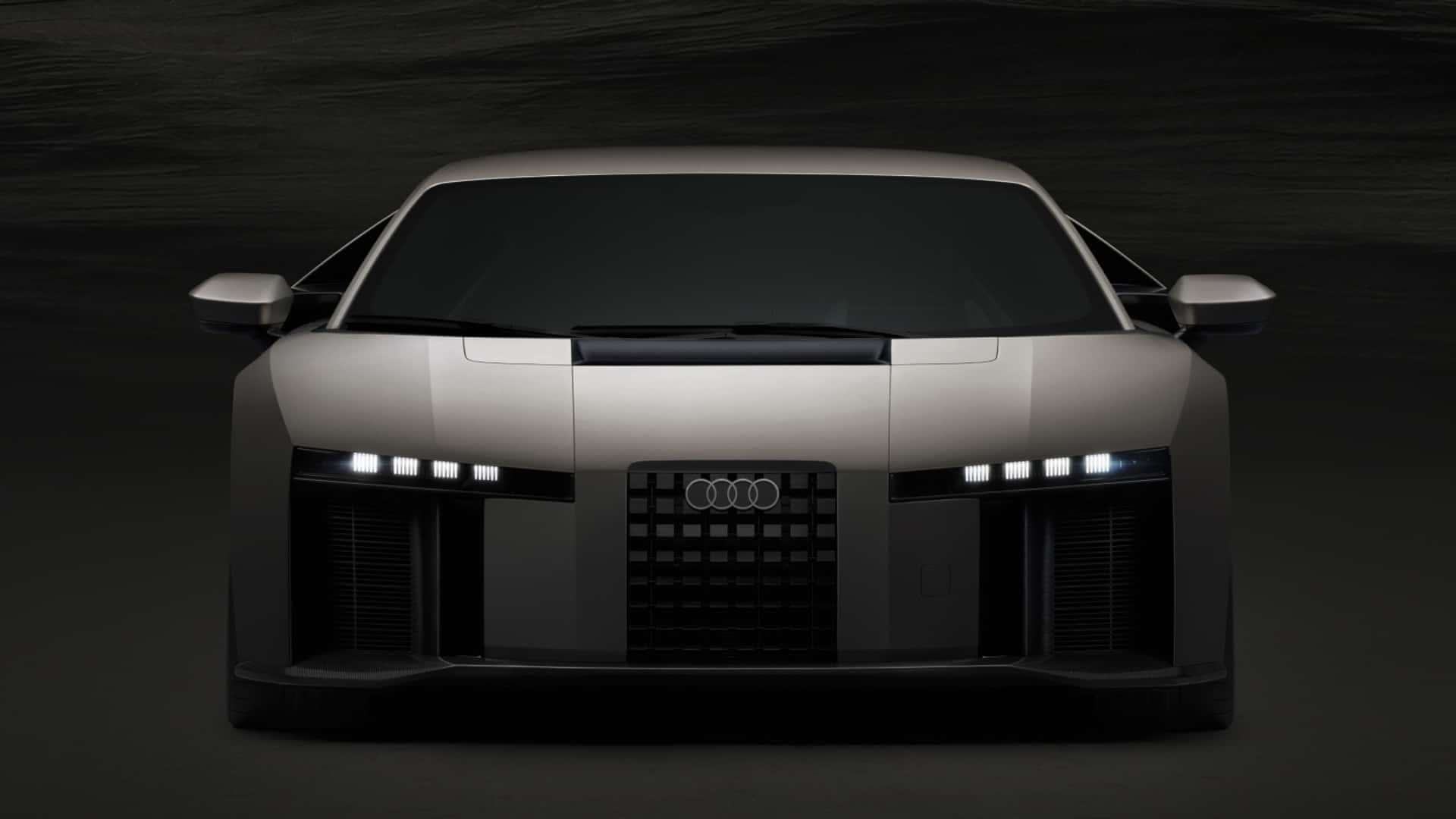
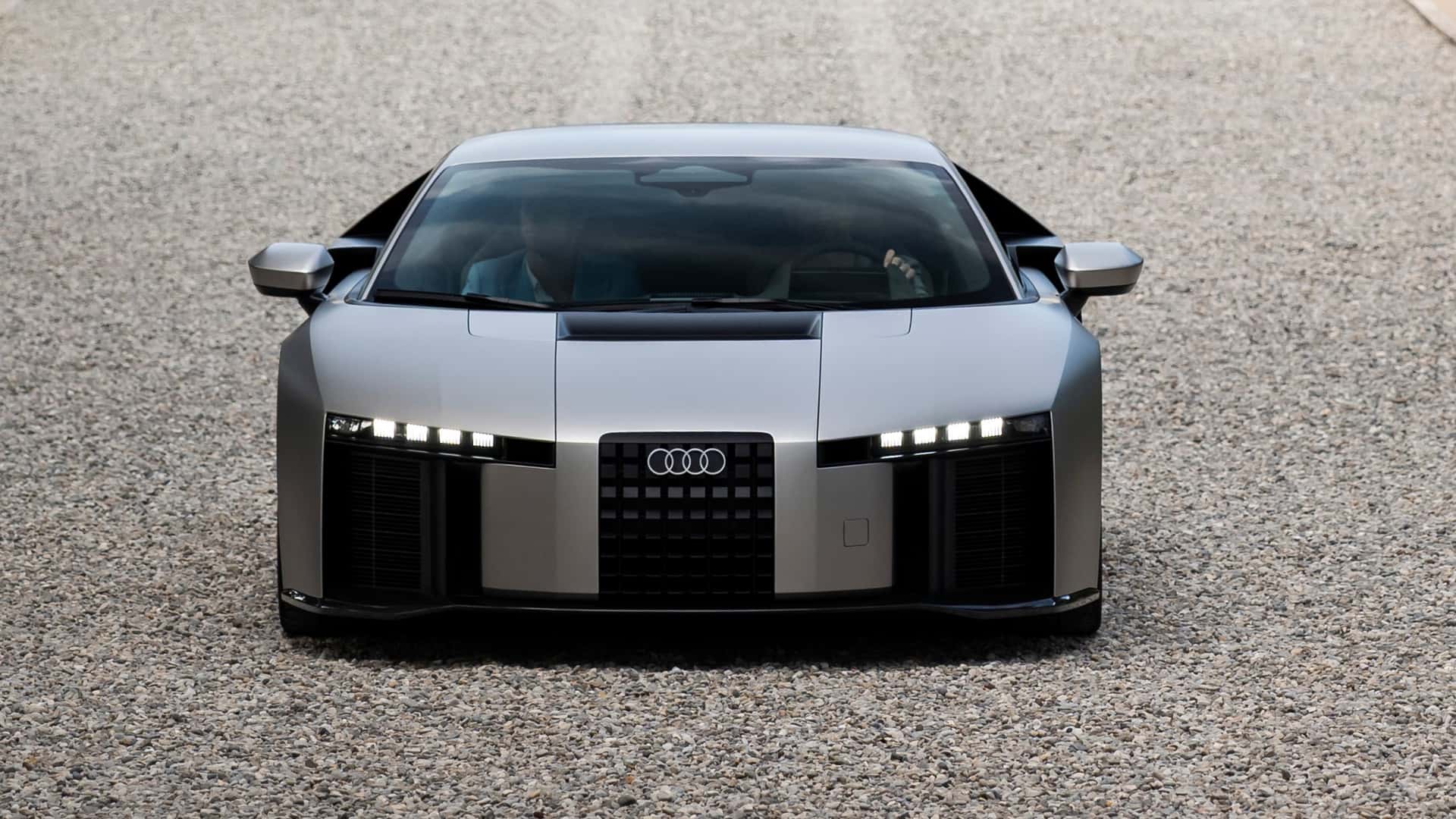
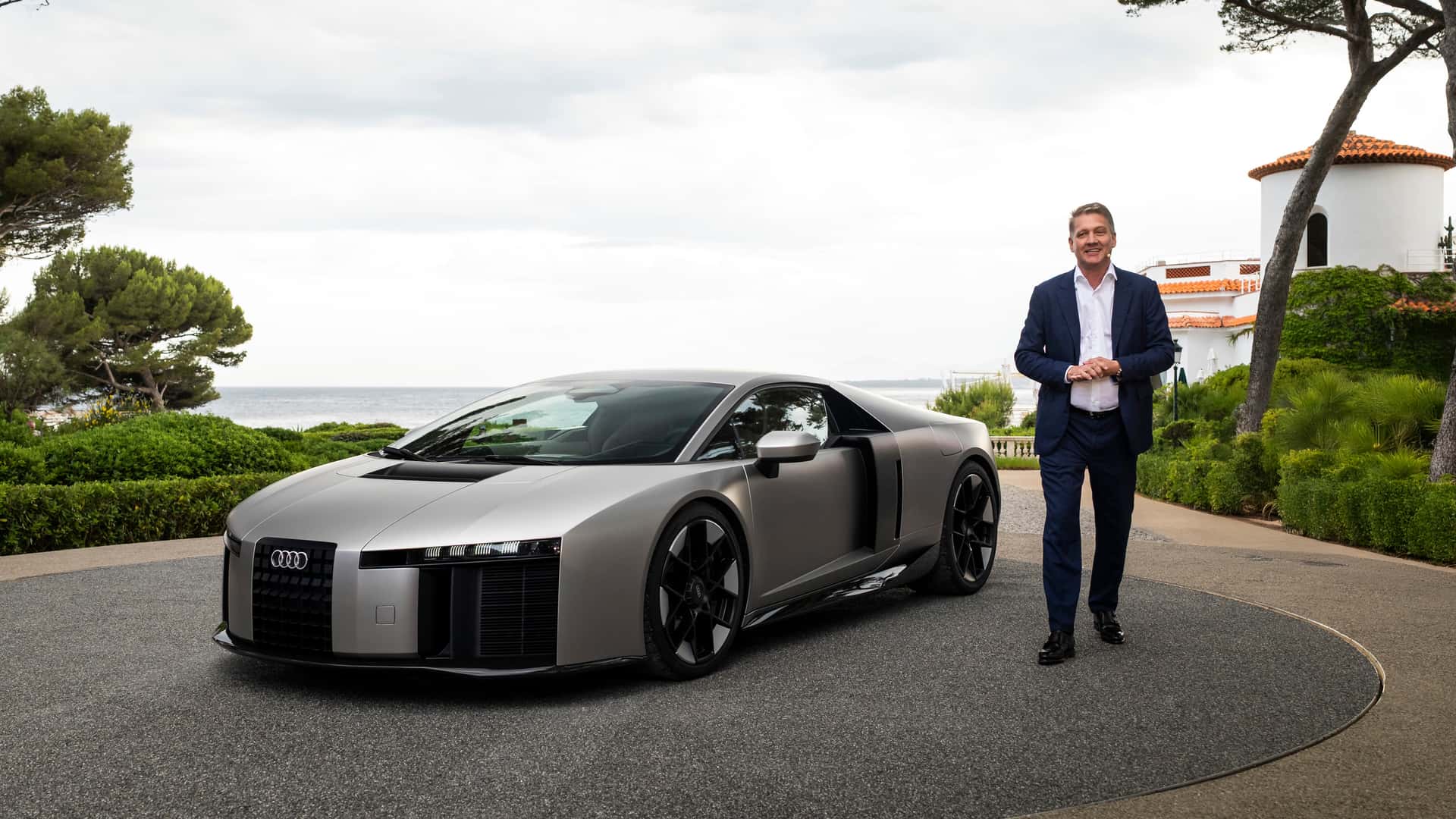
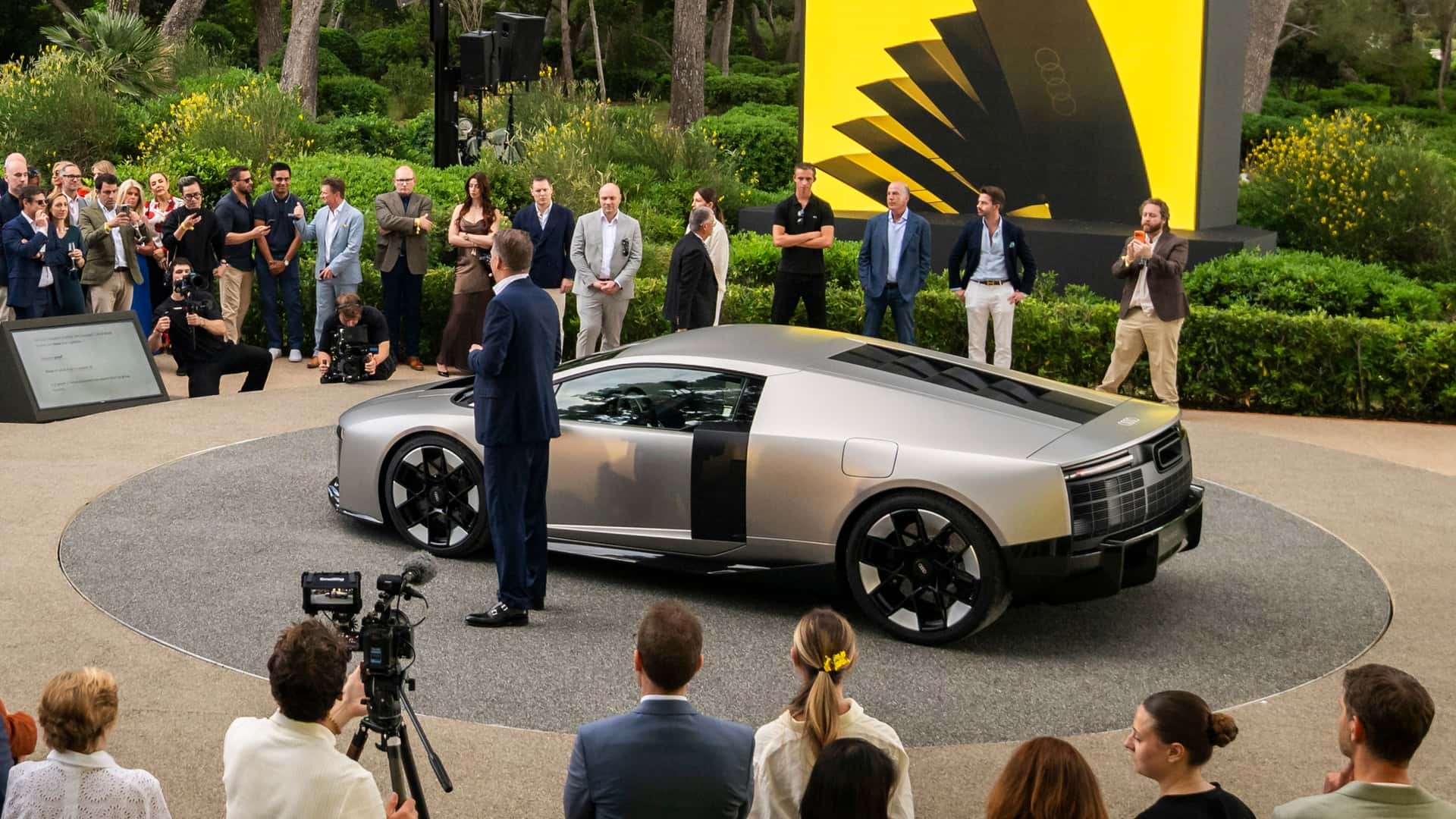
The vanguard of this interior renaissance is Audi’s new design philosophy, dubbed “Strive For Clarity” and internally referred to as “The Radical Next.” This new direction debuted on the striking Concept C, a preview of a potential electric two-seater sports car set to arrive as early as next year. Forget the overwhelming digital landscapes of current Audis; the Concept C’s cabin is a masterclass in restraint. It significantly scales back screen real estate, thoughtfully reintroduces physical buttons and dials, and leans heavily on premium materials that feel as good as they look.
This isn’t just a concept car exercise. The production version of the Concept C will serve as the launchpad for Audi’s interior overhaul. The company’s Chief Technical Officer has explicitly stated the goal is to recapture the magic that once made Audi cabins benchmarks for design and execution. We’re talking about the satisfying heft of a metal switch, the precise click of a rotary dial, and a general sense of robust quality that screens alone can’t replicate.
The Return of Tactile Luxury
Audi’s CTO elaborated on this shift, emphasizing a move towards “subtle” display sizes and haptic elements. The focus is squarely on “real materials.” If a surface looks like metal, it *will* be metal. This commitment to authenticity is a direct response to buyer feedback and a desire to reconnect with the brand’s DNA, which includes a healthy dose of physical controls. Every button, every dial, is being designed to deliver that signature Audi “click and touch and feel”—a subtle but crucial detail that elevates the entire cabin experience.
This approach acknowledges a critical nuance: not all markets crave the same digital intensity. Audi recognizes significant differences between consumer preferences in China and the rest of the world. This understanding has already led to strategic partnerships, like the one with SAIC for a separate AUDI brand (sans the iconic Four Rings) tailored specifically for the Chinese market, featuring more minimalist interiors and expansive screens. For the rest of the globe, however, the legacy Audi brand is doubling down on its heritage of refined, driver-centric interiors.
A Phased Rollout: The A4 E-Tron Leads the Charge
Audi’s interior revolution won’t happen overnight. Vehicle development cycles are long, and designs are locked in years before production. However, the first volume model to fully embody this new philosophy is slated for a 2028 arrival: the all-electric A4 E-Tron sedan. Until then, expect current models to continue the trend of large screens, with the upcoming Q9 flagship SUV and the electric A2 likely being the final holdouts from the previous design era.
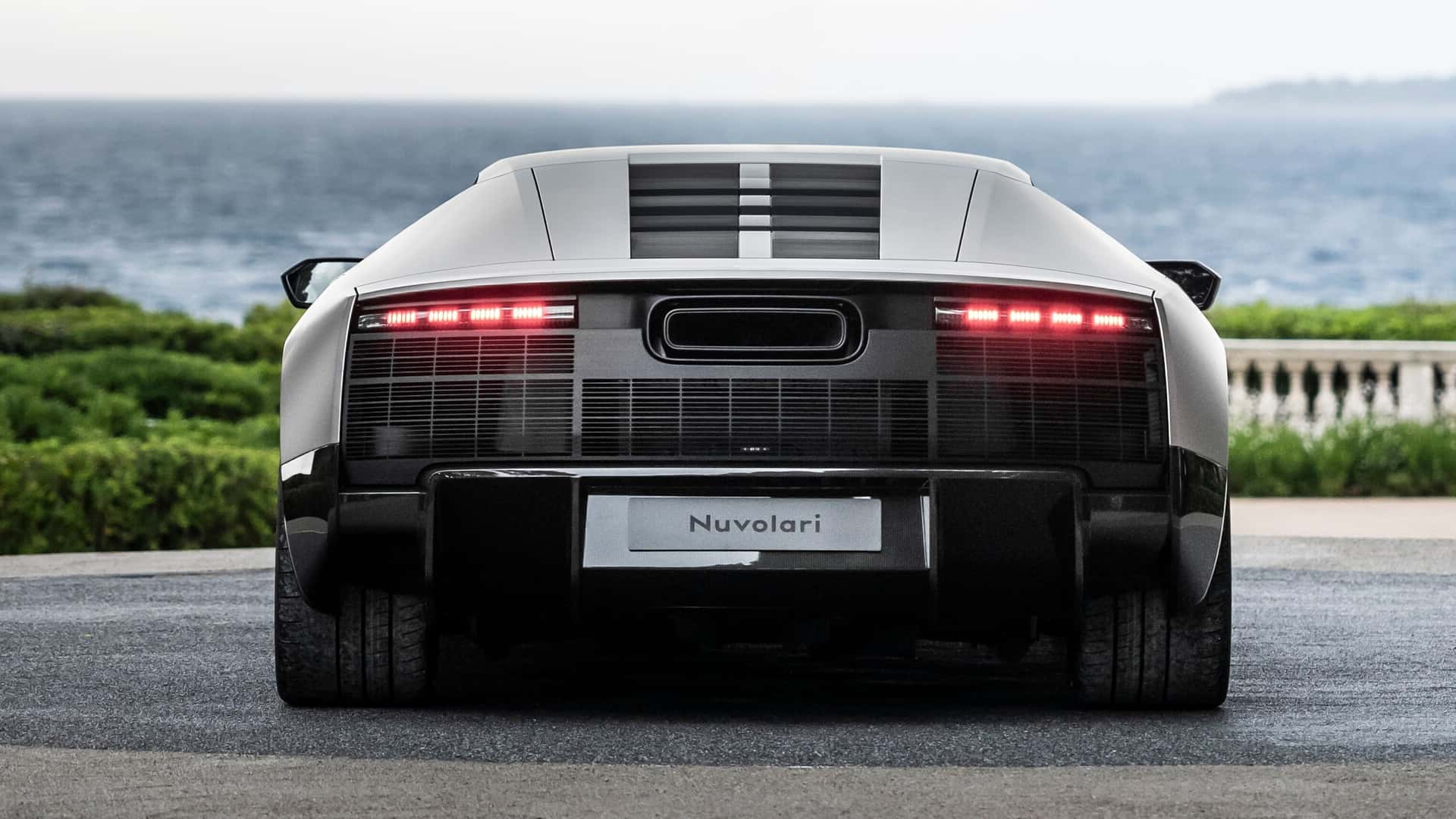
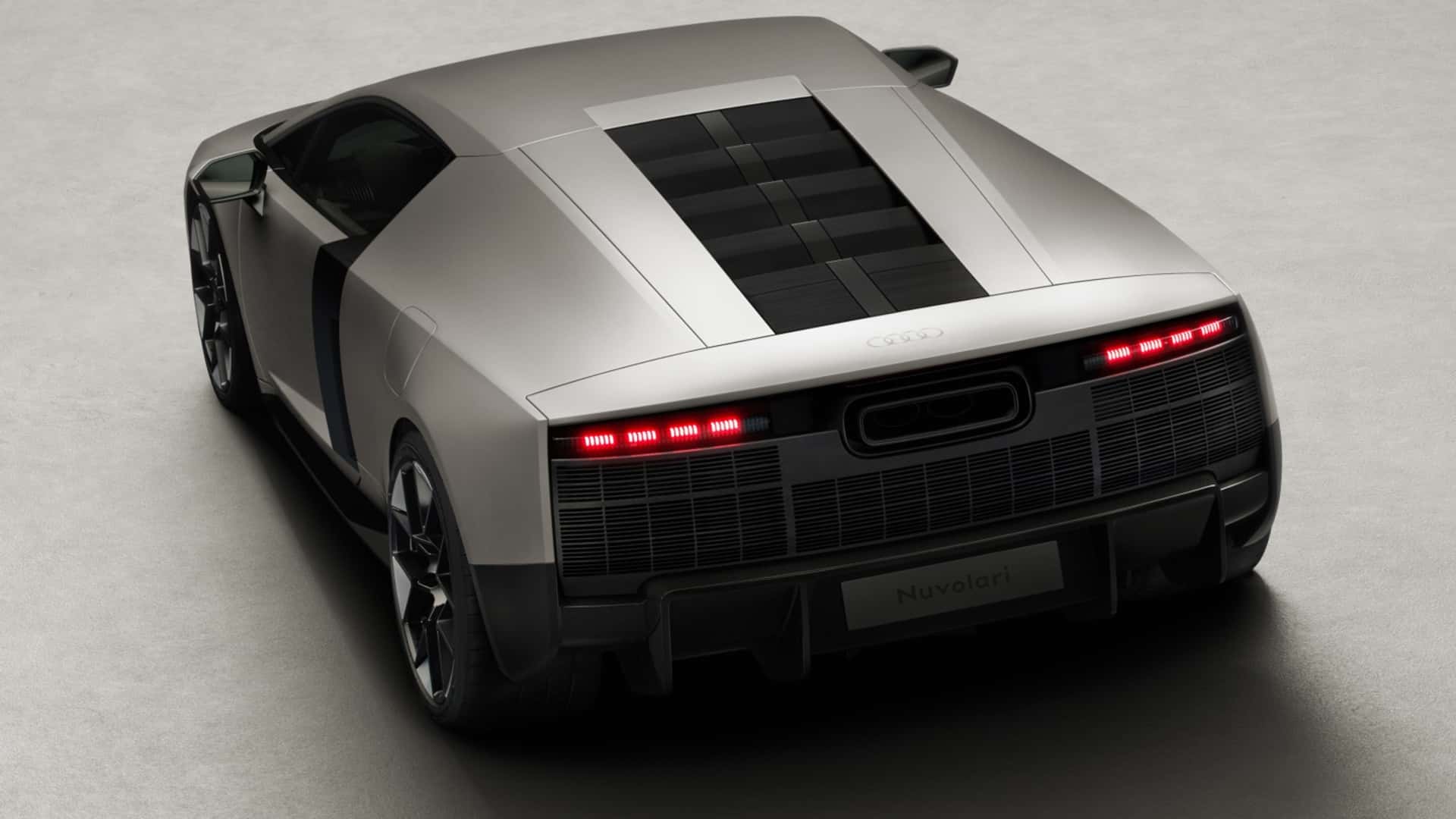
While the Concept C and the limited-run, Lamborghini Temerario-derived Nuvolari hybrid supercar offer tantalizing glimpses of the future, they are niche products. The true test will be how effectively Audi translates these high-concept interiors into mainstream models like the A4 E-Tron. These performance halo cars serve as crucial blueprints, demonstrating the brand’s commitment to a more balanced and tactile approach to cabin design that Audi hopes will resonate with a broader audience.
What This Means for Drivers
The implications for drivers are significant. The move away from overwhelming touchscreens and towards more physical controls promises a safer, more intuitive driving experience. Instead of fumbling with a giant screen to adjust the climate or change the radio station, drivers will be able to rely on the familiar, tactile feedback of buttons and dials. This not only reduces distraction but also enhances the sense of connection to the vehicle—a feeling that has been eroded by the increasingly sterile, tablet-like interiors of many modern cars.
Furthermore, the emphasis on real materials—actual metal, high-quality leather, perhaps even wood or Alcantara—will elevate the perceived luxury and durability of Audi interiors. This focus on tangible quality is a direct counterpoint to the cost-cutting measures that have led to widespread use of glossy plastics that scratch easily and feel cheap to the touch. Audi’s commitment to authenticity suggests a renewed focus on craftsmanship, aiming to restore the brand’s reputation for building cars that feel as solid and well-appointed as they look.
The Competition Is Watching
Audi’s bold declaration is a clear signal to the rest of the automotive industry. The relentless pursuit of screen size has reached a saturation point, and consumers are increasingly vocal about their dissatisfaction. Competitors who have also embraced the all-screen, no-button philosophy will be watching Audi’s moves closely. Will this lead to a broader industry shift back towards more ergonomic and materially rich interiors? It’s certainly possible.
The danger for automakers has always been the temptation to prioritize short-term cost savings over long-term brand loyalty and customer satisfaction. The sea of glossy black plastic and the frustratingly complex infotainment systems have pushed many buyers to the brink. Audi’s pivot, if executed successfully in its volume models, could prove that there’s a viable and profitable path that balances cutting-edge technology with timeless principles of good design and tactile quality. It’s a gamble, but one that could pay off handsomely.
Audi’s Interior Future: Key Takeaways
- Screen Reduction: Expect smaller, less intrusive displays in future Audi models, focusing on essential information rather than overwhelming digital real estate.
- Return of Physical Controls: Satisfyingly clicky buttons and rotary dials will make a comeback for critical functions like climate control and infotainment shortcuts.
- Premium Material Focus: Audi is committed to using genuine materials like real metal, enhancing the cabin’s perceived quality and tactile appeal.
- Driver-Centric Design: The aim is to reduce driver distraction and improve usability, creating a more intuitive and enjoyable driving experience.
- Global Strategy: While the core philosophy is global, Audi acknowledges market-specific preferences, particularly differentiating from the Chinese market.
- Phased Introduction: The A4 E-Tron, arriving in 2028, will be the first volume model to fully showcase the “Radical Next” interior.