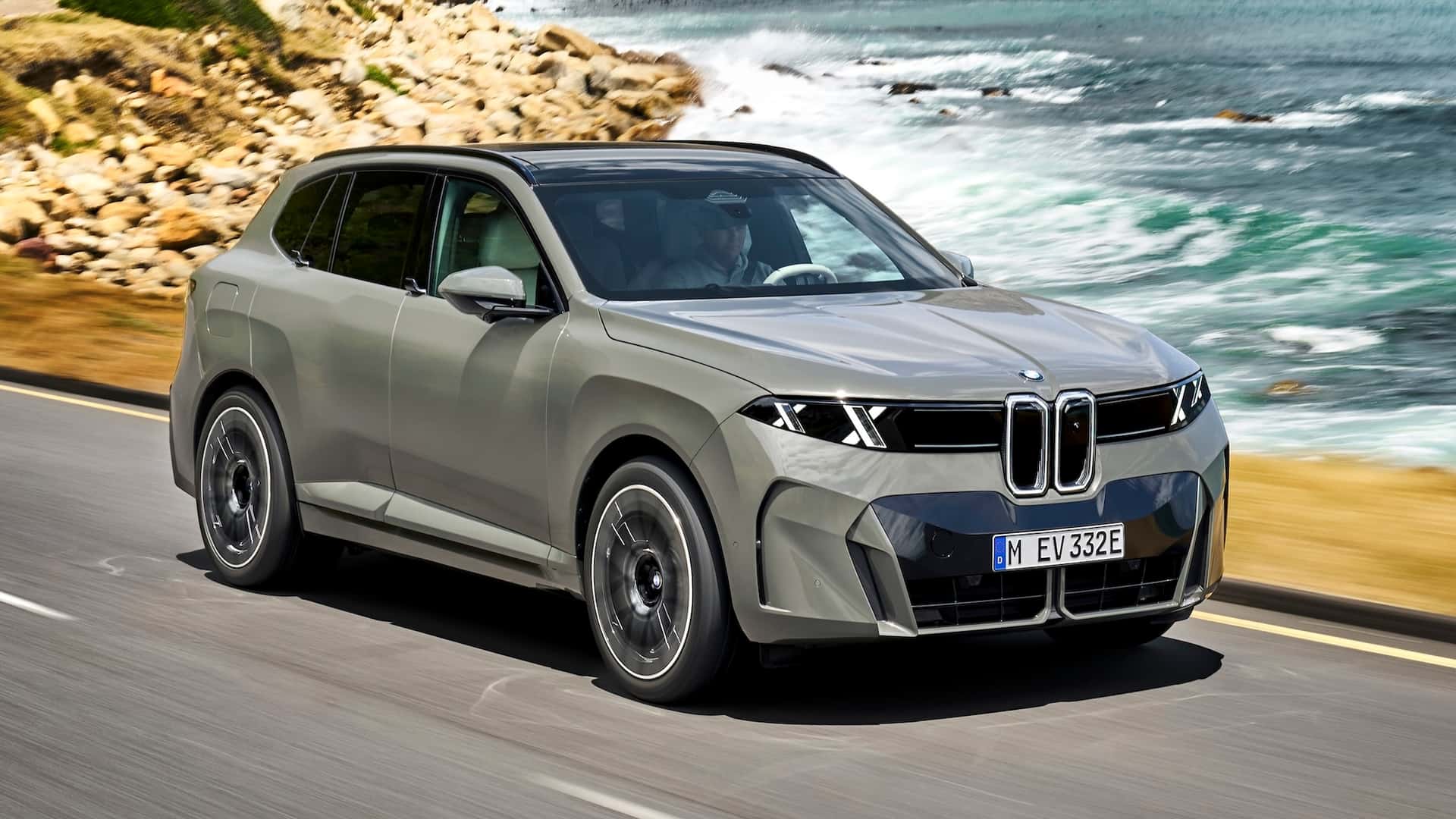
The Eight-Cylinder Isn’t Dead, It’s Just Hiding
In an era where electric powertrains are gobbling up headlines and emissions regulations are tightening like a cheap suit, the V8 engine has been treated like a dinosaur on the verge of extinction. Yet, BMW, with its characteristic German pragmatism (and perhaps a touch of stubbornness), is quietly signaling that the big V8 isn’t ready for the tar pits just yet. The upcoming generation of the X5 SUV is set to receive an eight-cylinder heart, proving that sometimes, the old ways are still the best ways to make a statement.
This isn’t a desperate last gasp; it’s a calculated move. While the initial launch of the revamped X5 will feature its familiar inline-six engines, BMW has confirmed that a V8 variant is very much in the pipeline. This development is significant not just for performance enthusiasts but for anyone who believed the era of potent, gasoline-fed engines was rapidly drawing to a close. It suggests a longer life for combustion, even as the electric revolution accelerates.
A New X5, A Familiar Heartbeat
The fifth generation of the BMW X5, built in Spartanburg, South Carolina, is set to become a true multi-fuel marvel. It’s slated to offer gasoline, diesel, plug-in hybrid, electric, and even hydrogen powertrains. However, the omission of a V8 at launch might have raised a few eyebrows among those who crave brute force. Thankfully, that void will be filled.
BMW is reserving its potent twin-turbocharged 4.4-liter V8 for an M Performance variant of the refreshed X5. While it won’t be the full-blown X5 M, this M Performance model will deliver a healthy dose of power and torque, offering a compelling blend of luxury and performance that the brand is known for. Think of it as the sophisticated cousin who still knows how to let loose.
The M60e: Electrified Power with a V8 Soul
For those who want a taste of M Performance power right at launch, BMW is introducing the X5 M60e. However, there’s a catch: this electrified powerhouse won’t be making its way to the United States. This M Performance version will offer a plug-in hybrid experience, but it’s the pure V8 variant that has enthusiasts buzzing.
The pure V8 model, expected to be christened the X5 M60 (BMW is phasing out the “i” for gasoline models, reserving it for electric vehicles), is slated for a 2027 arrival. This means enthusiasts will have to wait a bit longer for that unmistakable V8 rumble. The good News is that this version is confirmed to be a pure V8 experience, likely with a mild-hybrid system for a touch of modern efficiency, rather than a heavier plug-in hybrid setup. It’s the best of both worlds: raw V8 power with a subtle electronic assist.
More V8s on the Horizon
The X5 isn’t the only recipient of BMW’s continued V8 commitment. The brand is planning a third “not-quite-M” model, which will be a hotter version of the iX5, demonstrating BMW’s willingness to explore different avenues for performance. While a full-fat X5 M, in either combustion or electric form, is yet to be confirmed, its arrival by 2028 seems increasingly likely.
Given the typical lifecycle of BMW models, which often spans around eight years, the V8 engine is expected to remain a key player in the lineup well into the 2030s. This longevity is further supported by plans for a new X7 in 2027, which will almost certainly feature the company’s largest engine. Even the recently updated 7 Series is set to receive a V8 M Performance variant in 2027, and Alpina is reportedly developing its own V8-powered versions of the 7 Series and the next-generation X7.
The V12’s Exclusive Retirement Home
While the V8 is getting a new lease on life, BMW’s even larger engine, the twin-turbocharged 6.75-liter V12, has found a rather exclusive retirement home. This behemoth is exclusively assembled for Rolls-Royce models at the Hams Hall factory in the UK. Initially, Rolls-Royce had planned a full electric transition by 2030, but those plans have shifted.
This means the V12, a symbol of ultimate luxury and effortless power, will also continue into the next decade. However, don’t expect to see it reappear in a BMW or Alpina model. Its days in those lineups are firmly in the past, leaving the V8 to carry the torch for high-performance combustion engines within the core BMW brand.
BMW’s V8 Strategy: A Quiet Reaffirmation
While Mercedes-AMG has been making a considerable fuss about its renewed commitment to V8 engines, BMW’s approach is far more understated. The confirmation of a V8 for the new X5 is almost an afterthought in a press release, a testament to BMW’s long-standing philosophy. They never truly abandoned large-displacement engines or the internal combustion engine as a whole, even as they embraced electrification.
The primary challenge for BMW, especially in markets with stringent Euro 7 emissions regulations, lies in maintaining the output of these V8s. The company has already had to slightly detune its largest engines in models like the M5 and XM to meet these tougher standards. The question remains: will the upcoming X5 M60, or whatever it’s eventually called, also see a reduction in its European power output?
The Enduring Appeal of the V8
The V8 engine, with its inherent smoothness, robust power delivery, and distinctive sound, offers an experience that electric powertrains, for all their technological prowess, have yet to fully replicate. For performance SUVs like the X5, the V8 provides the kind of effortless acceleration and towing capability that resonates with buyers seeking the ultimate in luxury and capability.
BMW’s decision to continue developing and deploying its V8 suggests a keen understanding of its target market. While the future is undoubtedly electric, there remains a significant segment of buyers who appreciate the visceral thrill and character that only a V8 can provide. It’s a balancing act, and BMW appears determined to cater to both the present and the future.
What Does This Mean for Buyers?
For potential buyers of the new BMW X5, this news is a clear signal: if you crave the power and character of a V8, you won’t be left wanting. The upcoming M Performance variant offers a compelling alternative to the electrification trend, providing a potent blend of luxury, performance, and that unmistakable V8 soundtrack.
However, it’s crucial to consider the timeline. The V8 X5 won’t be available at launch, meaning those eager for the eight-cylinder experience will need to exercise patience. Furthermore, the potential for slightly detuned European models means that specifications might vary by region. Still, the overarching message is one of continuity and choice, a welcome prospect in a rapidly changing automotive landscape.
- Engine Options: The new BMW X5 will offer a diverse range of powertrains, including gasoline, diesel, plug-in hybrid, electric, and hydrogen.
- V8 Confirmation: A twin-turbocharged 4.4-liter V8 engine will be available in an M Performance variant, likely called the X5 M60, by 2027.
- Longevity: BMW plans to continue producing its V8 engines well into the 2030s.
- Rolls-Royce Exclusive: The larger 6.75-liter V12 engine remains exclusive to Rolls-Royce models.
- Emissions Challenges: Output may be adjusted for European markets due to stricter emissions regulations like Euro 7.
- Market Choice: BMW continues to offer a broad spectrum of powertrains to cater to diverse buyer preferences.