As the kingdom of Tesla wavers in the face of an aging offer and controversies surrounding its leader, BYD, the Chinese giant, continues to accelerate. In 2025, for the first time in over a decade, BYD surpassed Tesla in terms of electric vehicle sales, a decisive turning point in the brand battle. What does this upheaval mean for the future of electromobility?
A meteoric rise
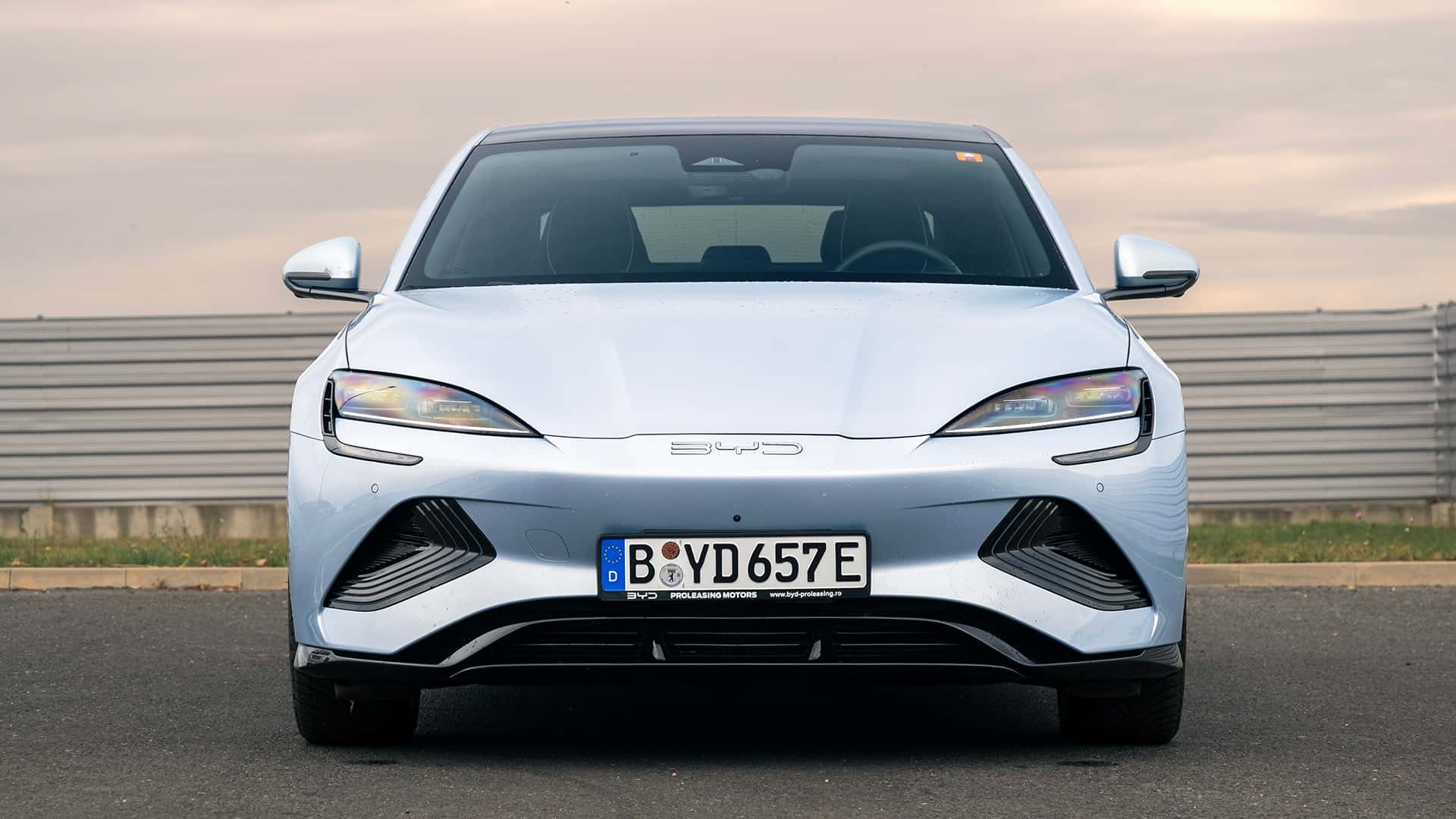
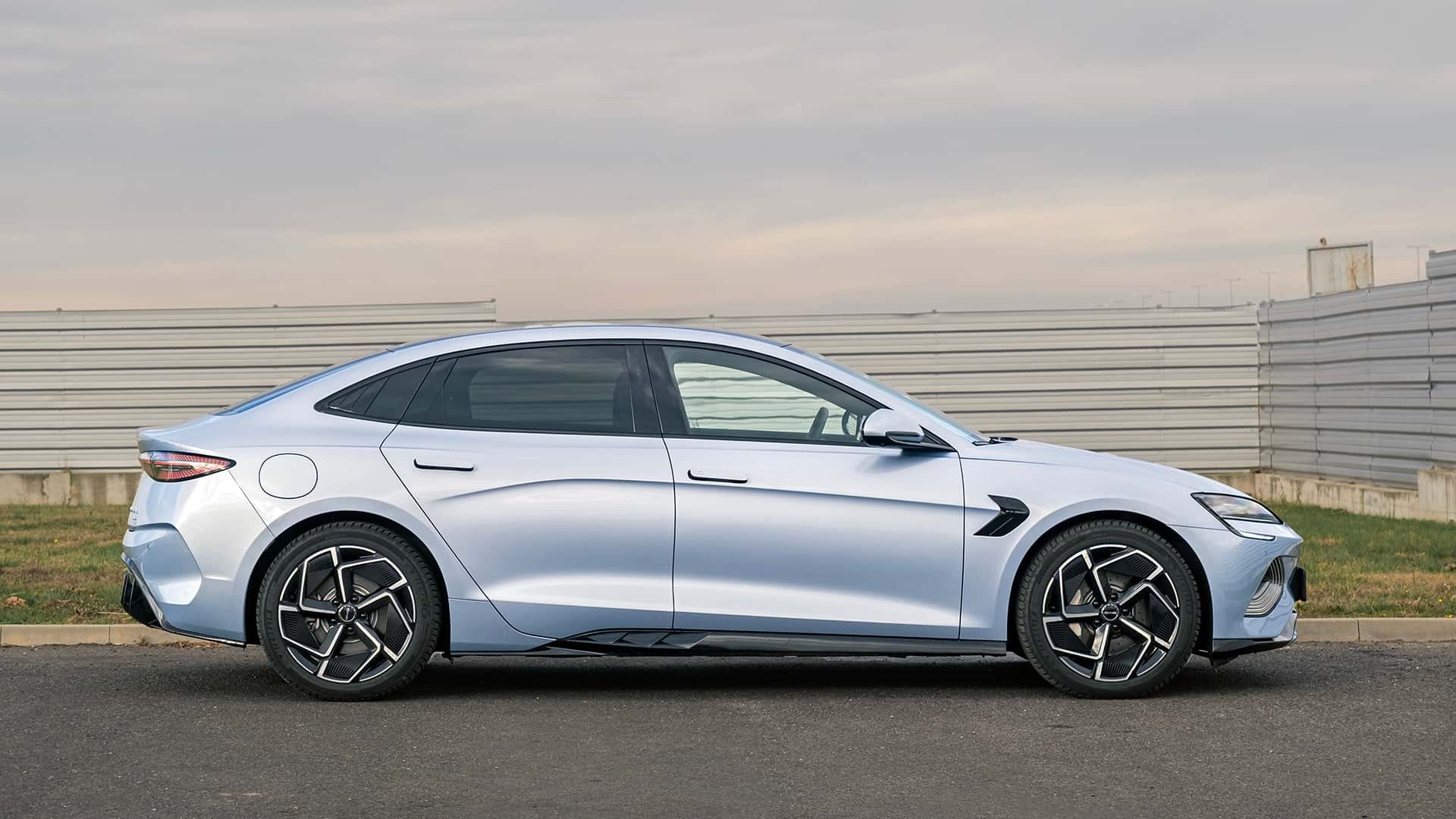
Recently published sales figures reveal that BYD sold more electric vehicles than Tesla in 2025. With 2.26 million units sold, the Chinese manufacturer took the lead, leaving Tesla behind with 1.64 million vehicles, a 9% drop from the previous year. This turnaround marks a crucial milestone, and it is not just a stroke of luck.
Previously, BYD had already surpassed Tesla in terms of overall sales, largely due to its range of plug-in hybrids, a niche that Tesla does not exploit. But this year, the fact that BYD surpasses Tesla in purely electric sales is a strong signal: times are changing.
A diversified strategy
This success is not a matter of chance. The Shenzhen-based company has been able to innovate and adapt. By expanding its range of electric and hybrid vehicles, BYD has also adopted a strategy similar to Lexus, launching luxury brands like Yangwang and Denza. In doing so, it attracts not only electric car enthusiasts but also those seeking a bit of prestige.






A bold international expansion
But BYD does not stop there. While Tesla sees its popularity waning in some markets, BYD is succeeding in its international expansion. In Europe, the manufacturer has surpassed Tesla for several months, adapting its models to local tastes with vehicles like a new plug-in hybrid wagon.
The brand has also developed a fast-charging platform that allows a vehicle to be charged in five minutes, an advancement that is coming to Europe this year. Additionally, it plans to open factories in Turkey and Hungary, with Spain in sight for a third. Meanwhile, BYD is making rapid progress in markets like Latin America, Japan, and the Middle East, offsetting losses from an intense price war in China.
Tesla facing its own demons
In contrast, Tesla seems to be losing itself in its own strategy. The company admits to being less concerned with selling cars than with the vision of a future focused on autonomous Robotaxis. While the Model Y remains a global bestseller, Tesla’s lineup has not introduced significant new models in several years.
The Cybertruck struggles to find its place in the market, while the models that are actually selling are the Model Y and Model 3. The promise of a new Roadster keeps getting pushed back, raising the question of whether Tesla can remain relevant in this competitive sector.
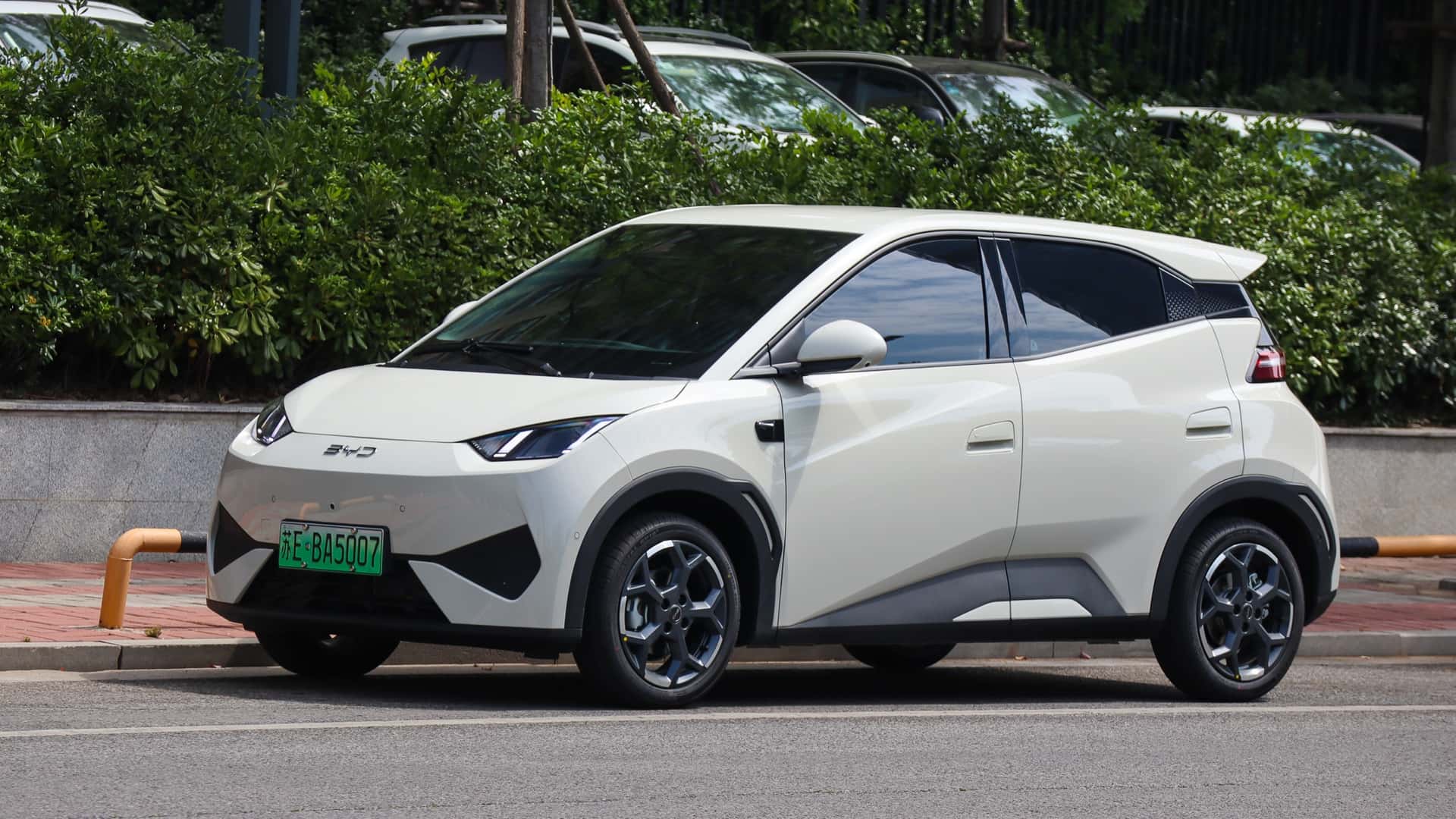
The BYD Seagull: a new electric offering in the market.
The tarnished image of Tesla
Tesla’s problems are not limited to the lack of new models. The brand’s image, closely tied to that of its founder Elon Musk, suffers from repeated controversies. In 2025, Musk was at the center of numerous debates, ranging from his interactions with the U.S. government to his questionable political alliances. These controversies have impacted public perception and could harm sales.
In the largest electric vehicle market in the world, China, Tesla feels this pressure particularly acutely. Consumers are drawn to brands that seem more in tune with their expectations and values, paving the way for competitors like BYD.
An uncertain future
It may be unwise to continue comparing Tesla and BYD in the long term. While Tesla seems to be heading toward a company focused on AI and autonomy, BYD aims to become a major player on a global scale, similar to Toyota or General Motors. With the resources necessary to develop autonomous cars and even driverless taxis in partnership with Uber, BYD could well redefine industry standards.
One thing is clear: the landscape of electric vehicles is undergoing a transformation. More than ever, the global race surpasses a single automaker, and recent figures demonstrate this vividly.