

As the Canadian market opens up to Chinese cars, the global automotive industry is poised for a significant transformation. BYD, Geely, and Chery are set to disrupt the established order, while the United States remains hesitant about this shift.
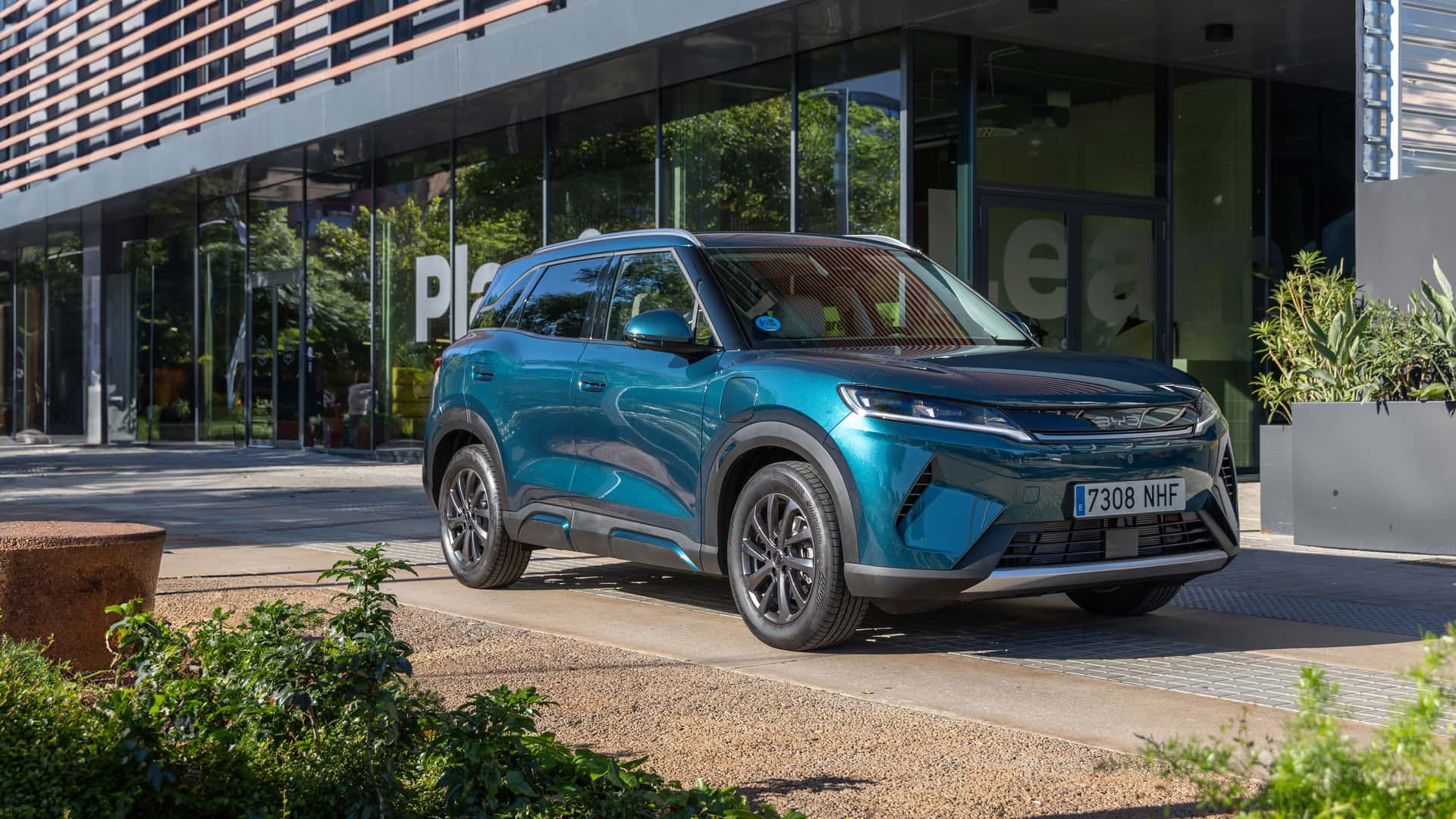
Chinese automotive brands, long seen as secondary players on the global stage, appear ready to assert themselves. According to Automotive News Canada, several industry giants like BYD, Geely, and Chery are preparing to enter the Canadian market as early as this year. This initiative could have notable repercussions on the dynamics of the automotive industry, especially as the United States remains closed off to this offensive.
A Strategic Offensive in the Canadian Market
Canada is becoming a crucial playground for Chinese automakers. The opening of this market represents not only a growth opportunity but also a defensive maneuver against American reluctance. Negotiations between these brands and Canadian dealerships are facilitated by DSMA, a consulting firm acting as a bridge between Asian manufacturers and the local distribution network. This collaborative approach could enable a swift rollout of Chinese models on Canadian soil.
The Rise of Chinese Brands
In recent years, Chinese automakers have experienced a meteoric rise in the global market. Groups like BYD and Geely are gradually climbing the ranks of manufacturers, getting closer to traditional big names. This ascent is fueled by a diversified offering that goes beyond electric and hybrid vehicles, also including SUVs and combustion-engine sedans. These brands are tailoring their lineup to meet the specific needs of markets, a strategy that seems to be paying off.
A Paradigm Shift for the Automotive Industry
The penetration of Chinese brands in Canada could mark a turning point in the automotive industry. Canadian consumers, often attracted by value for money, may turn to these new options, giving Chinese brands a chance to carve out a space in a North American market historically dominated by American and European players. In short, this could redefine industry standards, prompting traditional manufacturers to reassess their pricing strategies and offerings.
The Challenges of Rapid Expansion
Despite their eagerness to expand, Chinese brands must navigate a complex environment. Consumer perceptions of Chinese products remain a major hurdle. Concerns about the quality and reliability of vehicles could hinder adoption. Additionally, homologating models to meet Canadian standards can be a lengthy and costly process. Nevertheless, the determination of Chinese manufacturers to establish themselves in this market could allow them to overcome these obstacles.
An Impact on Local Competition
The increased presence of Chinese brands in Canada could also disrupt the competitive balance. Local and American manufacturers will need to adapt to this new reality by enhancing their offerings and adjusting prices to remain competitive. In practice, this could lead to a general decrease in prices and improved after-sales services. Such dynamics could also encourage innovation within the industry, as each player seeks to stand out in a more competitive landscape.
A Long-Term Vision for the Industry
In the medium term, this evolution could pave the way for a reevaluation of trade relations between the United States and China. If Canada successfully integrates these new players smoothly, it could prompt the U.S. to reconsider its stance. Indeed, the current resistance could transform into a learning opportunity for American manufacturers, who could benefit from the innovation brought by their Chinese counterparts.
In Summary
- Chinese brands like BYD, Geely, and Chery are establishing themselves in Canada.
- This offensive could redefine the North American automotive landscape.
- Local manufacturers will need to adapt their strategies to remain competitive.
- Image and homologation challenges remain crucial for these brands.
- In the medium term, a shift in trade relations between the U.S. and China is conceivable.
Who is this evolution relevant for? For Canadian consumers seeking attractive and affordable alternatives, but also for traditional players who will need to adapt to a rapidly changing market. In summary, this Chinese offensive could not only redefine the balance of power in the Canadian market but also influence the global dynamics of the automotive industry.

