
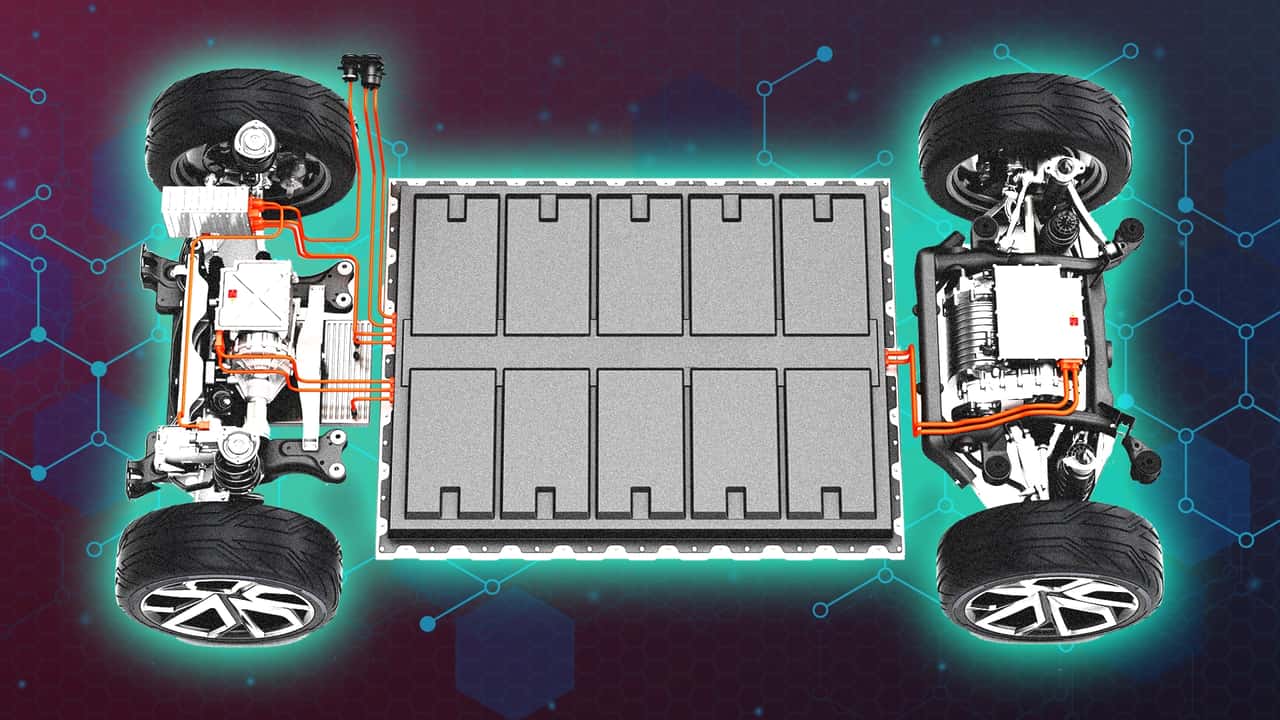
As the automotive industry stands at a pivotal crossroads, electric vehicle (EV) battery recycling emerges as a critical issue. With revenue forecasts reaching $70 billion by 2040, transforming used batteries into reusable materials could redefine automakers’ economic models.

A Market in Transformation
Battery recycling may not be the most glamorous sector in the automotive world, but it’s gaining traction and becoming essential for the future of electric vehicles. Degraded batteries, while unsuitable for long trips, contain valuable materials like lithium and cobalt that can be reused to create new packs. This approach aligns with a circular economy, where resource reuse becomes a necessity rather than an option.
Colossal Economic Potential
The shift toward battery recycling could be more than just a trend; it represents a significant economic upheaval. McKinsey & Co. anticipates that global revenues from this activity will soar from $2.5 billion in 2023 to $70 billion by 2040. This impressive figure is driven by the imminent arrival of a generation of EVs launched in recent years that will soon reach the end of their life cycle.
Major automotive players like BMW, Volkswagen, and Renault are not sitting idle. They are strengthening their recycling partnerships, while startups like R3 Robotics are developing technologies to automate battery disassembly, making the process more efficient and cost-effective.
Regulations: A Favorable Framework for Recycling
Regulations play a crucial role in the rise of battery recycling. The European Union imposes strict targets: by 2030, 70% of the lithium used in EV batteries must be recycled. These requirements aim to reduce dependence on imported raw materials and encourage a more sustainable supply chain. Meanwhile, China has implemented mandatory take-back rules, urging manufacturers to take responsibility for their end-of-life batteries.
In the United States, while the lack of a federal recycling mandate is notable, some states like Colorado are taking the lead with laws requiring manufacturers to ensure proper recycling of their batteries. This movement could influence other states to follow suit.
A Growing Industry
The current dynamics of battery recycling are promising. With the increasing volume of used batteries, recyclers could see their business explode. According to a study by the environmental group RMI, a mature recycling industry could mean that by 2050, the need to extract new minerals for batteries would be significantly reduced. This would not only transform the automotive industry but also our relationship with natural resources.
Implications for Manufacturers and Consumers
For manufacturers, this shift toward recycling represents a strategic opportunity. By integrating recycled materials into the production of new batteries, they could lower costs while enhancing their brand image. For consumers, this could translate into more affordable and environmentally friendly electric vehicles.
In short, this transformation could also influence consumer purchasing decisions, as buyers become increasingly aware of environmental issues. Brands that commit to this path could gain a competitive edge in a market where sustainability is becoming a key criterion.
A Future to Build
As battery recycling gains momentum, industry players must continue to innovate and adapt to the new market realities. Challenges remain: ensuring the profitability of recycling compared to extracting new materials, meeting growing regulatory demands, and raising public awareness of the benefits of this approach.
In the coming years, we could witness a quiet revolution in the automotive industry, where recycling becomes a central element of business strategies. Companies that can anticipate this trend will be the ones to thrive in a rapidly changing market.
In summary
- EV battery recycling is a rapidly growing sector.
- McKinsey forecasts revenues reaching $70 billion by 2040.
- European and Chinese regulations favor this transition.
- Manufacturers are adopting recycling strategies to cut costs.
- A mature recycling industry could reduce dependence on new raw materials after 2050.


