After a long hiatus, tuner Manhart has revived the V12 engine in the BMW 7 Series, raising questions about the future of this legendary powerplant in an ever-evolving automotive landscape.

Who would have thought a tuner could breathe life back into a dying engine? As the industry shifts toward electrification and efficiency, Manhart positions itself as a guardian of the V12 legacy by bringing the BMW M760Li’s engine back into the spotlight. This unexpected revival presents a real dilemma for enthusiasts and industry watchers alike: is this an industrial stroke of genius or an admission of defeat in the face of inevitable alternative powertrains? To explore this question, let’s dive into the details of this remarkable transformation.
A V12 That Refuses to Die
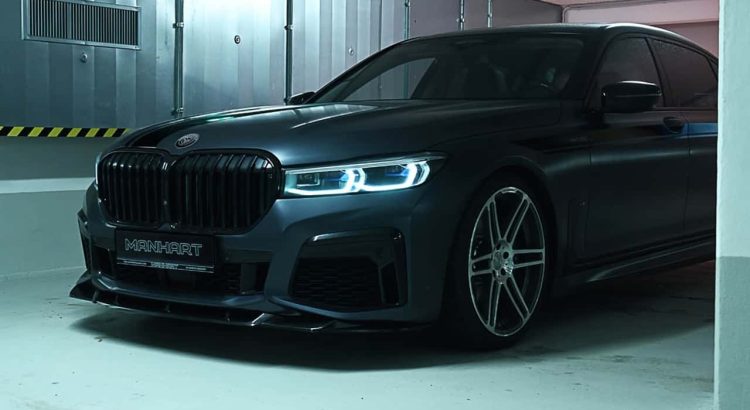
The V12, with its intoxicating sound and extraordinary performance, has always been considered the king of engines. BMW retired its 6.6-liter twin-turbo unit from the catalog in 2022, leaving a void in the brand’s offerings. The M760Li, boasting 610 hp and 800 Nm of torque, was already a powerhouse. But Manhart decided to take it further with its MH7 700 model, pushing power to 711 hp and torque to an impressive 1,050 Nm. In short, Manhart isn’t just reviving an engine; it’s elevating it.
A Response to the Automotive Identity Crisis?
In a climate where manufacturers must balance performance with environmental regulations, Manhart’s approach raises eyebrows. By enhancing the V12’s performance, the tuner seems to remind thrill-seekers that raw power isn’t dead yet. However, this push for a thermal engine may seem misplaced. As brands pivot toward greener solutions, Manhart chooses to cater to a declining segment. Still, this strategy could appeal to a niche market of adrenaline junkies nostalgic for the V12 era.
A Preparation That Doesn’t Hide Its Ambitions
Manhart’s ambitions extend beyond mere engine performance. The MH7 700 package also includes significant aesthetic and technical upgrades. With 21-inch forged wheels, a lowered suspension, and custom leather upholstery, the tuner aims for a premium driving experience. Far from being a simple cosmetic touch-up, these modifications seek to enhance driving pleasure. However, the question remains: is this preparation truly necessary for an already accomplished vehicle?
The V12 vs. the Rise of Alternatives
While BMW has opted to electrify its lineup, other brands like Ferrari and Lamborghini continue to explore the capabilities of thermal engines. This strategic choice highlights a reality: the market is evolving toward increased hybridization and electrification. The MH7 700’s performance is impressive, but how does it stack up against hybrid or electric models that are beginning to dominate the luxury segment? The answer may depend on consumer acceptance of these new technologies.
A Reinvented Sound Signature
One of the standout features of this preparation is undoubtedly its exhaust system. Manhart has developed a stainless steel exhaust line with valves that promises an even more pronounced sound. This technical choice aims to entice purists seeking an authentic acoustic experience. In practice, this could also influence the perception of the vehicle’s performance. Indeed, the sound of an engine plays a crucial role in the sports driving experience, and here, Manhart seems to have hit the mark.
A Bold but Risky Business Strategy
Manhart is targeting a niche market where customers are willing to invest in exclusive modifications. However, this strategy carries risks. With increasing pressure to reduce emissions and adopt more sustainable vehicles, investing in a modified V12 might seem counterproductive. In the short term, this could yield profits for Manhart, but in the long run, the viability of such an approach remains uncertain. In essence, this choice is as bold as it is risky.
In Summary
- The V12 of the BMW M760Li returns to the spotlight thanks to Manhart.
- Performance is boosted to 711 hp and 1,050 Nm.
- The preparation includes significant aesthetic and technical enhancements.
- This offensive raises questions about the future of thermal engines.
- Manhart targets a passionate clientele but faces growing competition from electrified alternatives.
In conclusion, Manhart’s revival of the V12 is a bold statement that rekindles the passion for thermal engines in a world rapidly shifting toward electrification. Who is this relevant for? For thrill-seekers wanting a unique experience behind the wheel of a luxury car. However, electric alternatives are starting to take hold, and this revival may just be a last hurrah for a legendary engine. Looking ahead, it will be interesting to see how this dynamic affects the market and brand perceptions in light of increasingly strict emissions legislation.