


Polestar is making a bold move with its smart charging initiative that could reshape the electric mobility landscape. With potential savings of $300 per year, this approach aligns with a broader strategy to optimize energy consumption while enhancing the appeal of its models.
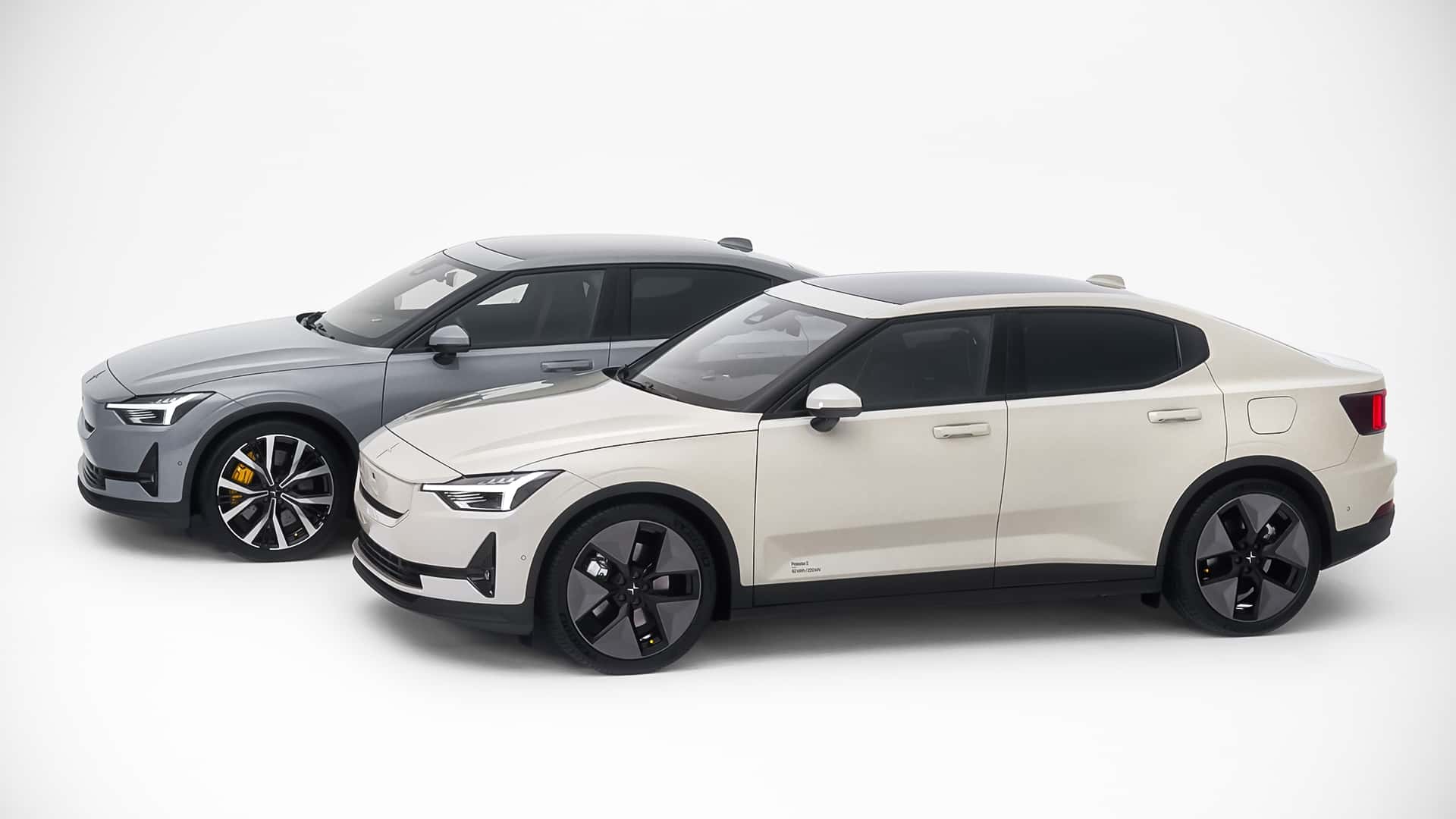
The Swedish brand, now under the umbrella of Volvo and Geely, is banking on an innovative approach with its new Grid Rewards. This system allows users of the Polestar 2 and Polestar 4 to charge their vehicles in a way that benefits the electric grid. In the US and Germany, this initiative is partnered with Octopus, offering a unique opportunity to save money while supporting a necessary energy transition.
A Charging Strategy That Supports the Grid
The Smart Charging concept is based on a simple principle: charge your car when electricity is abundant and cheaper. This reward system encourages drivers to adjust their charging habits. In essence, it’s a call for collective responsibility to ease the electric grid during peak consumption times.
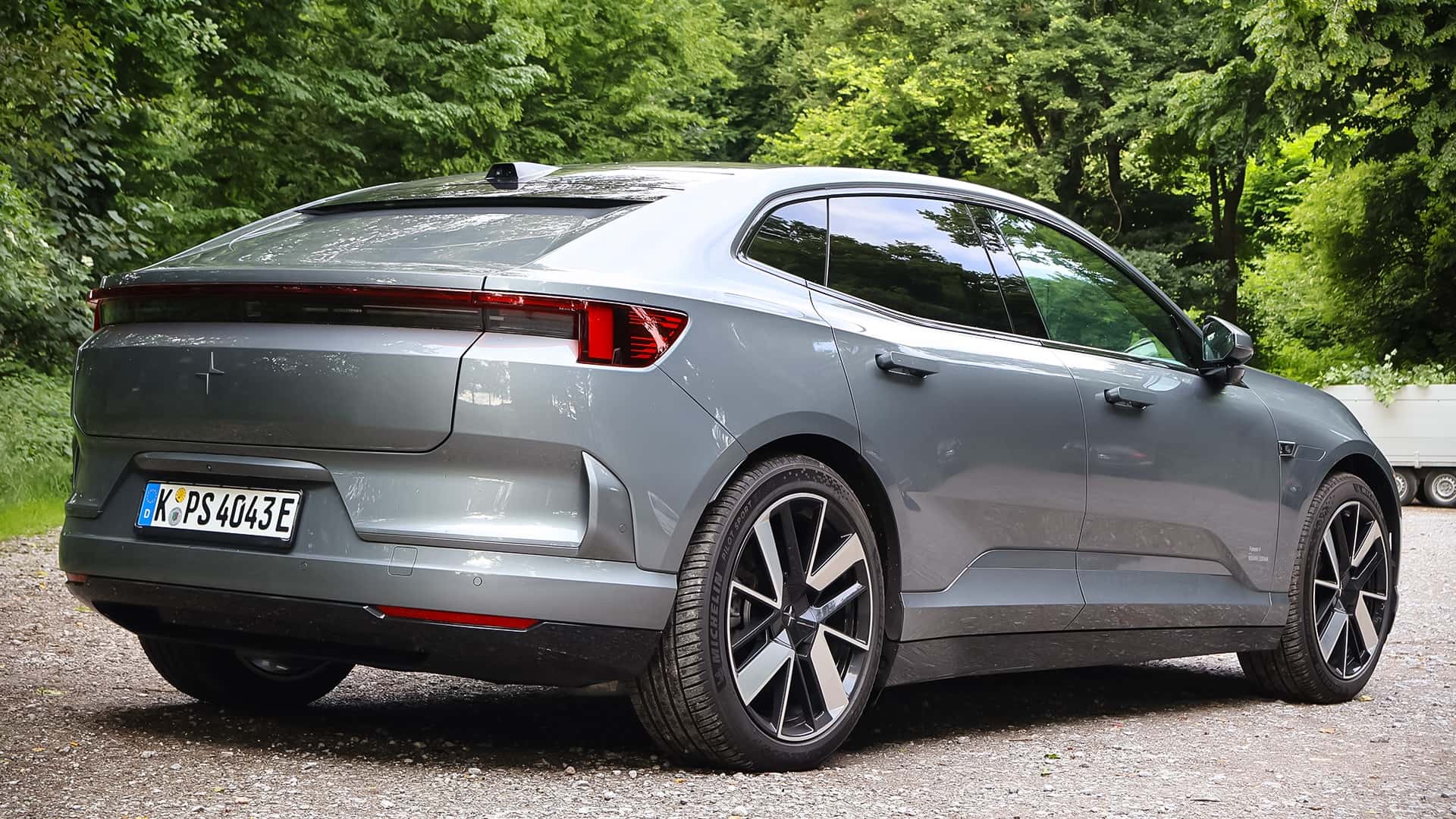
To benefit from Grid Rewards, users must sign up for a dynamic pricing electricity contract. This requires some consumer education, as they need to understand how to optimize their consumption. Polestar is not just selling a car; it’s inviting its customers to become active participants in energy management.
Energy Savings and Cost Reduction: A Win-Win Approach
The promise of reducing charging costs by up to 50% per session is enticing. Thanks to the SmartConnect bonus of $0.12 per kWh, users can achieve significant savings. This economic model could attract a broader audience, especially those hesitant to switch to electric for financial reasons.
In practice, this strategy could also enhance customer loyalty to Polestar. By offering a cost-effective solution, the brand positions itself as a responsible and innovative player in the increasingly competitive electric vehicle market.
Toward Energy Independence: The Future is Here
For those with solar installations, the ability to integrate energy storage into this strategy is a significant advantage. In winter, when solar production is low, the system allows for charging the stationary battery at more favorable rates while earning additional bonuses. This mechanism could appeal to eco-conscious consumers seeking energy independence.
The question then arises about the accessibility of these technologies. While Polestar facilitates access to these solutions, it remains to be seen how the market will respond to the emergence of these new practices. Will consumers be ready to change their habits to benefit from these savings?
A Masterstroke Against the Competition
By integrating smart charging into its models, Polestar is shaking up the status quo in the automotive sector. While brands like Tesla have already set high standards in technology and user experience, Polestar seems poised to take a strategic turn that could redefine its image.
With this initiative, Polestar is not just selling cars; it’s offering a vision of a sustainable future. This shift could encourage other manufacturers to follow suit, making electric mobility more accessible and economically viable.
A Long-Term Vision: What Are the Implications?
In the medium term, this strategy could have significant repercussions on the electric vehicle market. As environmental regulations tighten, consumers will be increasingly encouraged to adopt electric vehicles. Polestar’s ability to integrate smart charging into its offerings could provide it with a distinct competitive advantage.
However, the success of this initiative will also depend on the response from other market players. If competitors adopt similar strategies, it could lead to a quiet revolution in the automotive sector. Consumers may then face a choice: opt for a brand that helps them reduce costs or settle for a conventional offering without notable innovations.
In Summary
- Polestar introduces smart charging to reduce energy costs.
- The Grid Rewards system encourages responsible consumption.
- Integrating solar solutions enhances energy independence.
- This strategy could redefine the electric mobility landscape.
- In the medium term, it could prompt other brands to follow this model.
In conclusion, Polestar’s initiative represents much more than just a technological addition. It illustrates a clear intent to redefine consumer expectations while participating in a necessary energy transition. For those looking to combine savings with environmental responsibility, Polestar models seem to offer a relevant solution. However, the sustainability of this approach will depend on market evolution and the competitive responses that are sure to emerge.


