


A recent breakthrough in lithium-ion battery technology questions the supremacy of solid-state technologies. While global research focuses on solid-state solutions, a Chinese team has demonstrated that unprecedented performance can be achieved without abandoning liquid electrolytes. This strategic shift could reshape the electric mobility landscape.
Record Energy Density: 700 Wh/kg
The key to this achievement lies in the innovative composition of the electrolyte, which combines fluorinated hydrocarbon solvents. With an energy density reaching 700 Wh/kg—over three times the current average—this lithium-ion battery opens enticing prospects. To put this in perspective, the energy density required for aerospace applications is at least 400 Wh/kg, highlighting the significance of this advancement.

Potential applications are vast, ranging from electric cars to drones and humanoid robots.
This research, led by Professor Zhao Qing and his colleagues from Nankai University and the Institute of Space Power Sources in Shanghai, was published in the international journal Nature. The importance of this discovery lies not only in the numbers but in the implications it could have for the automotive industry and beyond.
Challenges to Overcome for Widespread Adoption
Despite these promising results, several obstacles remain. Traditional electrolytes based on lithium salts and carbonate-based solvents limit the energy density of cells. Their presence in large quantities not only hampers performance but also complicates charge transfer, especially at low temperatures. The new solutions developed in China promise to maintain an energy density of 400 Wh/kg even at -50 °C, a significant advantage for harsh climates.
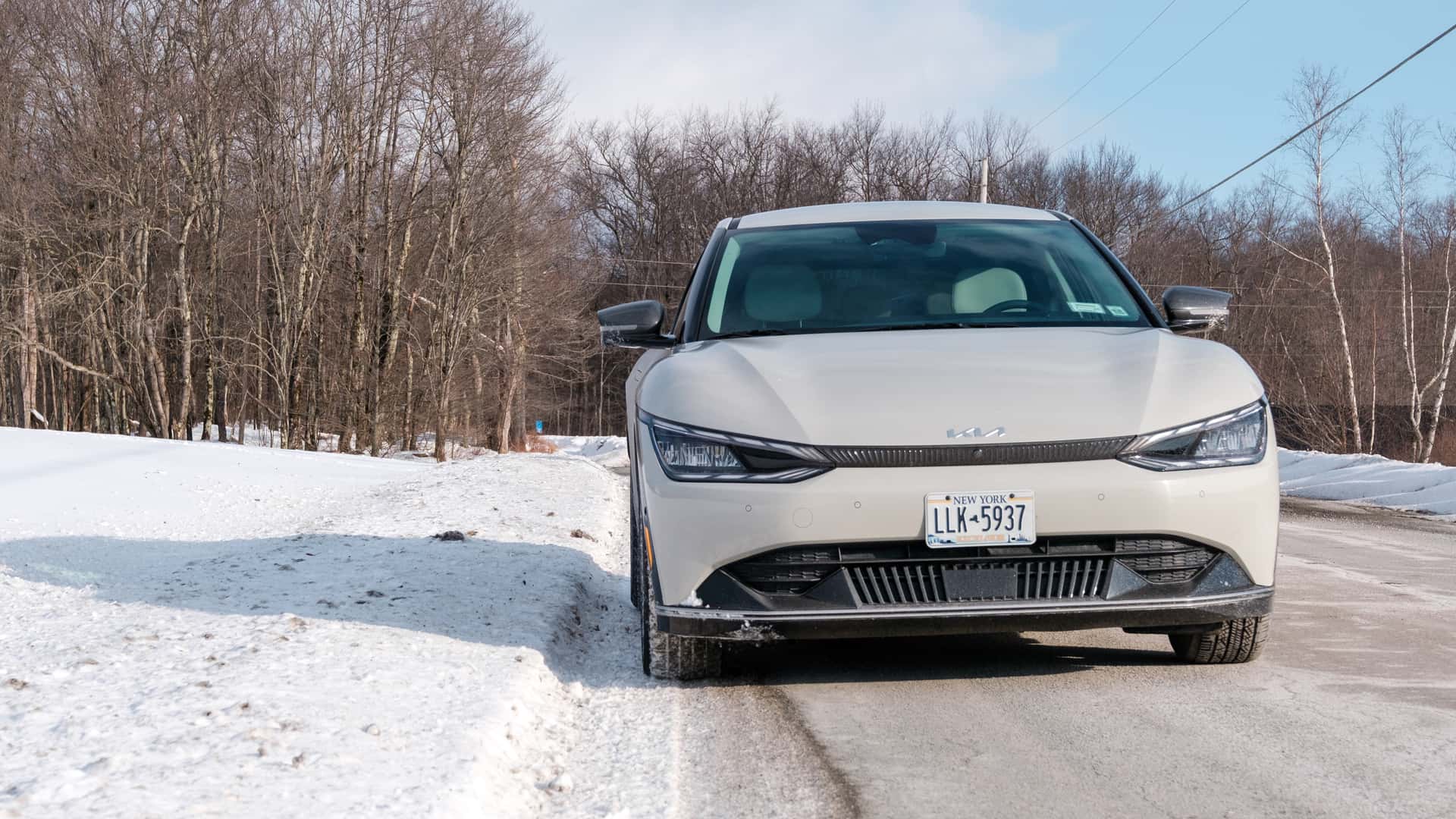
The performance of lithium-ion batteries can drastically decrease in extreme temperatures.
To successfully operate these batteries, overcoming technical challenges is crucial. Zhao Qing emphasizes the need to effectively dissolve lithium salt through fluorine coordination, as well as precisely adjusting the electronic density of fluorine atoms and the steric hindrance of solvent molecules. This presents a scientific puzzle that could determine the future of this technology.
Strategic Implications for the Automotive Industry
If these conventional lithium-ion batteries manage to carve out a market presence, it could challenge the massive investments made by automakers in developing solid-state batteries. Indeed, solid-state solutions have long been considered the inevitable future of electric mobility. The real issue is that automotive giants may find their strategies questioned, as the return on investment for their projects may prove less promising than anticipated.
Toward a Diversification of Energy Technologies
It is essential to consider that this discovery does not necessarily signal the end of solid-state batteries. On the contrary, it could encourage a diversification of energy technologies. Manufacturers might adopt a hybrid approach, combining different technologies to optimize performance and reduce costs. As competition intensifies in the electric vehicle market, this flexibility could become a major asset.
A Look Ahead: Opportunities and Threats
In the medium term, the emergence of this innovative lithium-ion battery could influence not only the automotive sector but also the drone and robotics industries. The potential applications are vast, but it remains to be seen whether this technology can truly establish itself against solid-state batteries. Market players will need to navigate carefully between innovation and profitability while keeping an eye on environmental regulations that could shape future development.
In Summary
- An innovative lithium-ion battery achieves 700 Wh/kg, challenging solid-state technologies.
- Technical challenges remain for widespread adoption.
- This advancement could disrupt automakers’ strategies.
- Diversification of energy technologies is likely.
- Implications extend beyond automotive, impacting drones and robots.
Conclusion: This strategic shift in battery technology could redefine the priorities of electric mobility players. Who is it for? Manufacturers looking to optimize costs and performance. Alternatives? Solid-state batteries remain relevant, but competition is heating up. Strengths: unmatched energy performance. Limitations: technical challenges to overcome for effective commercialization.


