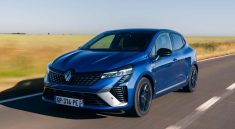
The Toyota Highlander, a well-known name, is making its grand return as an electric three-row SUV. After a timid first foray into the world of electric vehicles with the bZ4X, Toyota seems finally ready to boldly embrace the future. This model promises not only a futuristic design but also performance that could well attract electric vehicle enthusiasts.
A Name That Inspires Confidence
Calling its first electric vehicle bZ4X may not have been the best idea for a manufacturer whose customers are used to simple, reliable, and easy-to-remember names. That’s why Toyota is making the wise choice to return to familiar names with its new electric SUV. The Highlander is a name that evokes sturdiness and space, two essential qualities for a family vehicle. This shift towards a more accessible name could play in its favor in an increasingly competitive market.
A Glimpse of the Design
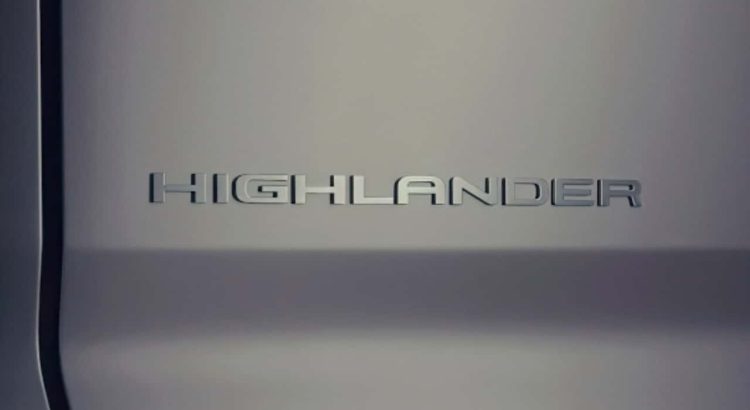
While many technical details remain a mystery, Toyota has already revealed some elements of the electric Highlander design. Its hatchback is clearly distinguishable, adorned with the model’s iconic name, as well as a dual rear light signature that gives it a modern and elegant look. Inspired by the bZ Compact SUV Concept presented in 2021, the Highlander’s design is set to be significantly sleeker and more futuristic than its thermal predecessor. Its dynamic silhouette and almost coupe-like glass give the model a road presence that will not go unnoticed.
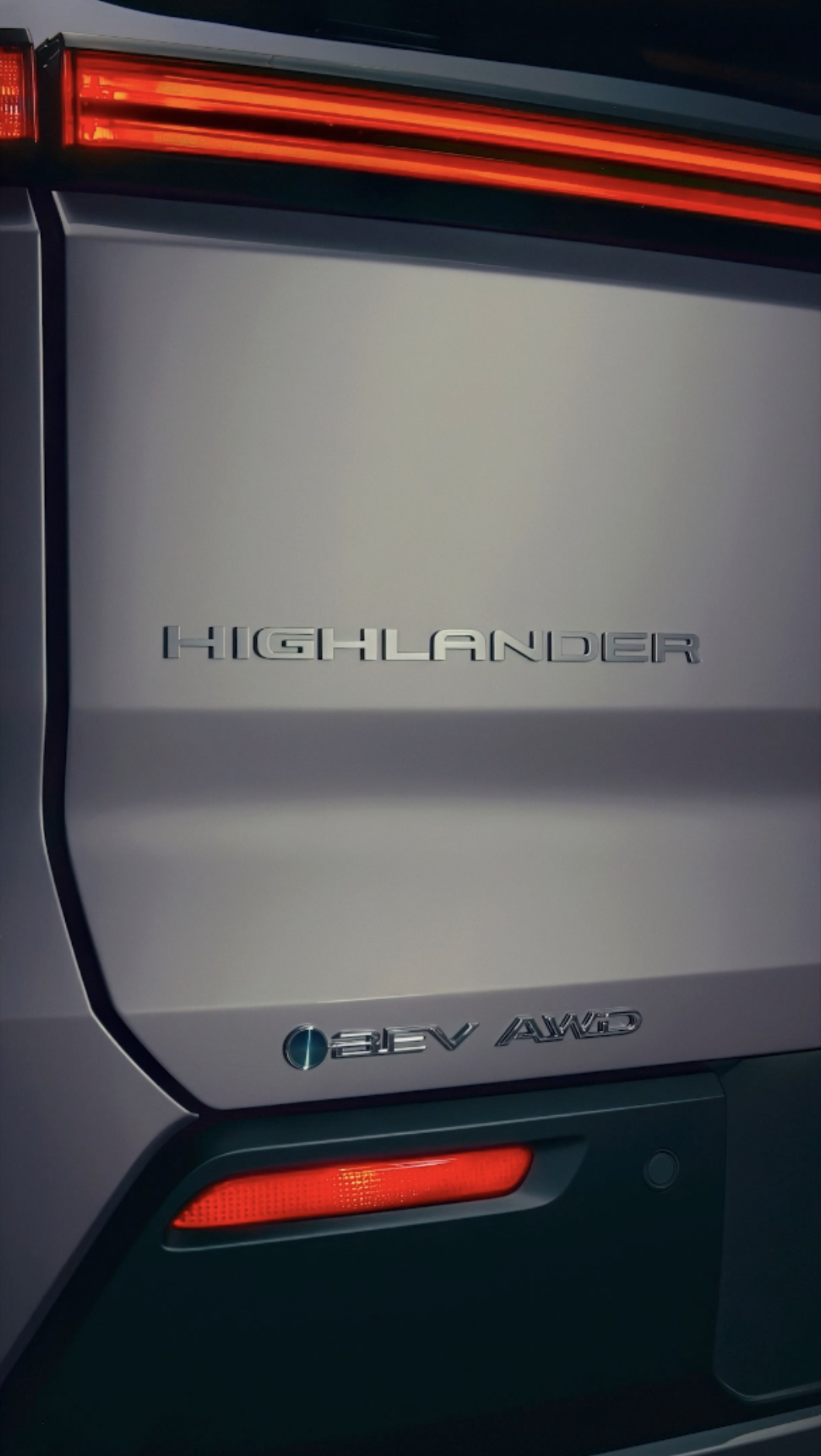
Photo: Toyota
Performance and Range: High Expectations
Regarding the powertrain, little information is circulating at the moment. However, it is reasonable to think that the Highlander will adopt a dual-motor configuration with all-wheel drive, as indicated by the “AWD” badges visible in the teasers. While the 74.7 kWh pack of the bZ4X serves as a reference point, it is highly likely that Toyota will integrate a higher-capacity battery for the electric Highlander.
An EPA-rated range of about 483 km would seem logical for a large electric SUV in the current environment. Toyota also states that it is working on higher energy density batteries, which suggests faster charging times. While the idea of a range of 1,000 km on a single charge is appealing, it is unlikely that the Highlander will reach this mythical figure at launch.
A Much-Awaited Launch
The model will be fully unveiled tomorrow, on February 10, a date when enthusiasts hope to discover all the technical features and innovations it will offer. Toyota’s ramp-up in the electric vehicle segment could mark a turning point for the brand, which seems finally to be taking these models seriously. The electric Highlander responds to a growing market demand for eco-friendly family SUVs, thus providing a valuable opportunity.
A Formidable Competitor
Lexus, Toyota’s premium brand, is not sitting on the sidelines. It is also working on its own version of this SUV, set to be more luxurious and expensive, under the name TZ. While the presentation date has not yet been confirmed, these two models are expected to directly compete with rivals such as the Hyundai Ioniq 9 or the Cadillac Vistiq. The competition promises to be fierce, but with a strong name like Highlander, Toyota seems to have a trump card to play.
In summary, the electric Toyota Highlander is shaping up to be a major player in the electric SUV market. With its bold design, expected performance, and a name that inspires confidence, it could well attract many buyers looking for a spacious and modern vehicle. It remains to be seen if the price will align with market expectations, as after all, a good product must also be accessible.