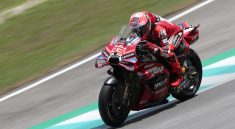
The postponement of the 1812 km Qatar race by the WEC highlights the dilemmas faced by motorsport caught in geopolitical turmoil. While safety is paramount, this decision raises questions about the season’s dynamics and the economic stakes involved.
Explosive Geopolitical Context
The postponement of the 1812 km Qatar race, originally set to kick off the 2026 World Endurance Championship, is more than just an administrative decision. It unfolds against a backdrop of escalating tensions in the Middle East, fueled by conflicts involving the United States, Israel, and Iran. The repercussions of these events affect not only the safety of participants but also the WEC’s image, which must balance sporting passion with societal responsibilities.
A Predictable Decision with Heavy Consequences
Nonetheless, this postponement was anticipated. The joint military action by the U.S. and Israel raised palpable concerns about the safety of sports infrastructure in the region. The proximity of the American base in Manama, near the Sakhir circuit, was a determining factor in this decision. In essence, the safety of drivers and the public is inseparable from the image the WEC projects. It’s a tough blow for fans and teams alike, who must now reassess their schedules and budgets.
A Necessary Reorganization for the WEC
With this change in plans, the WEC must now consider reorganizing its season. The 6 Hours of Imola, scheduled for April 19, will become the official season opener. This calendar shift could alter the preparation dynamics for teams and influence on-track performance. Practically, it may also impact car development strategies, as teams will need to adjust their setups according to the new season configuration.
Economic Stakes at Play
The postponement of a major event like this carries significant financial implications. Sponsors and partners have specific expectations regarding visibility and return on investment. A delay can lead to revenue losses for teams and organizers, as well as for circuits that rely on these events to boost their activity. The question now is how the WEC will compensate for these losses, particularly in terms of broadcasting rights and commercial partnerships.
Communication at the Heart of Strategy
In this delicate context, communication becomes crucial. WEC leaders, such as Mohammed Ben Sulayem and Frédéric Lequien, have emphasized safety as an absolute priority. This approach aims to reassure stakeholders while preserving the championship’s image. Simultaneously, it is essential for the WEC to maintain an open dialogue with its fans, as their support is vital for navigating this turbulent period.
An Uncertain Yet Promising Future
In the medium term, this postponement could also redefine the WEC calendar for upcoming seasons. The necessary adjustments might present an opportunity to innovate in race formats or integrate new technologies. Flexibility in event organization will be essential to adapt to new geopolitical realities. Drivers will also need to demonstrate agility to perform in an ever-evolving environment.
In Summary
- The WEC postpones the 1812 km Qatar race for safety reasons.
- This postponement impacts the season’s dynamics and team budgets.
- The 6 Hours of Imola becomes the official season opener.
- Communication around this decision is crucial to reassure stakeholders.
- The future of the WEC may include innovations in response to current challenges.
In conclusion, the WEC faces a significant turning point. Who is it for? For teams, sponsors, and fans eagerly awaiting the season’s start. Alternatives to consider include enhanced safety measures and a reevaluation of circuits worldwide. The strengths lie in the passion of motorsport stakeholders, while the limitations are rooted in persistent geopolitical uncertainties that could affect the future calendar.