The European automotive world is undergoing a major transformation, and diesel has just received a monumental blow. For the first time in history, plug-in hybrid electric vehicles (PHEVs) have surpassed diesel sales in the market, heralding a new era for the industry. Just imagine: PHEVs, which were barely a whisper fifteen years ago, are now topping the charts, leaving diesel on the roadside, breathless and disillusioned.
A historic upheaval
The numbers are as clear as day: according to data provided by the European Automobile Manufacturers Association (ACEA), PHEVs account for about 9.4% of new car sales in Europe during the first ten months of 2025. In contrast, diesels now stand at only 8%. A turnaround that would have been unthinkable a few years ago, when diesel dominated more than half of the market. One could almost hear the creaking engines of older models, realizing they are no longer the kings of the road.
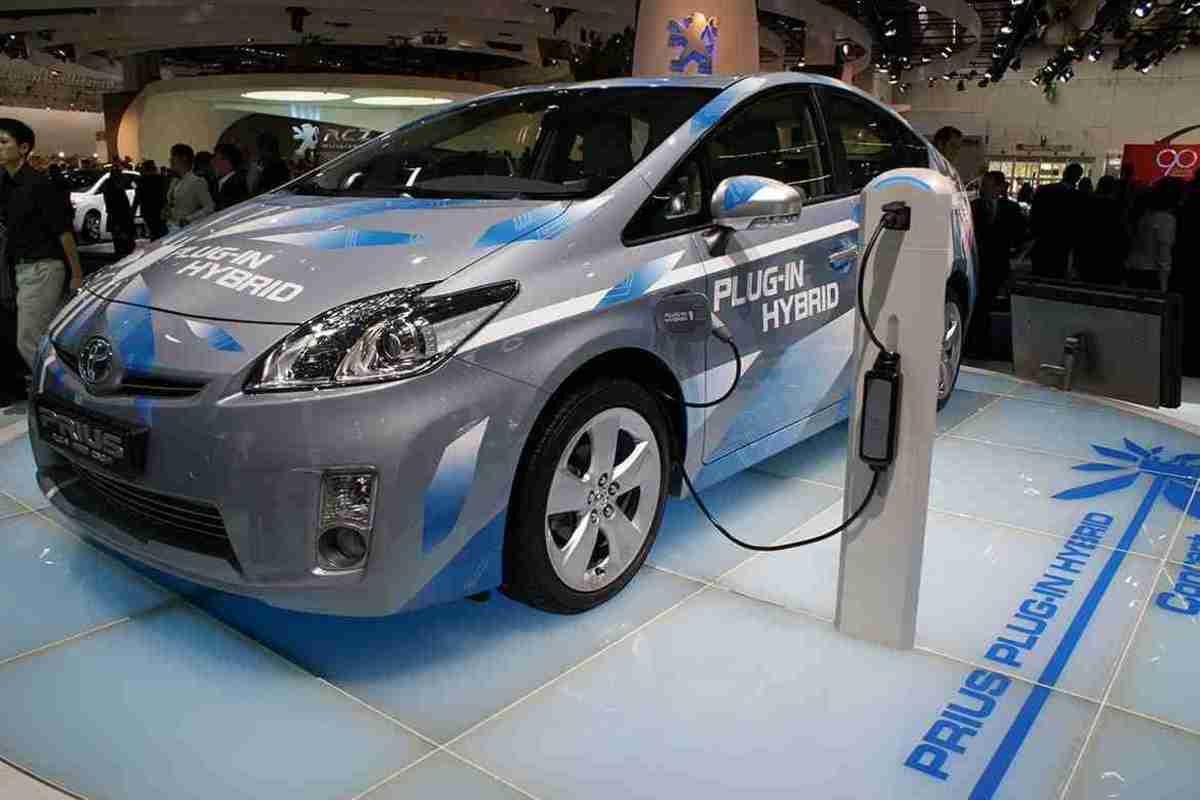
This reversal can be explained by a growing trend among European buyers towards electrified models, which offer greater flexibility compared to fully electric cars. With the rise of PHEVs, which benefit from tax incentives and exemptions from low emission zones, drivers find an appealing middle-ground solution. A sort of sandwich between two slices of electric bread, if you will. These plug-in hybrids allow motorists to navigate between electric and gasoline without too much hassle.
The decline of diesel and the rise of PHEVs
Diesel has been in decline for nearly a decade, but 2025 marks the tipping point where it is finally surpassed by a powertrain that was barely on the European radar. Stricter emission regulations have made the design and certification of diesel cars more expensive. And with the numerous emission scandals that have tarnished this technology, let’s just say public trust is not what it used to be. Diesel now finds itself in the unenviable position of a boxer in the ring, staggering after a hard hit.
On the other hand, PHEVs are riding a wave of popularity thanks to their technological advancements. Today, these vehicles can travel much longer distances solely on battery compared to previous models. Imagine being able to make your daily commute without ever having to switch to gasoline mode. For those who are not yet ready to leap into the pure electric world or who live in areas where charging stations are as rare as unicorns, the PHEV represents a practical compromise.
The stakes of this evolution
This event marks a decisive change in the hierarchy of powertrains in Europe. PHEVs have now risen above diesel, and regulators expect this gap to widen further with the implementation of Euro 7 standards and plans for a gradual phase-out of combustion engines. For automakers, the message is clear: the future of diesel in Europe seems sealed. Those who continue to invest in this technology will need to be agile, either by pivoting towards PHEVs or by reserving diesel for commercial fleets where demand remains stable.
For us, this change primarily evokes a question of practicality. PHEVs offer the peace of mind of a gasoline engine combined with genuine electric capability. It’s an attractive balance in a landscape where access to charging varies significantly from country to country. If PHEVs continue to grow at this pace, they could become the go-to option to guide Europe towards the long-awaited electrification, while diesel sinks into a niche role much sooner than expected.

Future prospects
As this hybrid revolution gains momentum, it is essential to keep an eye on the global electric vehicle market. Even renowned luxury brands are beginning to reassess their commitments to pure electric vehicles. Take Bentley, for example; the brand has recently stepped back from its exclusive commitment to a 100% electric lineup. This clearly shows that even industry giants feel the pressure and are adapting to a constantly evolving landscape.
In this complex dance between technological innovation and environmental regulations, it is fascinating to observe how each manufacturer attempts to navigate these turbulent waters. The future may belong to plug-in hybrids, which could well become the unsung heroes of our automotive era. With such momentum in play, it would be wise for any car enthusiast to stay alert to this major transition that is redefining our relationship with the road.
Official sources: