Change in governance at Toyota: the energetic Kenta Kon takes the reins of the brand on April 1, 2026, while Koji Sato focuses on the industry. A transition that could redefine the priorities of the Japanese giant in the face of electrification and new technology challenges.

Numbers at the Helm of the Giant
Toyota is undergoing a major reorganization at the top of its management. Starting April 1, Kenta Kon, previously the Chief Financial Officer (CFO), will be the new President and CEO of the group. Meanwhile, the current CEO Koji Sato will take on the roles of Vice Chairman and Chief Industry Officer. This change is part of a desire to better respond to current economic and sectoral challenges.
This reorganization is not just a matter of positions, but a strategic response to the growing complexity of the automotive sector. Sato, 56, has recently seen his responsibilities expand, becoming President of the Japan Automobile Manufacturers Association and Vice Chairman of Keidanren, the influential business organization in Japan. The redistribution of roles seems to be a necessity to navigate a rapidly changing environment.
From Finance to the Driver’s Seat
This transition symbolizes a new era for Toyota. The focus shifts from emblematic engineering to more rigorous financial management and increased attention to global challenges, including electrification, software, and trade tensions. In a world where competition is becoming increasingly fierce, the new leadership will have to juggle these multiple issues.
The appointment of Kon, a numbers expert, is a first in Toyota’s recent history, where engineering has long been at the core of leadership. His predecessor, Akio Toyoda, took the reins in 2009, advocating for a return to “ever-better cars.” Today, with a financial leader at the helm, the automaker may well redirect its priorities.

Kenta Kon, the new CEO of Toyota
At 57, Kon is recognized as one of the architects of the brand’s record results. Appointed CFO for the first time in 2020, he weathered the storm of the pandemic and the global semiconductor crisis. After holding other responsibilities, he returns to this key position with a renewed vision.
Alongside his role at Toyota, Kon is also CFO of Woven by Toyota, the branch dedicated to automated driving technologies and software development, adding an innovative dimension to his already impressive profile.

Koji Sato, former CEO, focuses on industrial issues
The Results of the Sato Era
Koji Sato, an engineer by training who has excelled at Lexus, was appointed CEO in January 2023, directly succeeding Akio Toyoda. Under his leadership, Toyota has maintained its global leadership, notably thanks to encouraging figures: 11.3 million vehicles sold in 2025, a record driven by strong demand in the United States and the success of hybrid technologies.
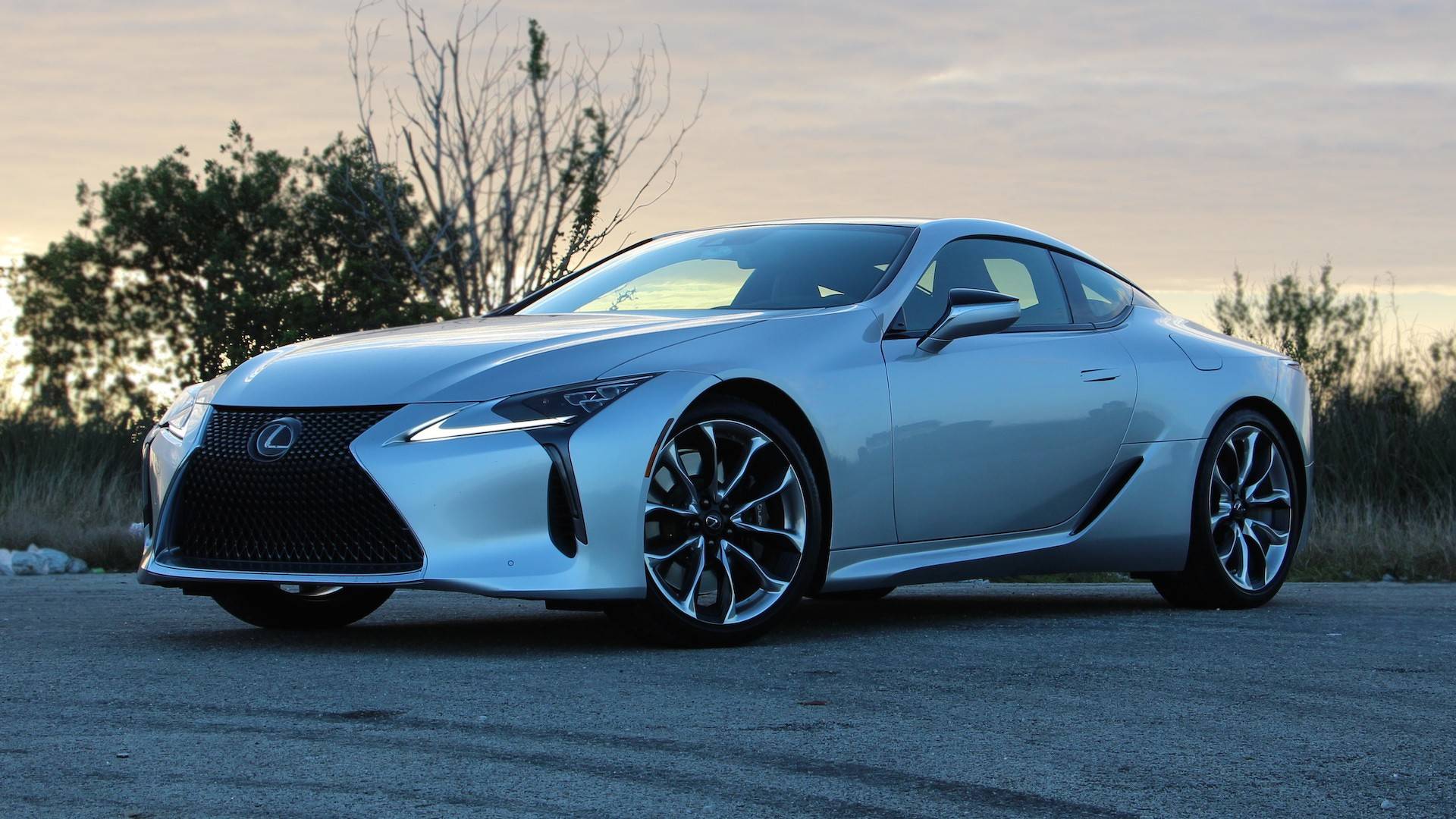
The Lexus LC 500 propelled Sato to the top of Toyota
American production also set a new record with a 9.8% increase, reaching 1.4 million units. This success is attributed to the increase in locally manufactured models, allowing Toyota to respond more effectively to market needs.
From an industrial perspective, the automaker continues to adopt a multi-technology strategy, combining hybrids, plug-in hybrids, and battery electric vehicles. In 2024, a new generation of batteries was announced, accompanied by a completely redesigned electric platform. Meanwhile, the Woven City project, a true urban laboratory at the foot of Mount Fuji, aims to test autonomous and zero-emission mobility solutions.
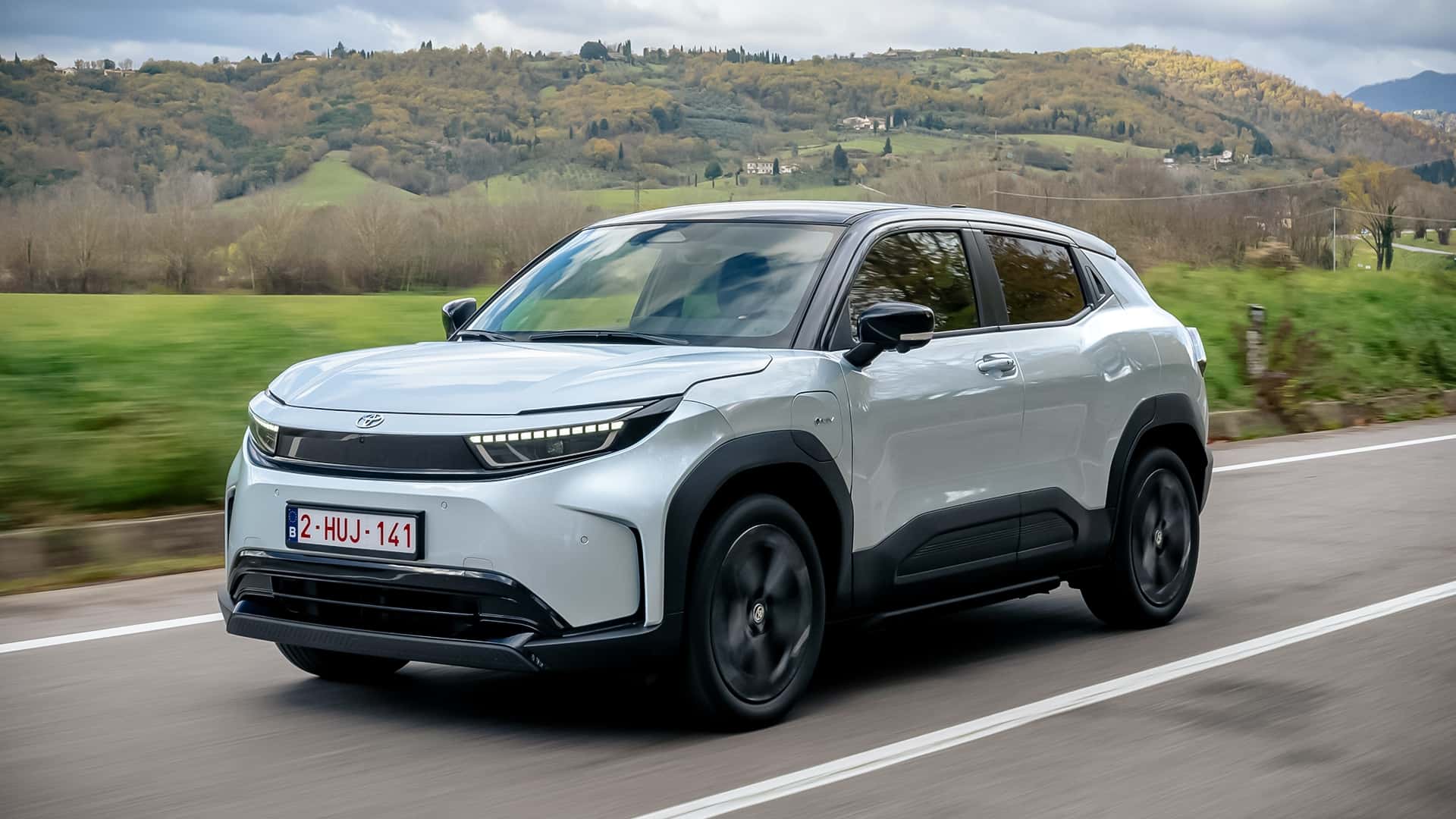
Toyota Urban Cruiser (2026), a glimpse of the future
A Reinvented Organization
With this new organizational structure, Sato retains a strategic role focusing on systemic issues and the evolution of the industry, while Kon takes charge of operational management. This duo promises to bring a new dynamic within the group.
In this context, the position of Chief Financial Officer will be taken over by Yoichi Miyazaki, current Executive Vice President and former head of the group’s finances. This appointment, also effective April 1, completes this renewed leadership team.
This new chapter for Toyota could mark a decisive turning point in its approach to the global automotive market. The Japanese brand will need to skillfully navigate between tradition and innovation to maintain its leadership position while meeting the expectations of an increasingly demanding clientele.