Volvo’s Bold New Direction: More Than Just SUVs on the Horizon
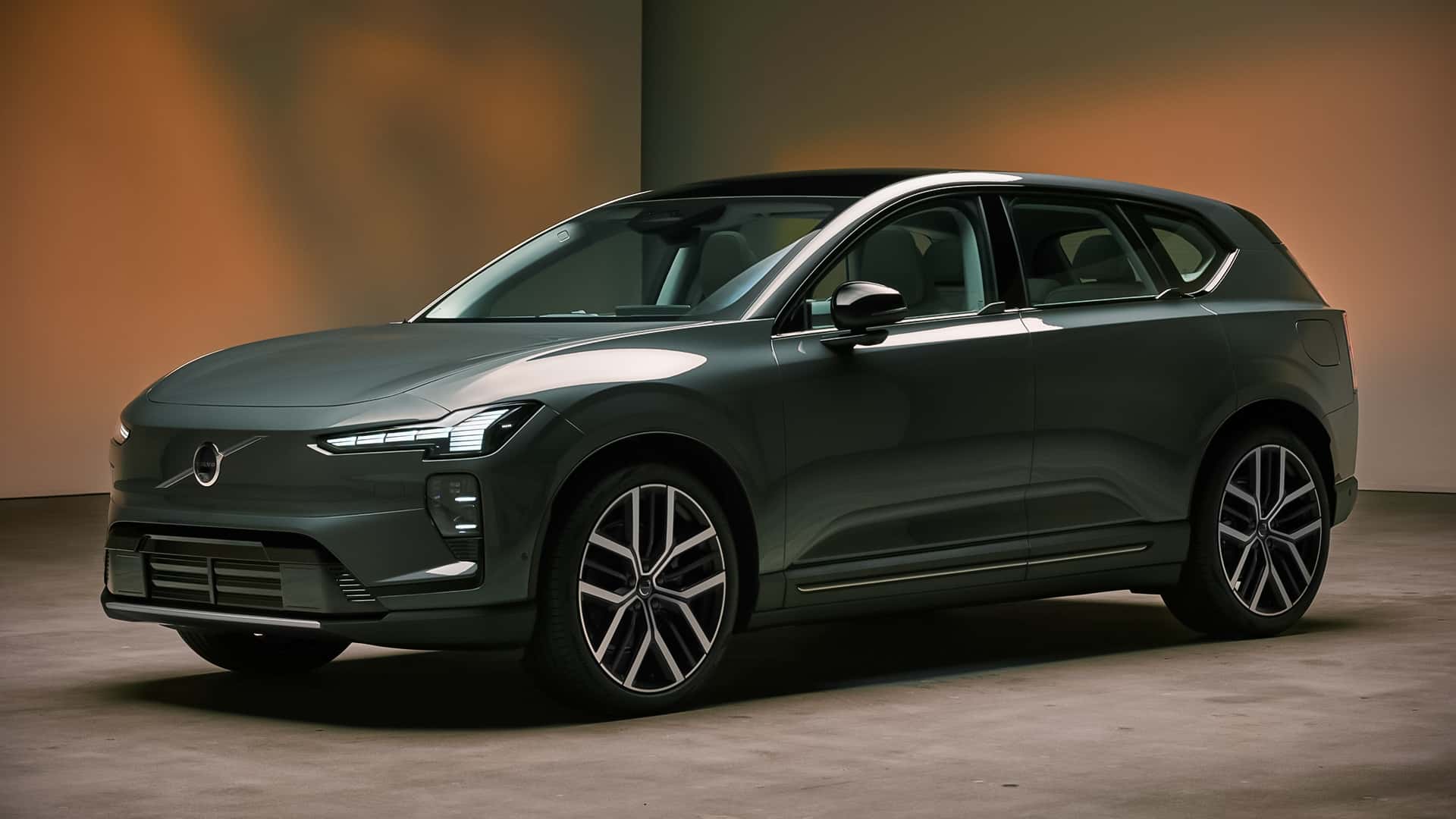
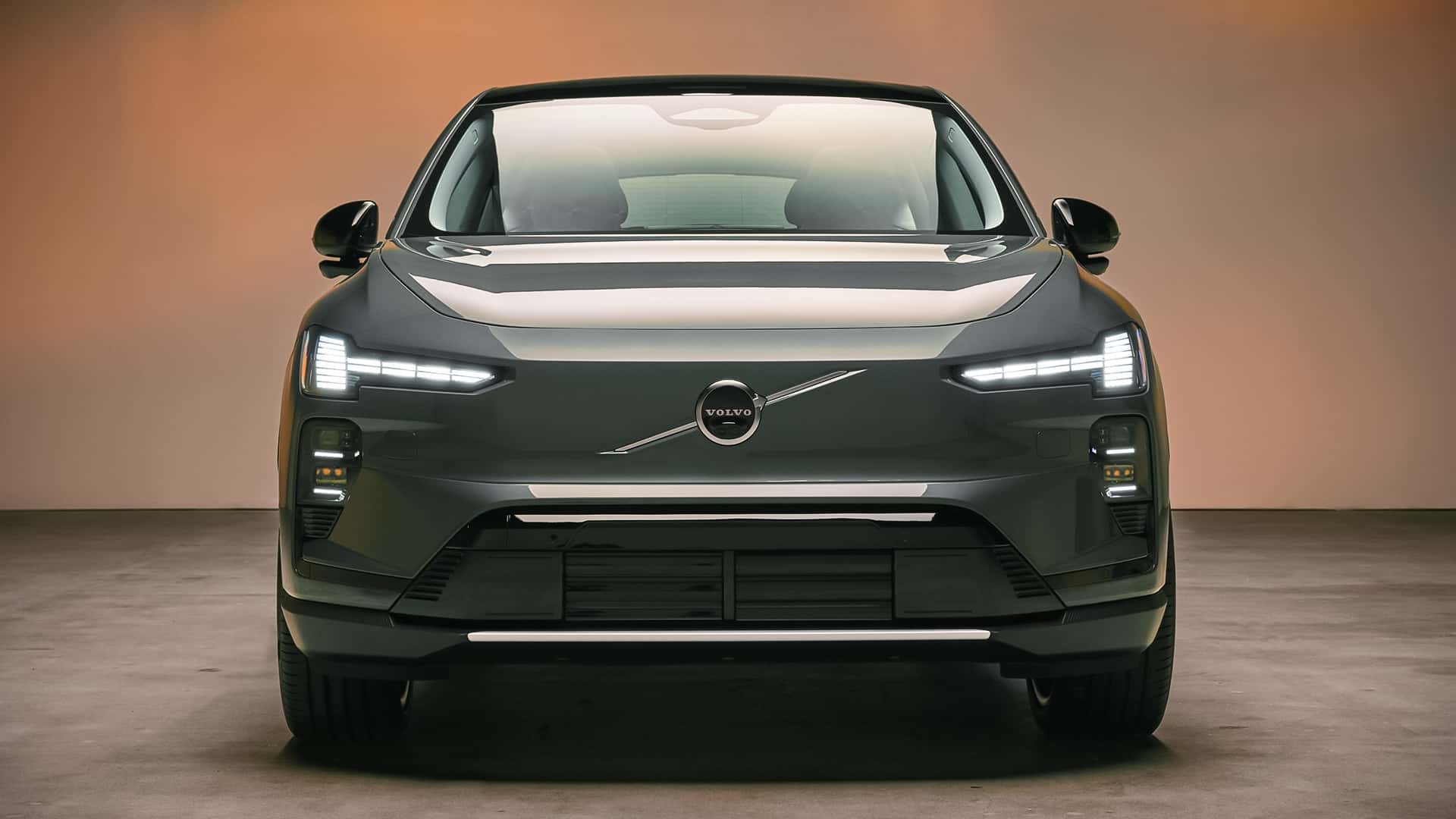
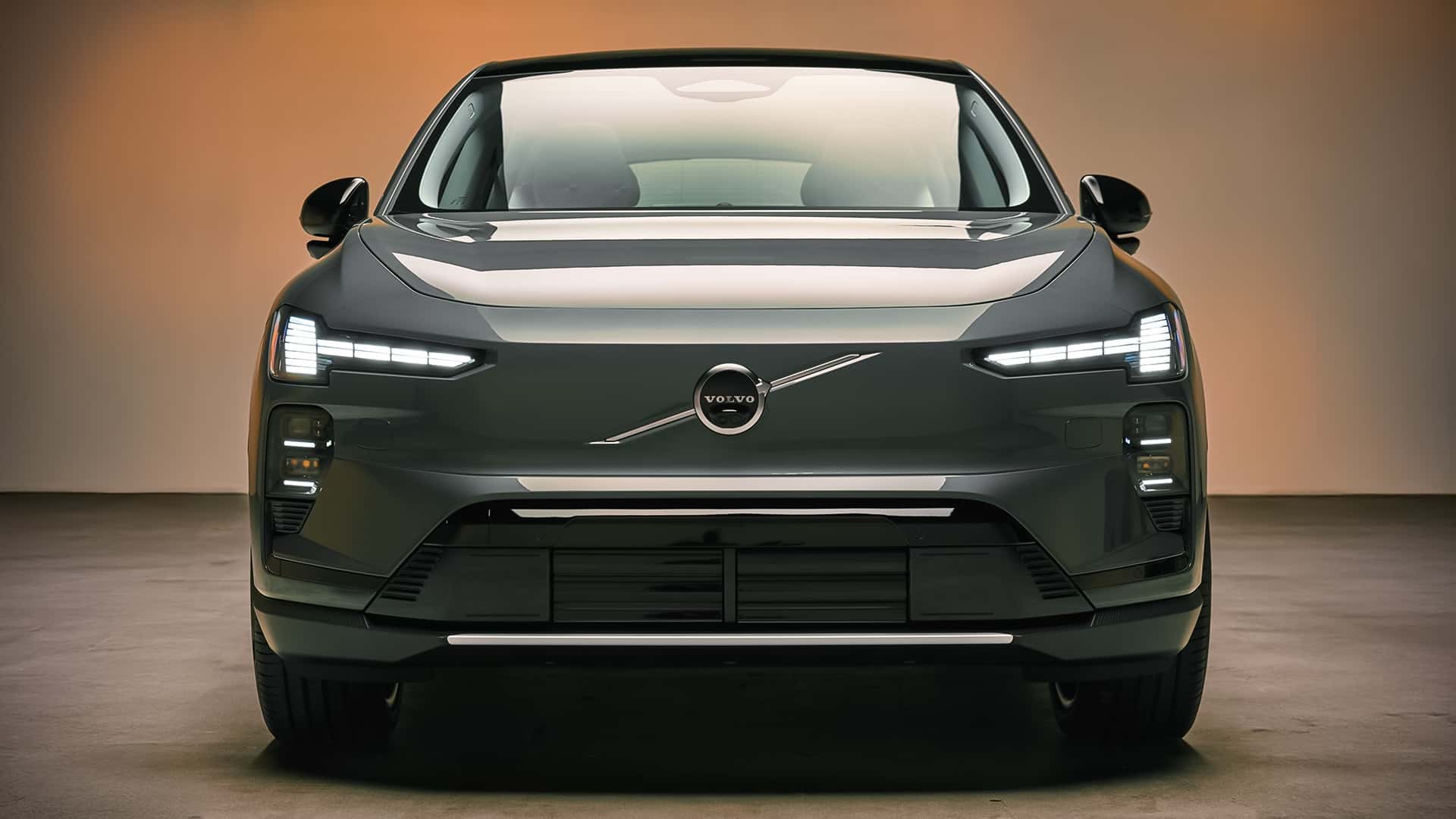
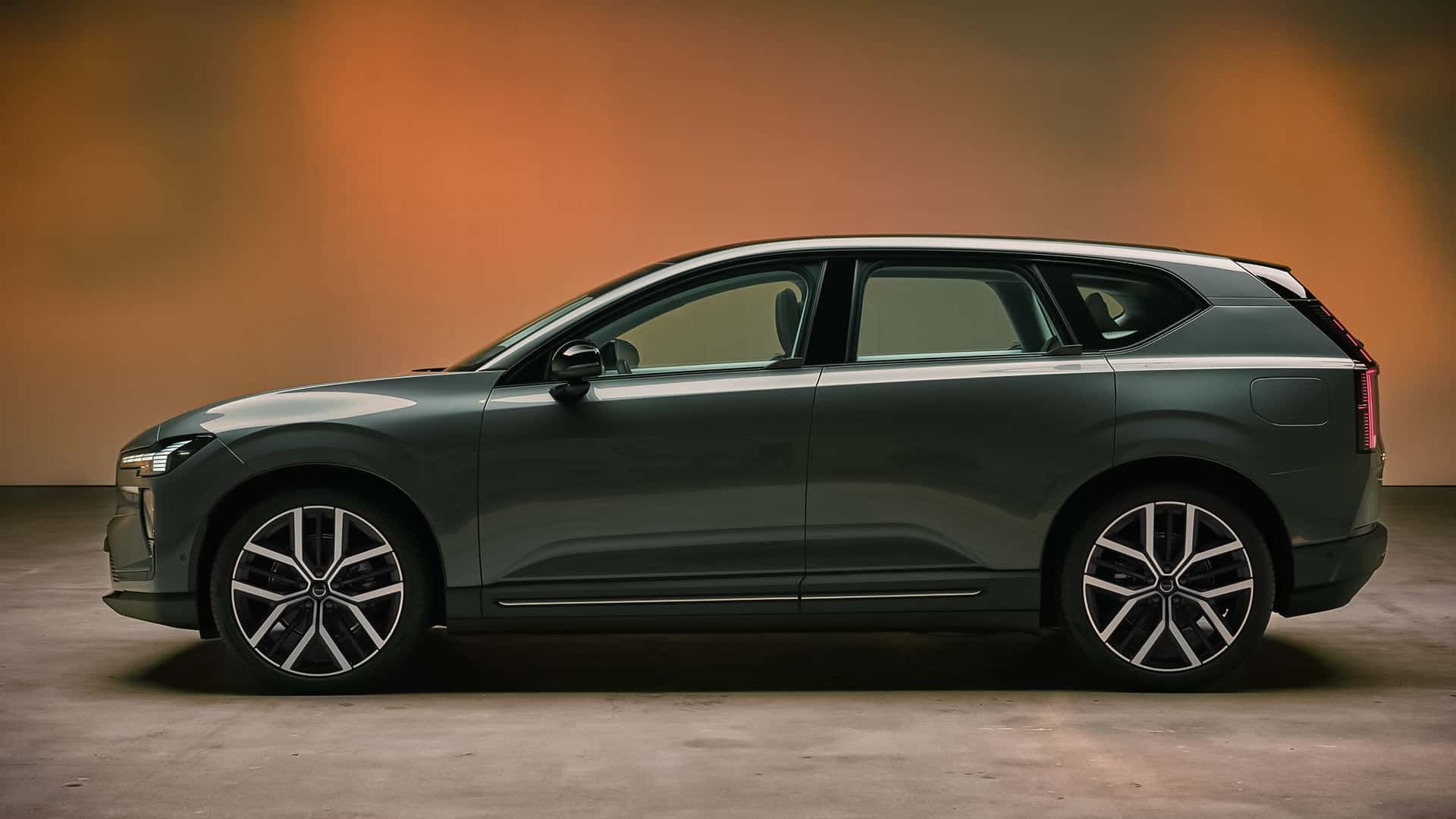
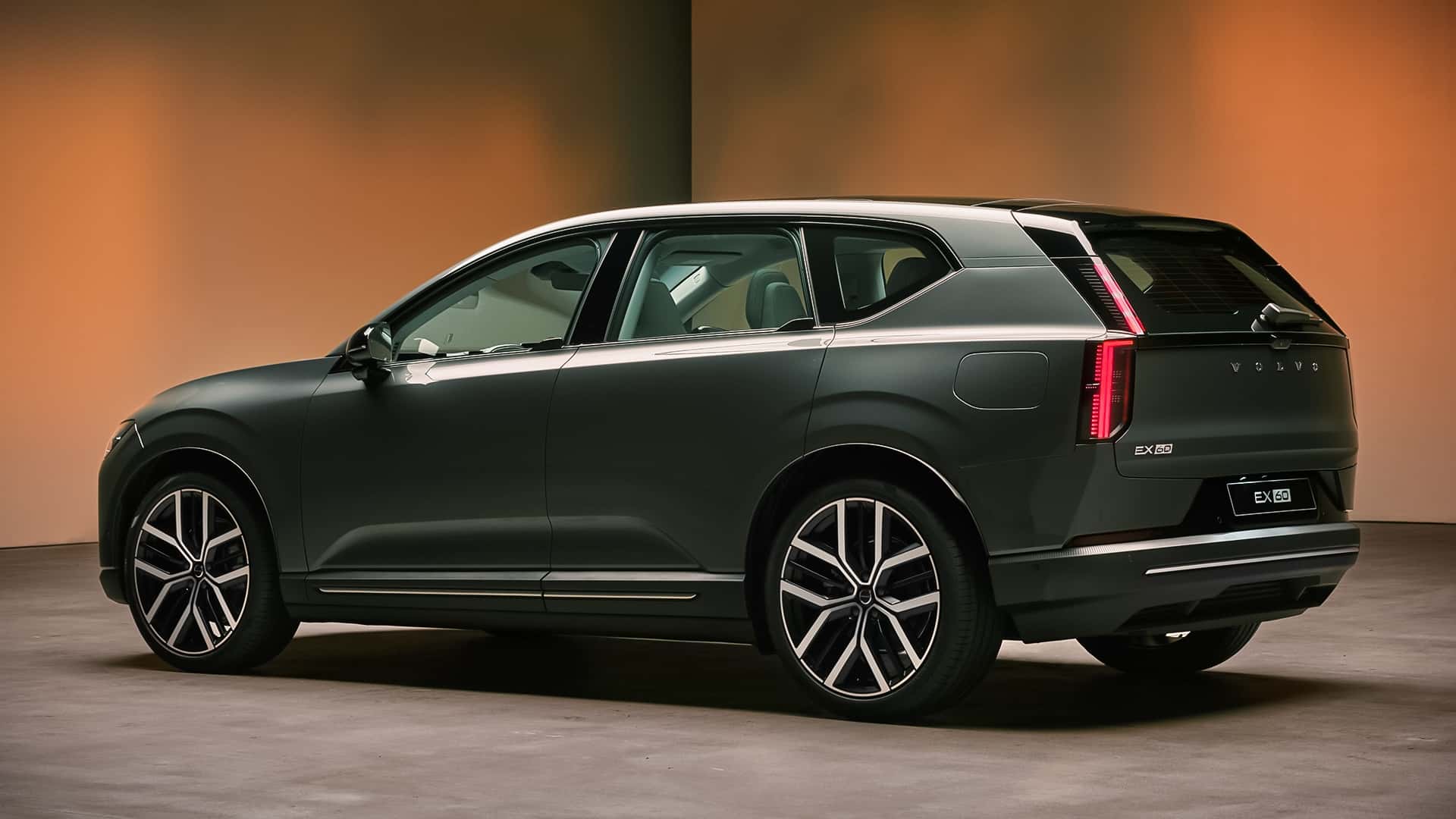
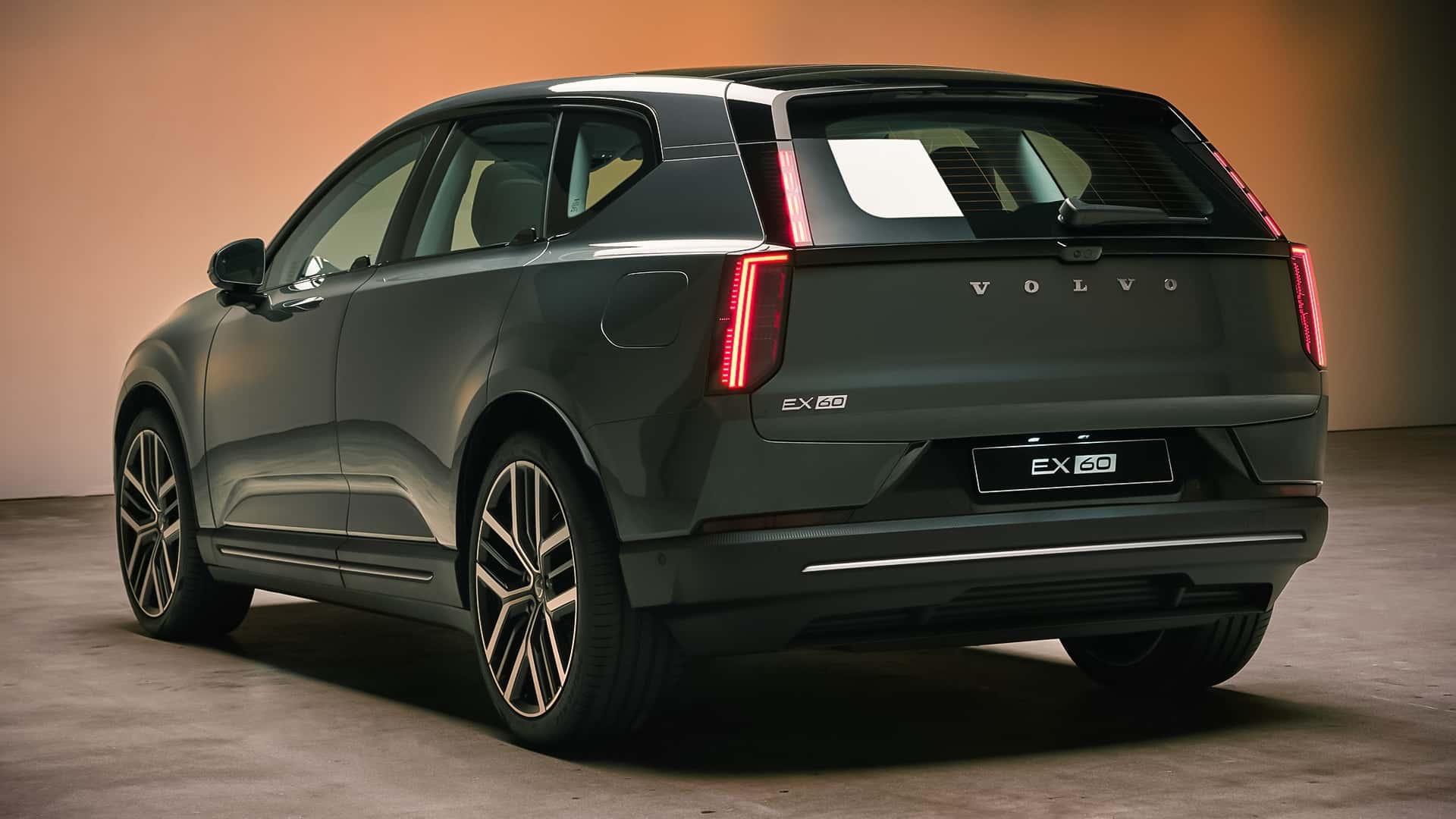
Volvo is gearing up for what it calls its “most ambitious product plan in its history,” and the first whispers suggest a significant departure from its current SUV-dominated lineup. While the Swedish automaker is still pushing hard towards an all-electric future, it’s also signaling a potential return to traditional car segments, offering a much-needed alternative for buyers tired of the high-riding trend.
The company is set to unveil two new electrified models soon, with a comprehensive strategy update slated for September 17. This signals a clear intent to shake things up, potentially bringing back sedans and wagons to markets where they’ve been largely sidelined. It’s a move that could reignite interest for a brand that, despite recent sales dips, remains a strong contender in the premium space.
Electrified, But Not Necessarily All-Electric
While Volvo remains committed to electrification, the upcoming models are described as “electrified,” which strongly suggests plug-in hybrid (PHEV) powertrains rather than fully electric offerings. This strategic nuance allows Volvo to expand its range without fully abandoning internal combustion, a pragmatic approach given the varied pace of EV adoption globally.
These aren’t expected to be entirely new vehicles from the ground up, but rather significant updates to existing PHEV models. Expect enhancements like larger battery packs for extended electric-only range, refined powertrains, and updated styling. It’s a sensible way to refresh the lineup and meet evolving customer demands for efficiency and performance, bridging the gap between traditional gasoline engines and pure battery power.
A Hint of Sedans and Wagons Returns
The most intriguing aspect of Volvo’s future product strategy is the rumored development of new sedans and wagons in Europe. This marks a potential comeback for traditional passenger cars, a segment Volvo has largely deprioritized in favor of its highly successful SUV range. The company’s CEO, Håkan Samuelsson, has publicly acknowledged this shift, stating that SUVs won’t be the sole focus in the coming years.
These new cars, possibly arriving in the US as early as 2028, would offer a much-needed alternative to the current SUV-only portfolio. While Volvo still sells the S90 in China and some Asian markets, and the S60 and V60 are available in select regions, a broader return to these body styles in key markets like North America would be a significant strategic pivot. The potential for a Cross Country variant of a new wagon further blurs the lines, offering a ruggedized option that appeals to both wagon enthusiasts and light-duty SUV buyers.
Ghent Factory: A Hub for More Than Just Volvos?
In parallel with its product development, Volvo is exploring a more flexible manufacturing strategy. The company has signed a Memorandum of Understanding with Belgian authorities to investigate ways to increase production capacity at its Ghent factory. A key aspect of this exploration is the possibility of contract manufacturing for other automotive brands.
Given Volvo’s ownership by the Geely Group, which boasts a diverse portfolio including Lotus, Polestar, Zeekr, and Lynk & Co, the opportunities for such collaborations are vast. This move could not only optimize factory utilization but also foster synergies within the larger Geely ecosystem, potentially leading to shared platforms or manufacturing efficiencies. It’s a sign of a more interconnected and adaptable automotive industry.
The Ambitious Plan Unveiled
The full scope of Volvo’s product roadmap will be detailed in its Strategy Update on September 17, following the reveal of the two new electrified models. This plan is being touted as the most ambitious in the company’s history, suggesting a comprehensive overhaul of its vehicle lineup and potentially its brand positioning.
While details remain scarce, the emphasis on both electrification and a potential return to car segments indicates a multifaceted approach. Volvo aims to cater to a wider range of customer preferences, balancing the global shift towards EVs with the practical realities and desires of buyers in various markets. This strategic flexibility could be key to its continued success.
What This Means for Buyers
For consumers, Volvo’s ambitious product push translates into more choice. The potential return of sedans and wagons, alongside updated PHEVs and the ongoing EV push, offers alternatives for those who find the current SUV trend uninspiring or impractical. This diversification could make Volvo a more compelling option across a broader spectrum of the premium market.
The focus on plug-in hybrids also provides a transitional technology for buyers not yet ready for a full EV. It offers the benefit of electric driving for shorter commutes while retaining the convenience of gasoline power for longer journeys, a practical compromise for many households. Volvo’s commitment to refining these technologies suggests improved performance and efficiency in the near future.
The Road Ahead: Challenges and Opportunities
Volvo faces the challenge of navigating a rapidly evolving automotive landscape, particularly in competitive markets like China where its sales have struggled. However, its strong performance in Europe and the US, coupled with its robust brand image, provides a solid foundation.
The success of this ambitious plan will hinge on Volvo’s ability to deliver compelling products that resonate with consumers. The blend of updated PHEVs and potentially new car models, alongside its existing EV offerings, presents a comprehensive strategy. The company’s willingness to explore contract manufacturing also hints at a more dynamic and collaborative future for its production capabilities.
Volvo’s Next Chapter: Key Takeaways
- Volvo is preparing for its most significant product development phase ever, set to be detailed in a September 17 strategy update.
- Two new electrified models, likely plug-in hybrids, will debut soon, potentially updating existing PHEVs with larger batteries and enhanced range.
- Rumors suggest a return to sedan and wagon body styles in key markets, offering alternatives to the current SUV-focused lineup.
- The Ghent factory may engage in contract manufacturing for other brands, leveraging its capacity and potentially integrating with the Geely Group’s portfolio.
- This strategic pivot aims to broaden Volvo’s appeal, cater to diverse customer needs, and navigate the transition towards electrification with flexibility.