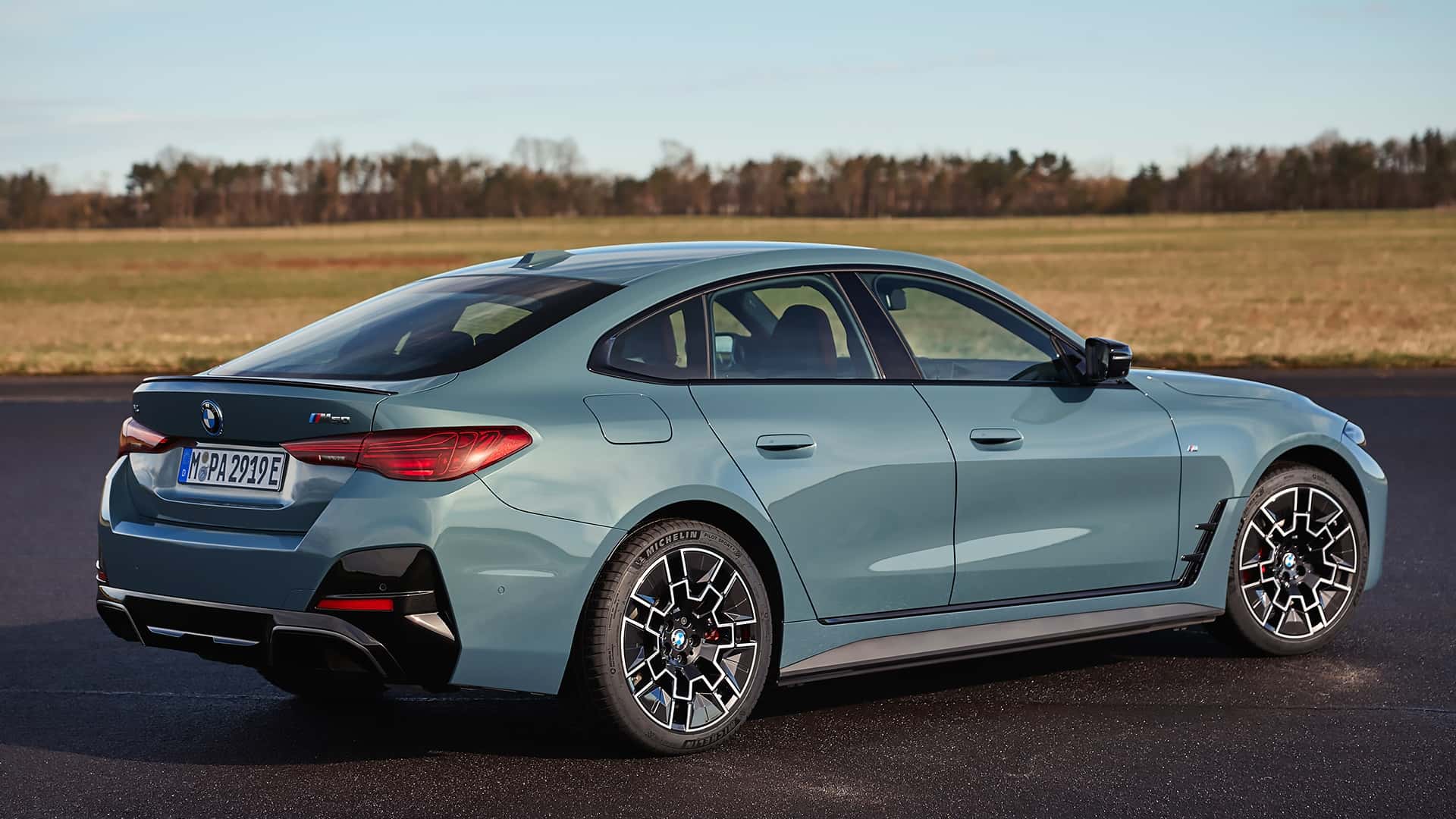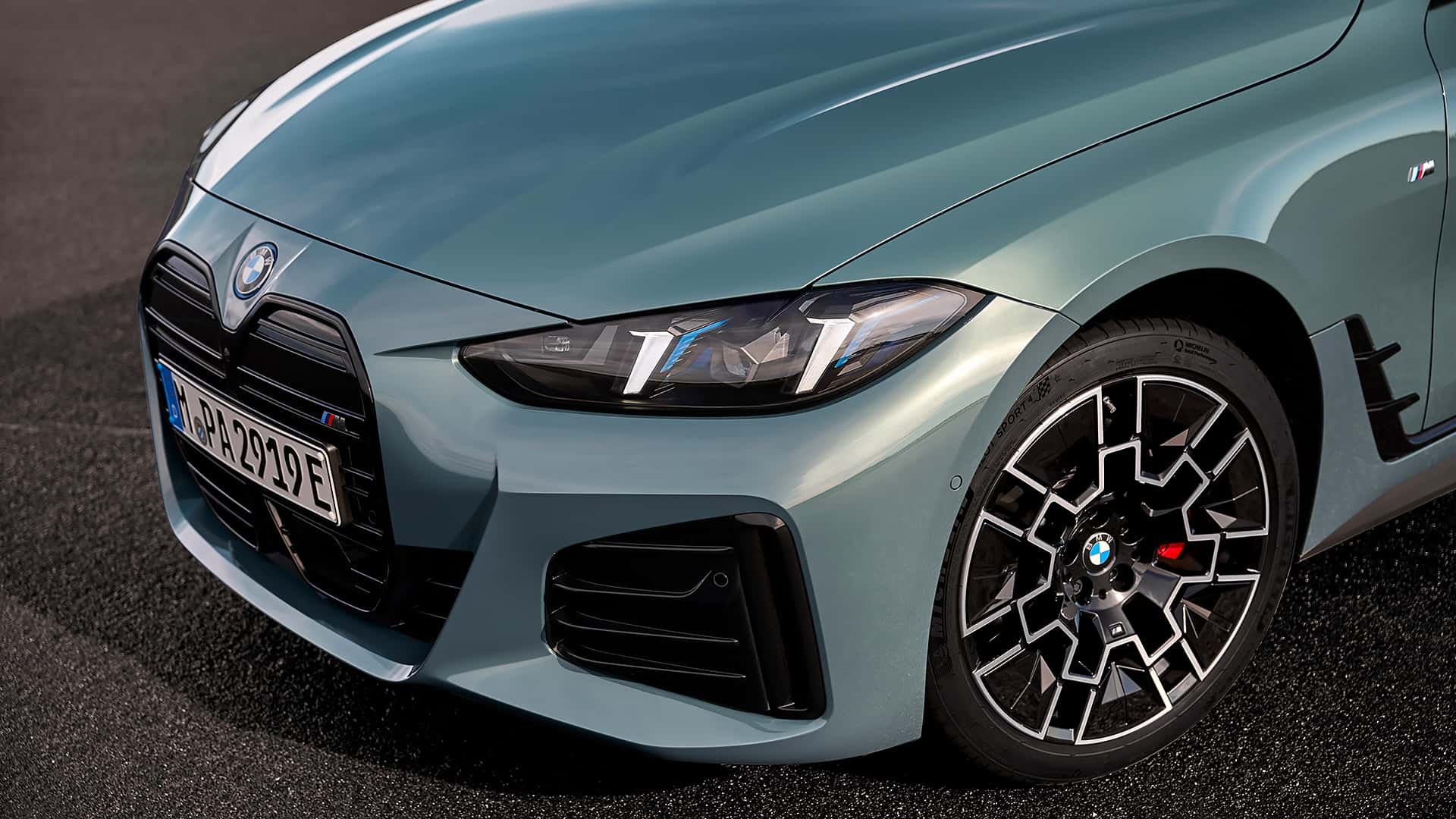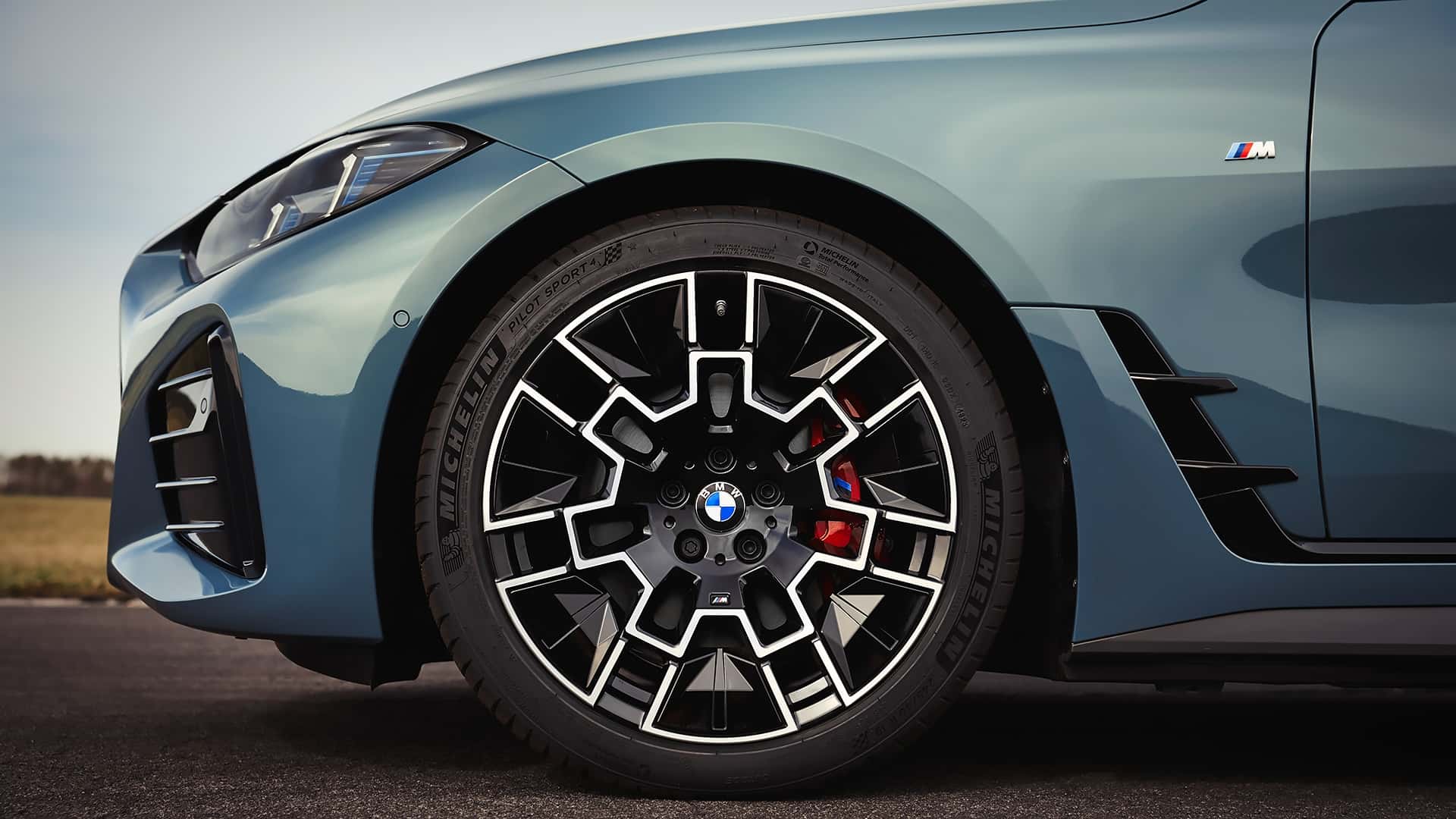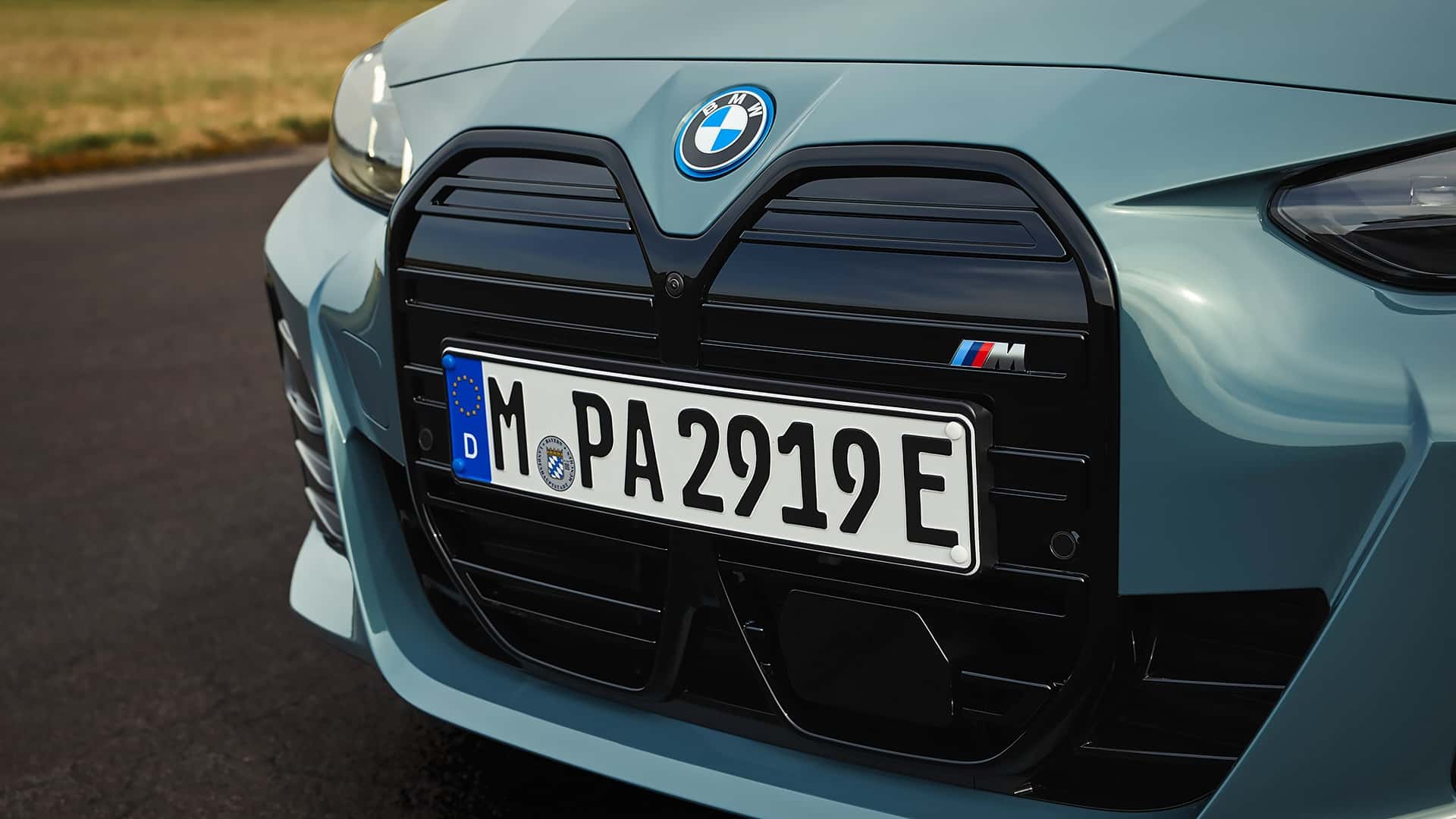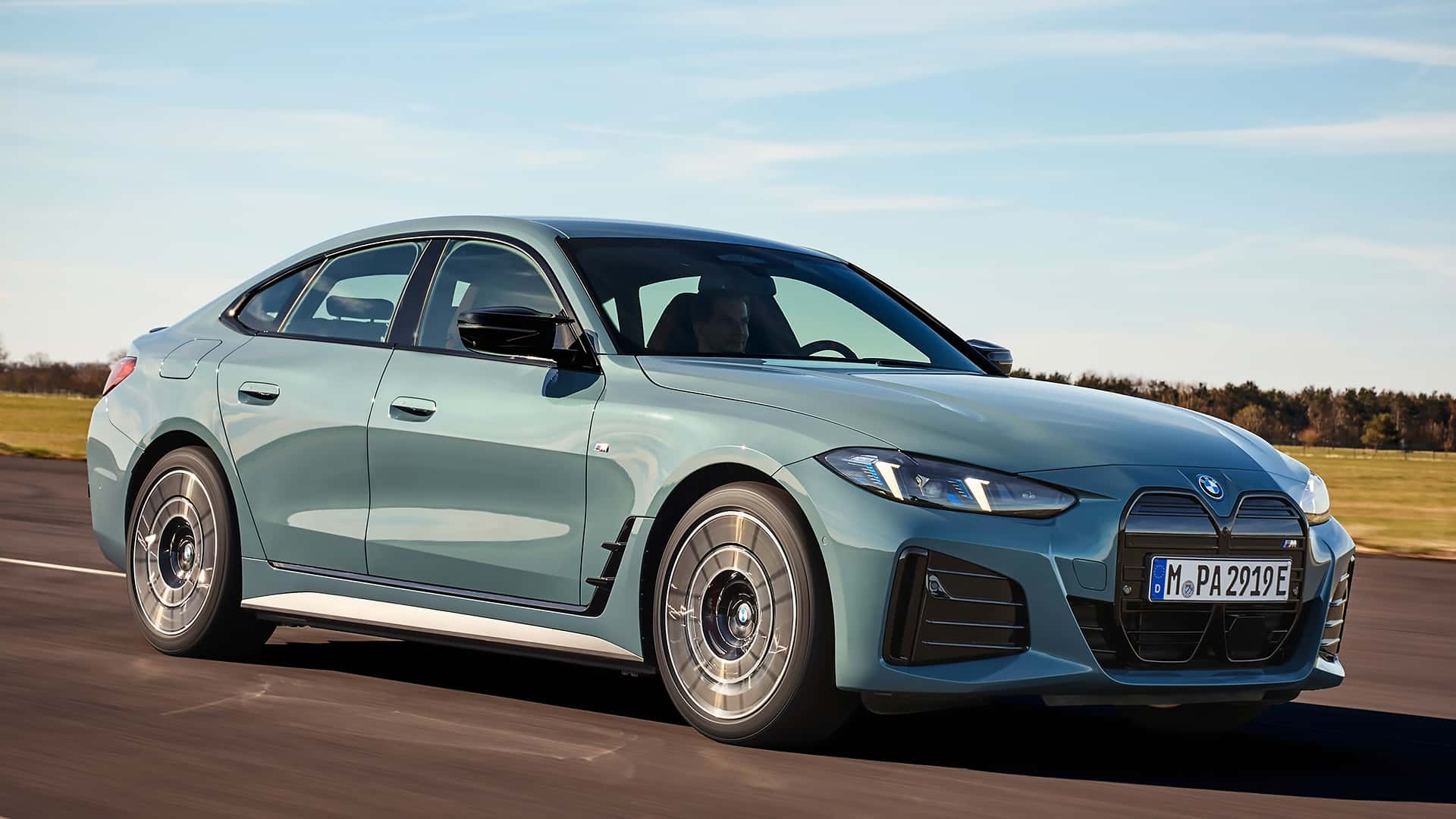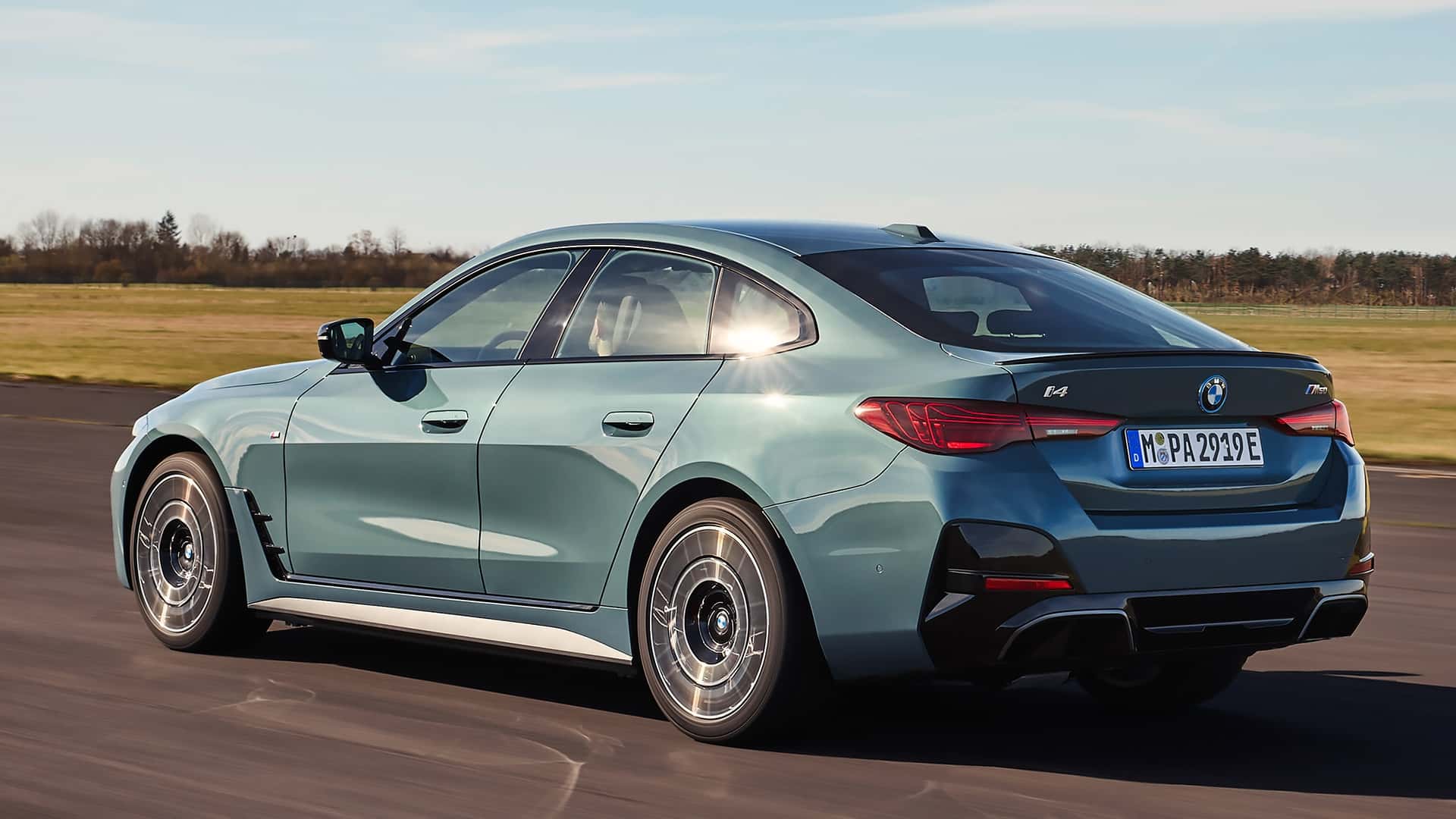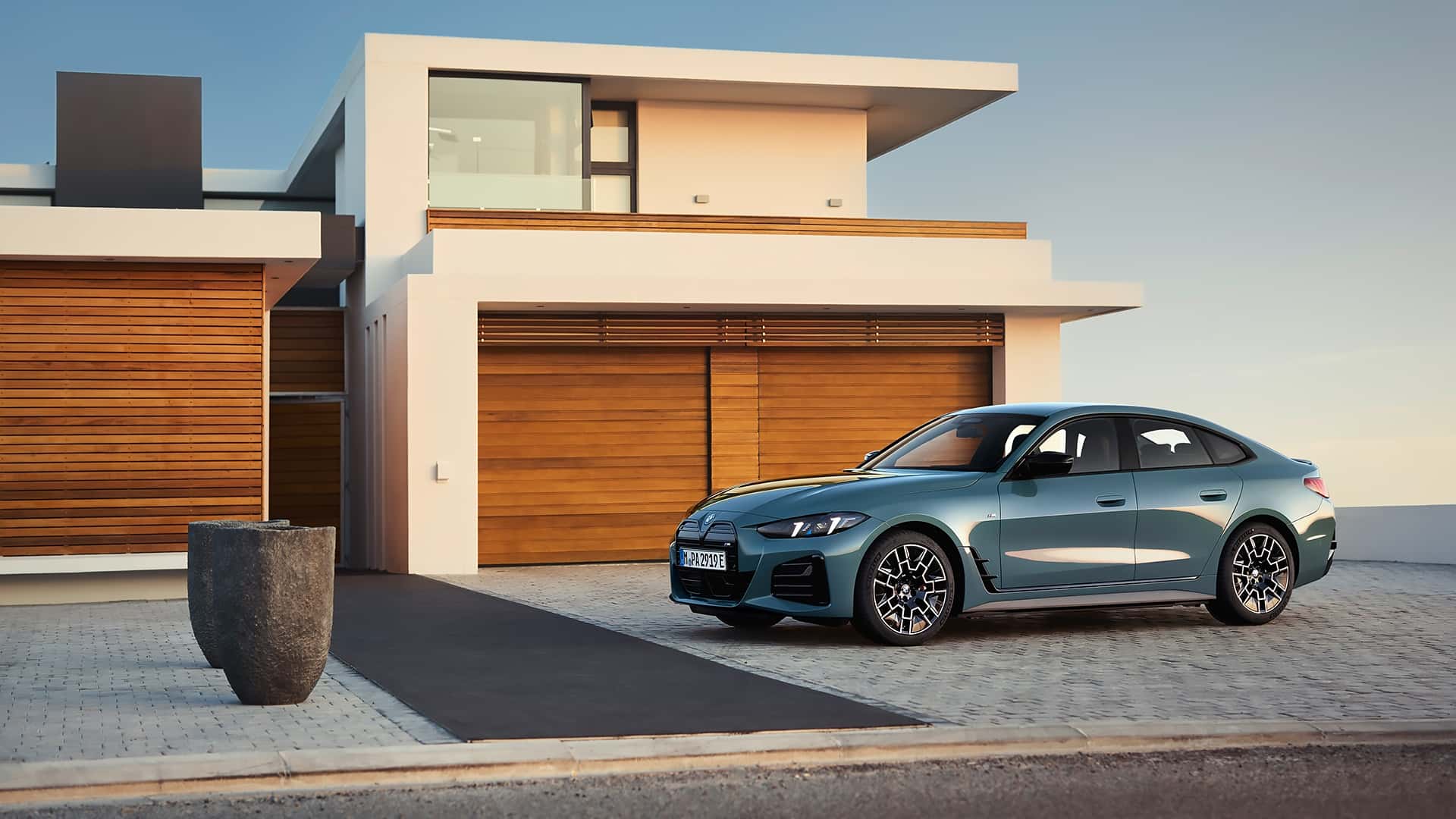
Automotive design is not just about aesthetics; it’s a complex interplay of technology and creativity that shapes the vehicles we drive today. As manufacturers push the boundaries of design, understanding the technology behind these innovations becomes crucial for consumers and enthusiasts alike.
Today’s automotive designs are increasingly influenced by technology: from aerodynamic efficiency to advanced materials, every aspect is meticulously crafted to enhance performance and appeal. The marriage of form and function is essential, as consumers demand vehicles that not only look good but also deliver exceptional driving experiences.
Design: The Intersection of Art and Engineering
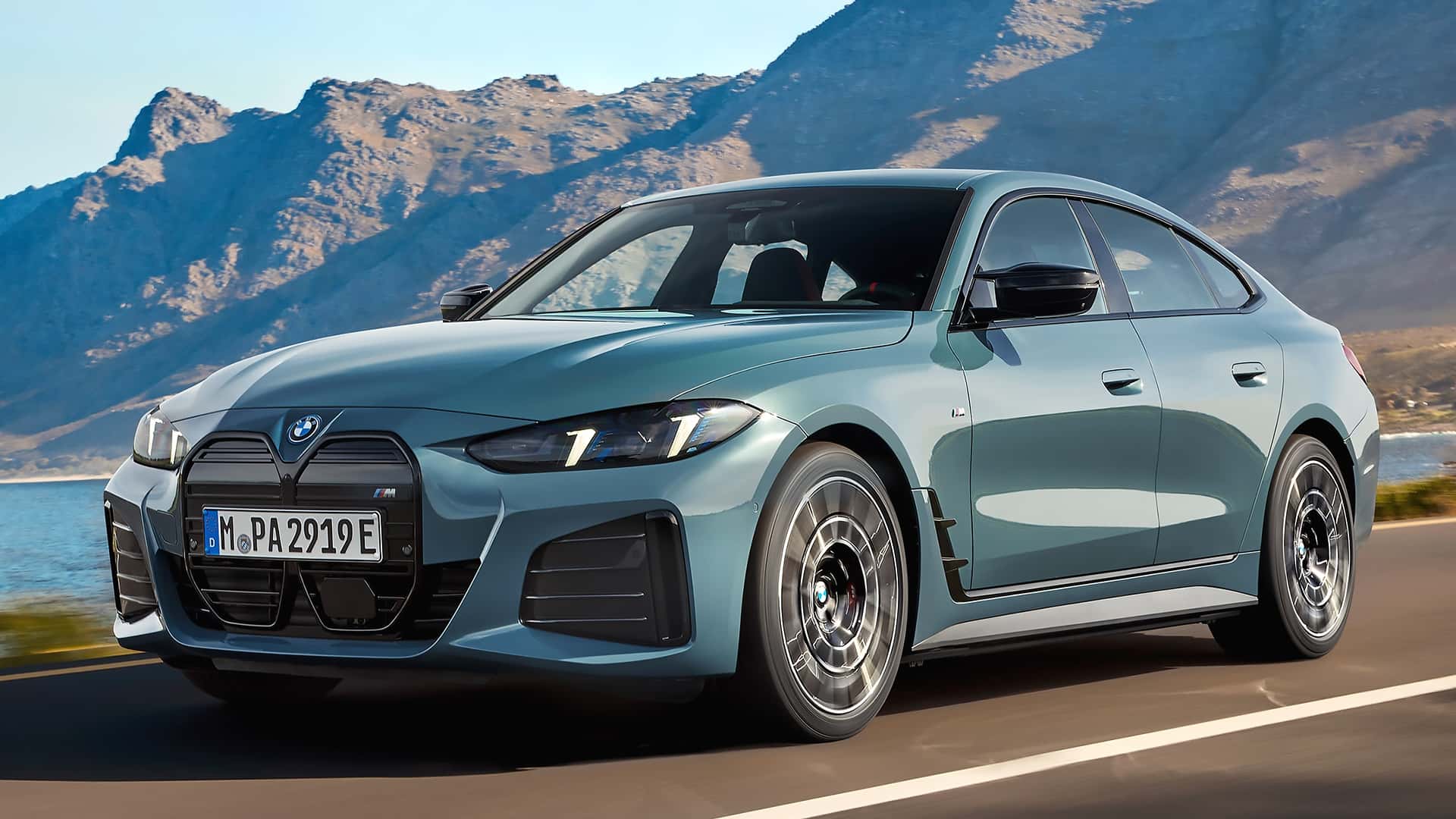
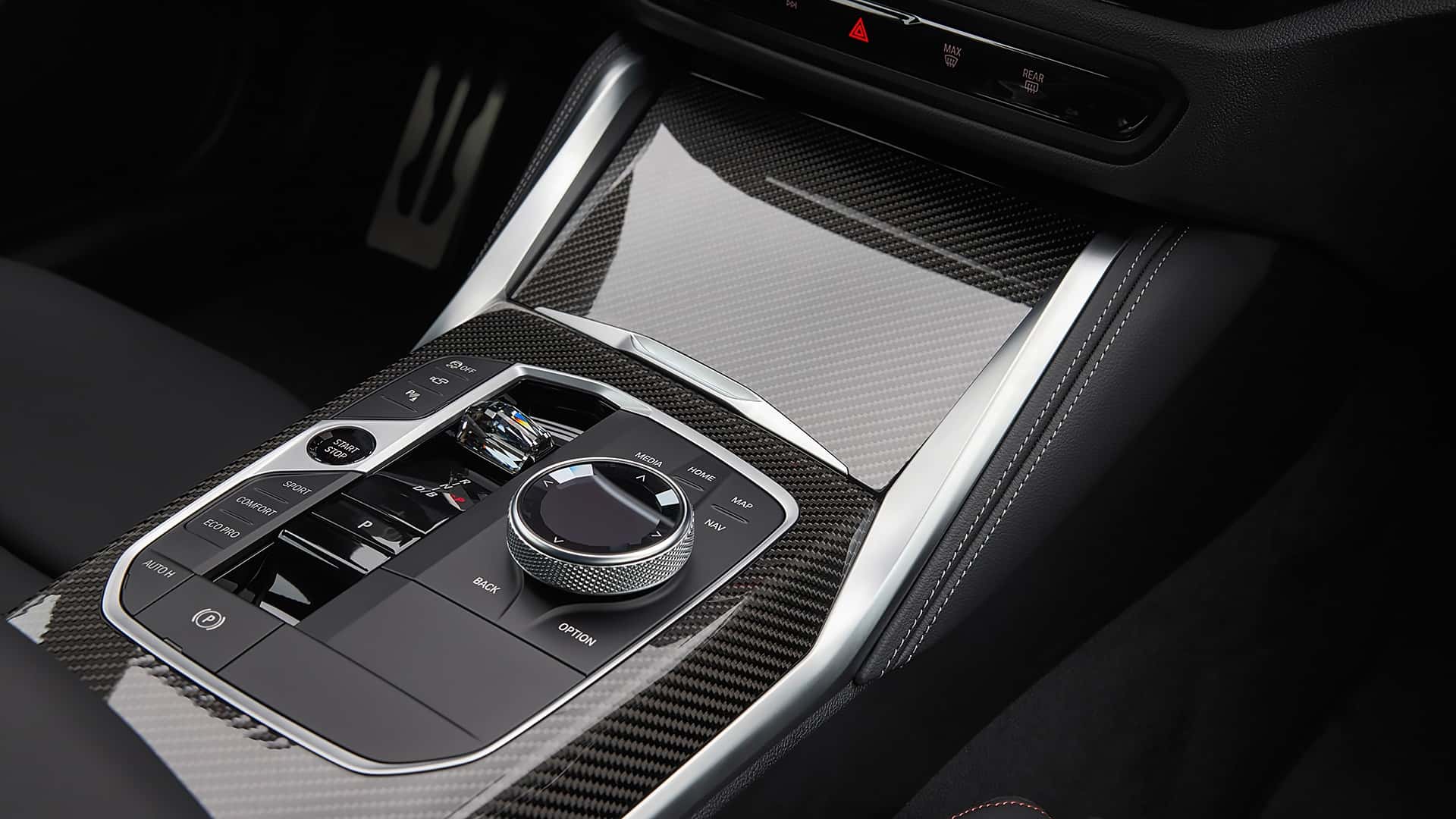
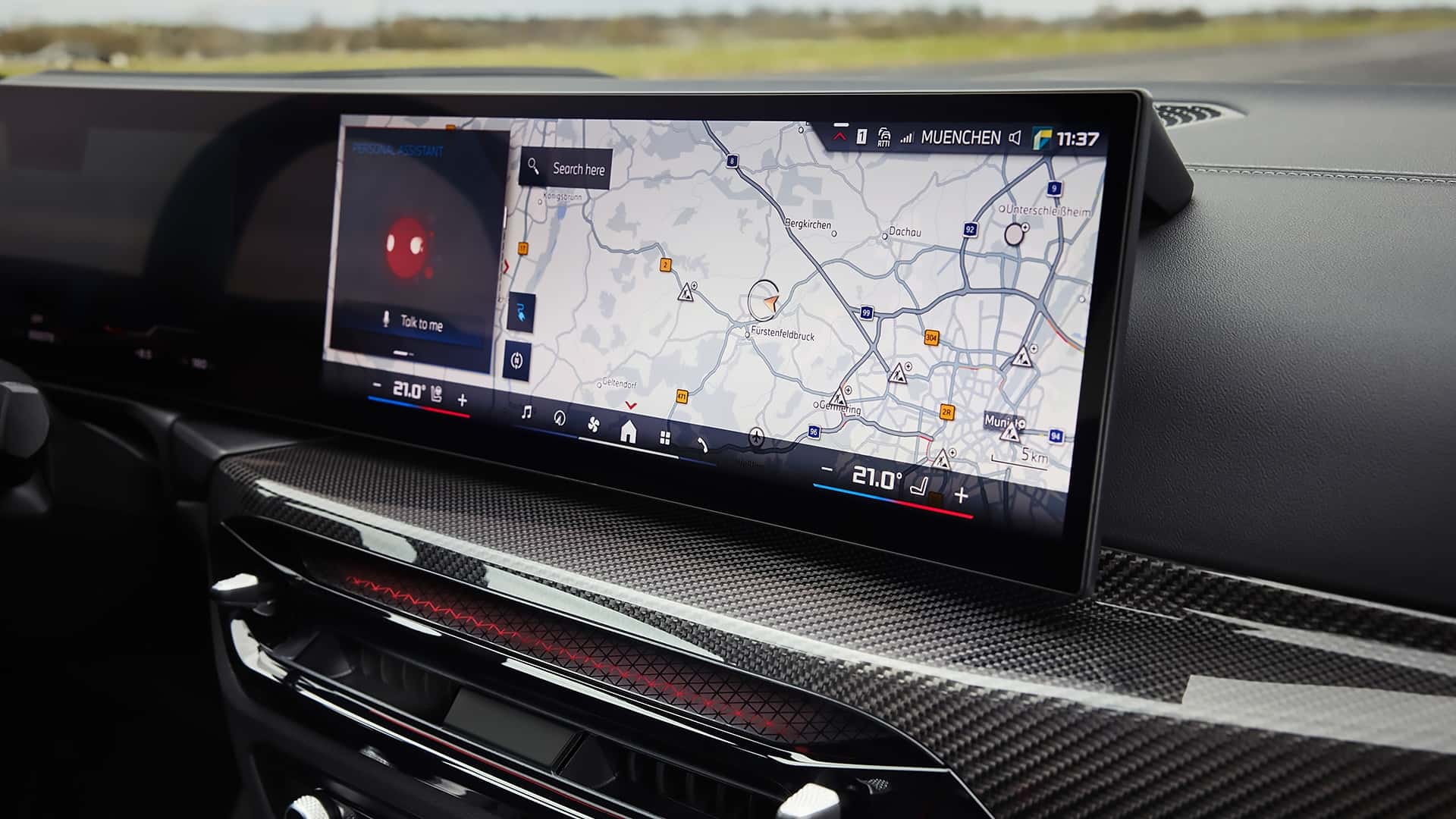
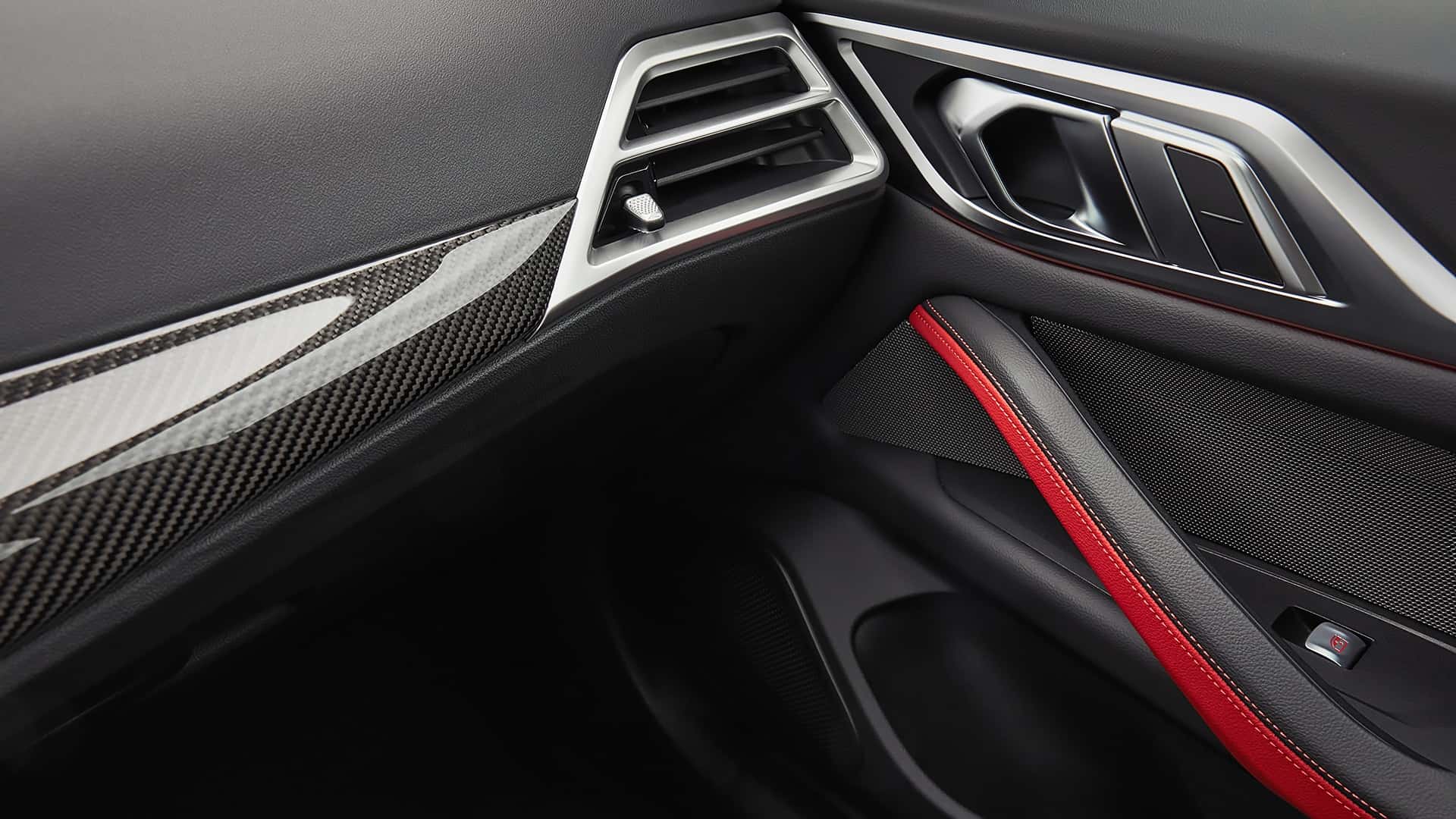
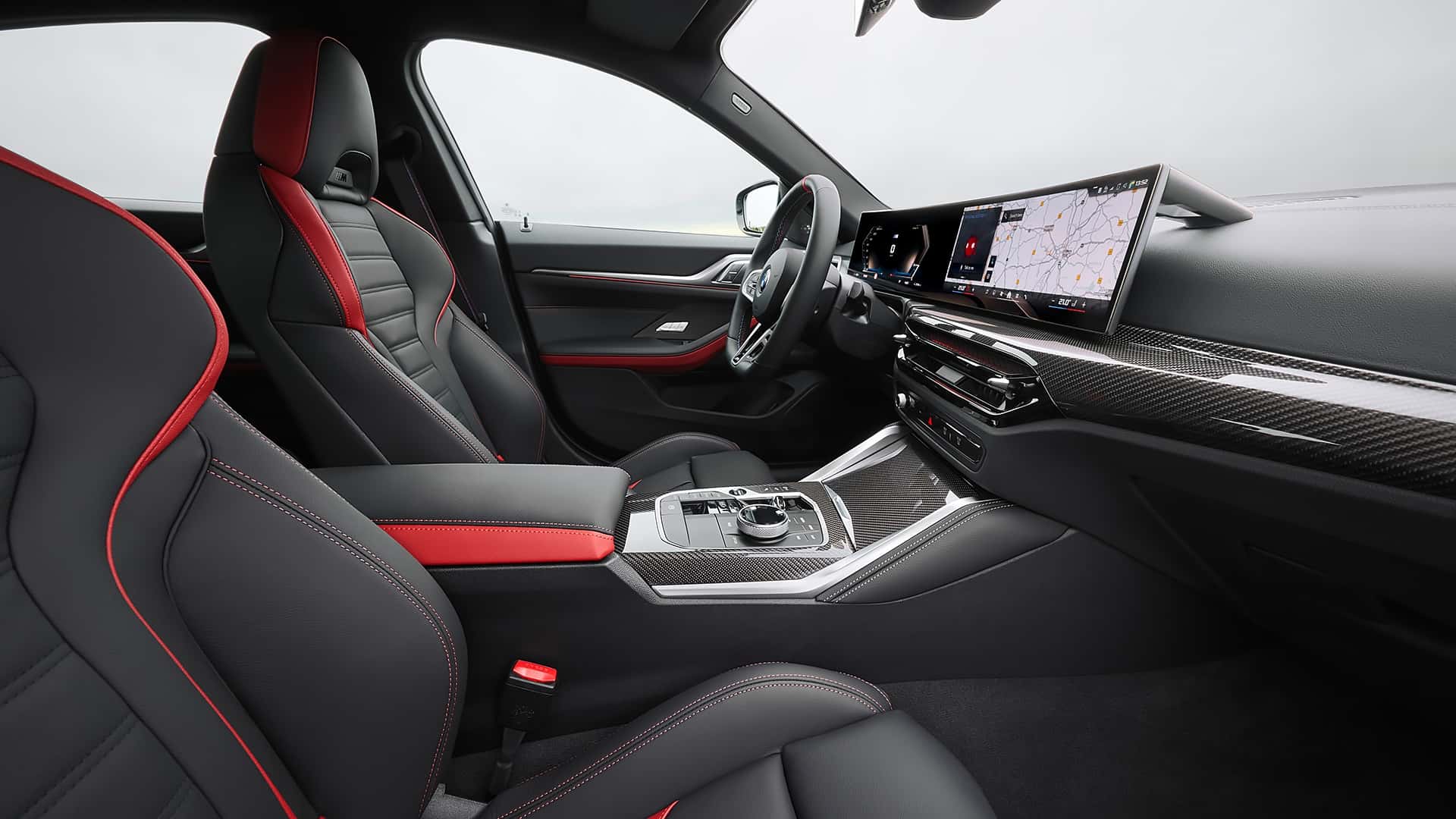
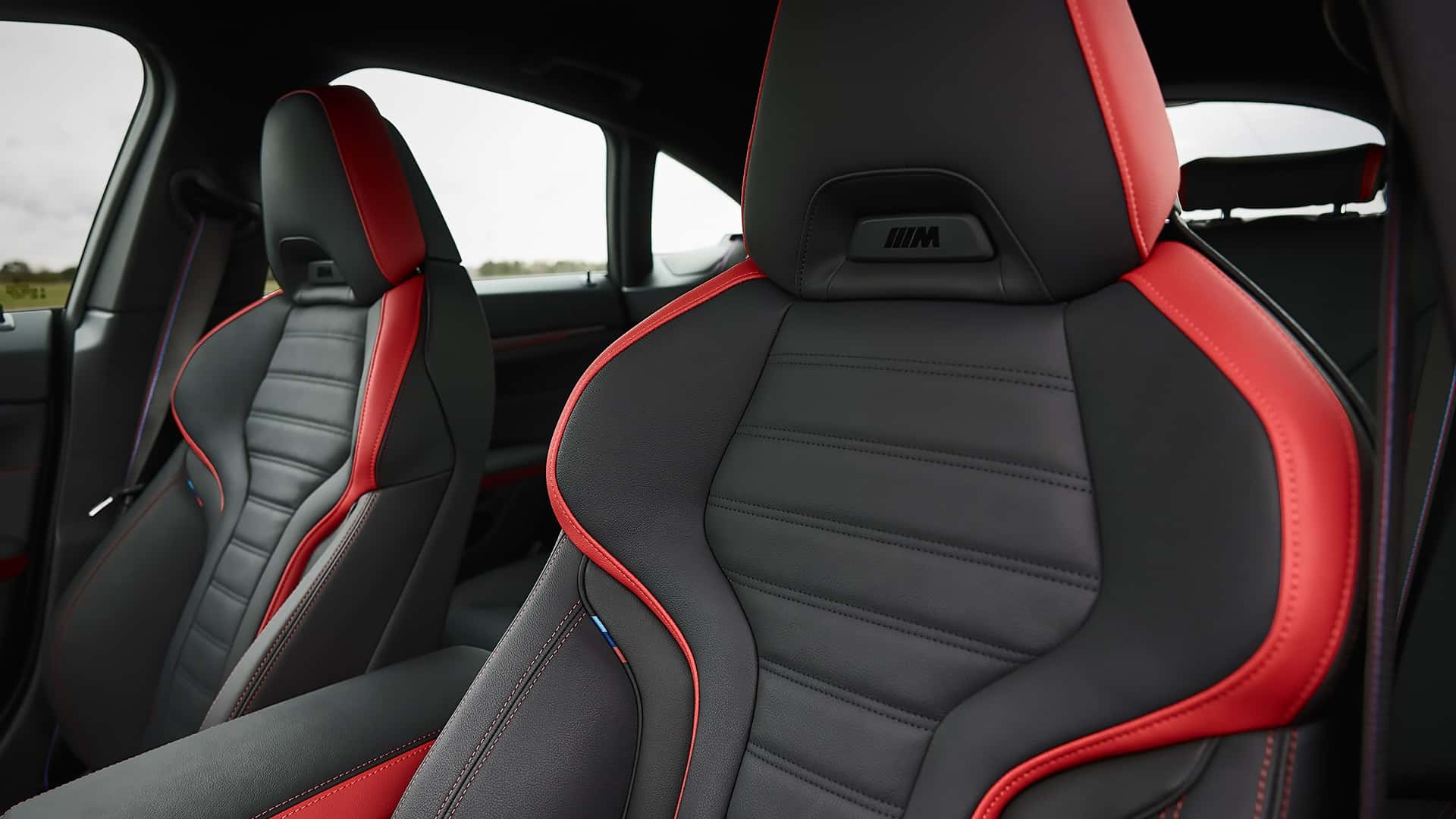
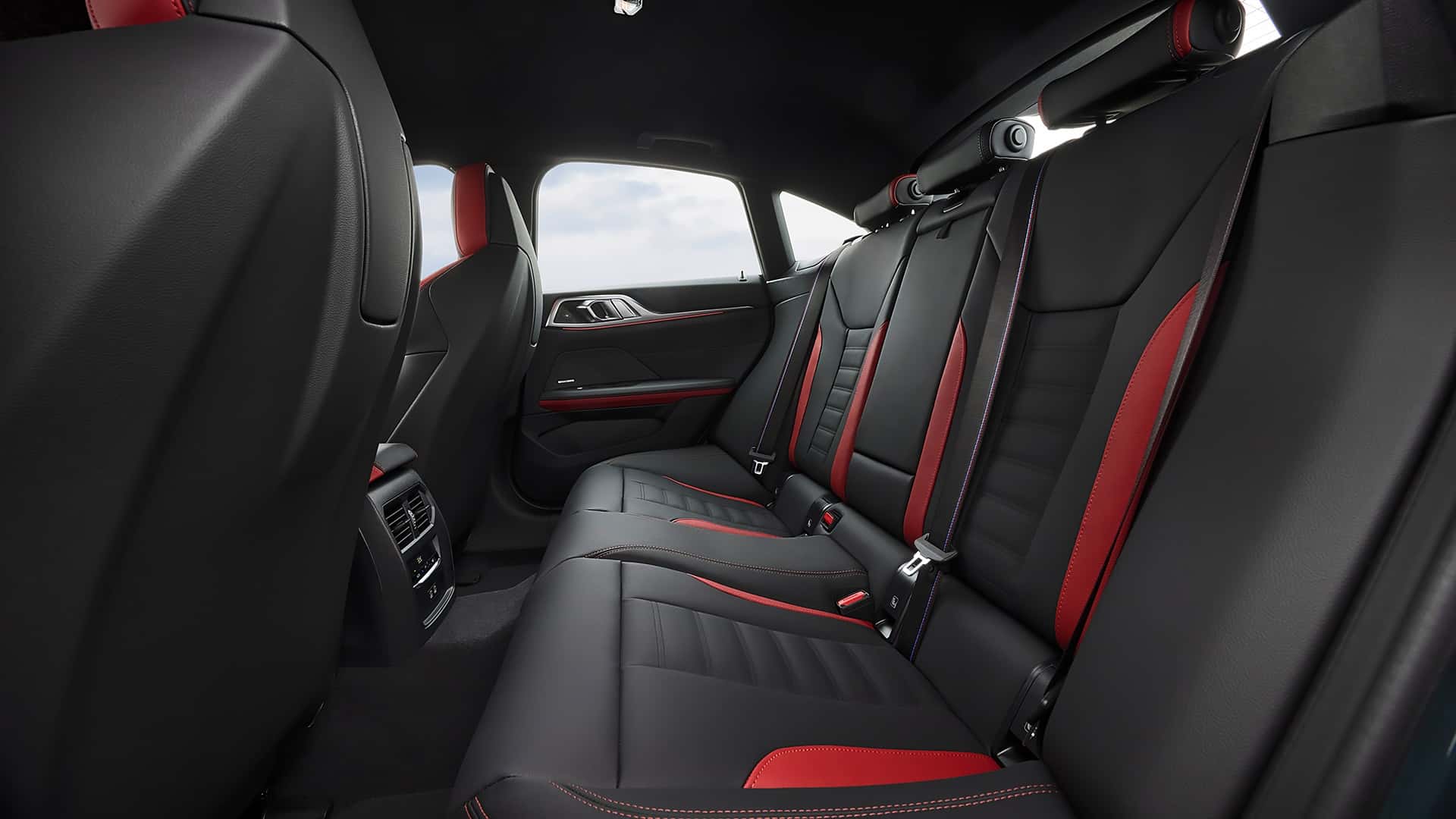
Design is where art meets engineering, creating vehicles that are both visually stunning and functionally superior. Modern cars are designed with a focus on aerodynamics, which helps improve fuel efficiency and performance. This focus on design extends beyond aesthetics; it encompasses the entire driving experience, including comfort, safety, and technology integration.
As manufacturers innovate, they must balance the artistic vision with practical engineering solutions. The result is a new generation of vehicles that are not only beautiful but also equipped with cutting-edge technology that enhances the driving experience.

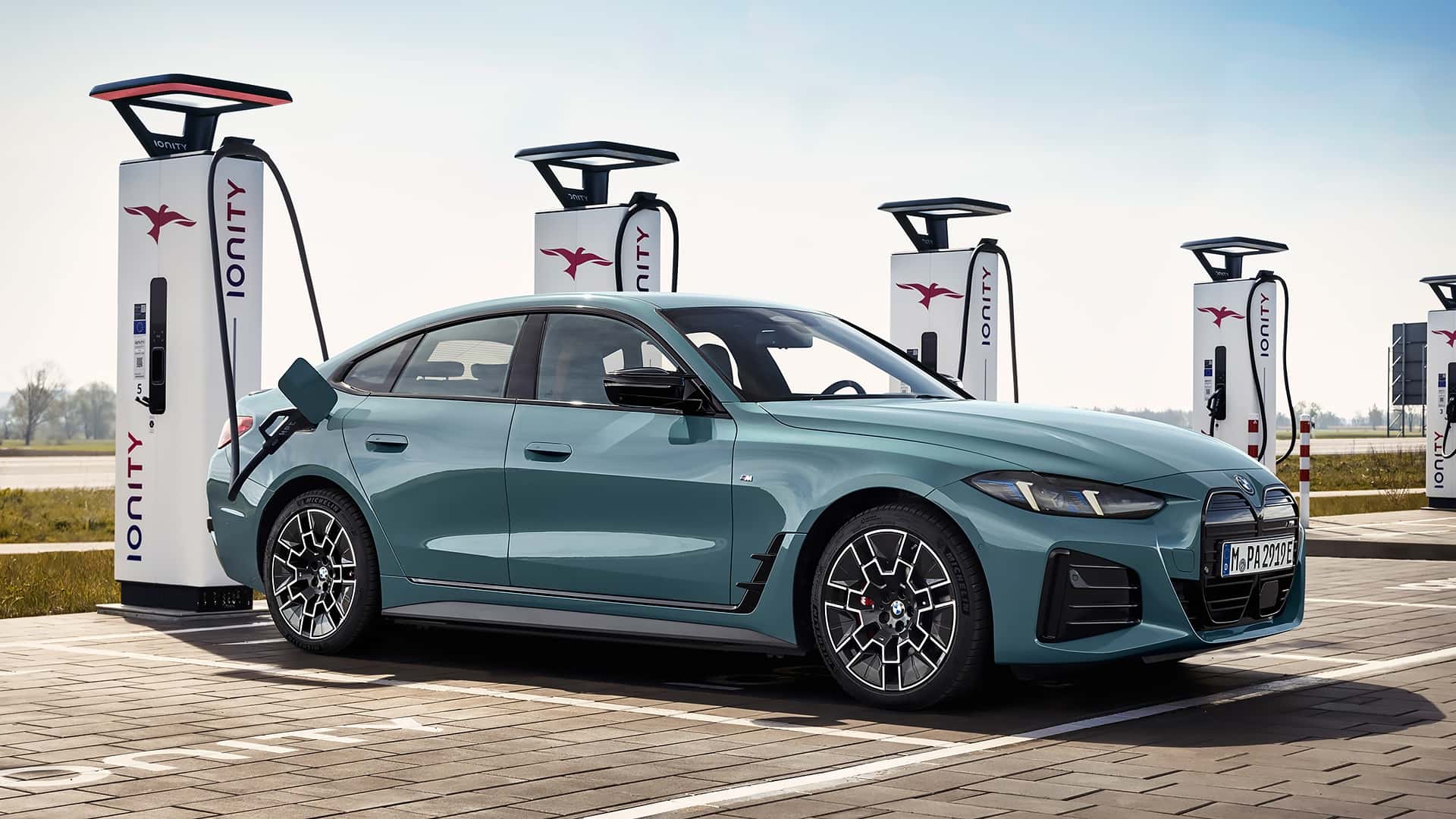
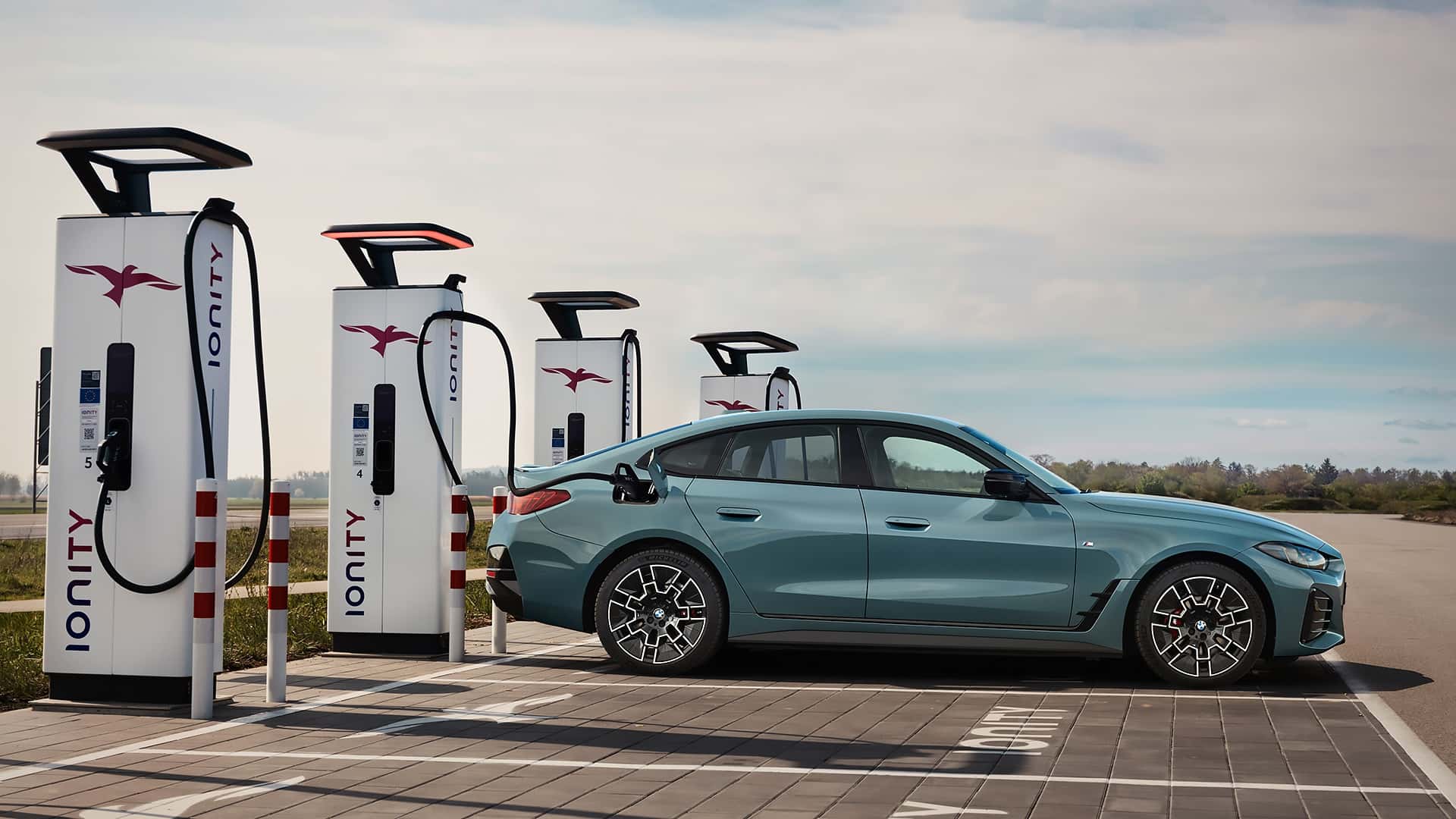
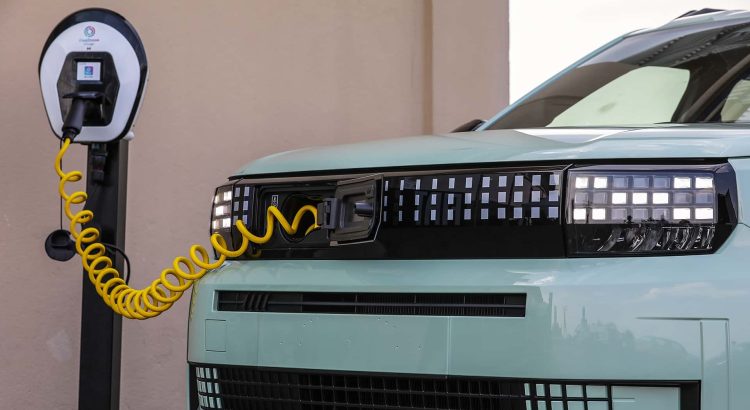
Automotive design is evolving rapidly, with electric vehicles leading the charge in innovative aesthetics. The integration of charging solutions into the design of vehicles, such as the seamless incorporation of charging ports, showcases how technology can enhance usability without compromising style.
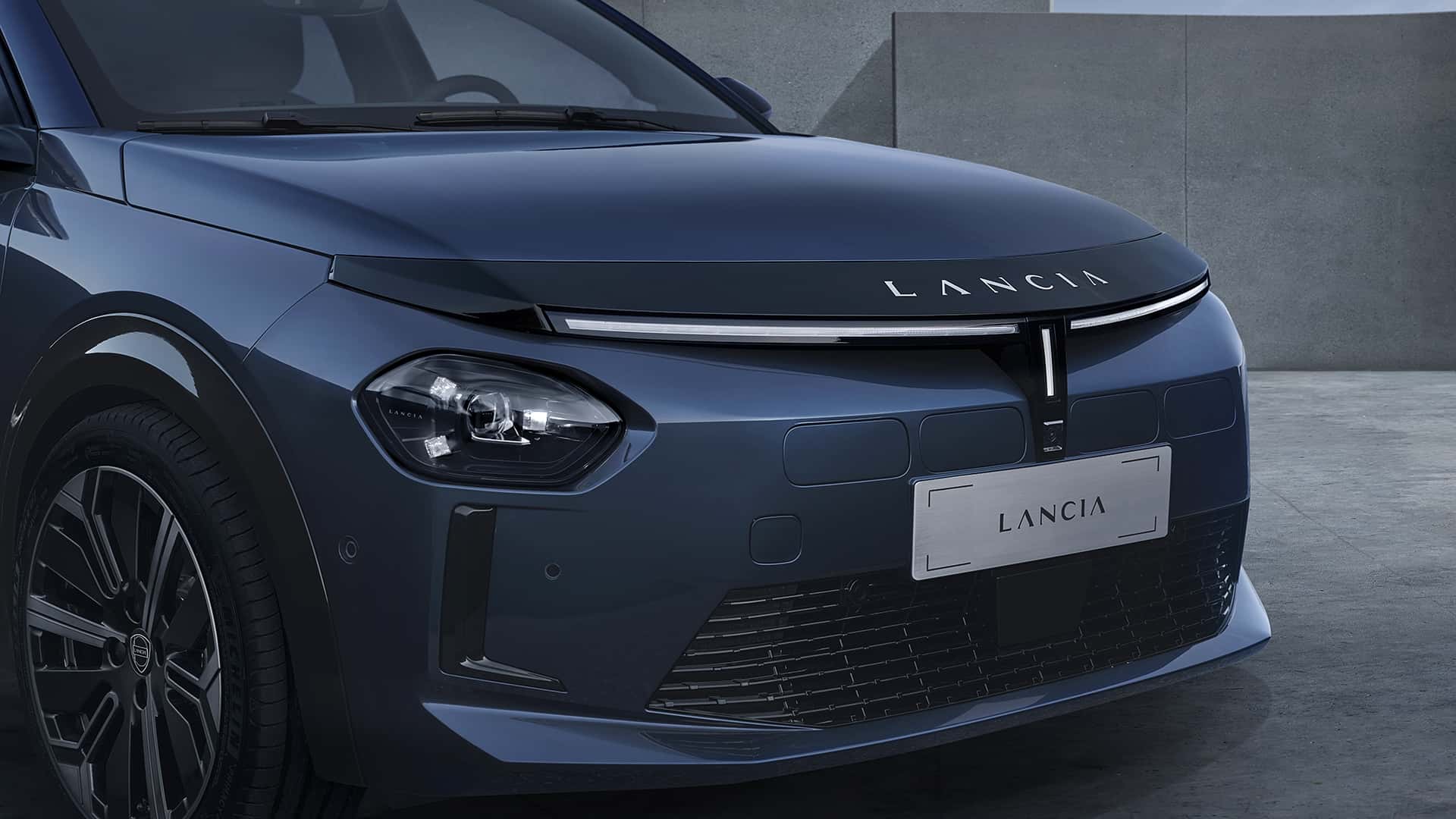
As we look at the latest models, it’s clear that design is not just about looks; it’s about creating a cohesive experience that resonates with consumers. The Lancia Ypsilon, for example, combines modern design with practical features, appealing to a market that values both style and functionality.
Design Trends: What’s Shaping the Future
Current design trends reflect a shift towards sustainability and efficiency. Manufacturers are increasingly focused on creating vehicles that are not only stylish but also environmentally friendly. This shift is evident in the materials used and the overall design philosophy that prioritizes sustainability.
As electric vehicles become more mainstream, the design language is evolving to reflect this new reality. Manufacturers are exploring new shapes and forms that enhance aerodynamics while also making a bold statement on the road.

The Audi Q4 35 e-tron (2024) exemplifies this trend, showcasing a sleek design that emphasizes both performance and efficiency. As the market shifts towards electric vehicles, design will play a crucial role in attracting consumers.

The Tesla Model 3 is another example of how design can influence consumer choices. Its minimalist aesthetic combined with advanced technology makes it a standout in the electric vehicle market, appealing to a tech-savvy audience.
Conclusion: The Future of Automotive Design
Automotive design is at a crossroads, where aesthetics and technology converge to create vehicles that are not only visually appealing but also highly functional. As manufacturers continue to innovate, the focus will remain on creating designs that resonate with consumers while addressing environmental concerns.

The new Citroën C3 (2024) is a testament to this evolving design philosophy, blending style with practicality. As we move forward, expect to see more vehicles that prioritize both aesthetics and functionality, catering to a market that demands innovation and sustainability.

The BMW 7 Series showcases how luxury and technology can coexist in automotive design, setting a benchmark for future vehicles. As the industry evolves, the integration of technology into design will continue to shape the future of automotive aesthetics.
Designing for Tomorrow: The Role of Technology
The future of automotive design will be heavily influenced by advancements in technology. As manufacturers embrace new materials and production techniques, the possibilities for innovative designs are endless. The focus will be on creating vehicles that are not only beautiful but also efficient and sustainable.
As we look ahead, expect to see more designs that reflect the changing landscape of the automotive industry, where technology and aesthetics work hand in hand to create the vehicles of tomorrow.