In the rapidly evolving world of electric vehicles (EVs), the balance between design and technology is crucial. As manufacturers push the boundaries of aesthetics, the risk of neglecting essential engineering aspects becomes a pressing concern.
Today’s EVs are not just about sleek lines and eye-catching features; they must also deliver performance and efficiency. The challenge lies in creating vehicles that not only look good but also meet the demands of modern drivers, who expect both style and substance. This balance is especially important as car makers strive to differentiate themselves in a saturated market.
Design vs. Functionality: The Stakes Are High
The automotive industry is witnessing a shift where design often takes precedence over functionality, leading to vehicles that may be visually stunning but lack practical performance. This trend raises questions about the long-term viability of such designs, especially as consumer expectations evolve. Buyers are increasingly seeking vehicles that offer a harmonious blend of aesthetics and performance, rather than one at the expense of the other.
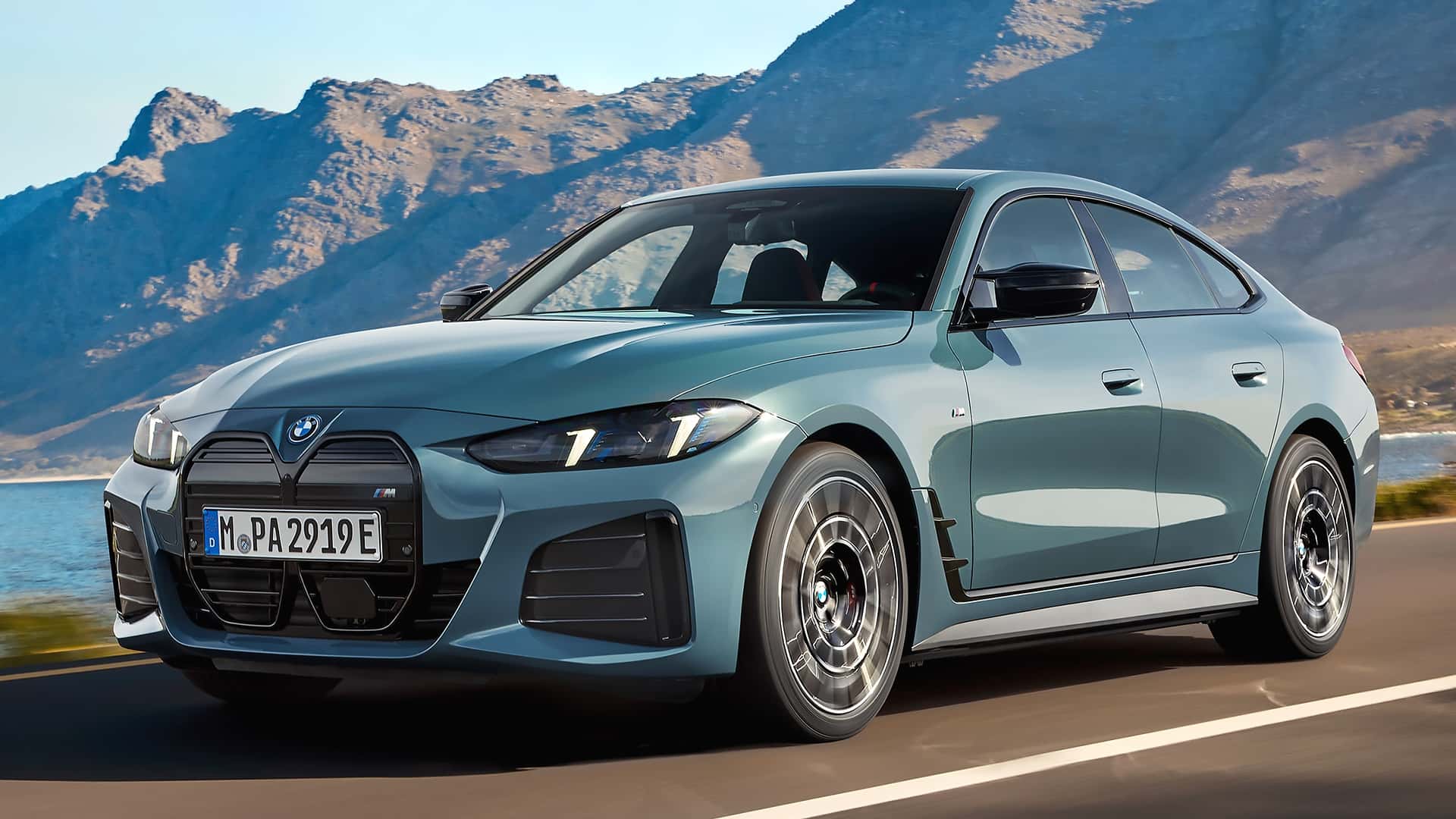
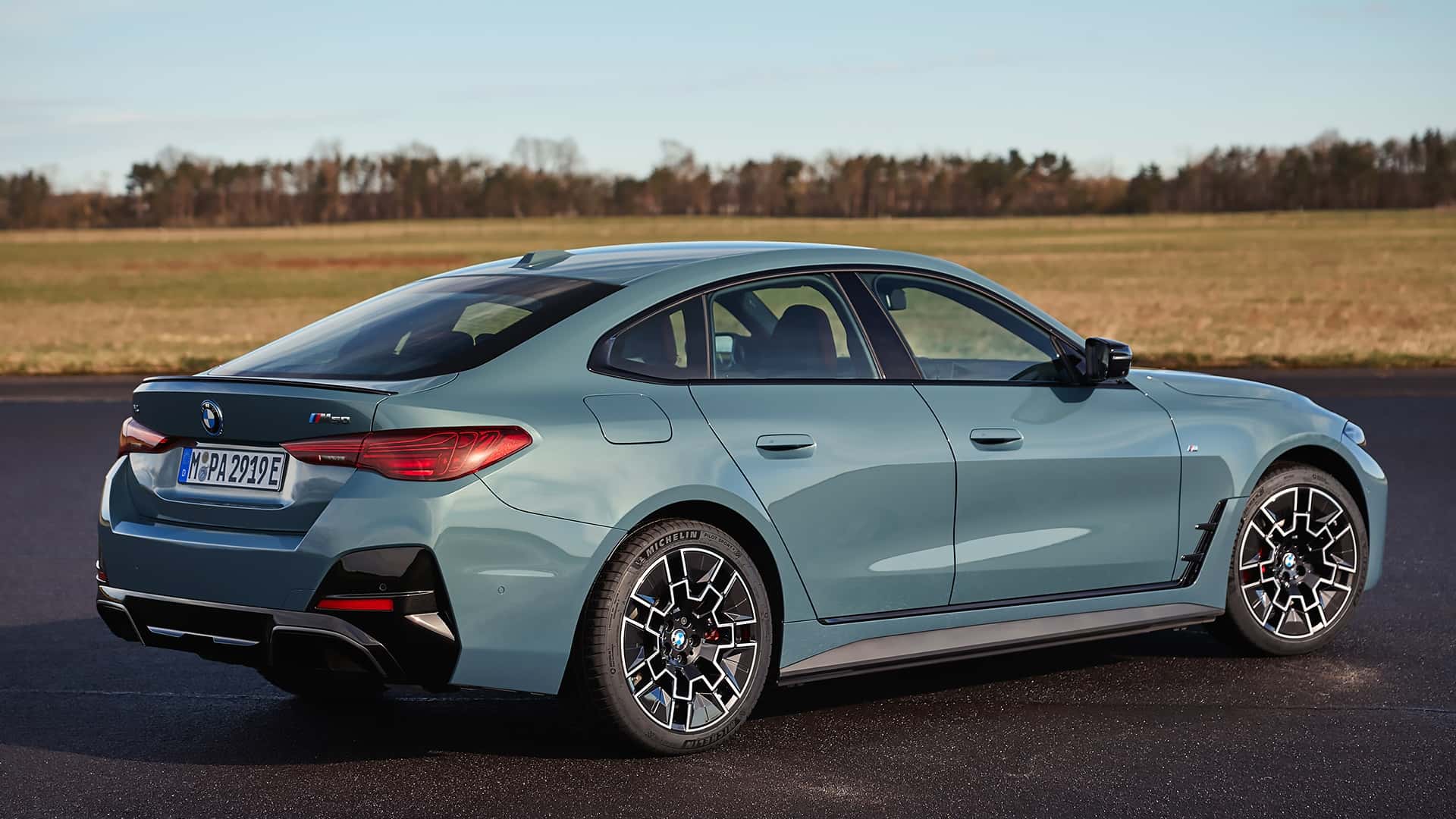
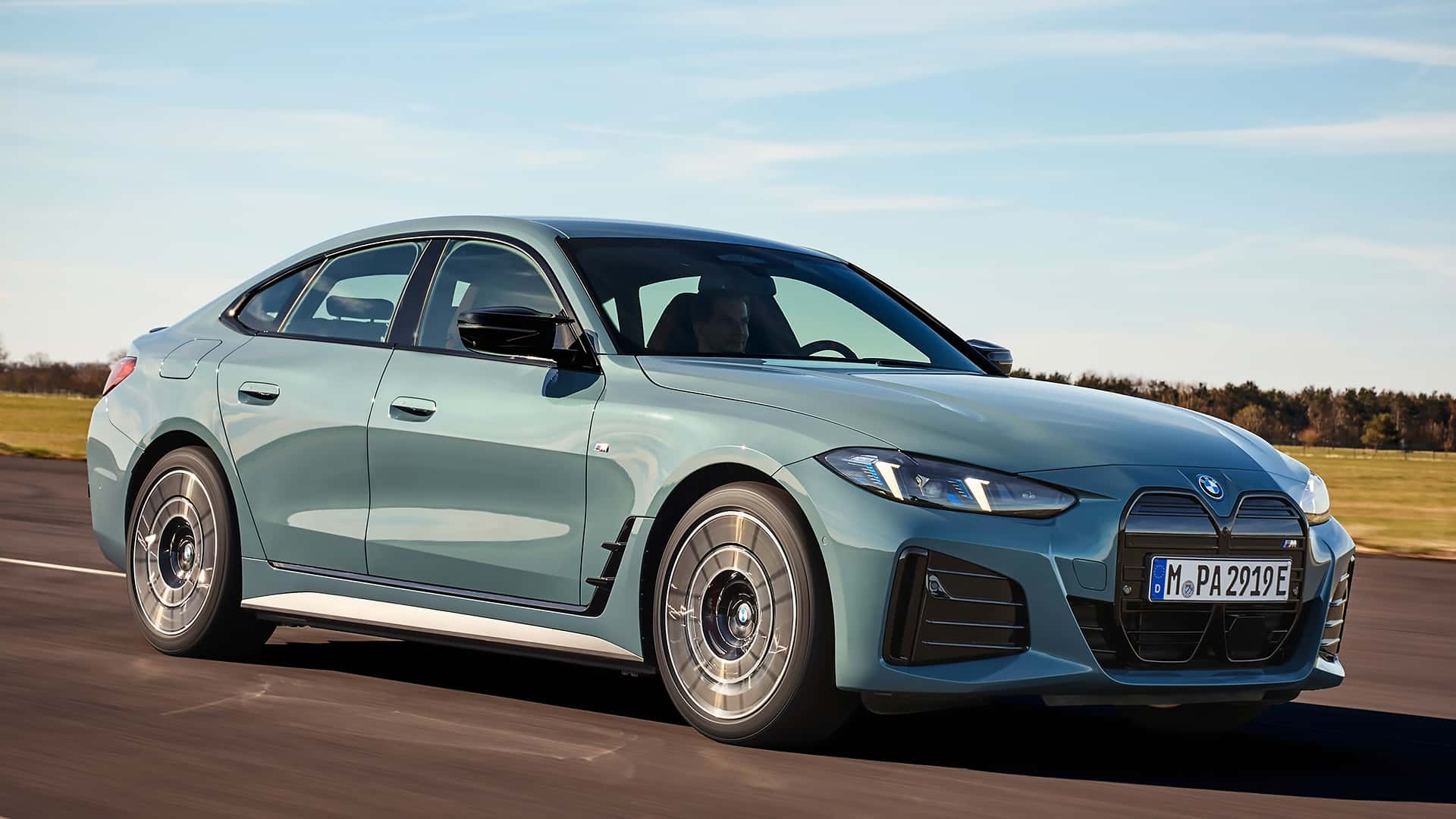
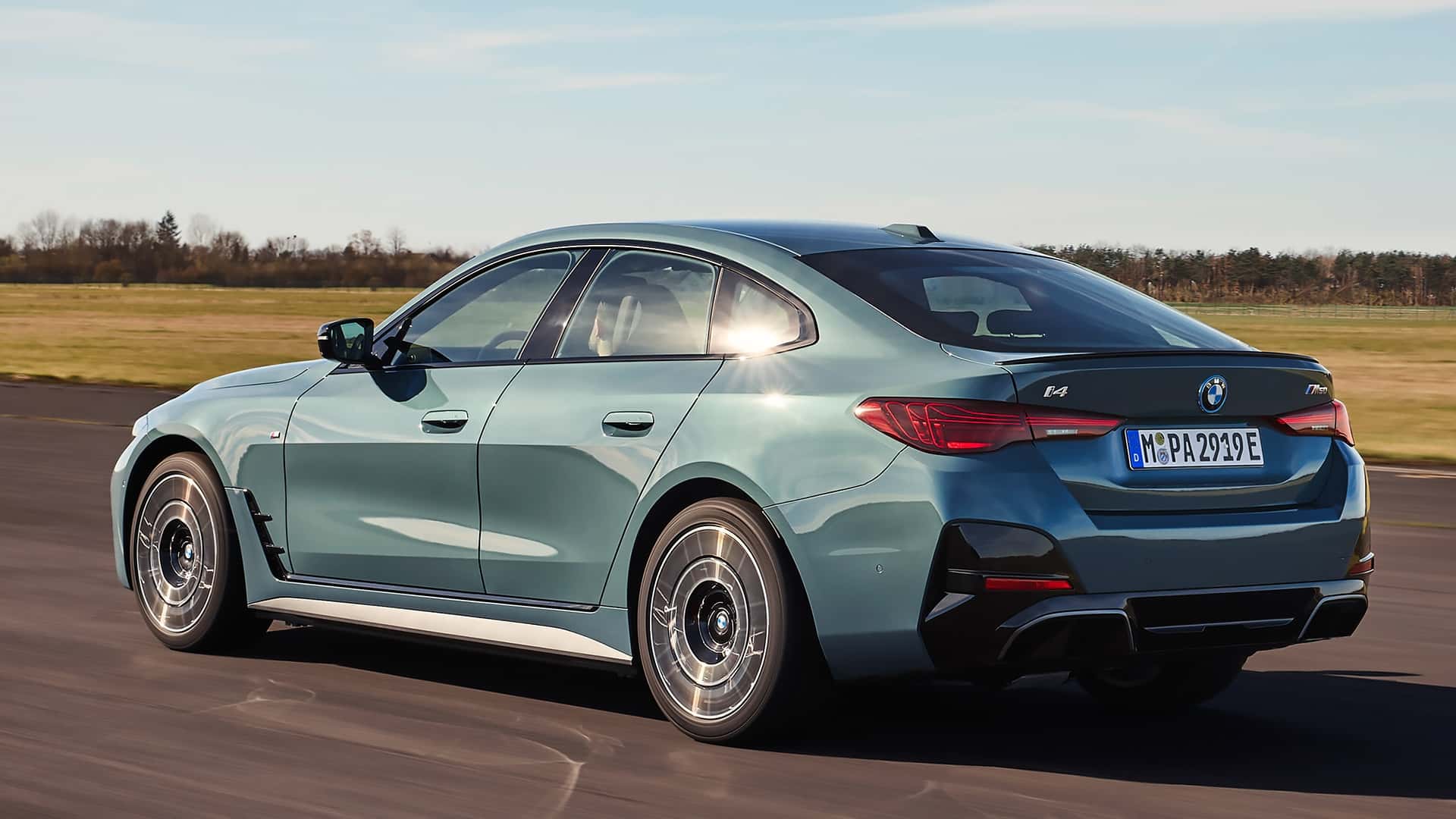
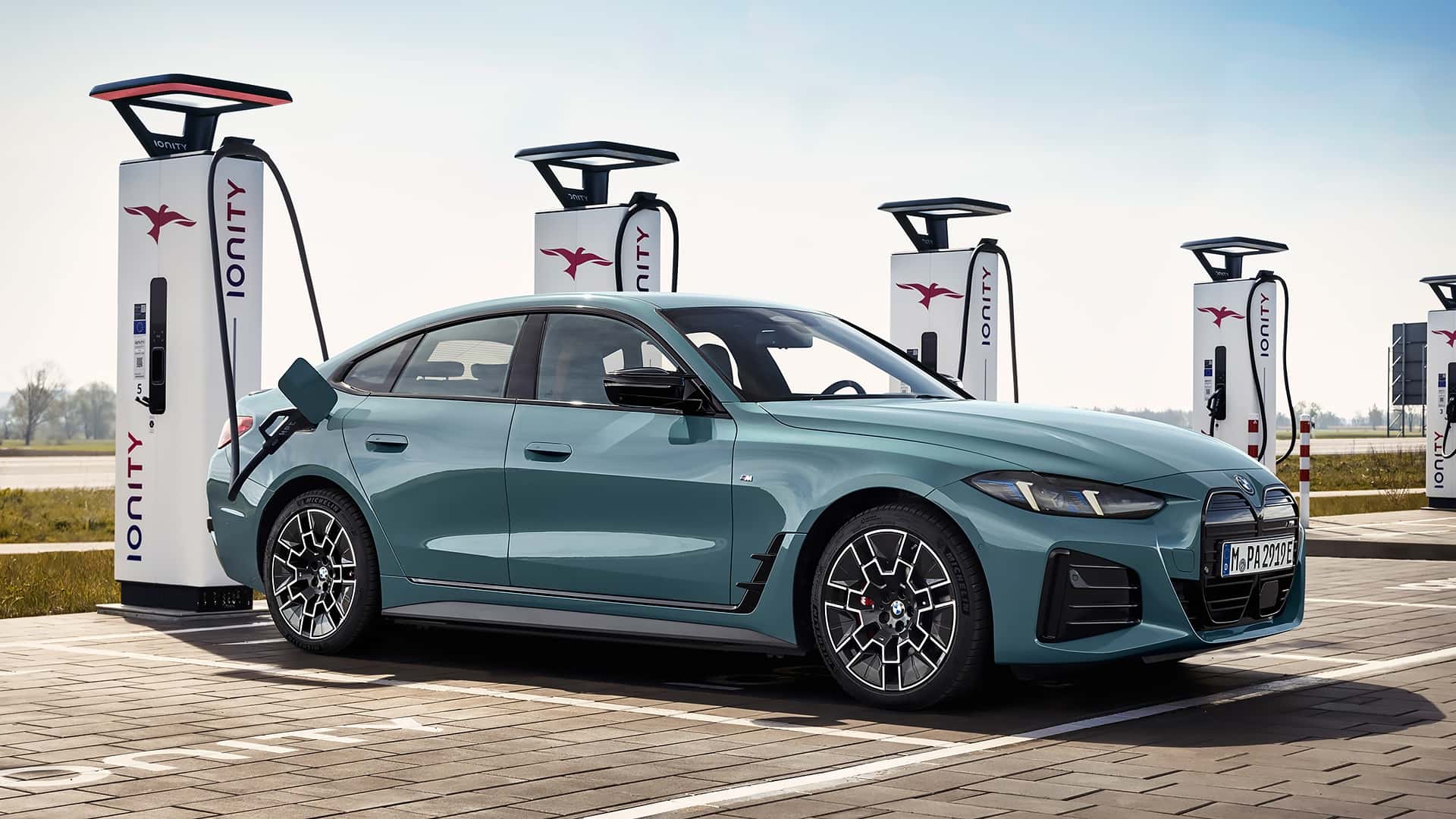
For instance, models like the i4 and the iX demonstrate how design can enhance the driving experience without compromising performance. These vehicles are not only visually appealing but are also engineered to deliver impressive power and efficiency, setting a benchmark for future designs.
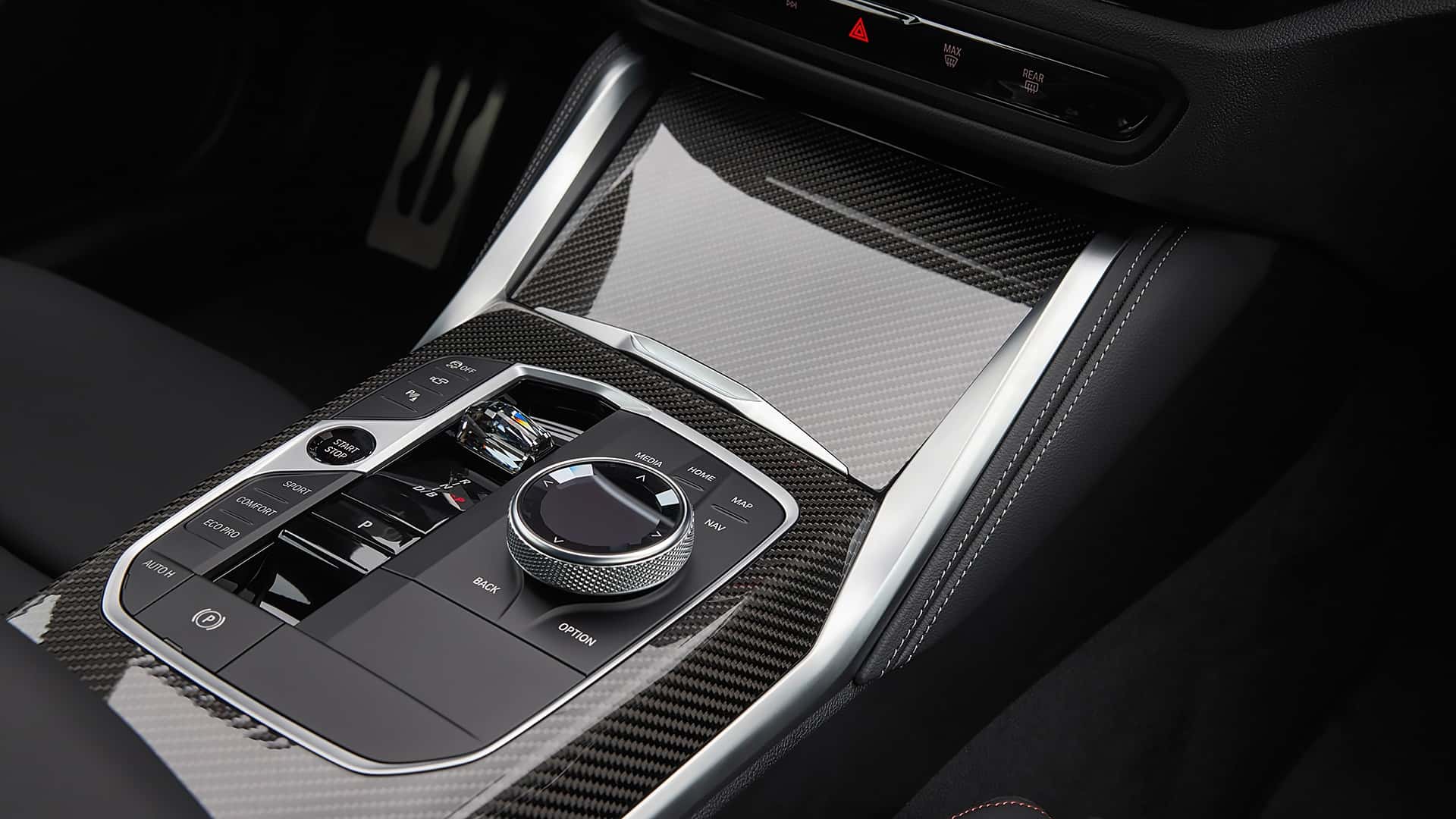
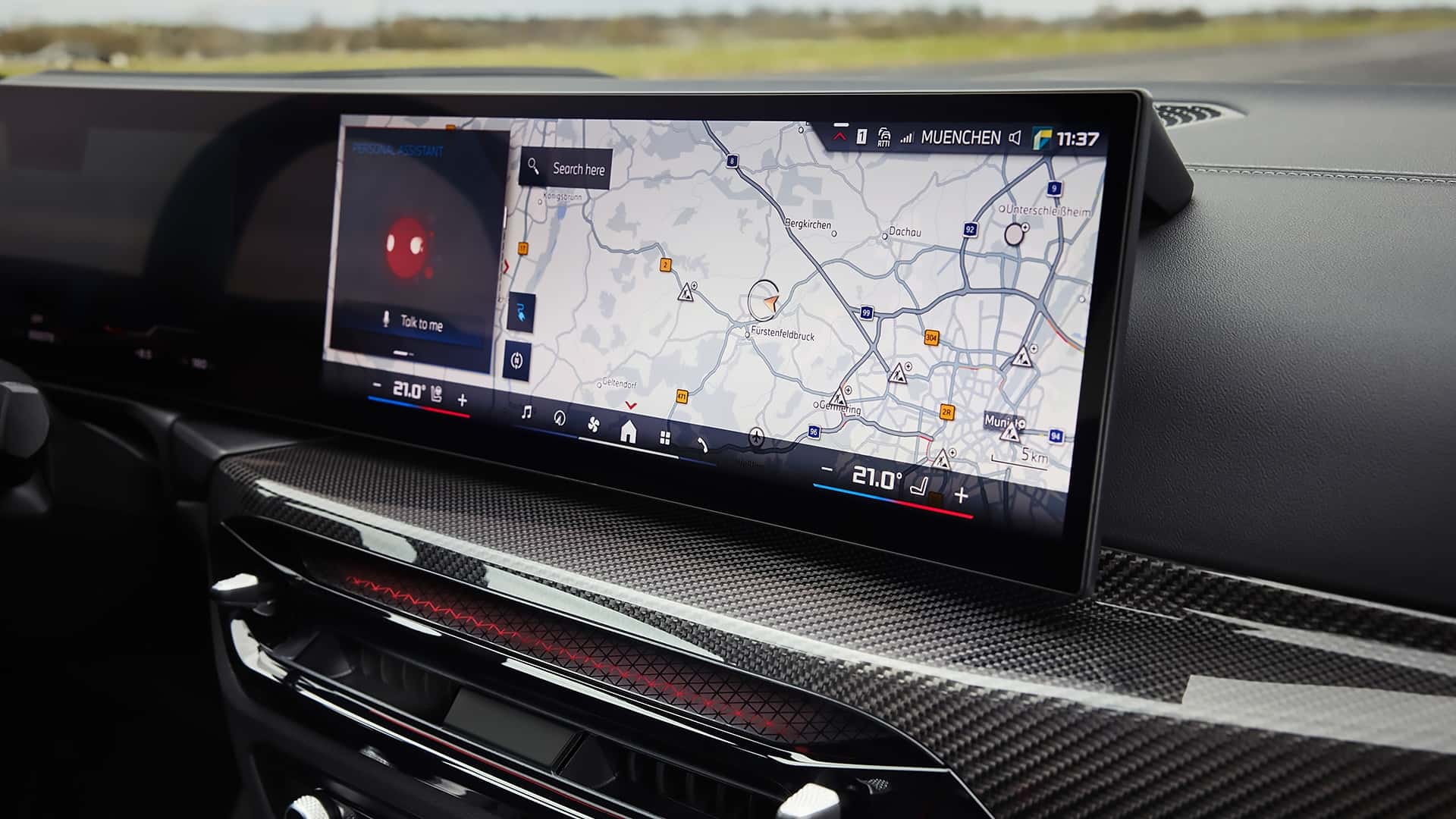
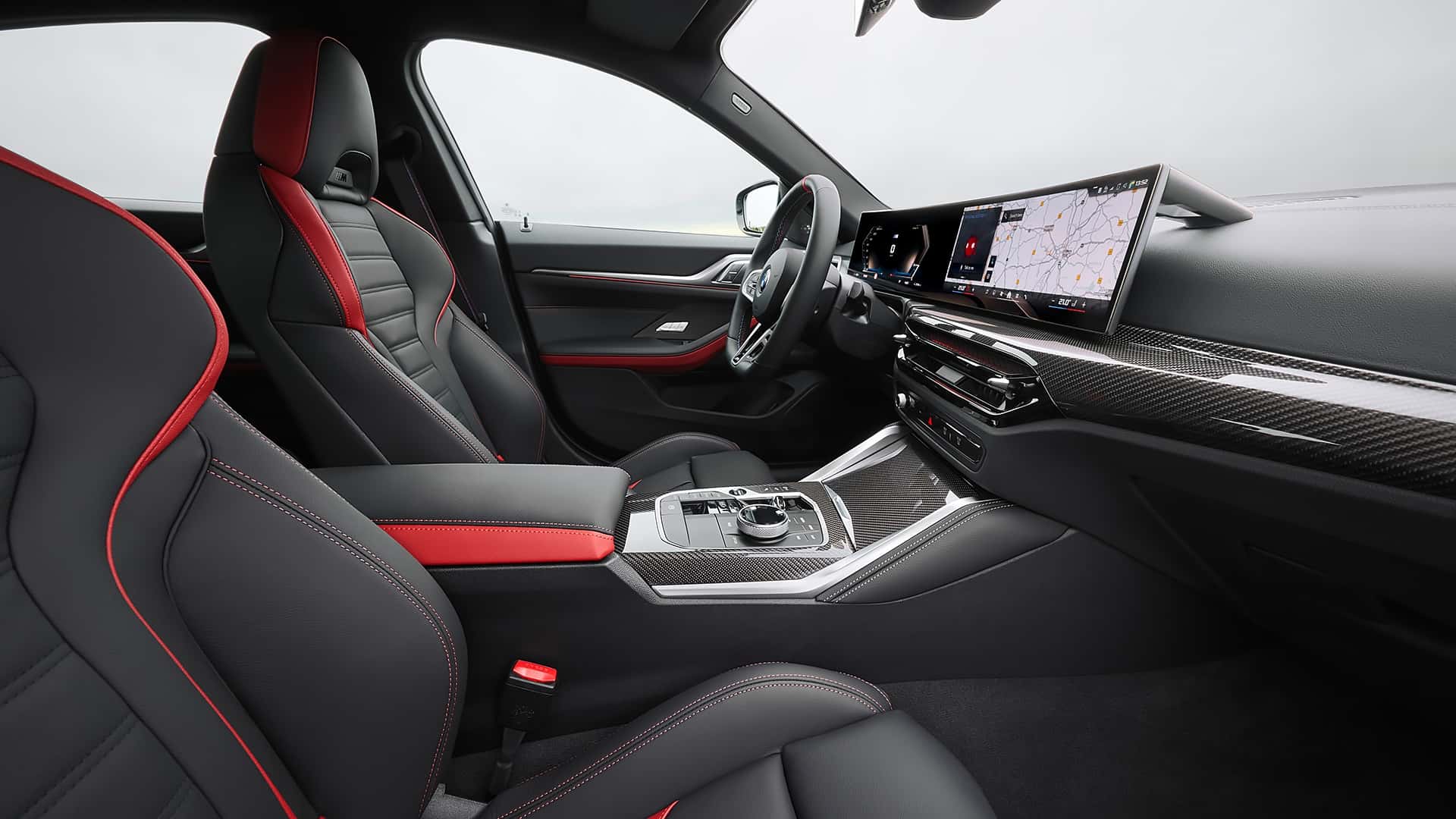
Moreover, the integration of technology into design should not compromise usability. Features that are difficult to operate or that distract from the driving experience can detract from a vehicle’s overall appeal. Manufacturers must prioritize user-friendly interfaces and intuitive controls to ensure that technology enhances rather than hinders the driving experience.

As the industry continues to innovate, the challenge will be to create designs that are not only visually striking but also practical and efficient. The focus must be on developing vehicles that meet the needs of today’s drivers while paving the way for the future of mobility.
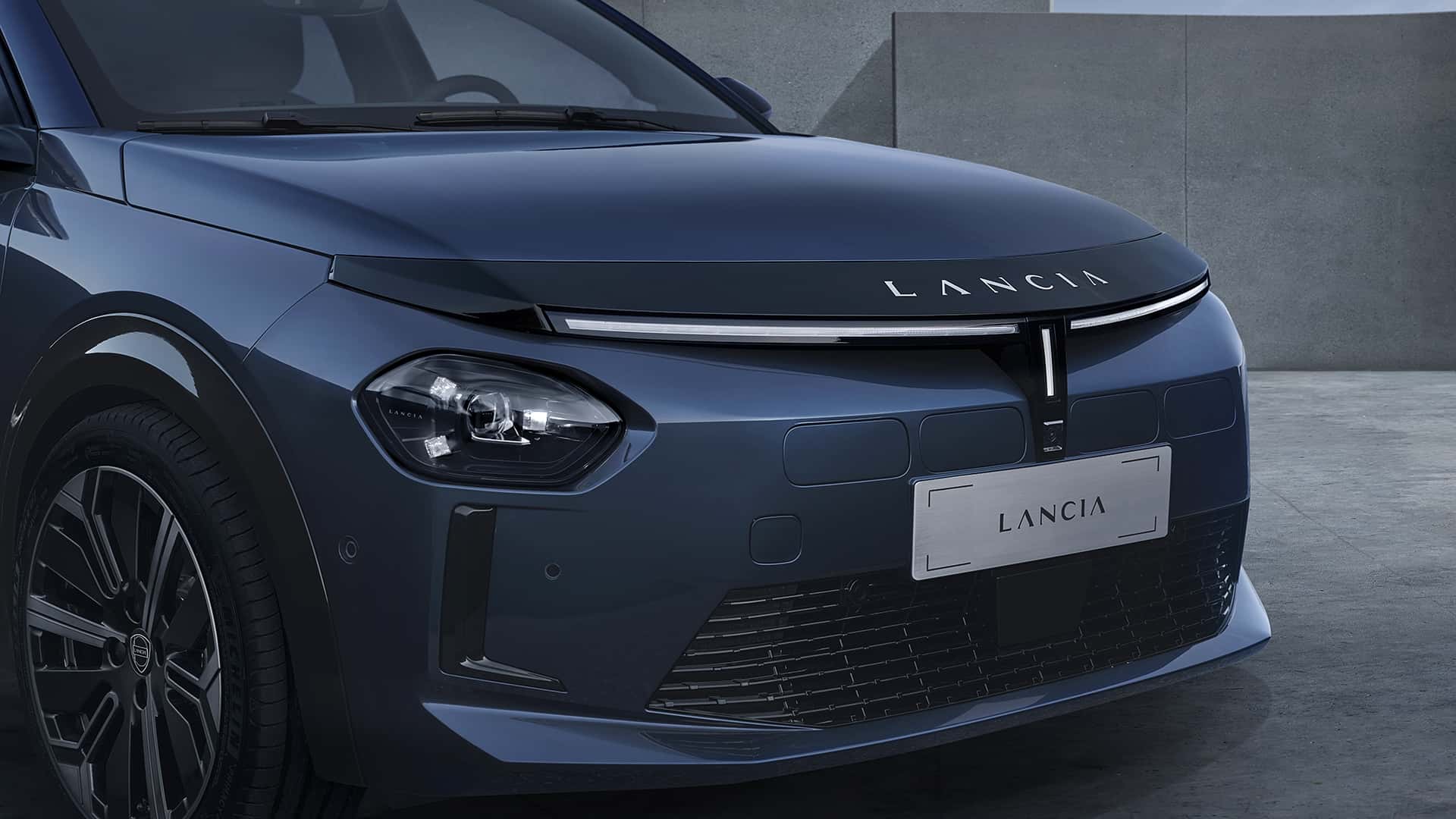
In conclusion, the automotive industry finds itself at a crossroads where design and technology must coexist in harmony. As consumers become more discerning, manufacturers that prioritize both aesthetics and functionality are likely to lead the market. The future of automotive design hinges on this delicate balance, ensuring that vehicles are not only beautiful but also capable of delivering the performance and efficiency that modern drivers demand.
Consumer Expectations: A New Era of Automotive Design
Today’s consumers are more informed and demanding than ever, expecting vehicles that reflect their values and lifestyles. As the market shifts towards sustainability, EV design must also align with these expectations, offering not just style but also eco-friendliness and efficiency.
Models like the Q4 e-tron and the Model 3 exemplify this new wave of design, where aesthetics meet advanced technology to create vehicles that resonate with environmentally conscious buyers. These models not only look good but also offer impressive range and performance, setting a standard for future designs.
As the automotive landscape continues to evolve, manufacturers must remain agile, adapting to changing consumer preferences while maintaining a focus on innovation. The coming years will be critical as the industry navigates this transition, with design and technology playing pivotal roles in shaping the future of mobility.

Ultimately, the future of automotive design will depend on the ability to create vehicles that are not only visually appealing but also practical and efficient. As the industry progresses, the challenge will be to find the right balance, ensuring that aesthetics and technology work together to create a new era of automotive excellence.

Looking ahead, the automotive industry must embrace this challenge, focusing on designs that resonate with consumers while also delivering the performance and efficiency that are essential for the future of mobility.
The Road Ahead: Balancing Aesthetics and Technology
In the coming years, the automotive industry will face increasing pressure to balance aesthetics with technology. As consumers demand more from their vehicles, manufacturers must innovate to meet these expectations while ensuring that their designs remain functional and efficient.
As the market evolves, the focus will shift towards creating vehicles that not only look good but also perform well and are environmentally friendly. This shift will require manufacturers to rethink their design philosophies, prioritizing both aesthetics and functionality to create vehicles that resonate with modern consumers.
In conclusion, the future of automotive design will depend on the ability to create vehicles that are not only beautiful but also practical and efficient. As the industry navigates this transition, the challenge will be to find the right balance, ensuring that aesthetics and technology work together to create a new era of automotive excellence.