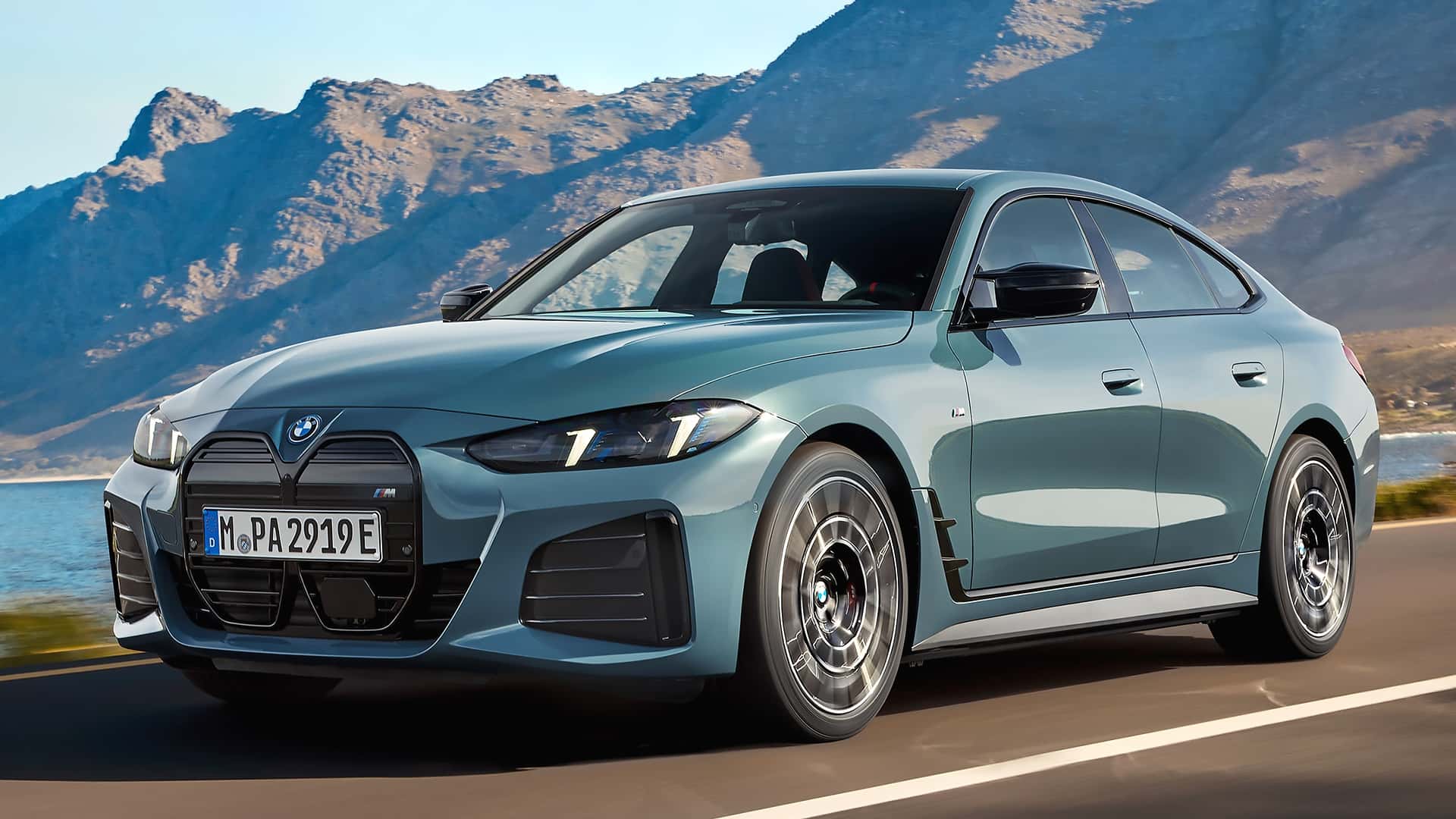
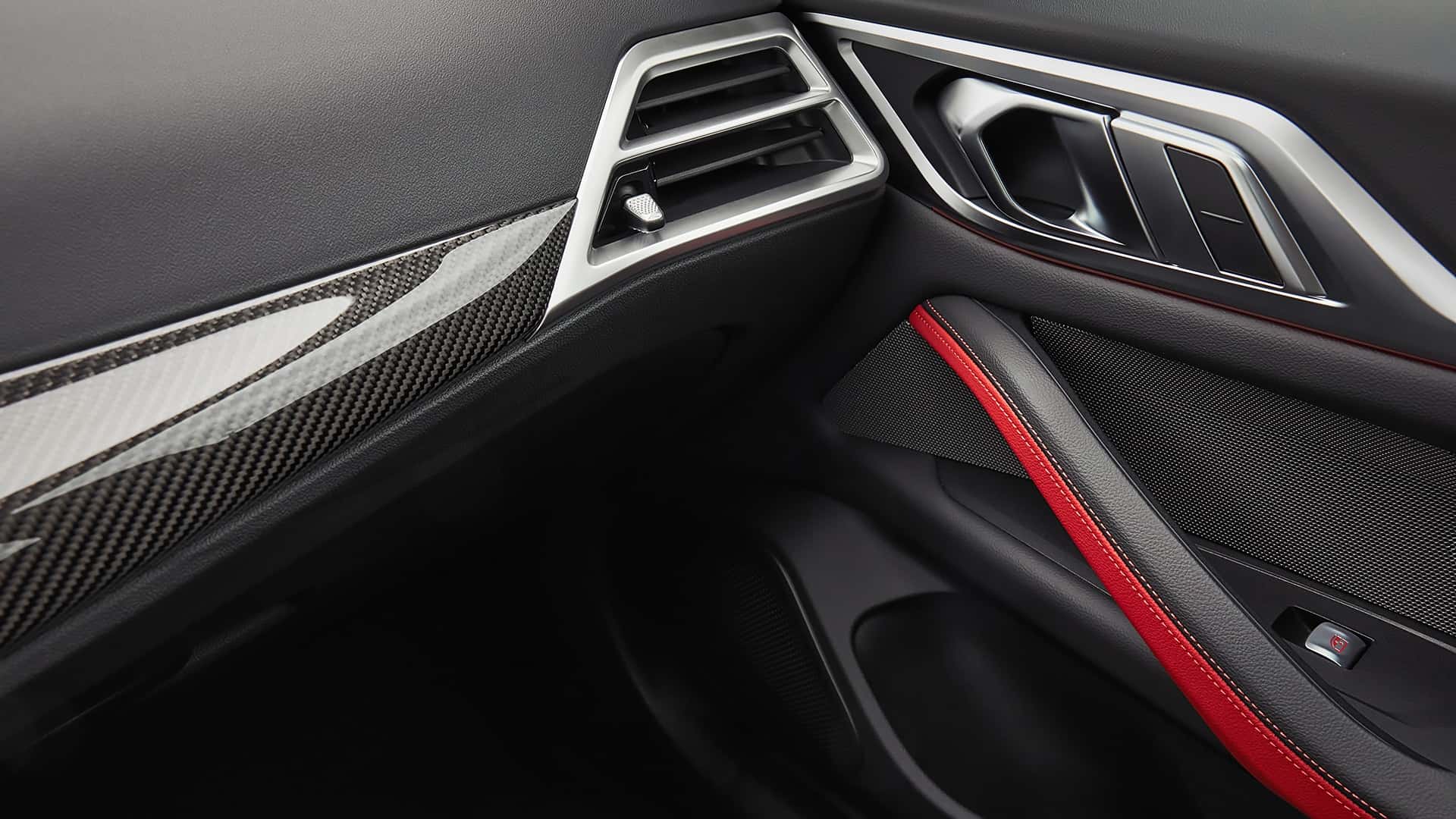
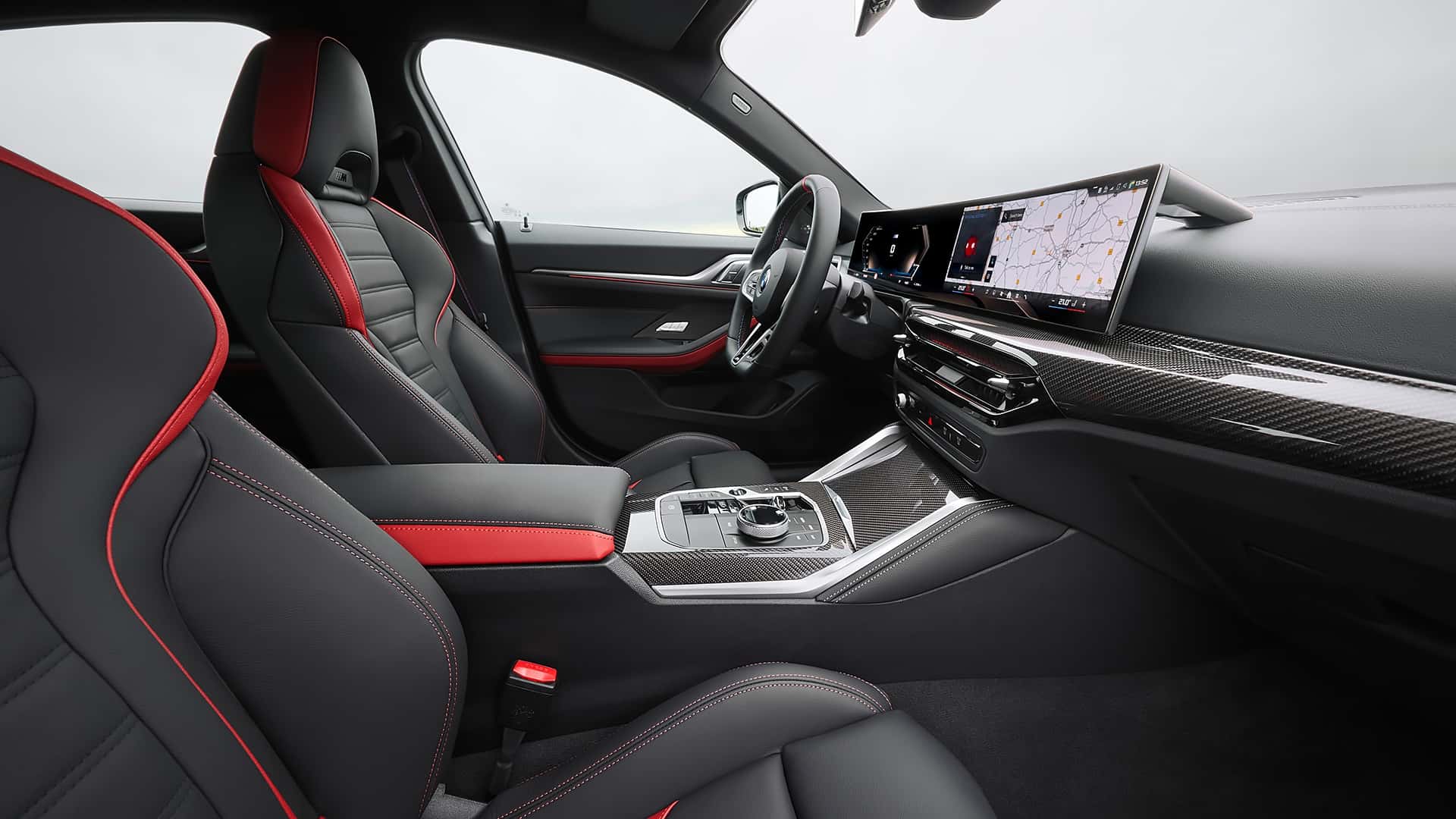
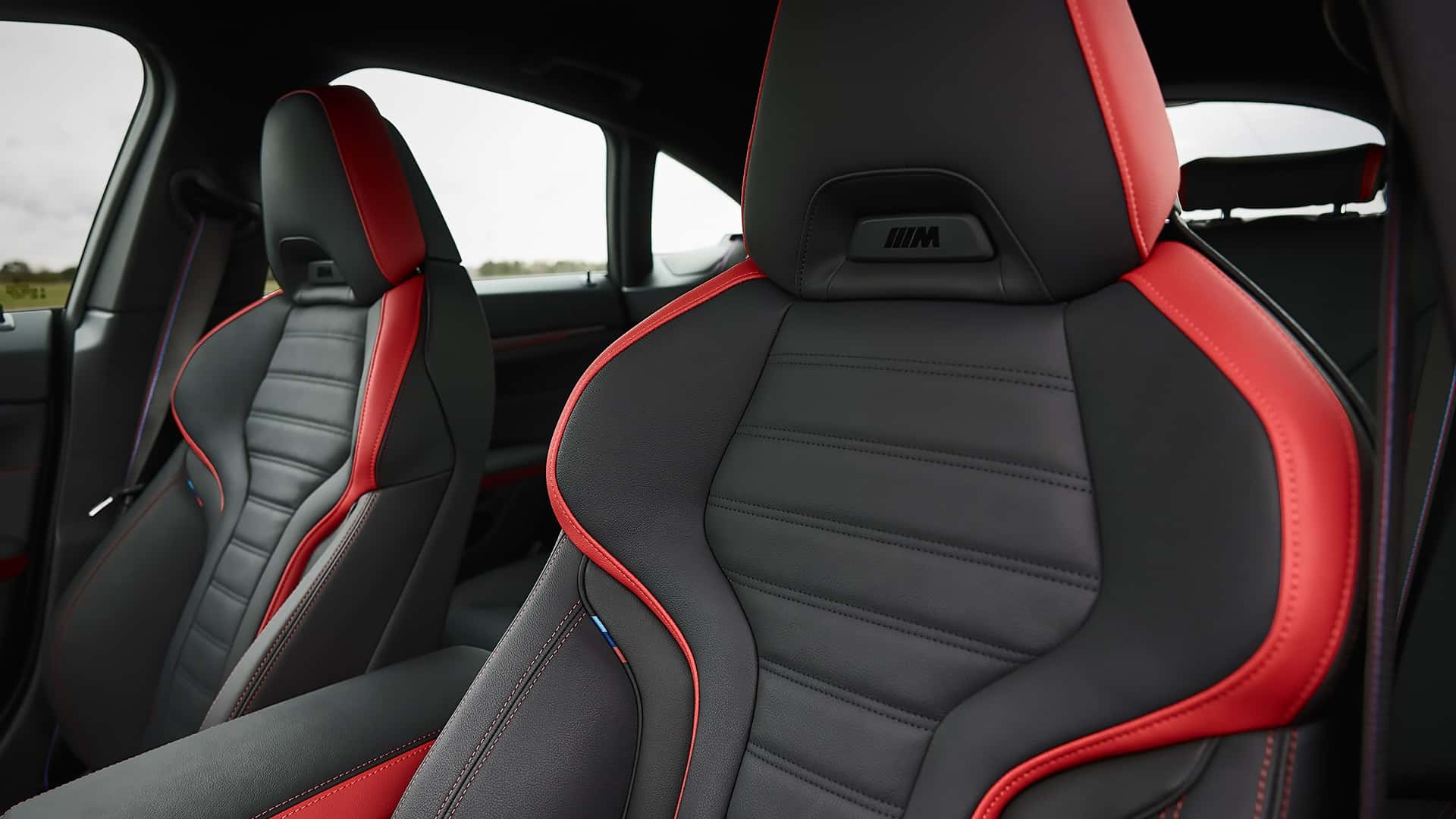
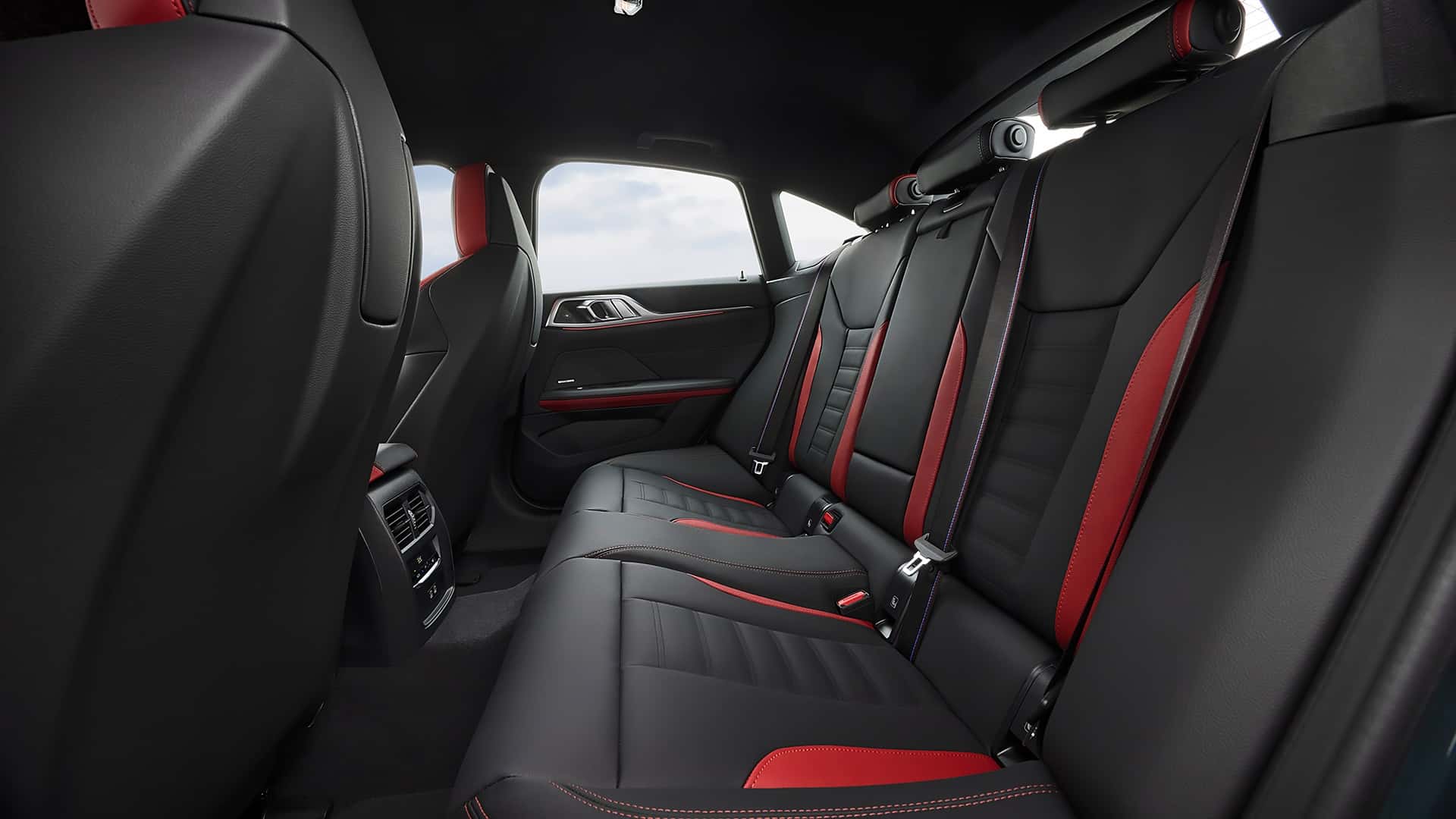
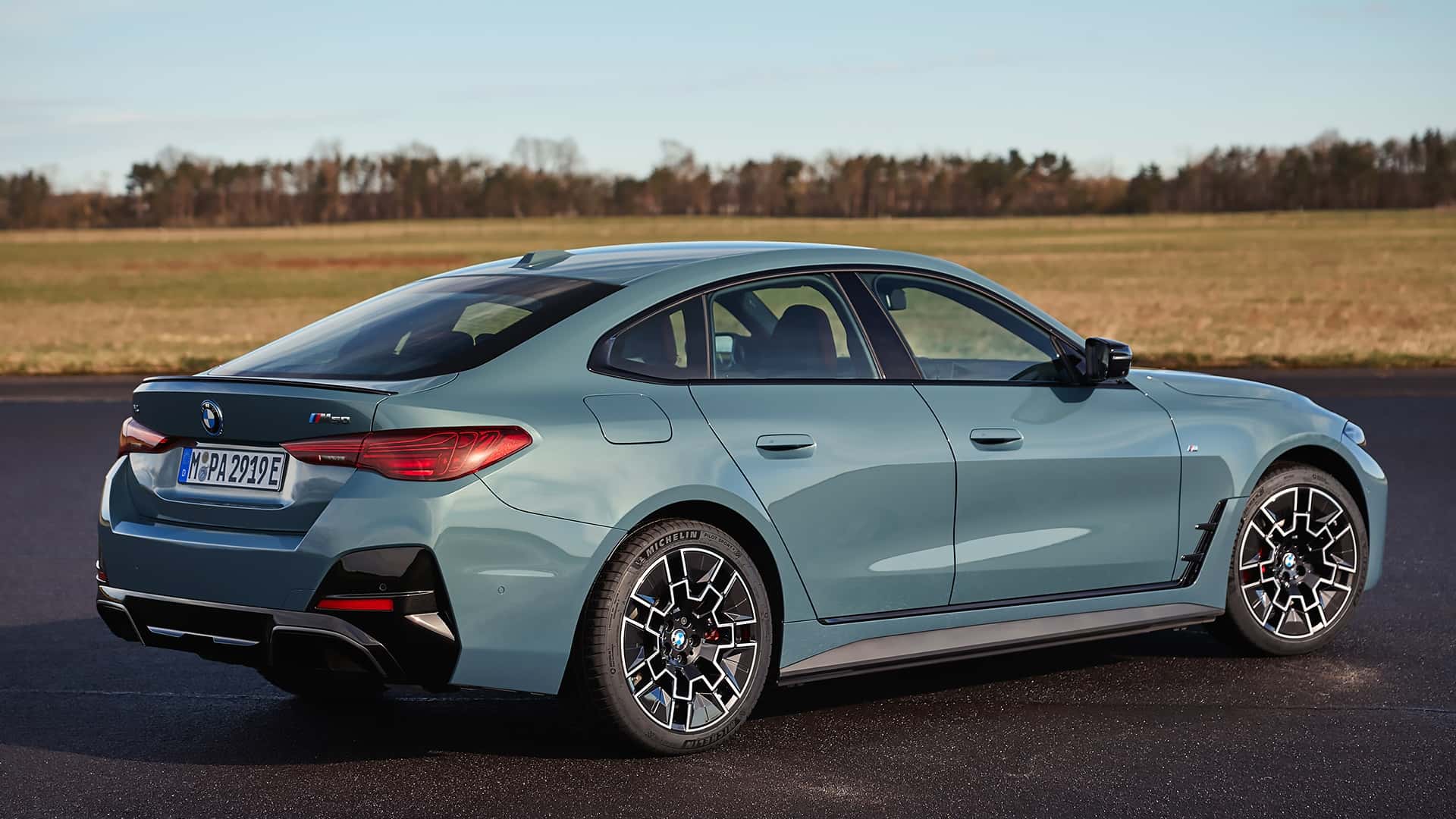
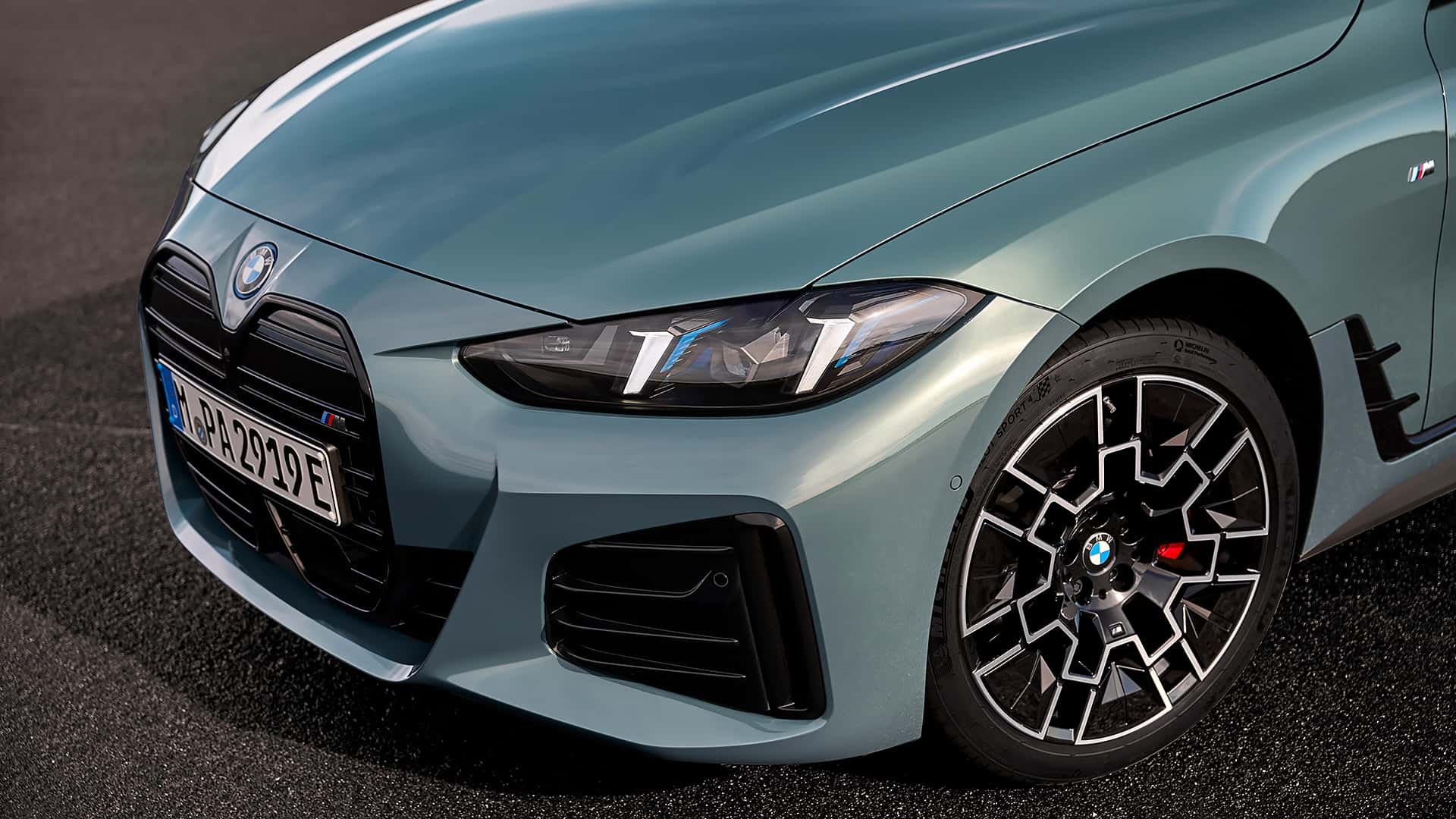
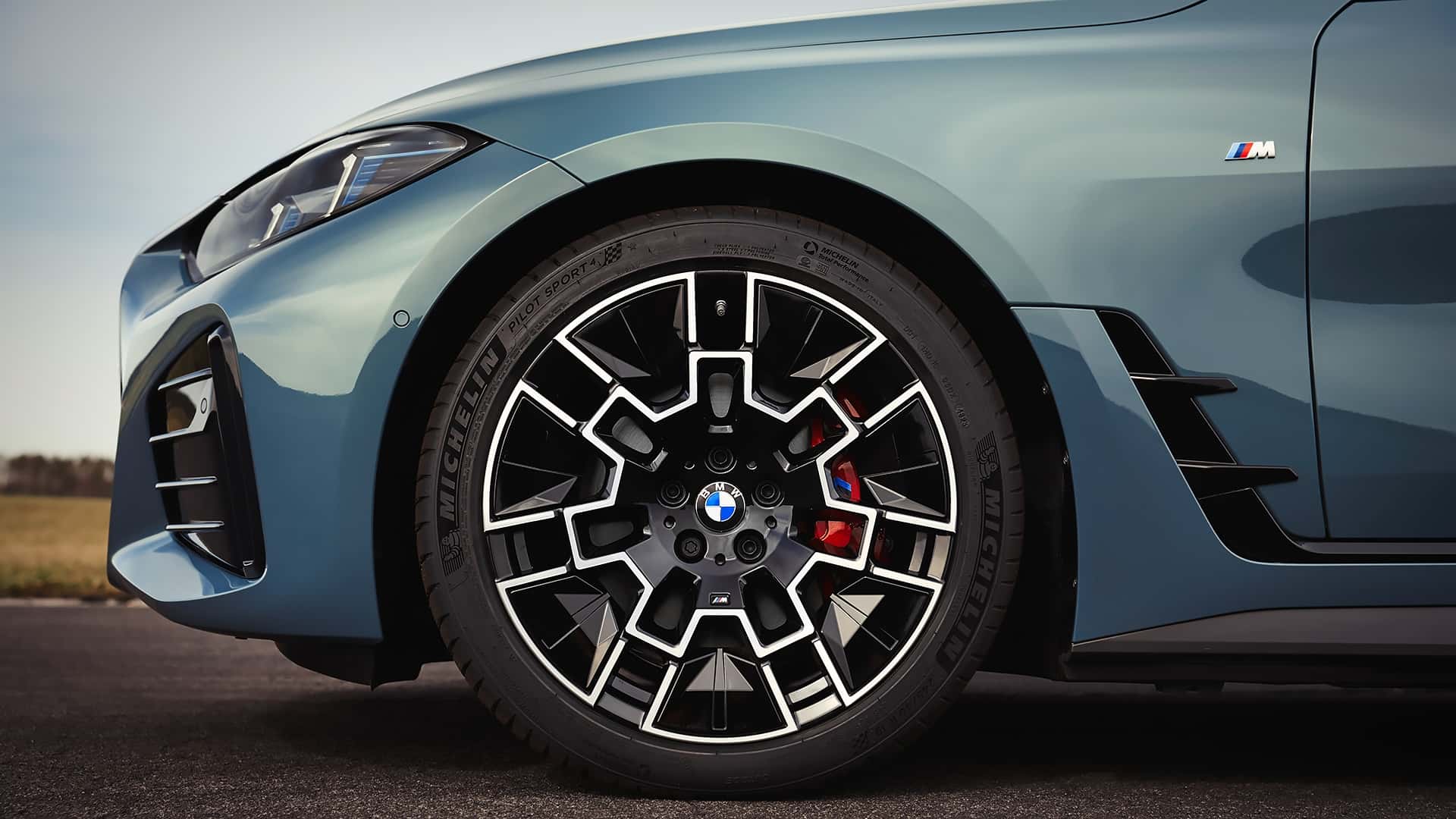
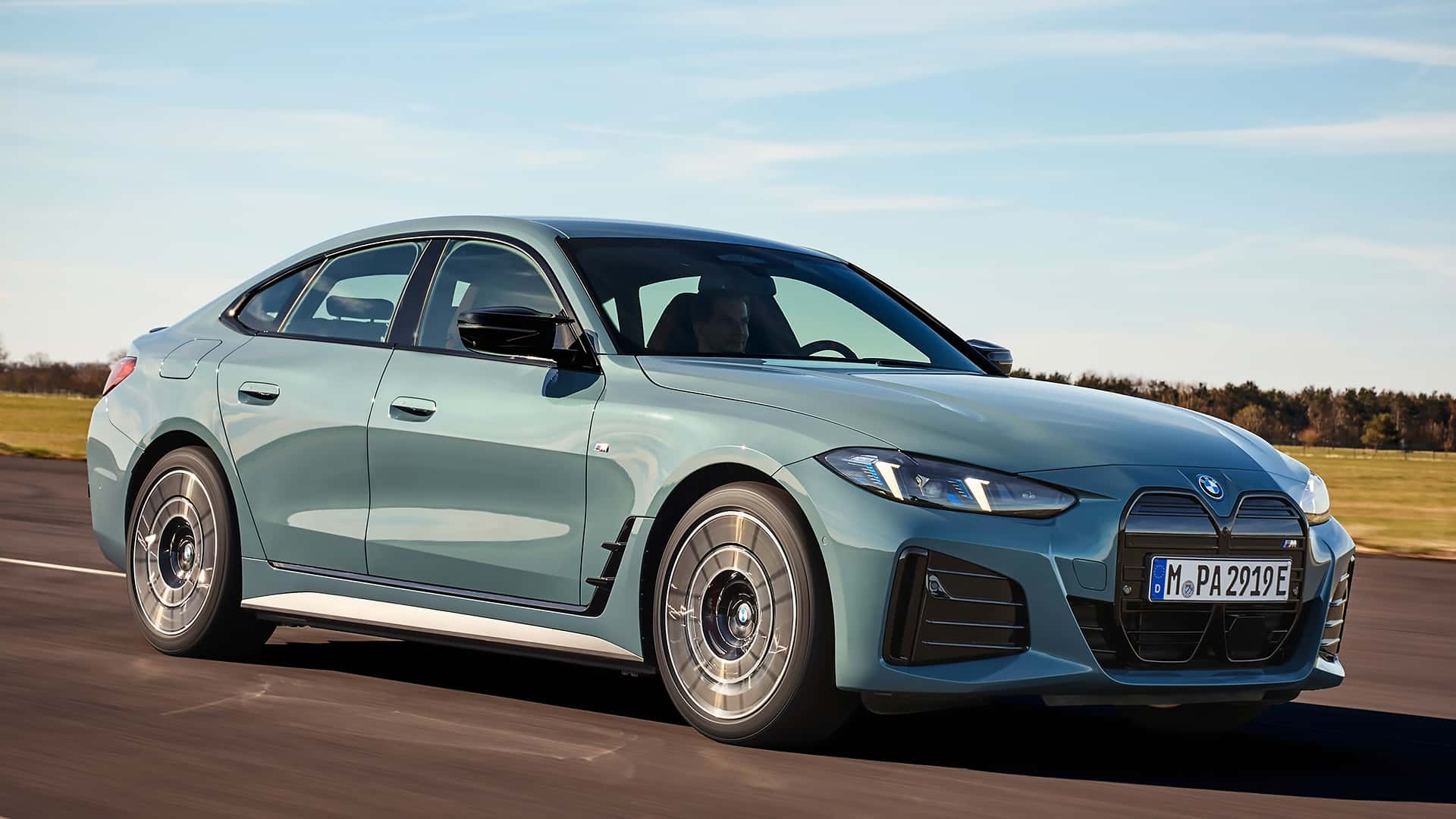
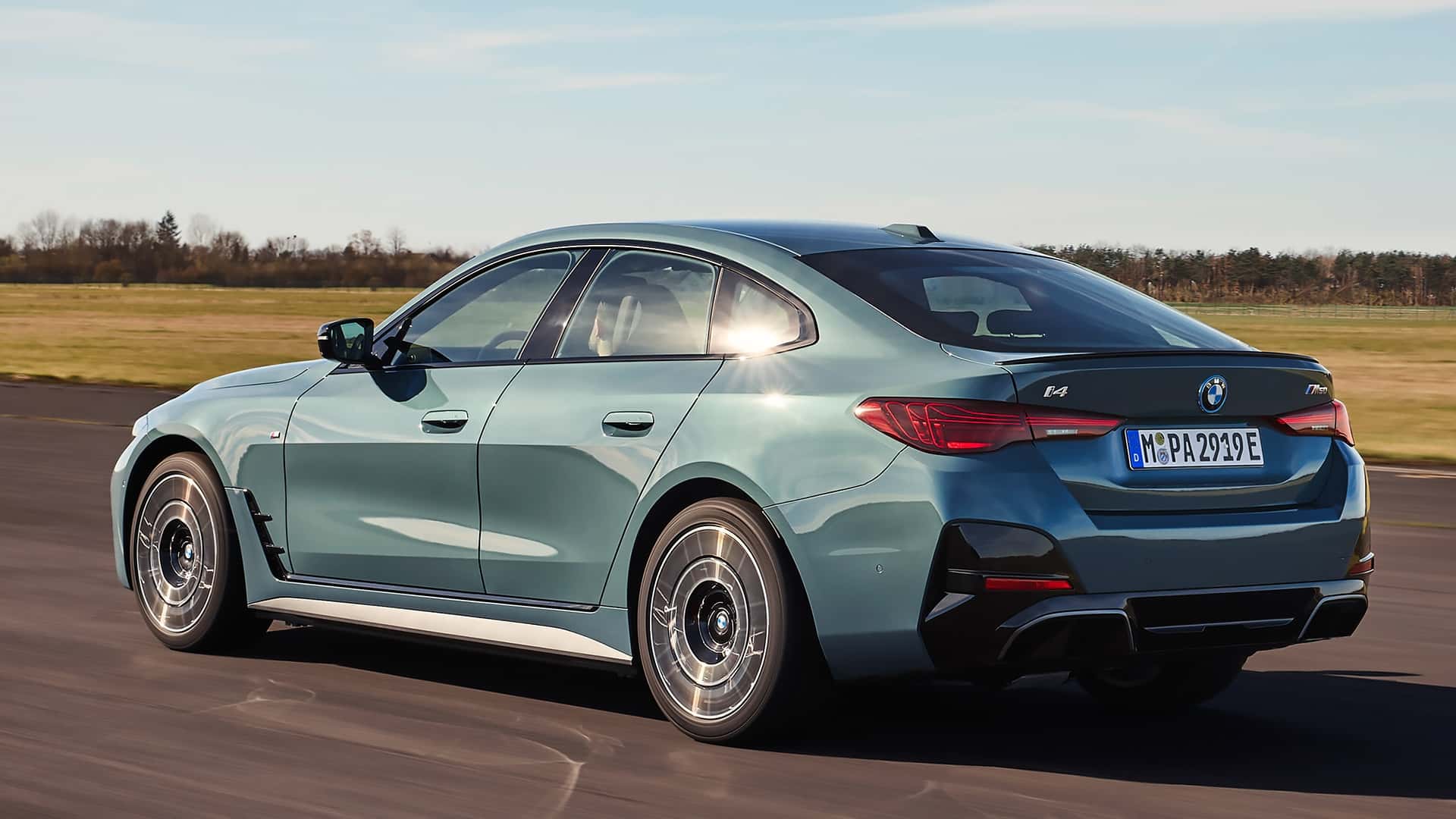
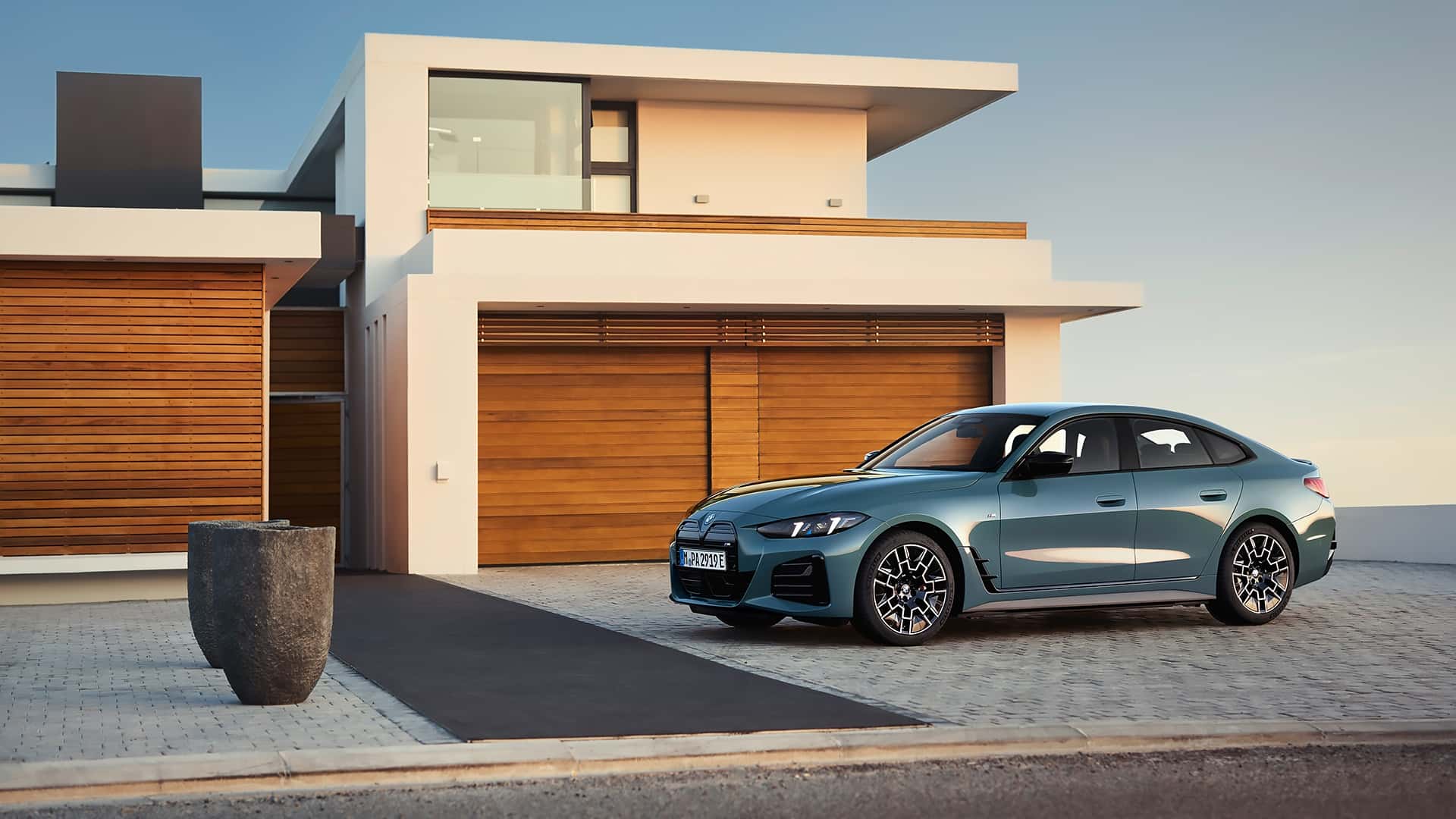
Automotive design often blurs the line between aesthetics and technology, creating vehicles that are both visually striking and technologically advanced. As automakers vie for consumer attention, integrating cutting-edge technologies into sleek designs has become essential. This trend is reshaping the automotive industry and influencing buying preferences and market dynamics.
In an era where electric vehicles (EVs) are gaining traction, the connection between form and function is more crucial than ever. Consumers are not just looking for stylish cars; they want vehicles that offer efficiency, range, and innovative features. The challenge for manufacturers is to meet these expectations while maintaining strong visual appeal.
Designing for the Future: Balancing Beauty and Functionality
Today’s car designs must satisfy both aesthetic desires and practical needs. The shift towards sustainable materials and eco-friendly production processes is transforming how vehicles are conceived. As manufacturers embrace this new paradigm, they are also exploring how to seamlessly integrate advanced technologies into their designs.
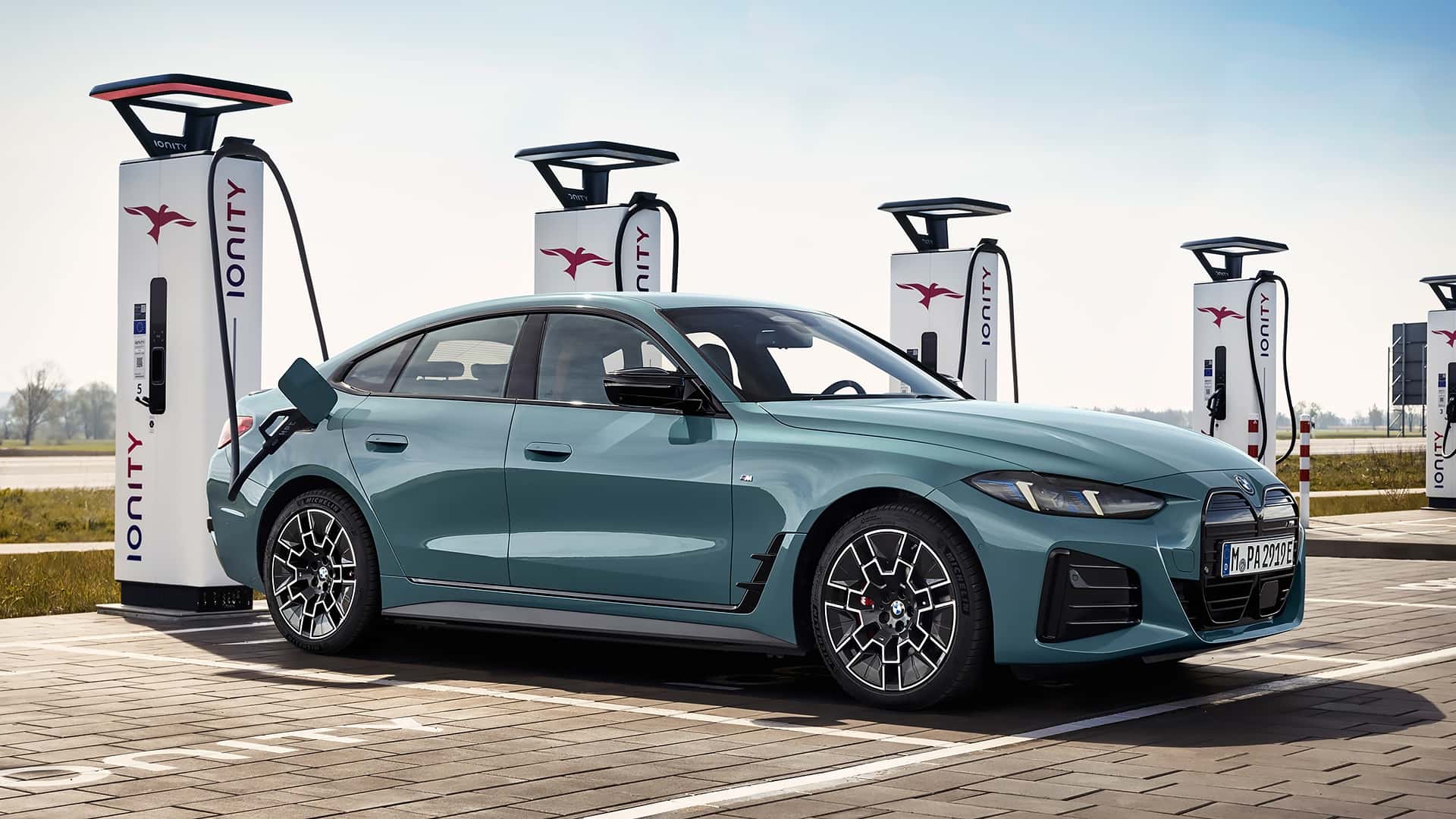
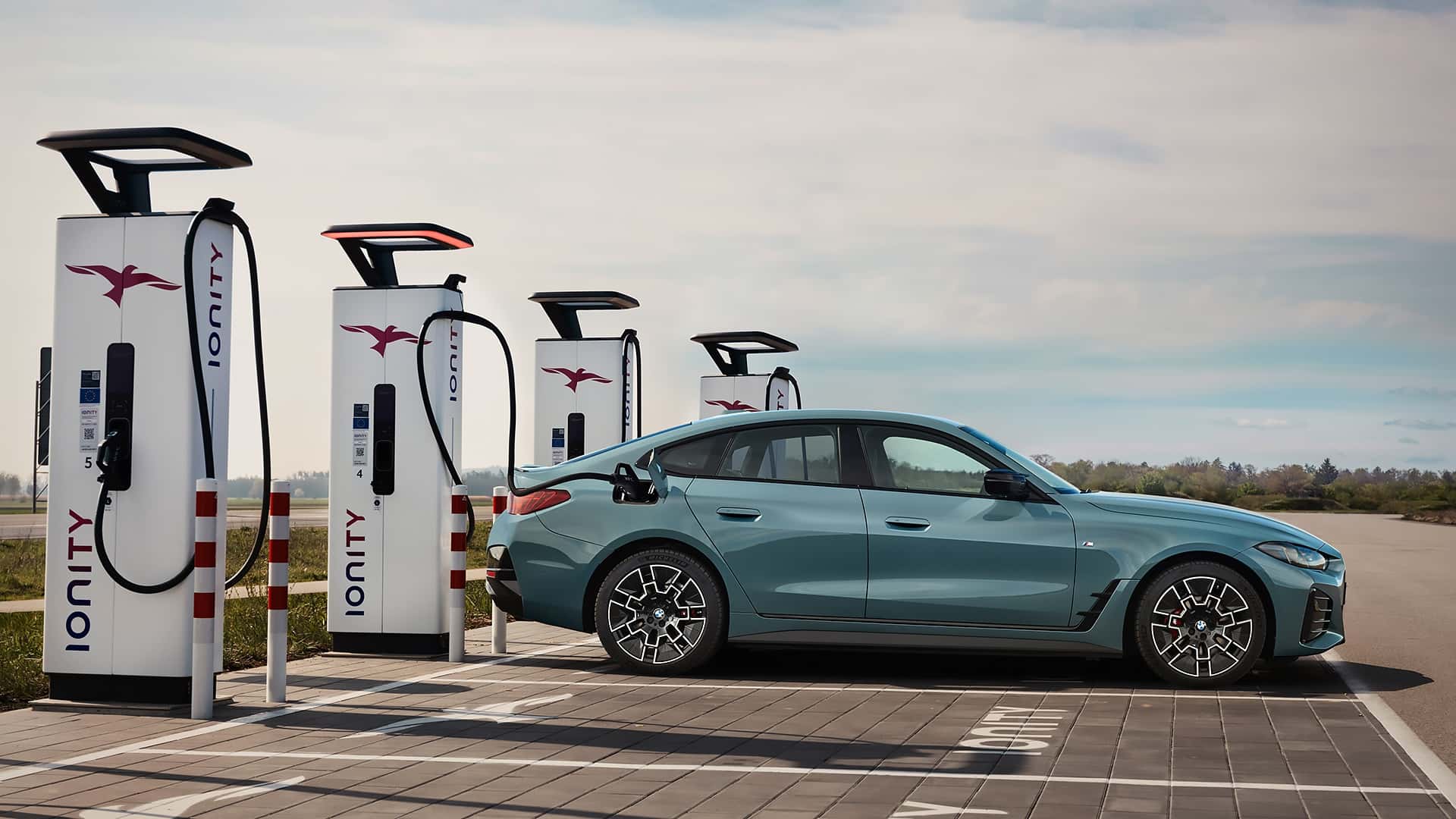
For instance, integrating charging ports into electric vehicle designs is becoming increasingly common, allowing for a cleaner and more streamlined appearance. This not only enhances the vehicle’s aesthetics but also optimizes functionality, making it easier for users to charge their cars without compromising design integrity.

As the automotive industry evolves, design will play a crucial role in attracting consumers. The challenge lies in creating vehicles that are not only beautiful but also deliver outstanding performance in terms of efficiency and technology.
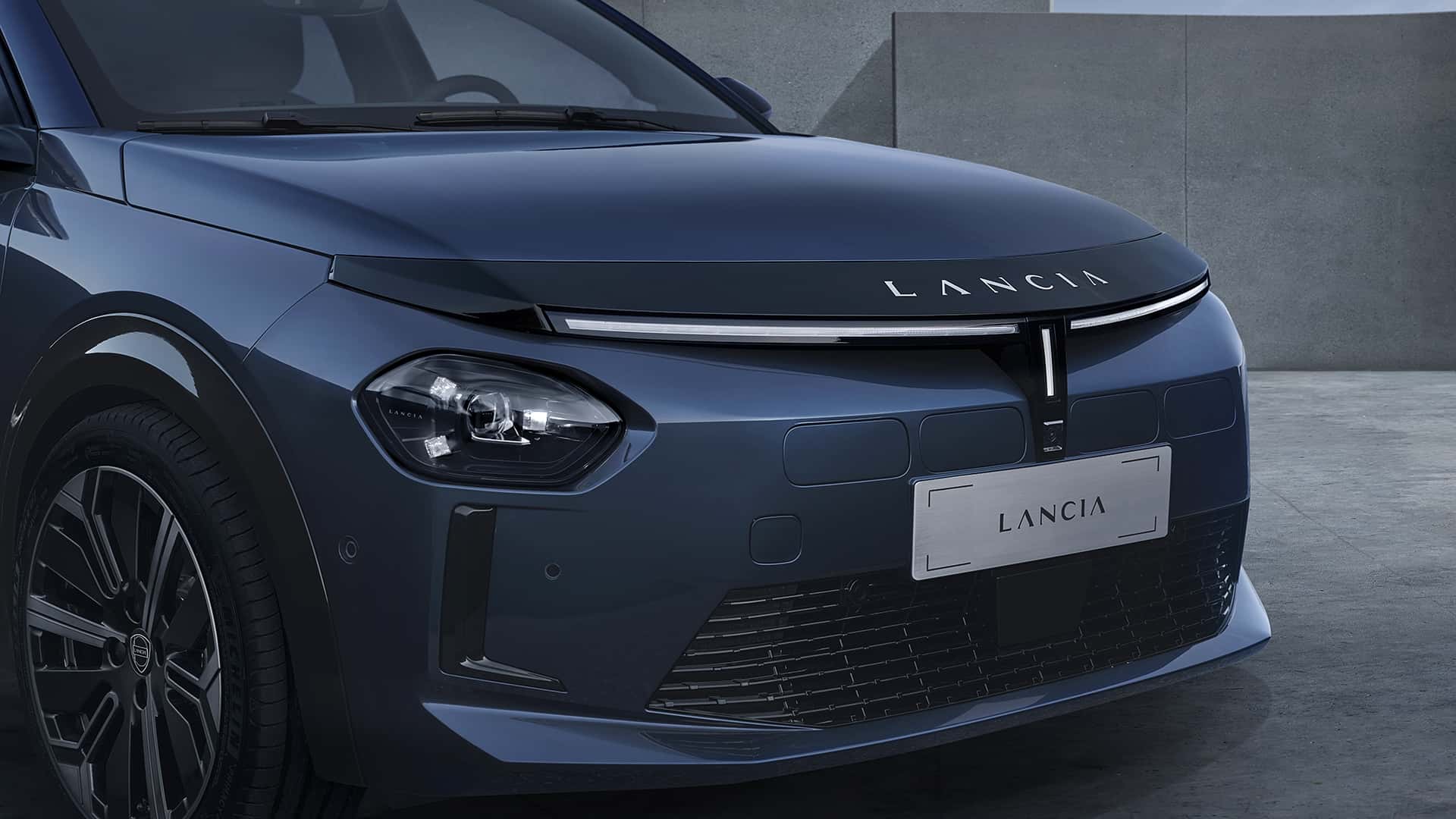
The 2024 Lancia Ypsilon, for example, demonstrates how modern design can integrate advanced technologies while maintaining an elegant look.
Performance and Aesthetics: The Future of Automotive Design
Performance is no longer just about engine power; it encompasses the entire driving experience. As manufacturers strive to create vehicles that are both visually appealing and powerful, technology integration becomes essential. The balance between aesthetics and performance will determine the future of automotive design.
In the future, the automotive industry will continue to focus on electric vehicles, with manufacturers aiming to create designs that reflect sustainability and innovation. Competition will intensify as brands vie for consumer attention, making it vital to keep up with design trends.

The 2024 Audi Q4 35 e-tron illustrates this trend, combining sleek design with advanced electric technologies. As consumers become increasingly discerning, the demand for vehicles that offer both style and substance will grow.

The 2026 Tesla Model 3 Standard once again shows how design and technology can coexist harmoniously. As the market evolves, manufacturers must adapt to changing consumer preferences and ensure their designs resonate with buyers.
Embracing Innovation: The Role of Technology in Design
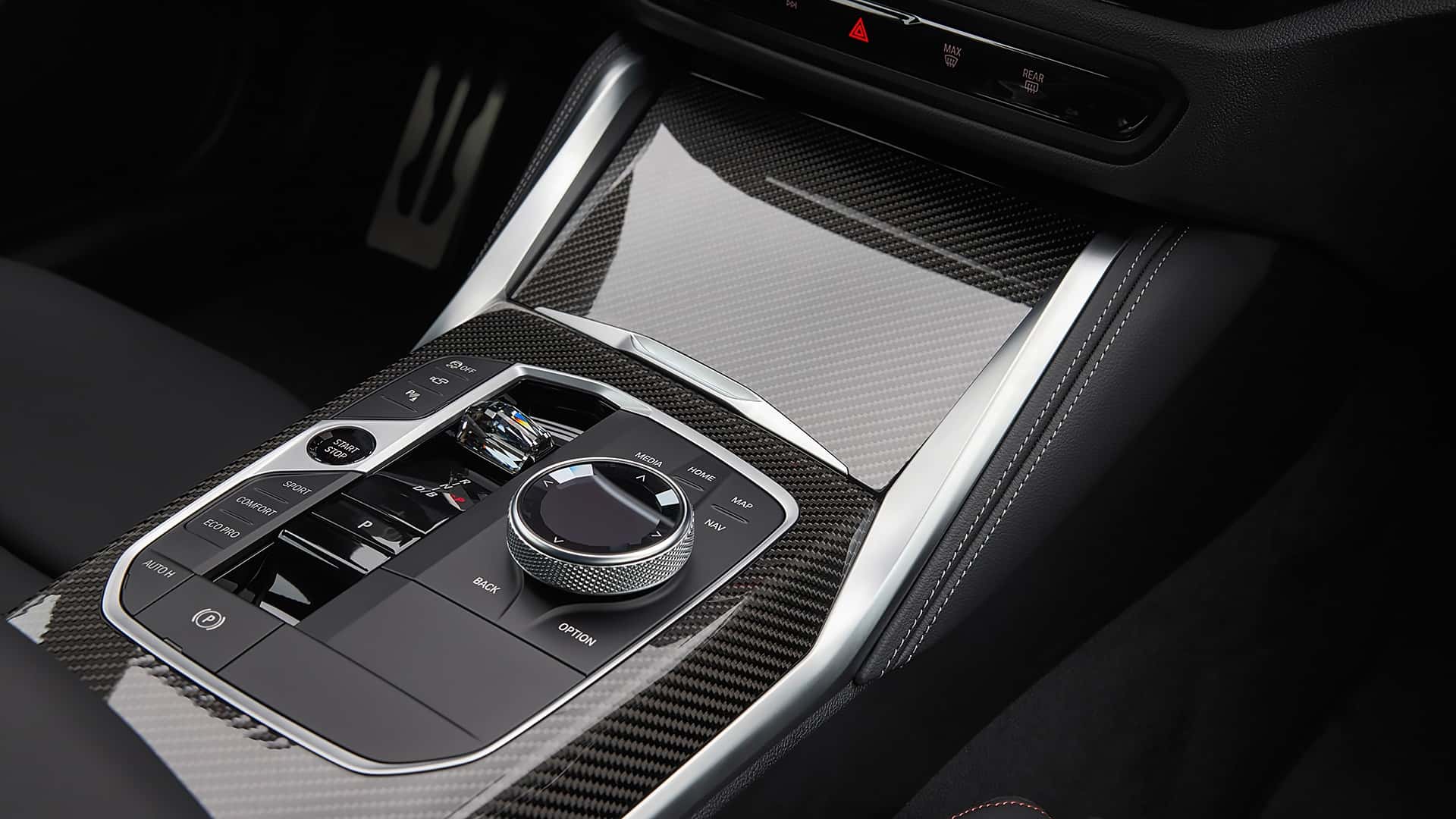
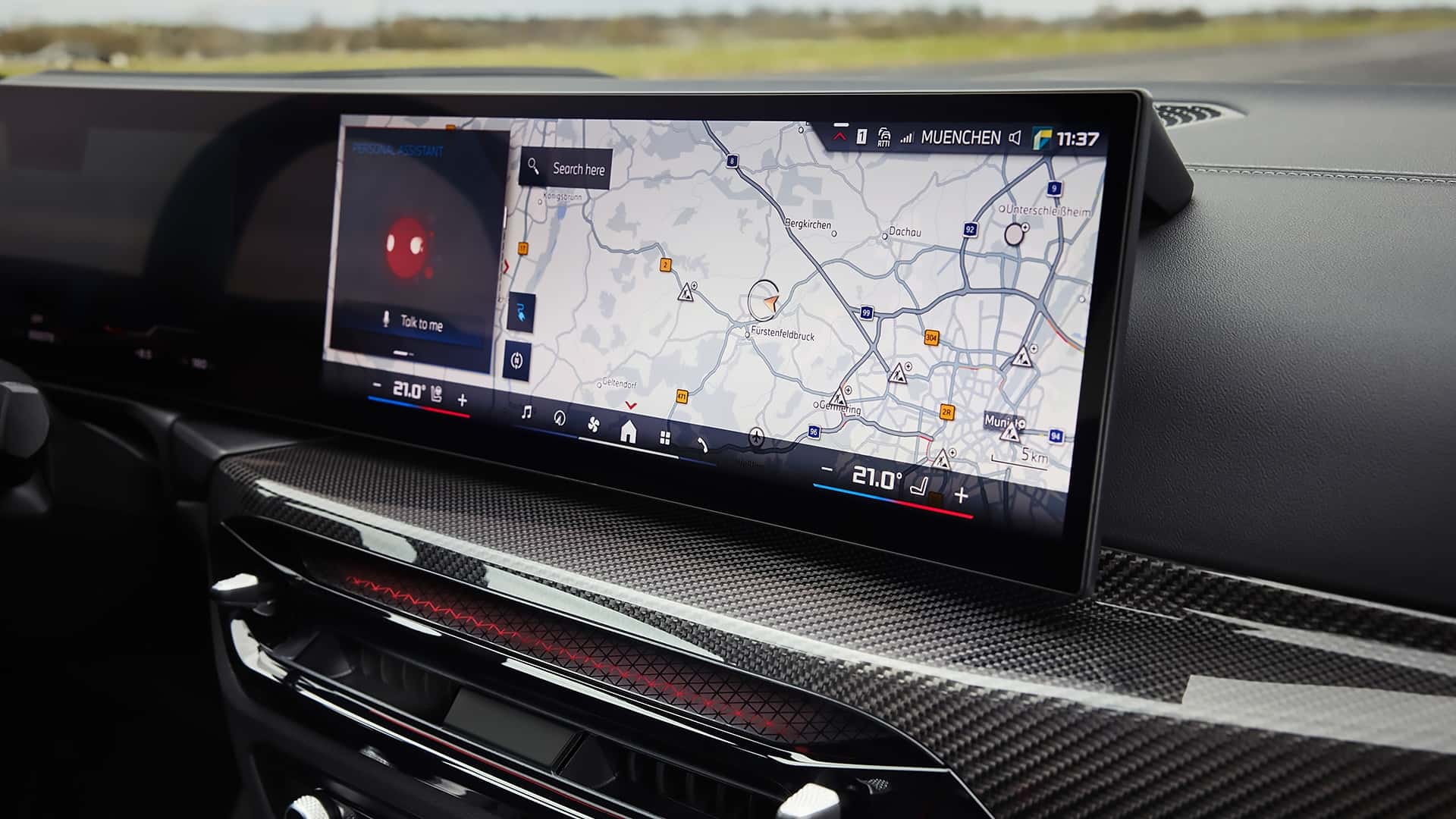
Innovation in automotive design is not just about aesthetics; it also aims to enhance the driving experience. With technological advancements, manufacturers are finding new ways to integrate features that improve safety, efficiency, and overall performance. Attention to user-friendly interfaces and smart technologies will shape the future of automotive design.
In the future, the automotive industry is expected to see an increase in demand for vehicles that prioritize both style and functionality. The integration of advanced technologies into automotive design will become increasingly important as consumers seek vehicles that reflect their values and lifestyles.

The new 2024 Citroën C3 is an exceptional example of how design can evolve to meet consumer needs while considering technological advancements. As manufacturers continue to innovate, the future of automotive design will be characterized by a commitment to sustainability and performance.

The BMW Series 7 showcases how luxury and technology can be united in a cohesive design. As the automotive landscape changes, manufacturers must remain agile and adapt their designs to the needs of a constantly evolving market.
Conclusion: The Future of Automotive Design is Bright
The future of automotive design is rich with exciting developments as manufacturers continue to push the boundaries of innovation. With changing consumer preferences, the importance of integrating technology into design becomes increasingly relevant. The automotive industry is undergoing a transformation where aesthetics and technology coexist harmoniously, creating vehicles that are not only beautiful but also deliver outstanding performance.
In the future, the focus on sustainability and advanced technology will shape the next generation of vehicles. Manufacturers that embrace these changes will be well-positioned to thrive in a competitive market, while those that resist may fall behind.