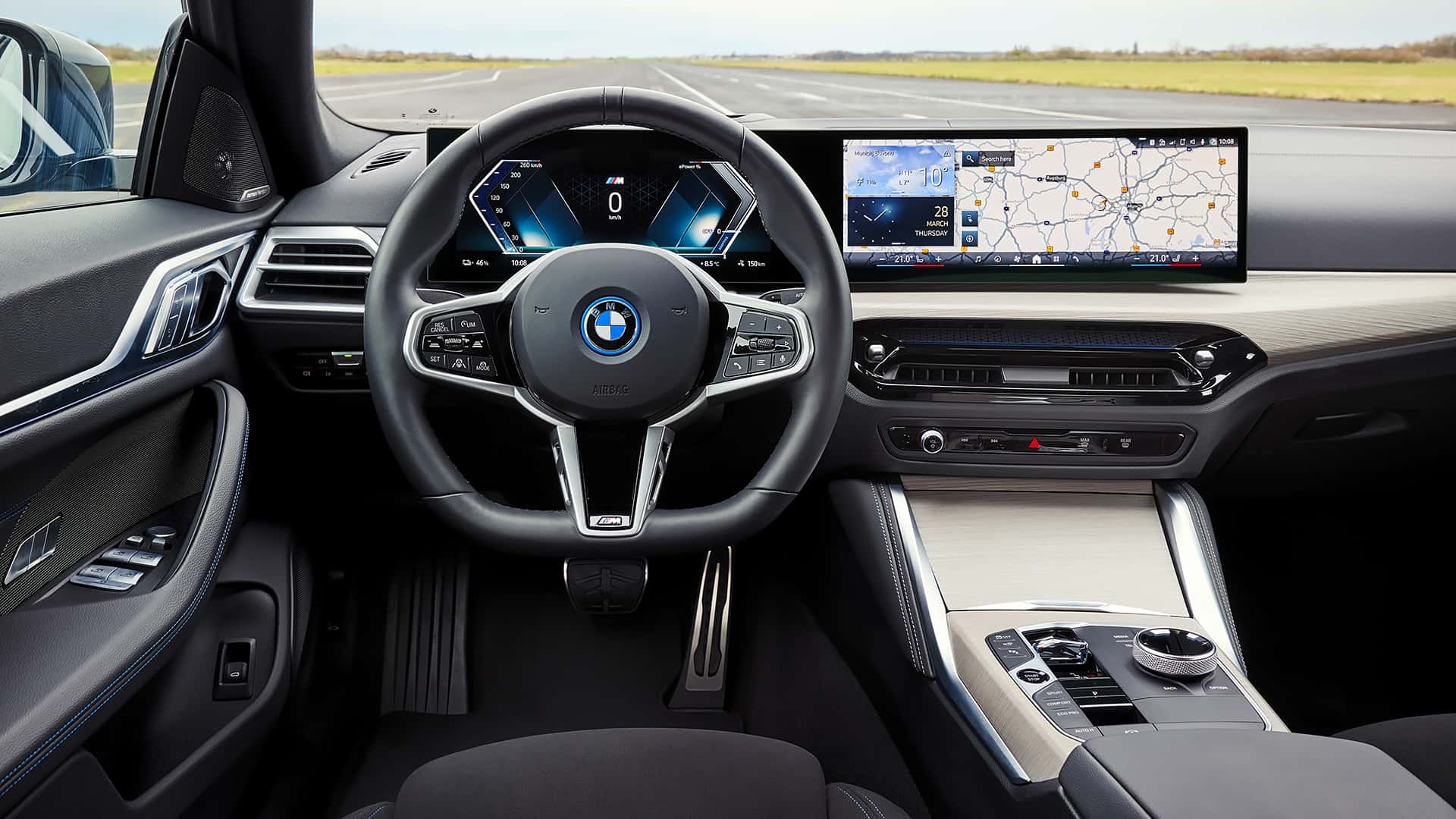
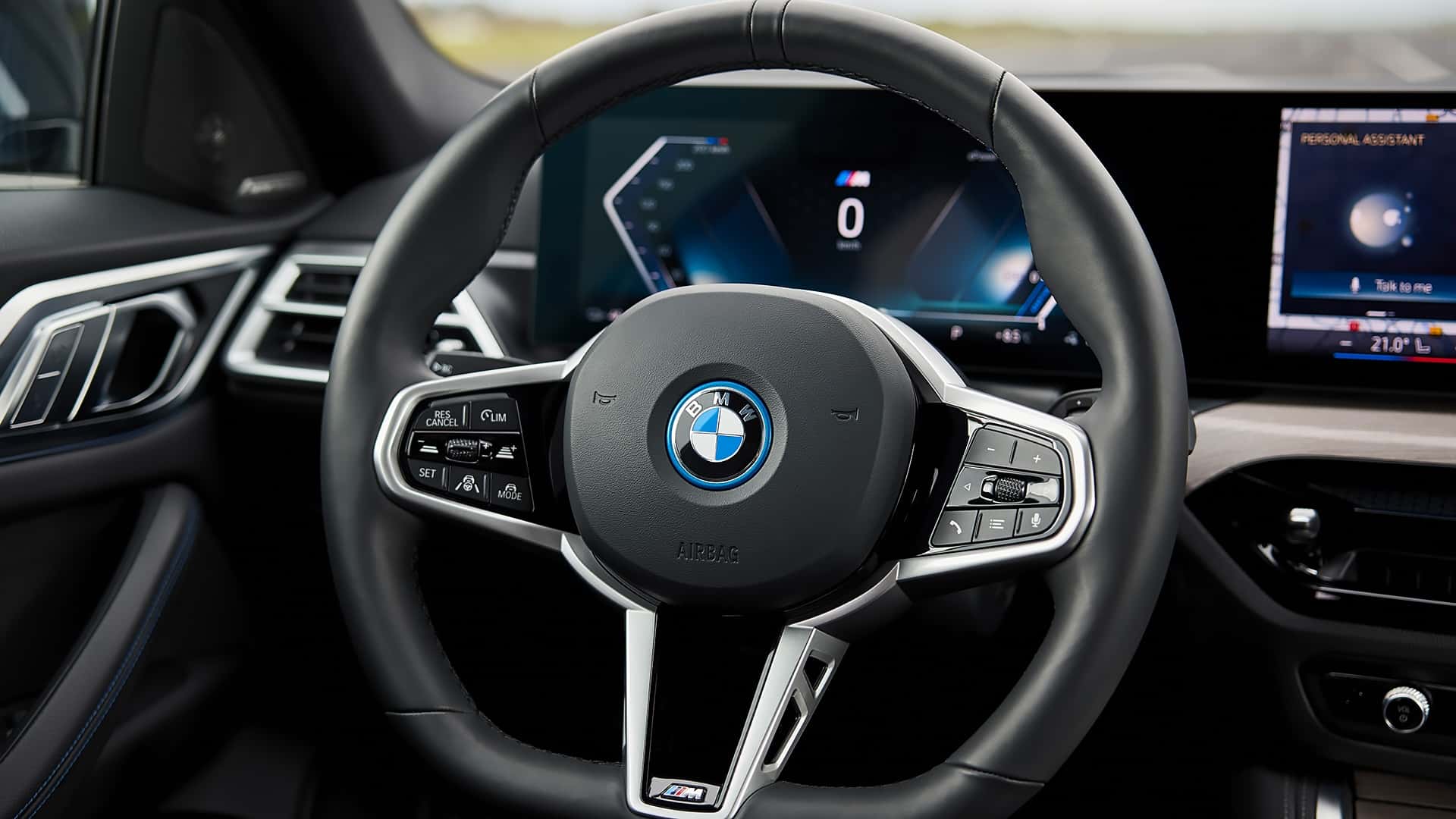
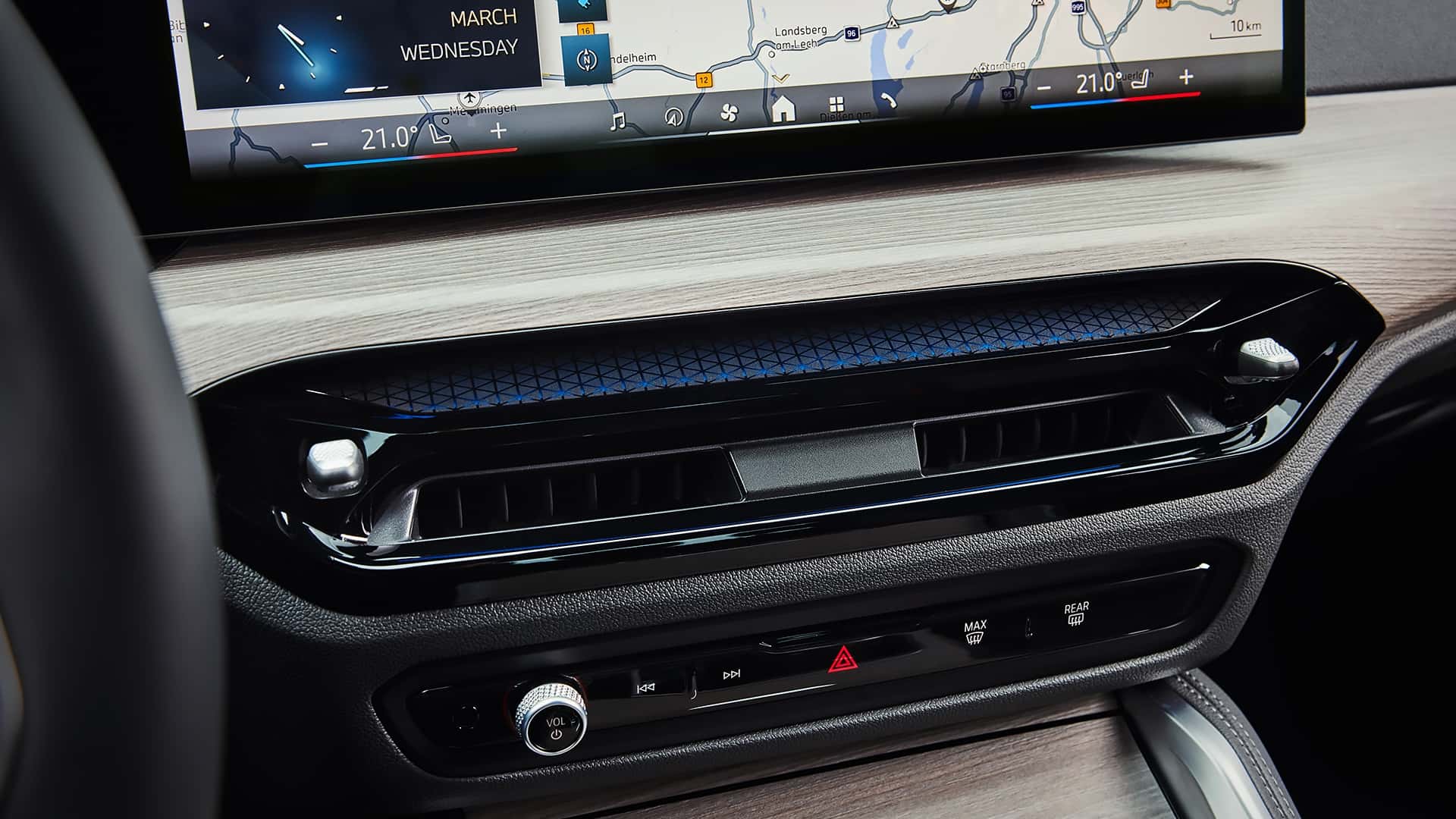
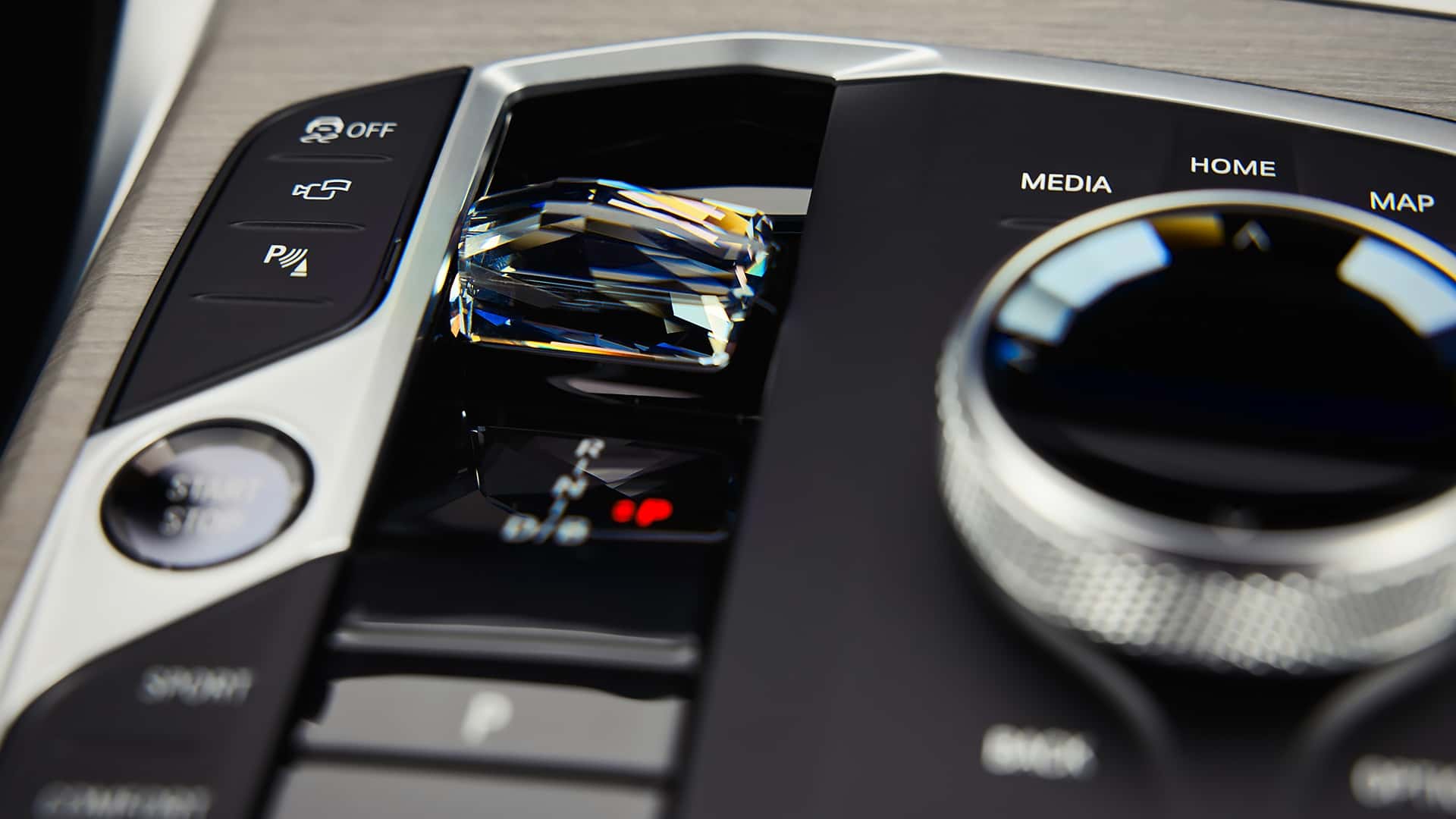
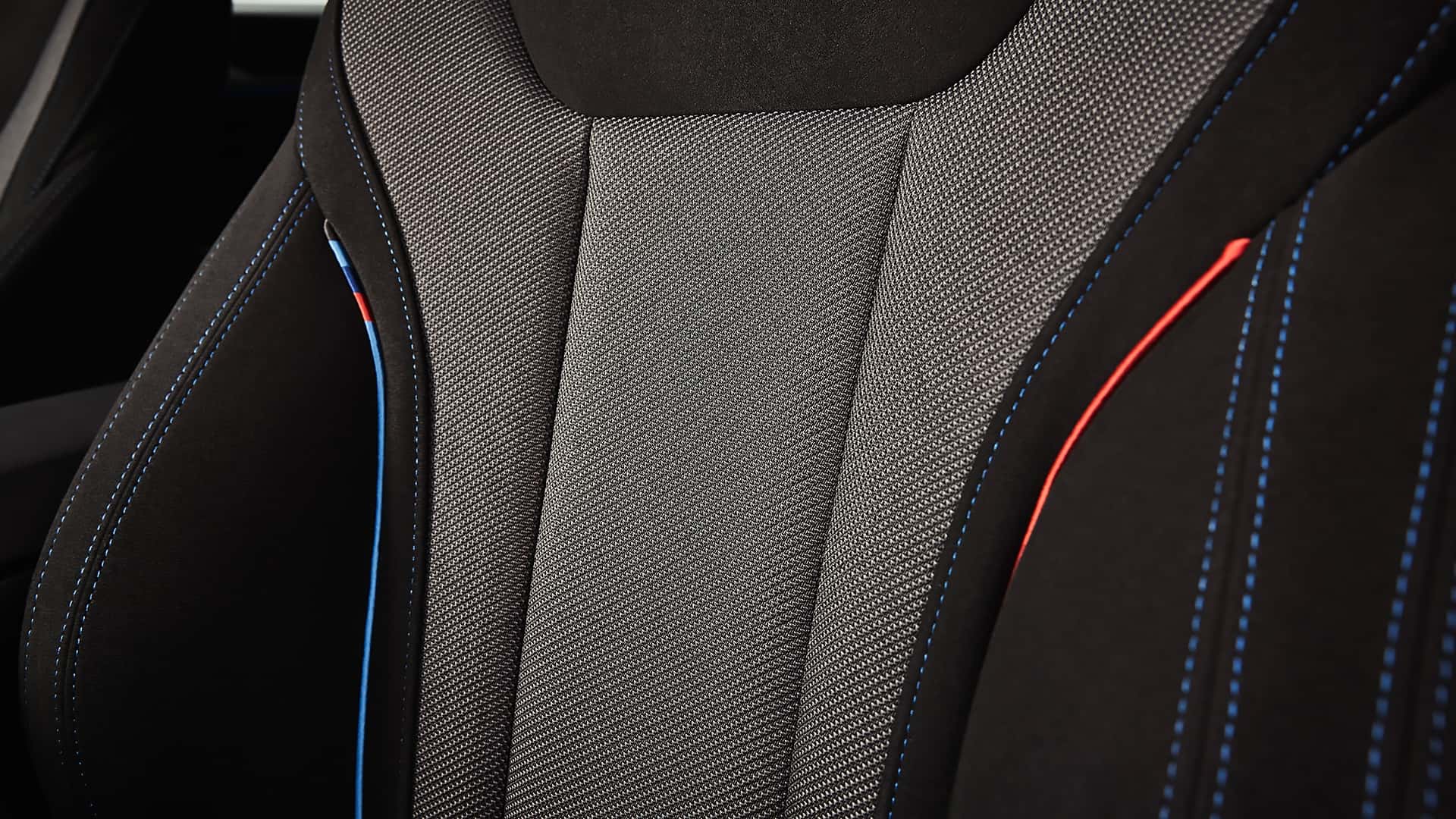
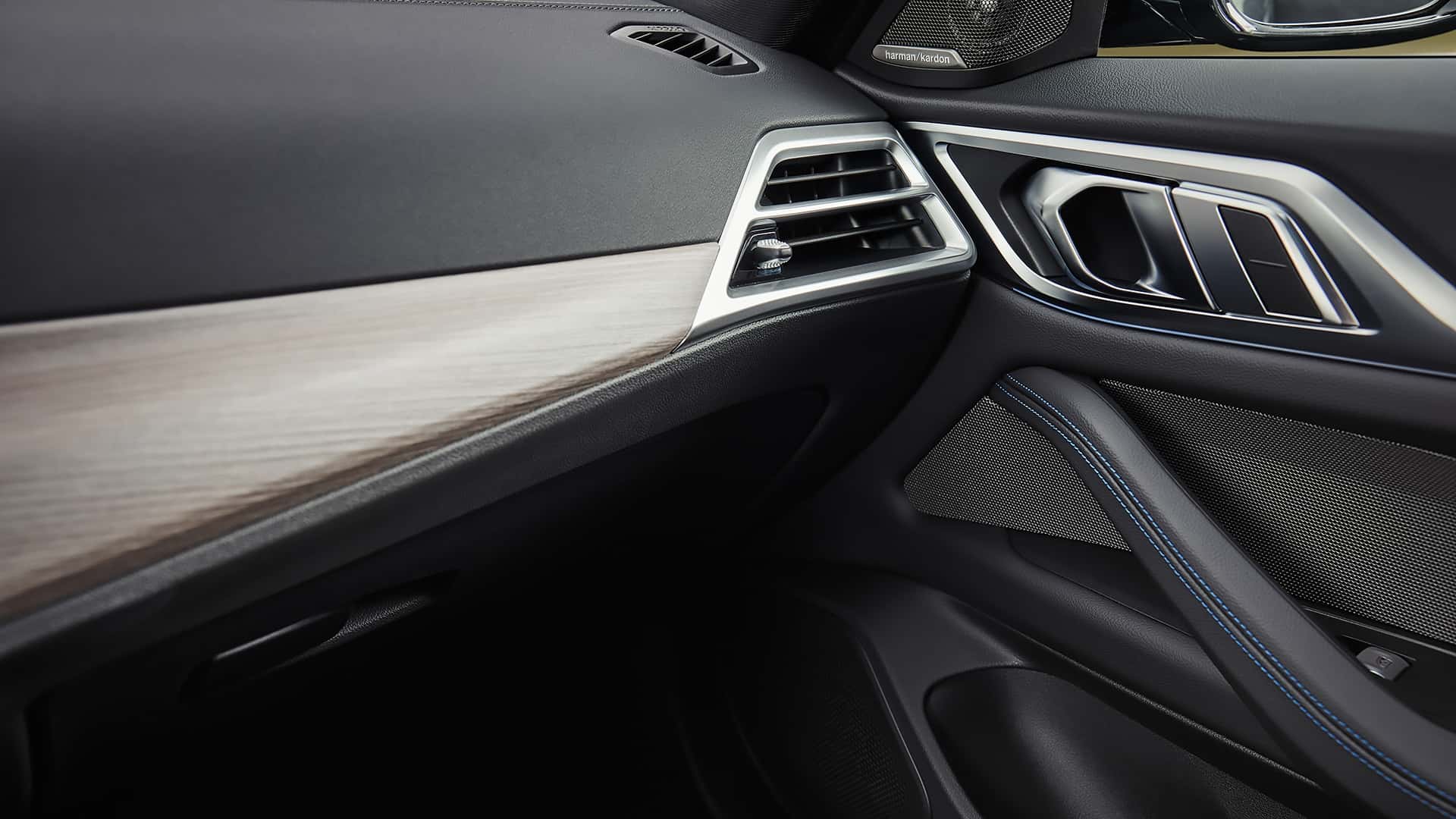
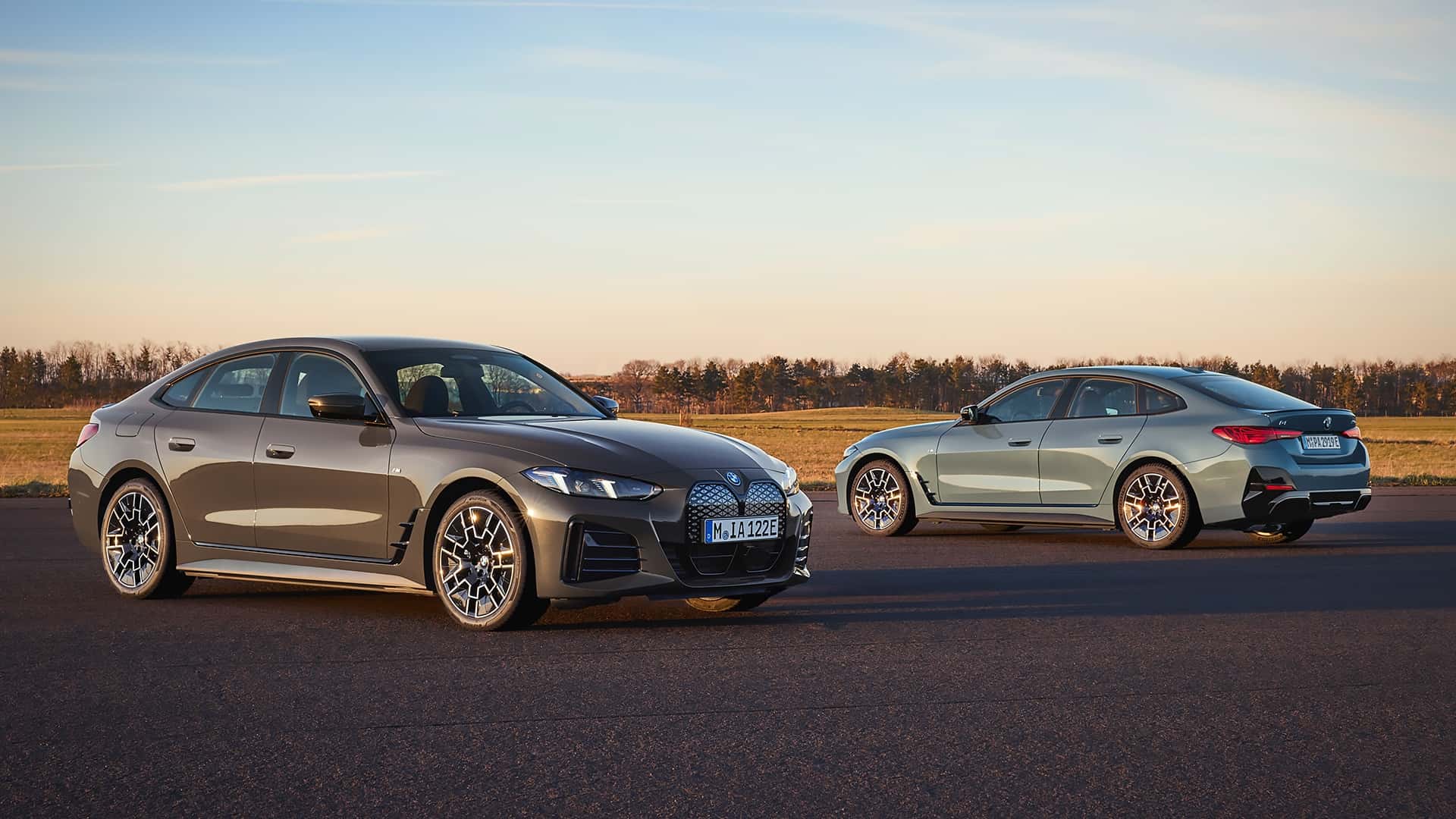
Car design has transformed to seamlessly integrate advanced technology within stunning aesthetics, appealing to consumers who prioritize both style and performance. This trend is increasingly relevant as buyers seek vehicles that not only look good but also deliver on technological promises.
With the surge in electric vehicle (EV) popularity, the marriage of design and technology is more critical than ever. The sleek silhouettes of contemporary cars often hide sophisticated systems that boost efficiency and performance. This blend of form and function not only captivates buyers but also signifies a shift in automotive engineering, where aesthetics and technology are intertwined.
Design Trends: Merging Beauty with Functionality
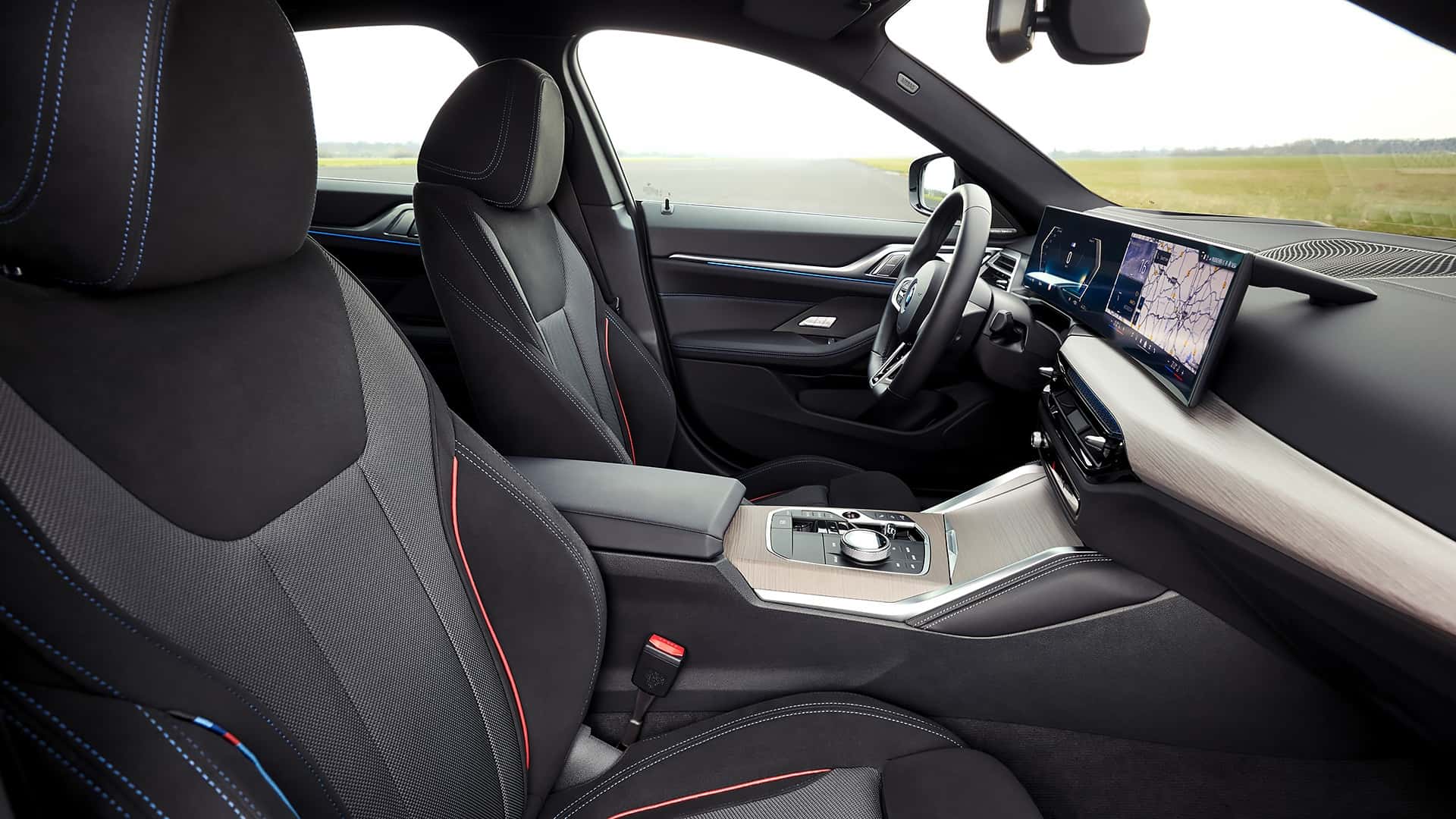
Modern vehicles are crafted to be visually captivating while embedding advanced technologies that enhance the driving experience. The challenge lies in ensuring that aesthetic decisions do not hinder functionality. Automakers are increasingly dedicated to producing cars that are not just beautiful but also packed with cutting-edge tech.
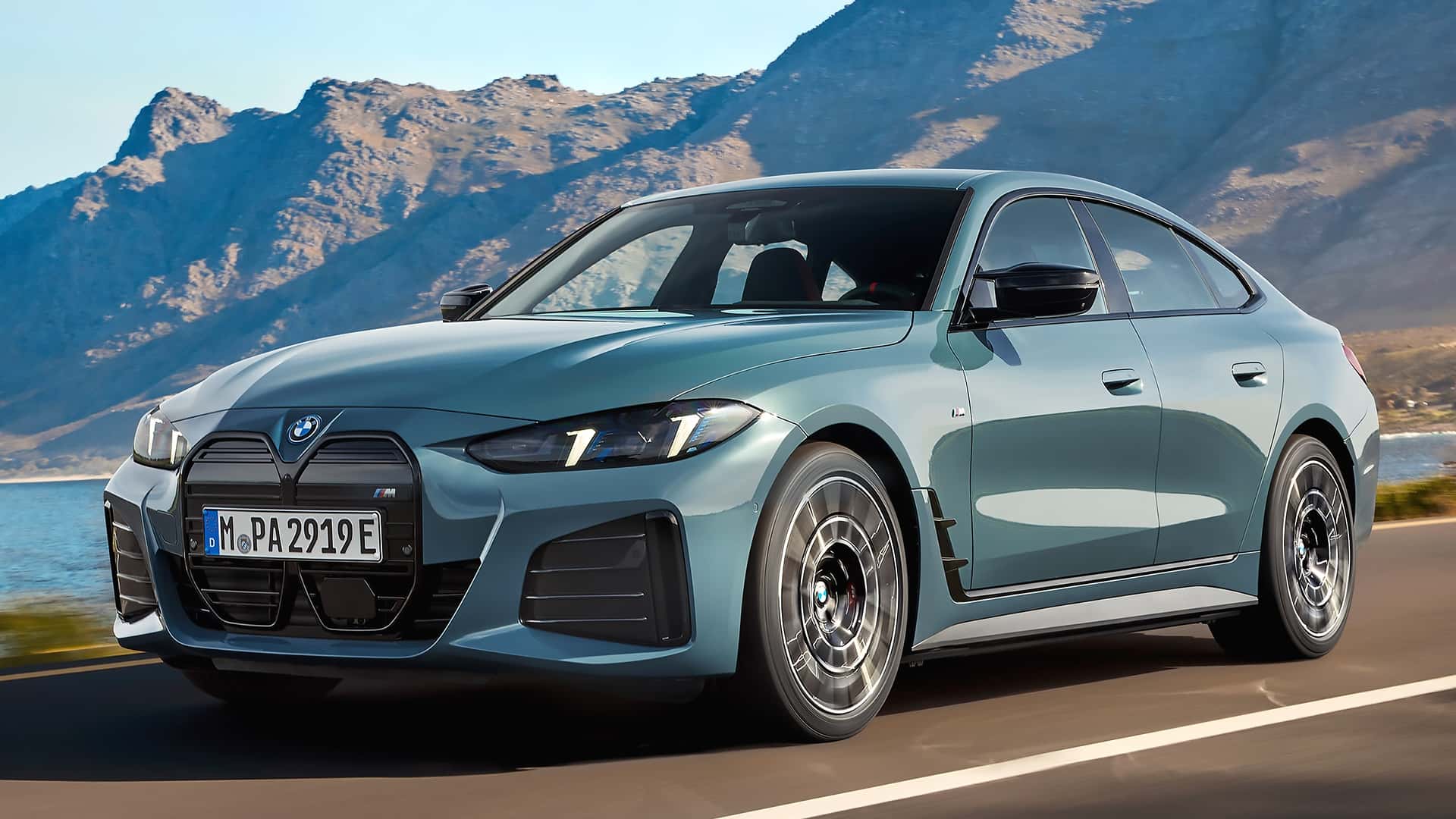
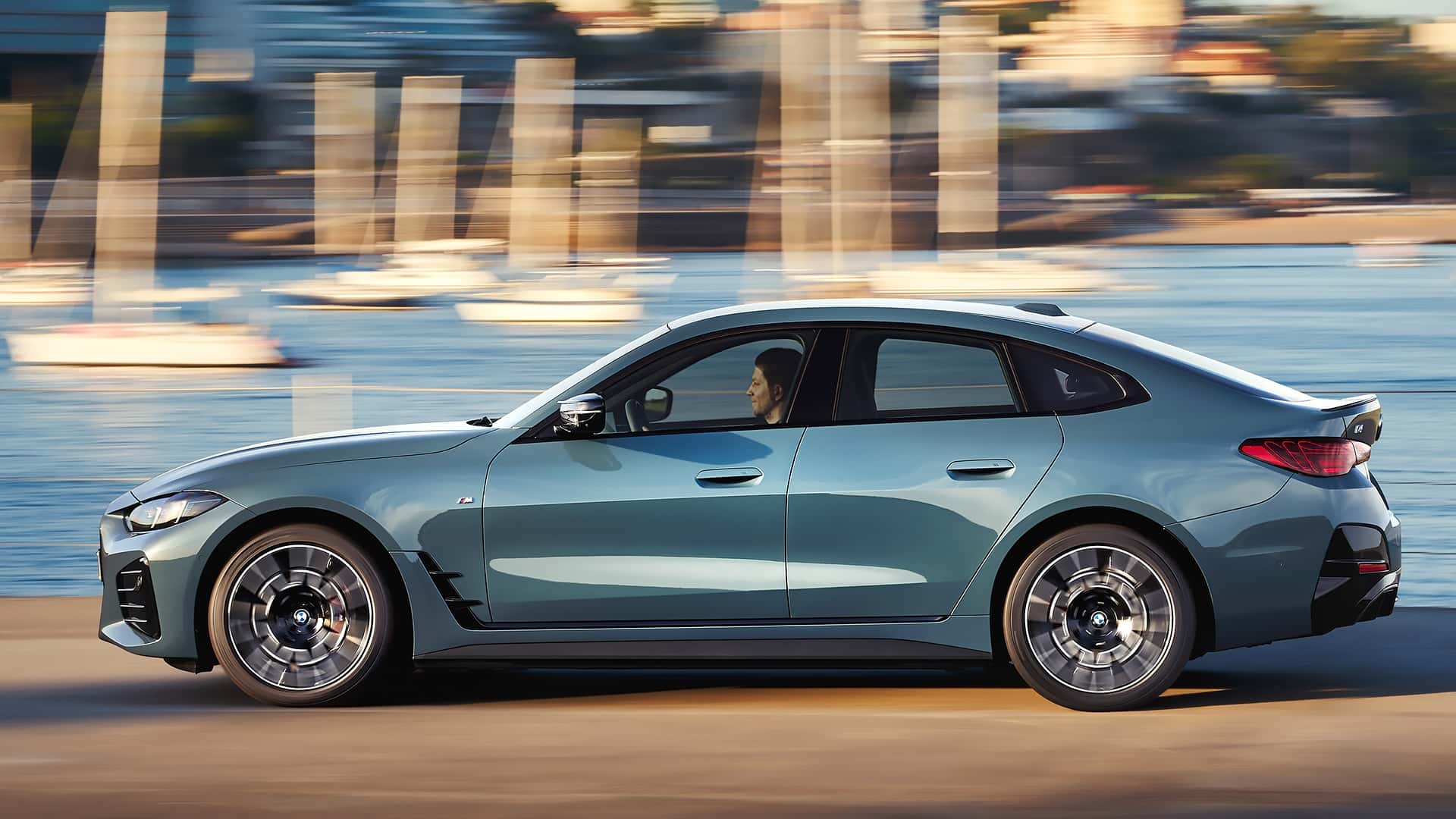
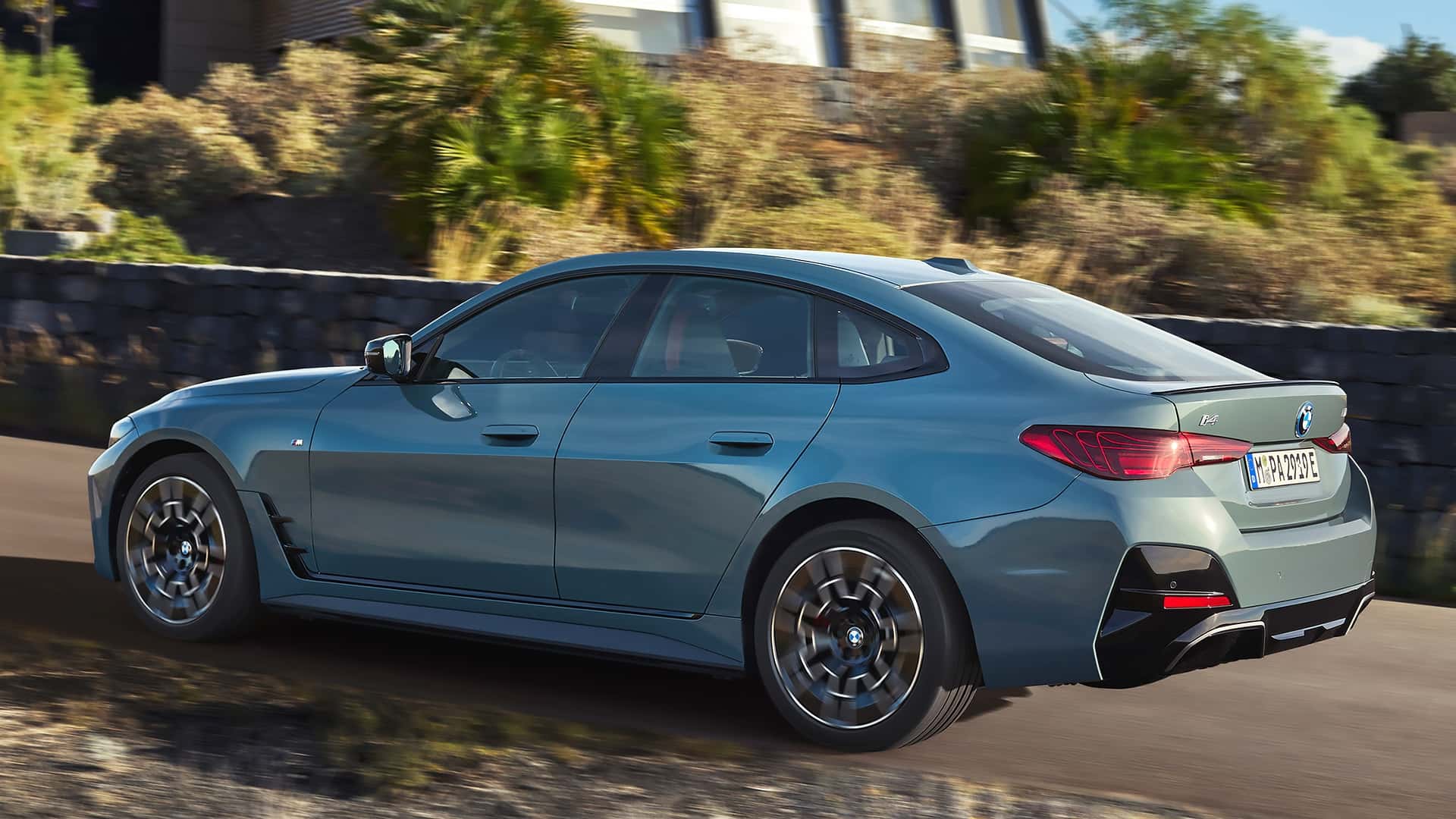
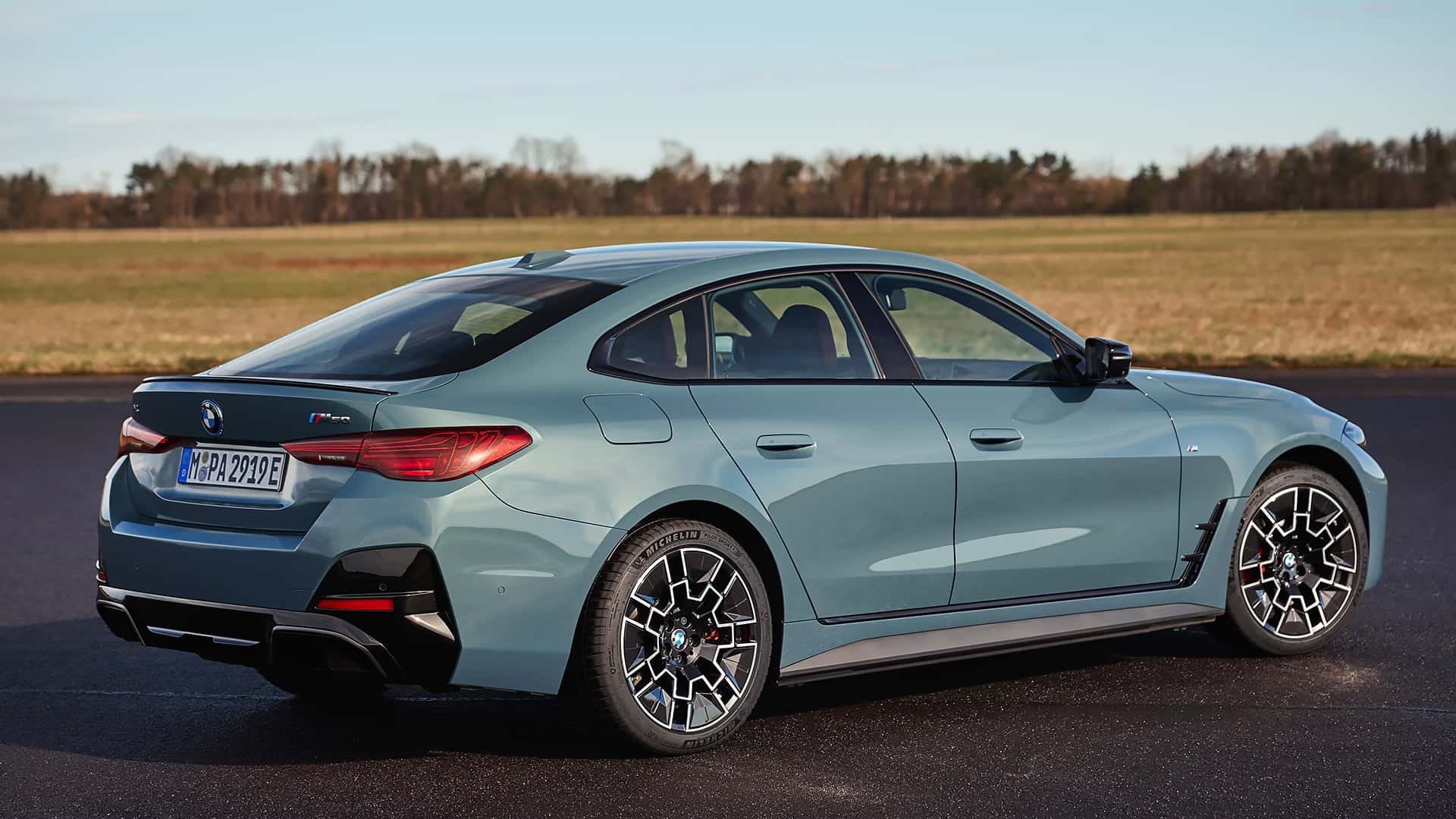
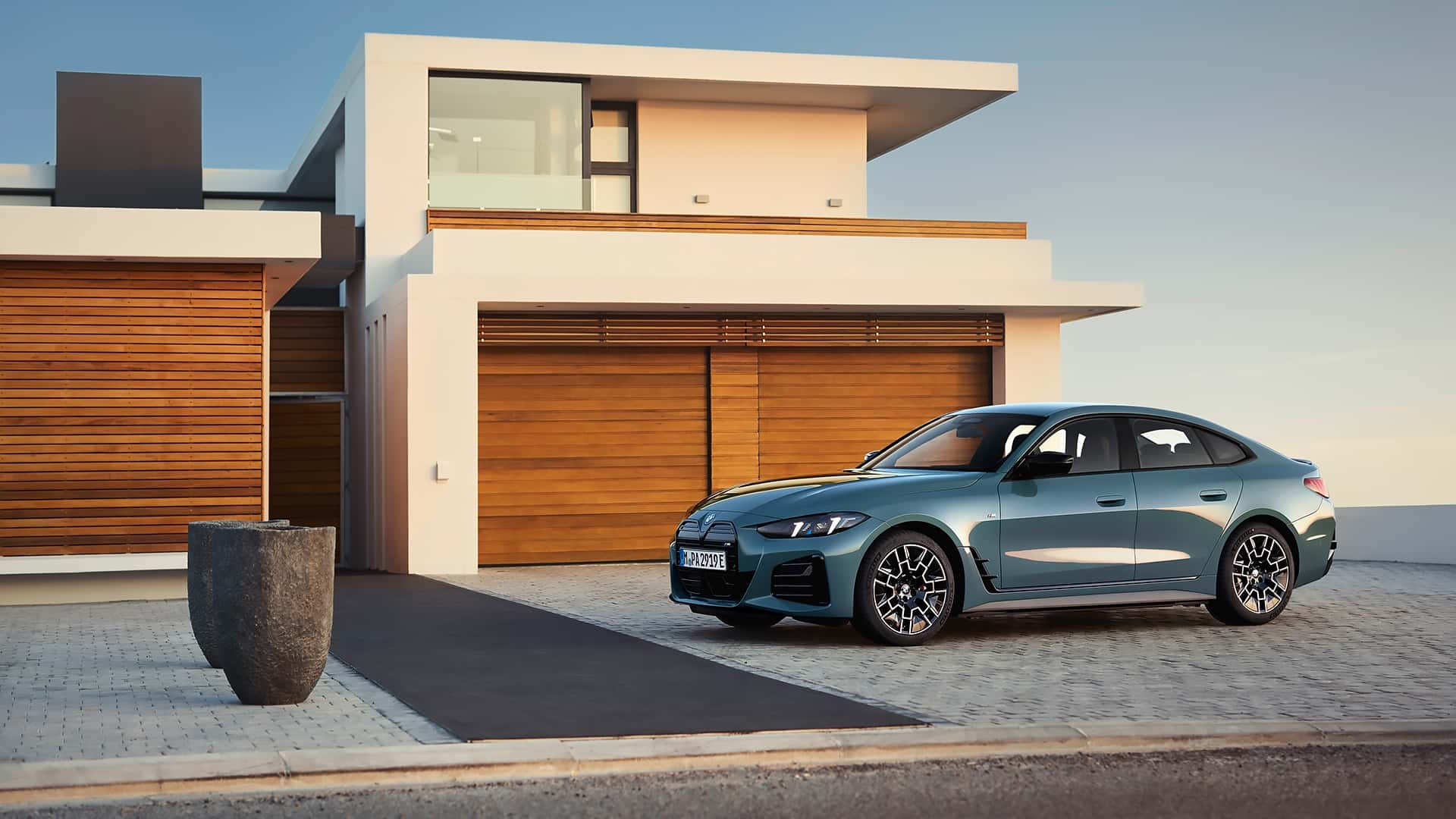
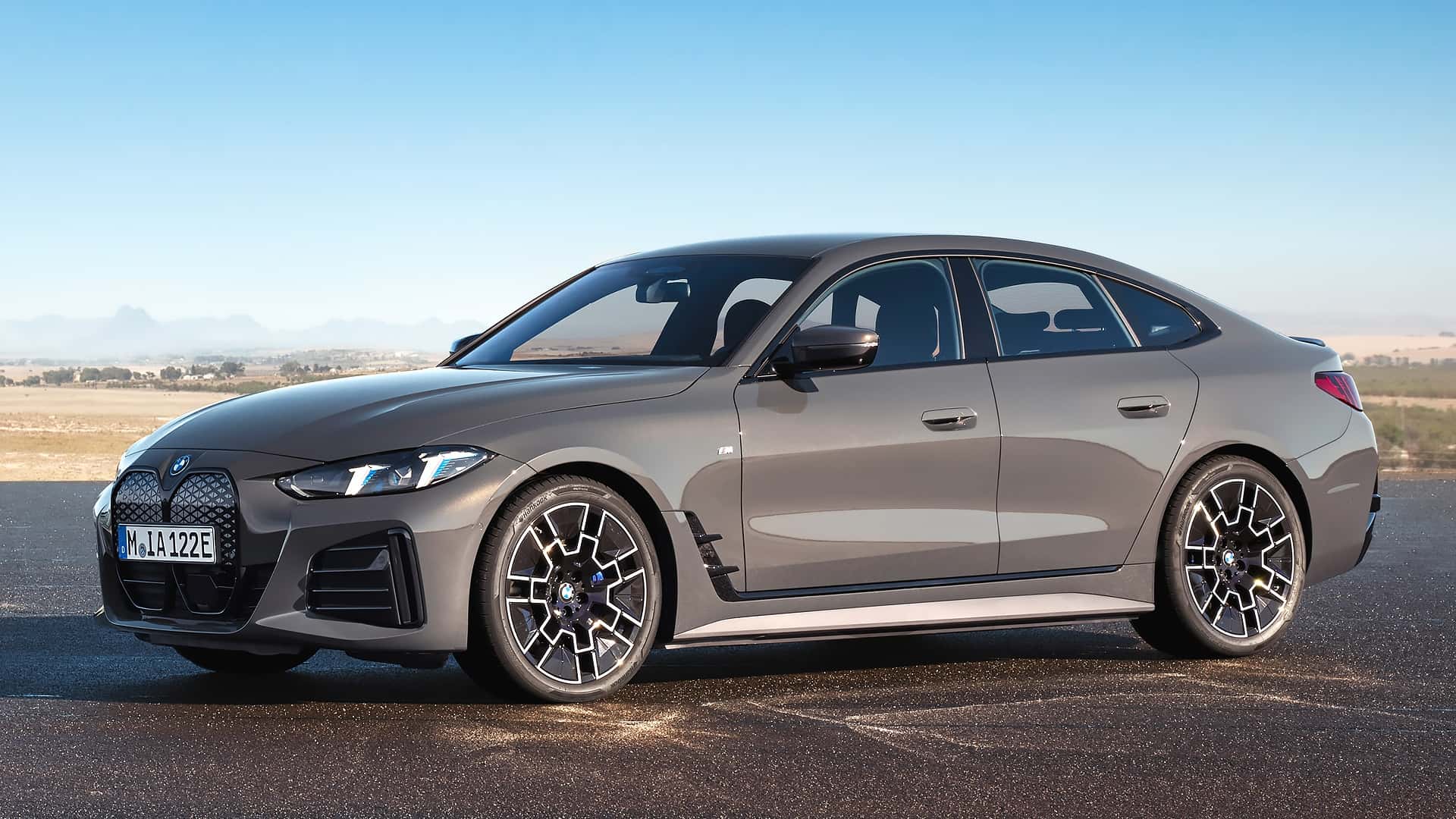
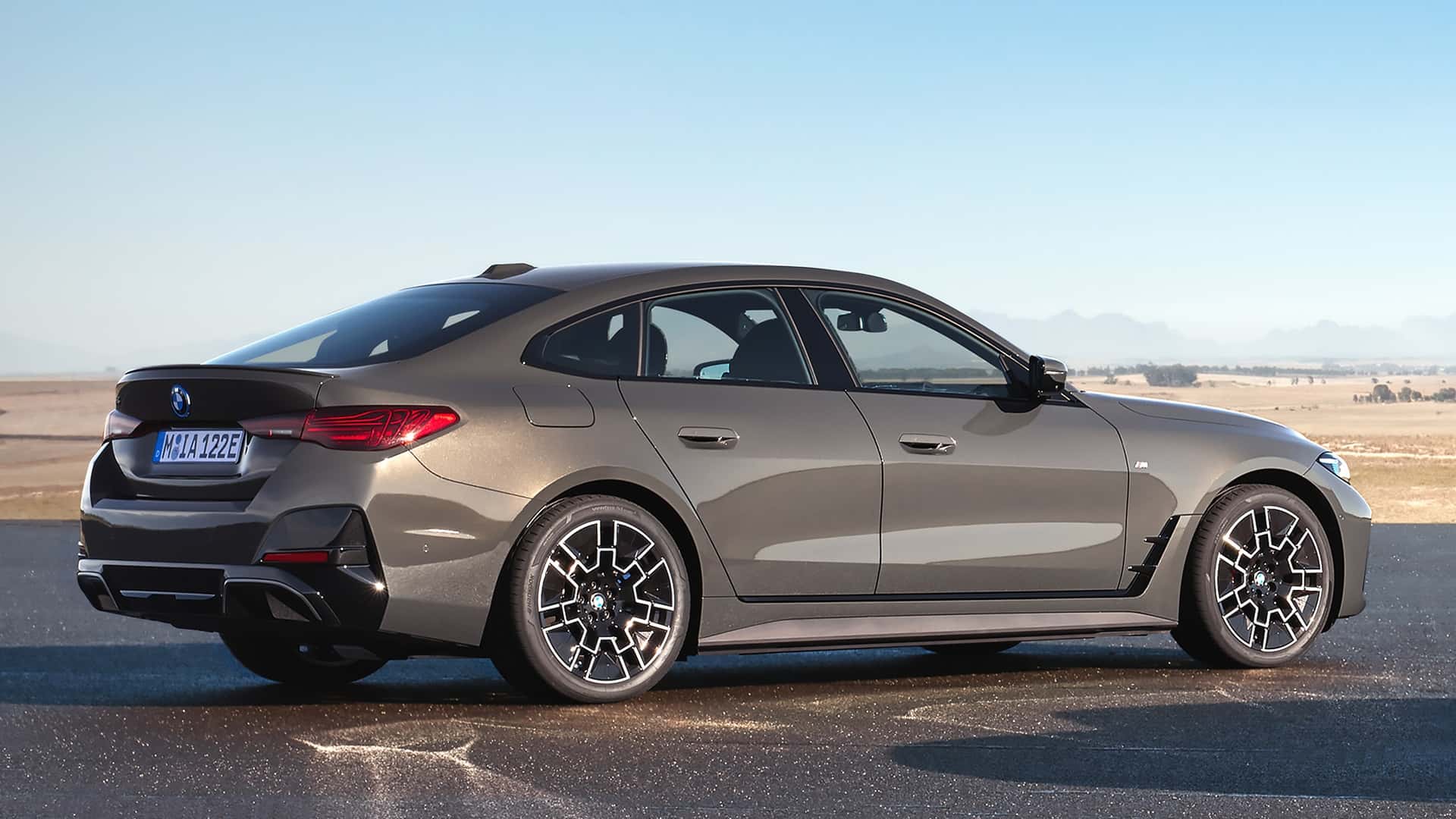
For example, brands like BMW are at the forefront with models such as the i4 and iX, showcasing an ideal fusion of style and technological prowess. These vehicles are tailored to attract buyers who value both aesthetics and performance, setting a new benchmark in the automotive landscape.
As competition heats up, manufacturers must keep innovating in design, ensuring technology remains a priority. The future of automotive design is likely to see even deeper integration of technology, focusing on creating vehicles that are both extraordinary and efficient.

As the market evolves, the demand for vehicles that harmoniously blend design and technology will only increase. Consumers are on the lookout for cars that not only excel in performance but also make a bold statement on the road.
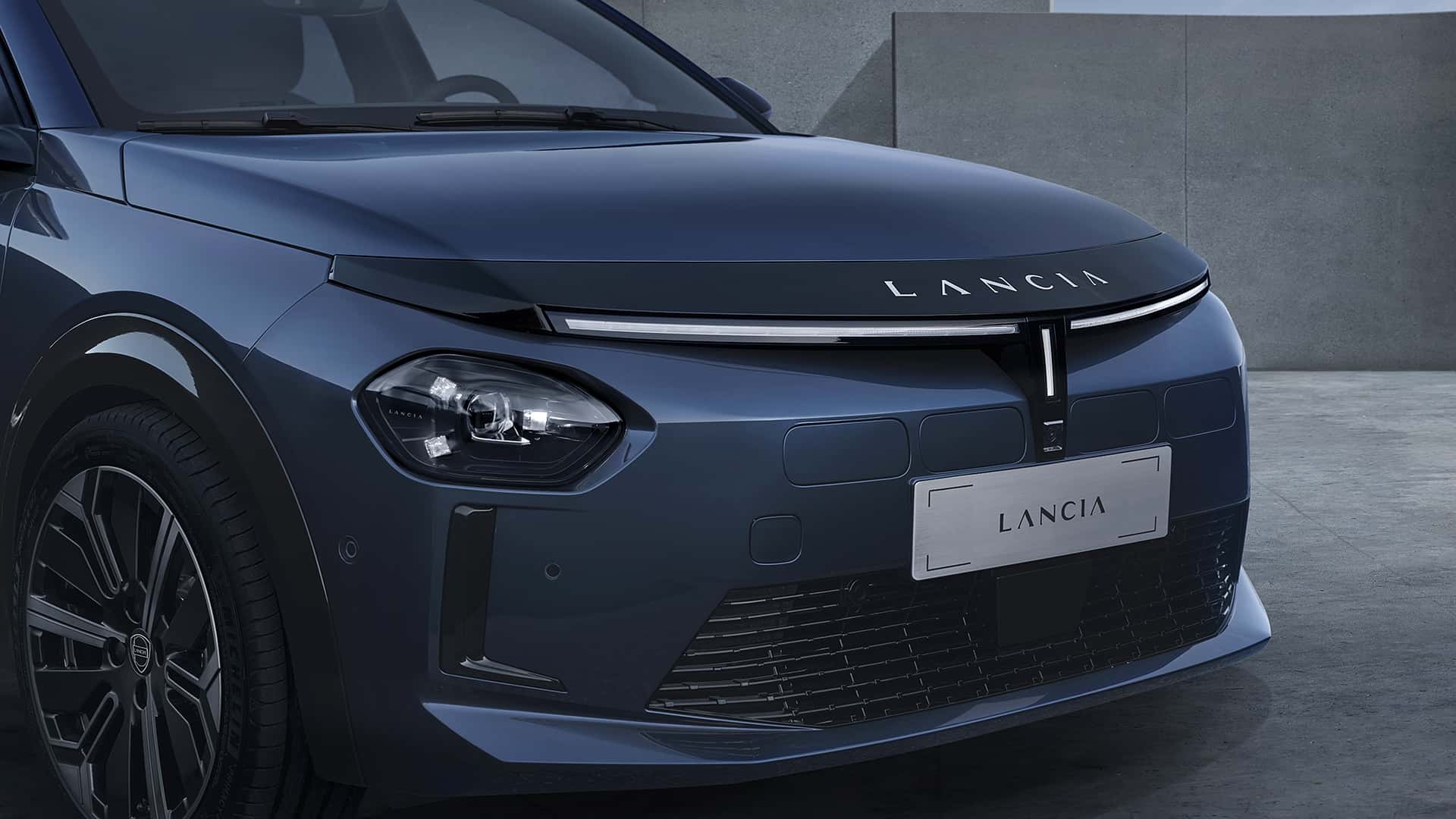
With the rise of electric vehicles, the integration of technology into design is becoming increasingly pronounced. Manufacturers face the challenge of creating cars that are not only visually appealing but also equipped with the latest technological innovations.
Performance and Aesthetics: Shaping the Future of Automotive Design
The future of automotive design will hinge on the ability to unite aesthetics with performance. As technology continues to advance, consumers will demand more from their vehicles. The emphasis will be on crafting cars that are not only visually stunning but also equipped with the latest technologies to enhance the driving experience.
Brands like Audi are already setting the pace with models such as the Q4 e-tron, which combines sleek design with impressive performance metrics. As competition intensifies, car manufacturers will need to innovate continuously to meet consumer expectations.
Looking ahead, the automotive industry is likely to see a growing demand for vehicles that offer both style and substance. The challenge for manufacturers will be to balance these elements, ensuring that technology remains a focal point in design.

The Q4 35 e-tron (2024) exemplifies how design can enhance performance while maintaining aesthetic appeal.
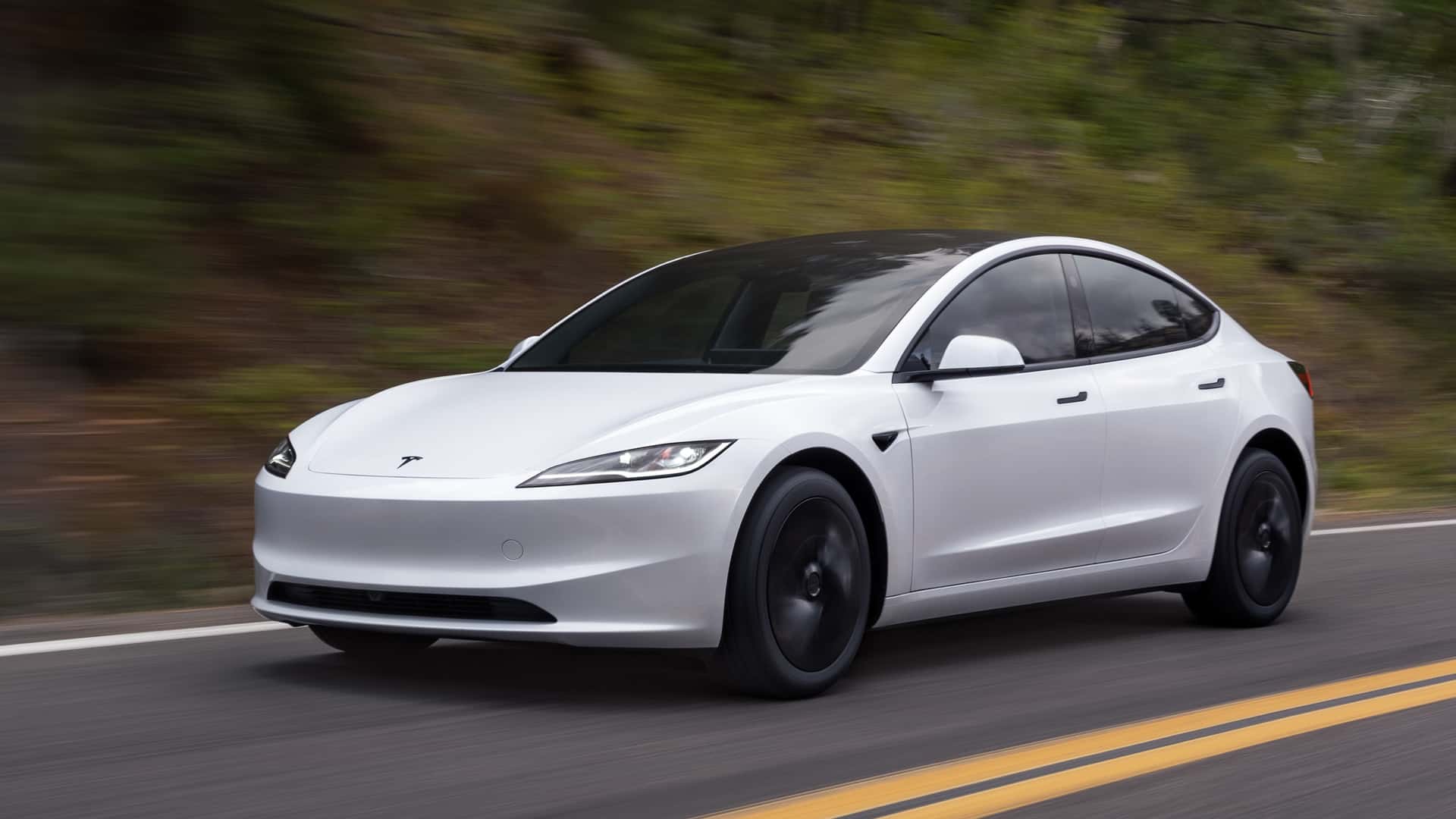
The Tesla Model 3 continues to push the boundaries of design and technology, offering consumers a vehicle that is both stylish and efficient.
Innovative Features in Modern Automotive Design: A Look to the Future
As we move forward, the integration of innovative features into car design will become increasingly important. Manufacturers will need to focus on creating vehicles that are not only beautiful but also incorporate the latest technologies to enhance the driving experience.
With advancements in autonomous driving and connectivity, the future of automotive design will be shaped by the need for vehicles that are both functional and aesthetically pleasing. The challenge will be to ensure that technology enhances the driving experience without compromising design.
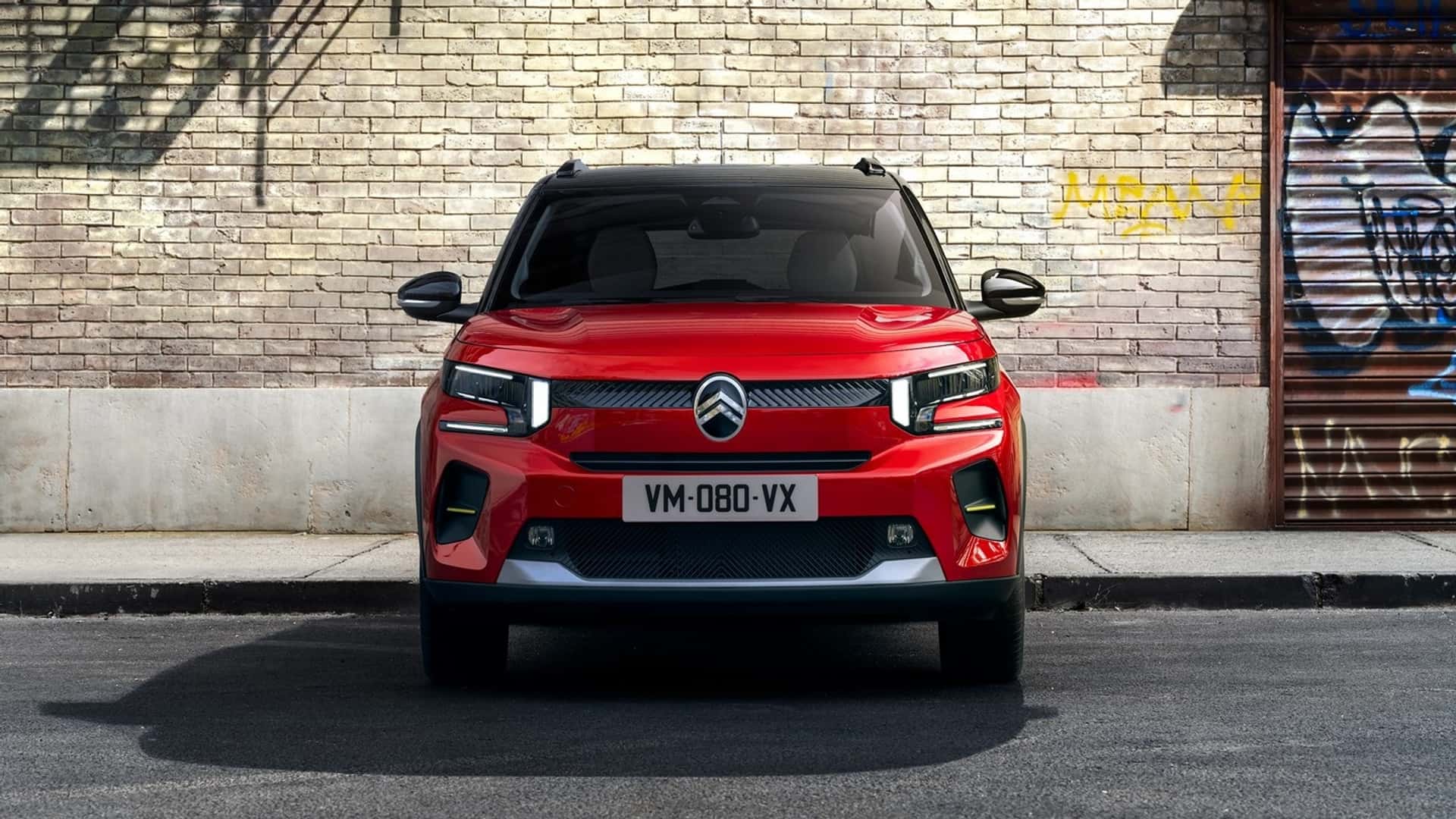
The Citroën C3 (2024) demonstrates how modern design can integrate advanced technologies while maintaining an elegant appearance.
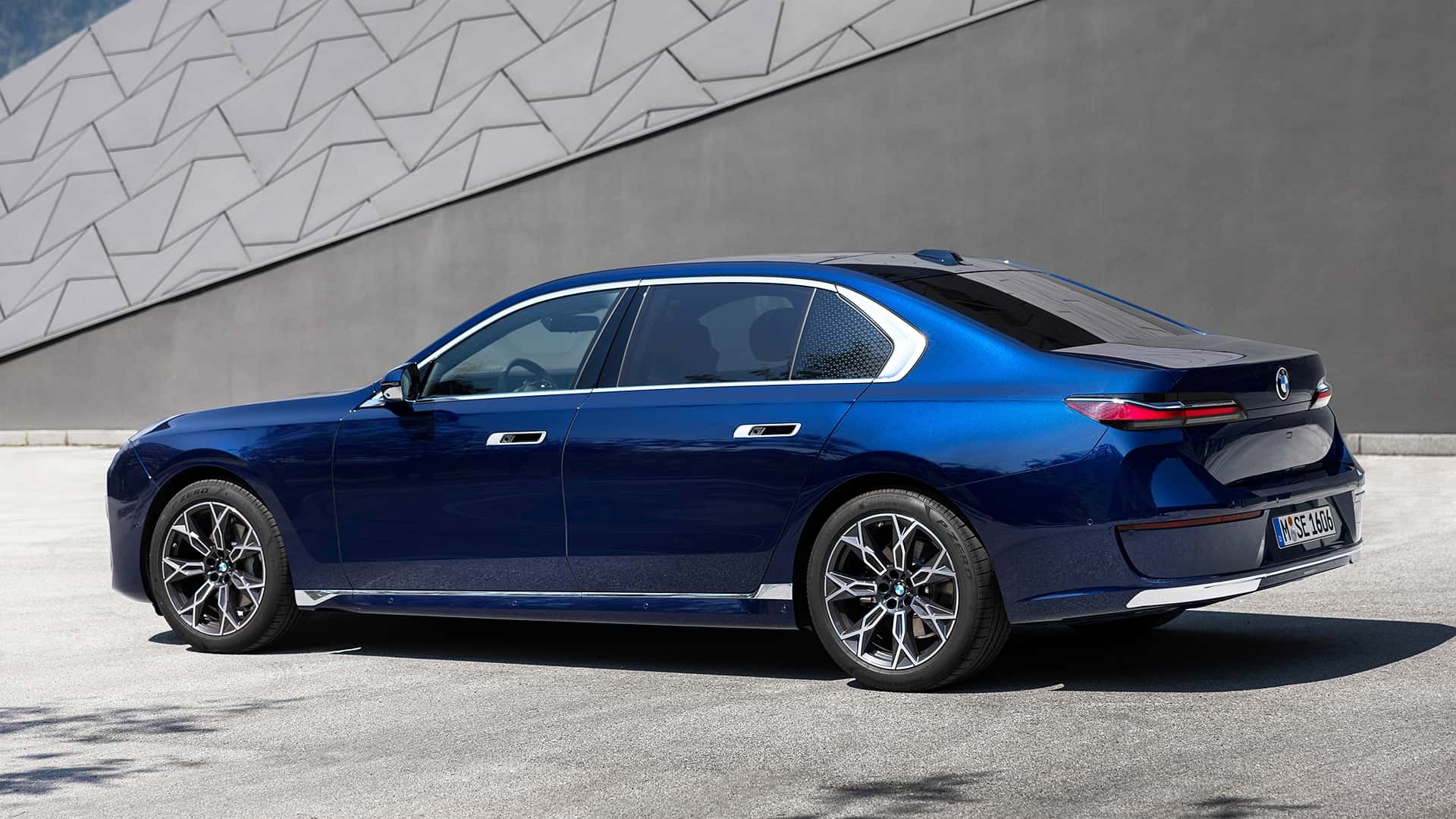
The BMW 7 Series exemplifies how luxury and technology can coexist in modern automotive design, appealing to consumers who demand both performance and style.
Conclusion: The Future of Automotive Design is Bright
The future of automotive design is poised to unite aesthetics with advanced technology. As consumers continue to seek vehicles that are both visually appealing and technologically advanced, manufacturers will need to innovate continuously to meet these demands.
With the rise of electric vehicles and advancements in technology, the automotive industry is on the brink of significant changes. The challenge will be to create cars that not only perform well but also make a statement on the road.
Looking to the future, the automotive industry will continue to evolve, focusing on creating vehicles that perfectly blend design and technology. The coming years will be crucial as manufacturers strive to meet consumer expectations and push the boundaries of what is possible in automotive design.