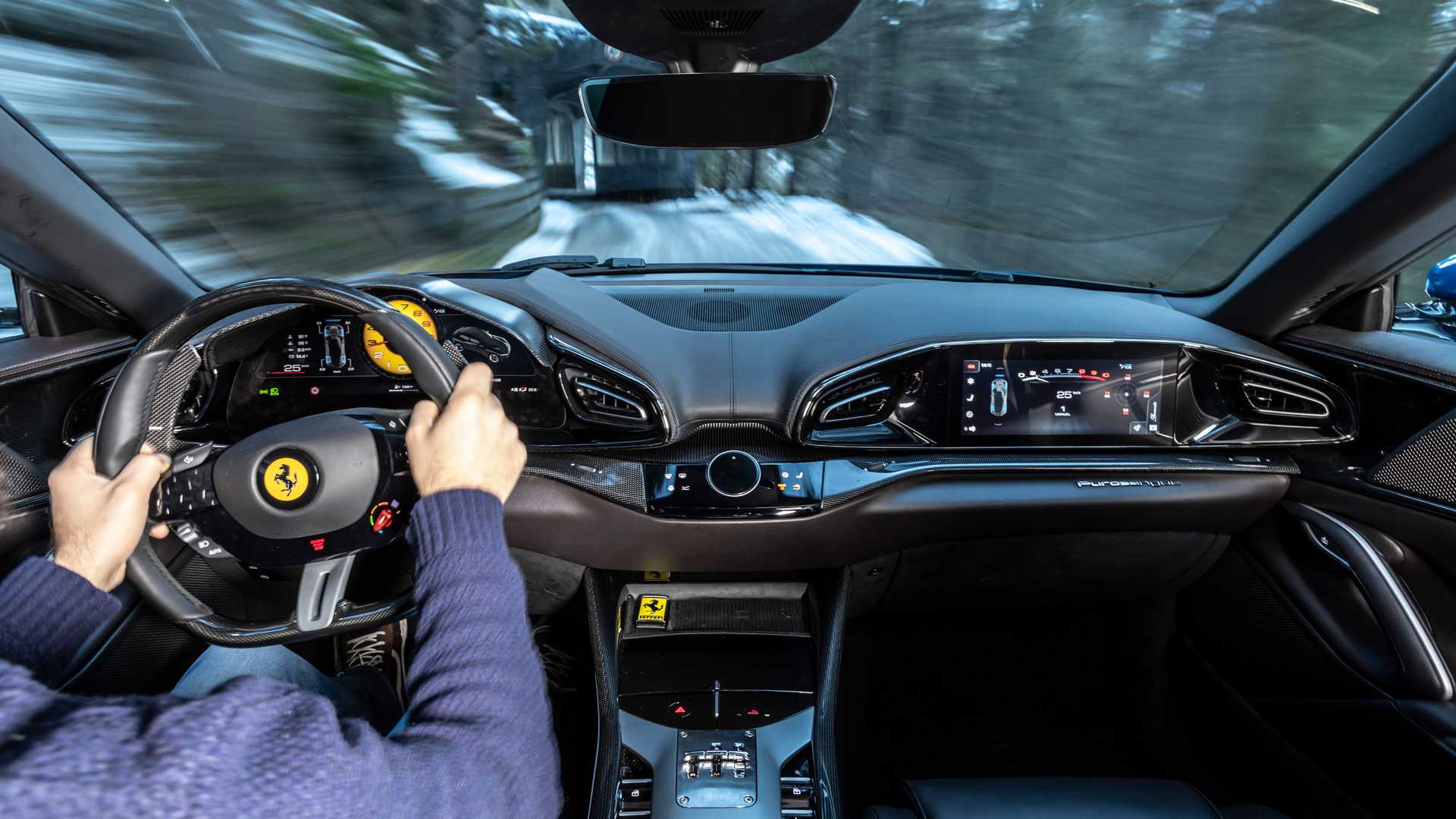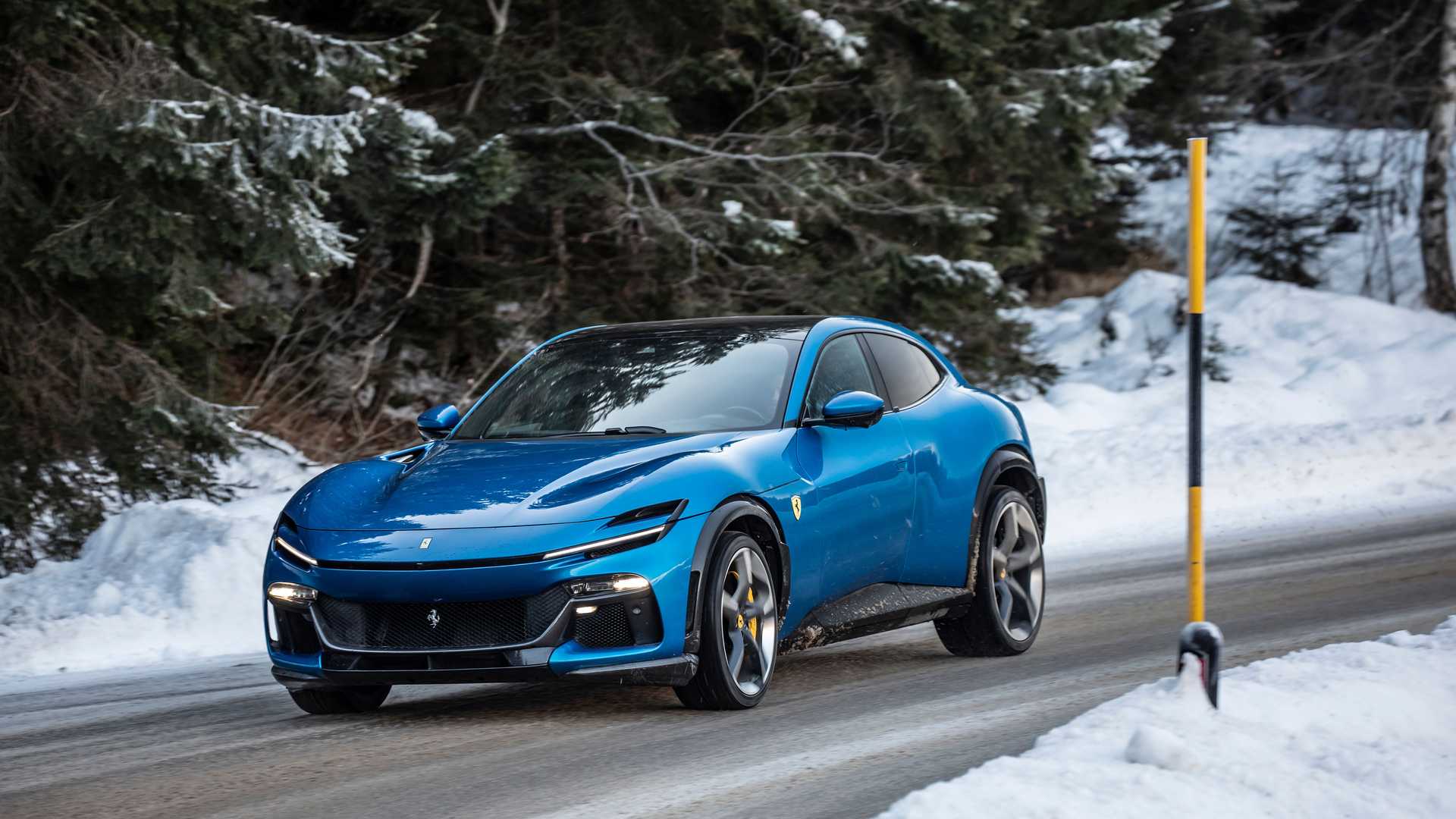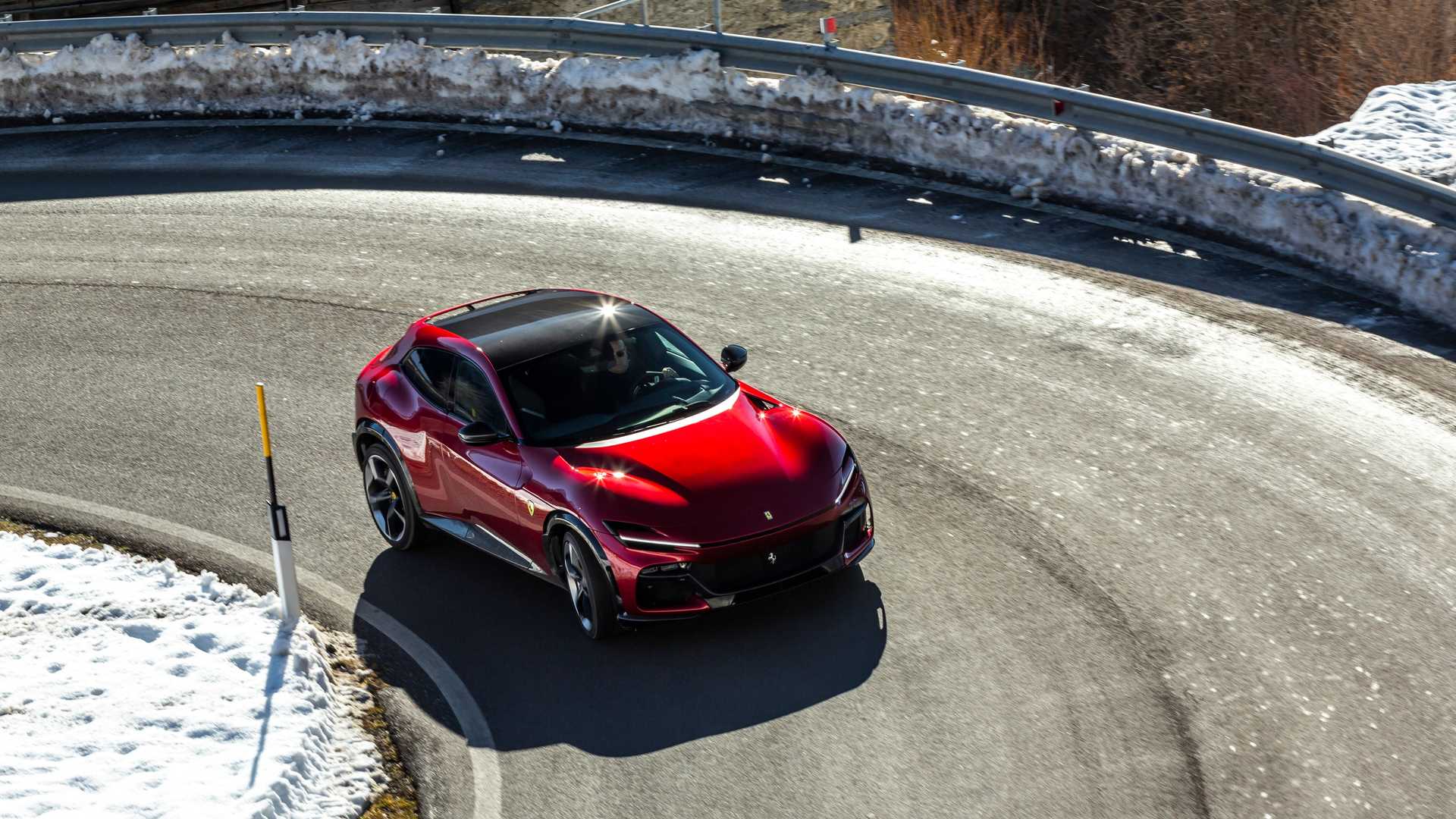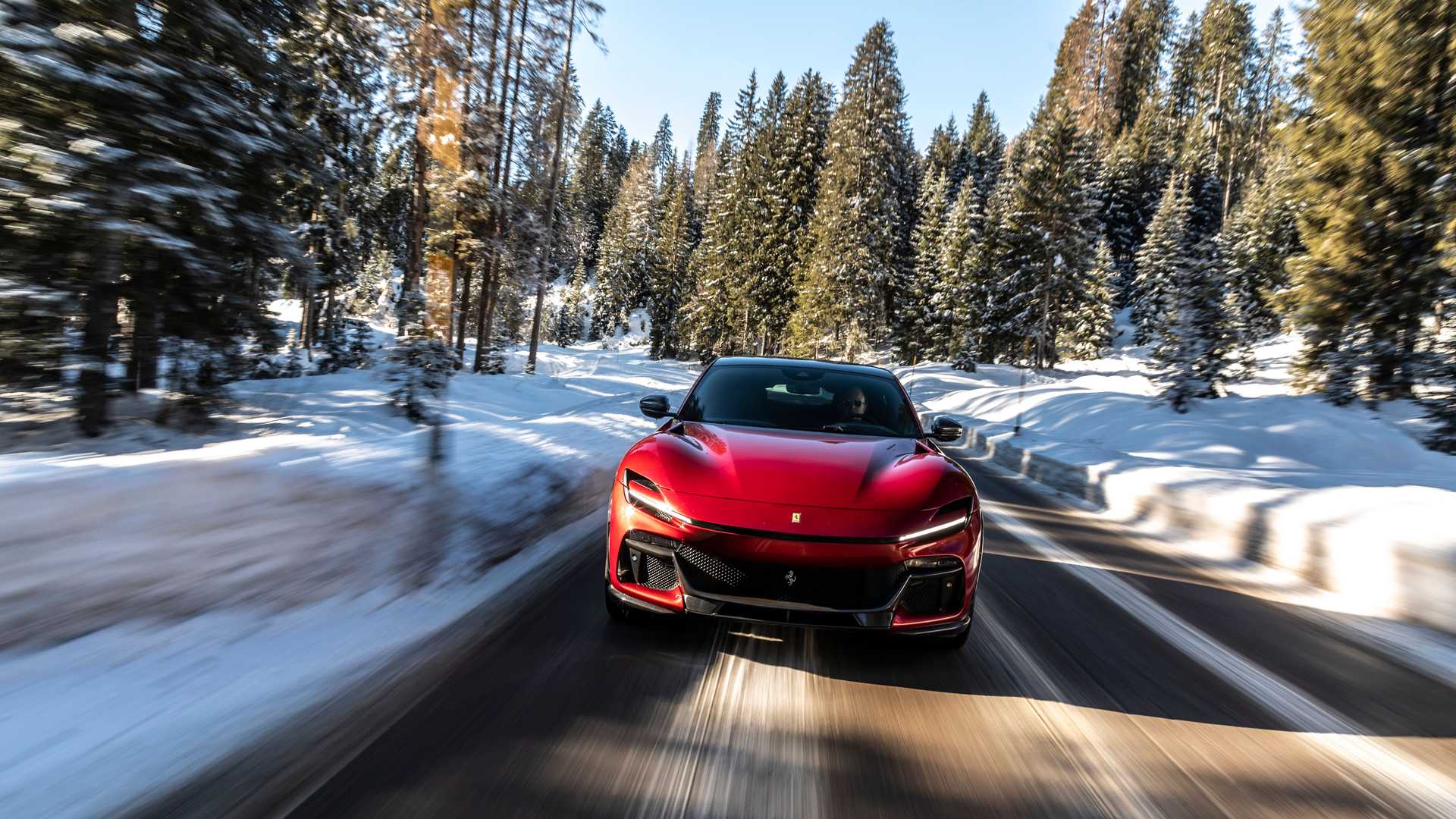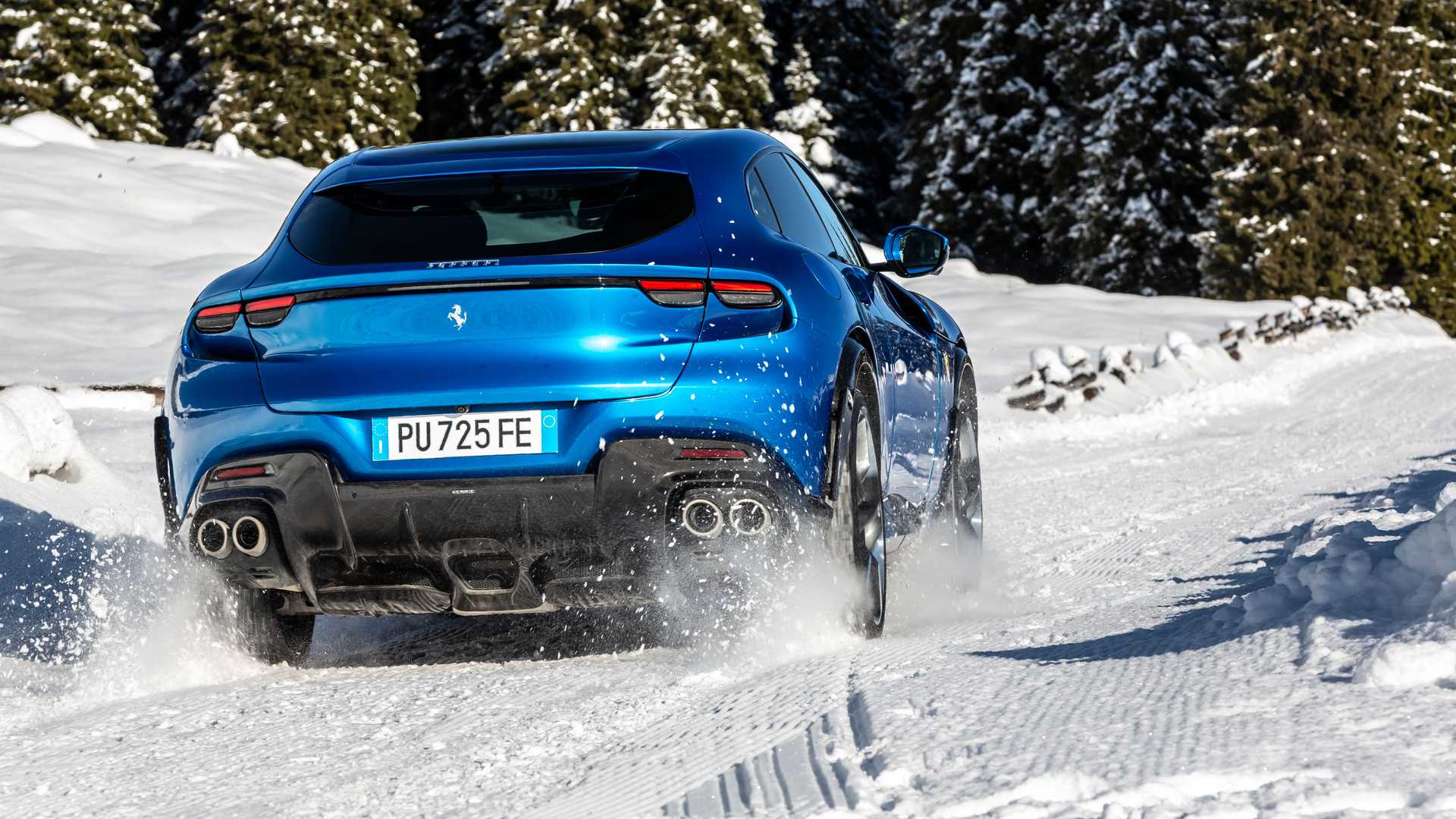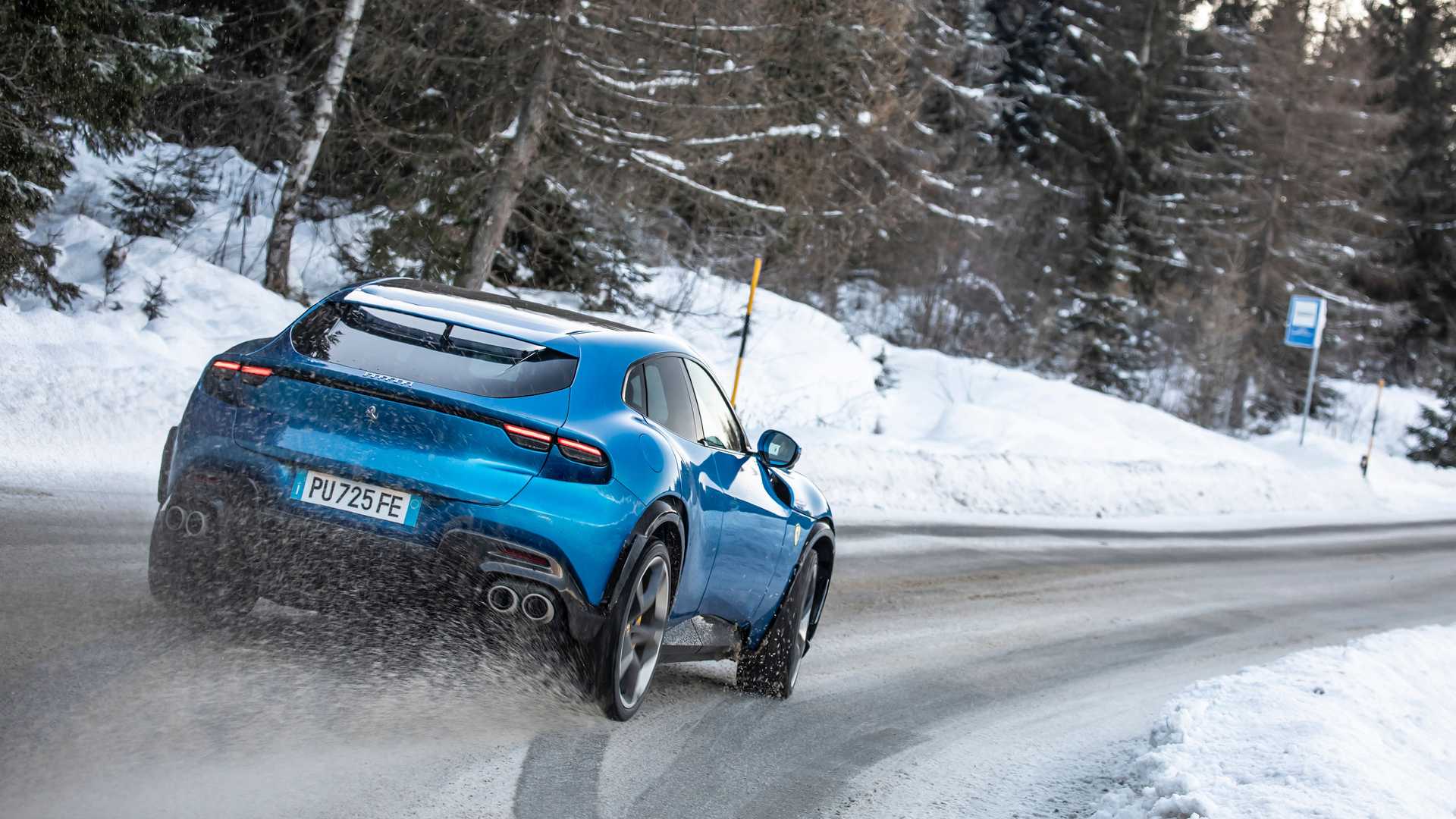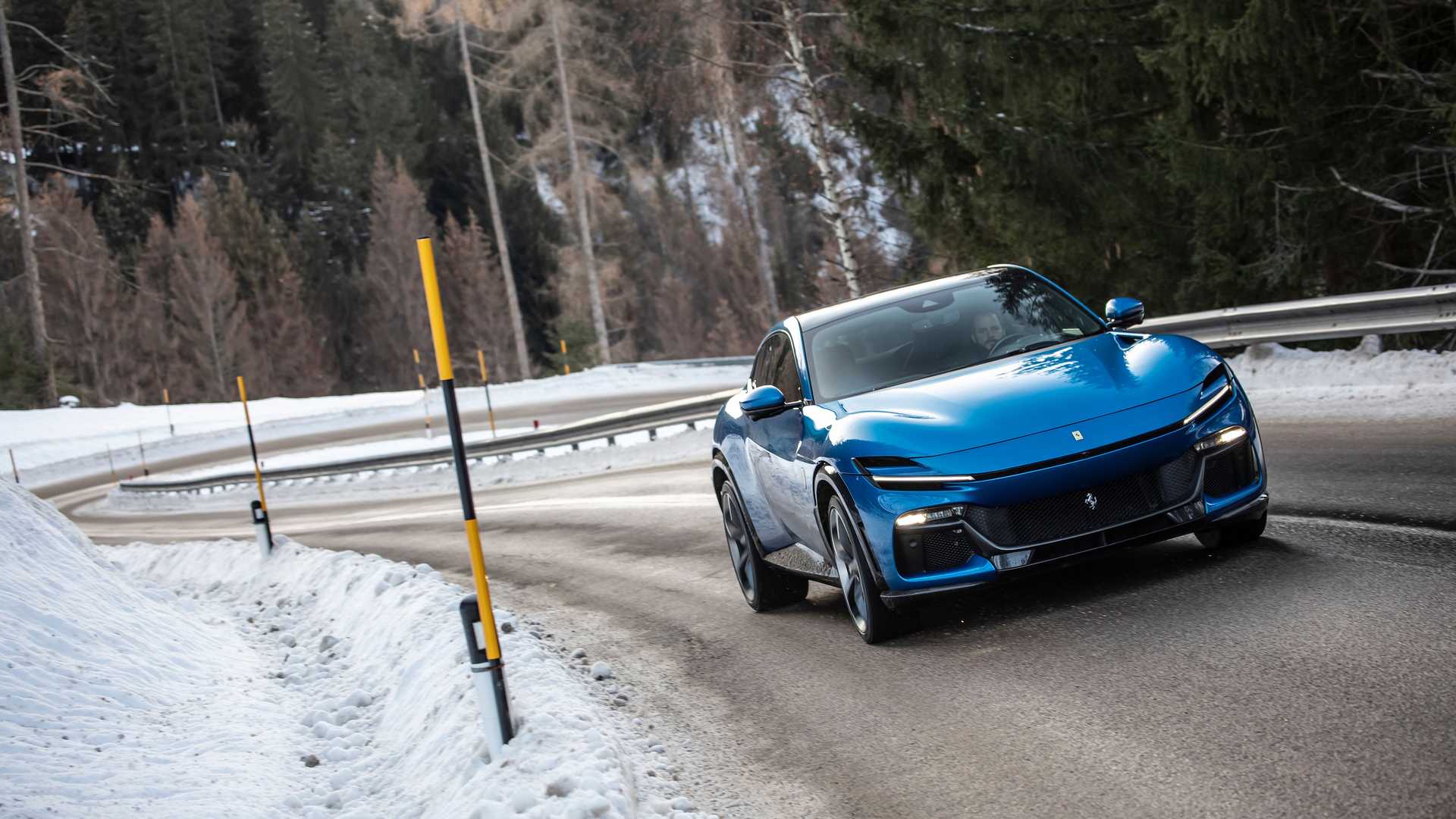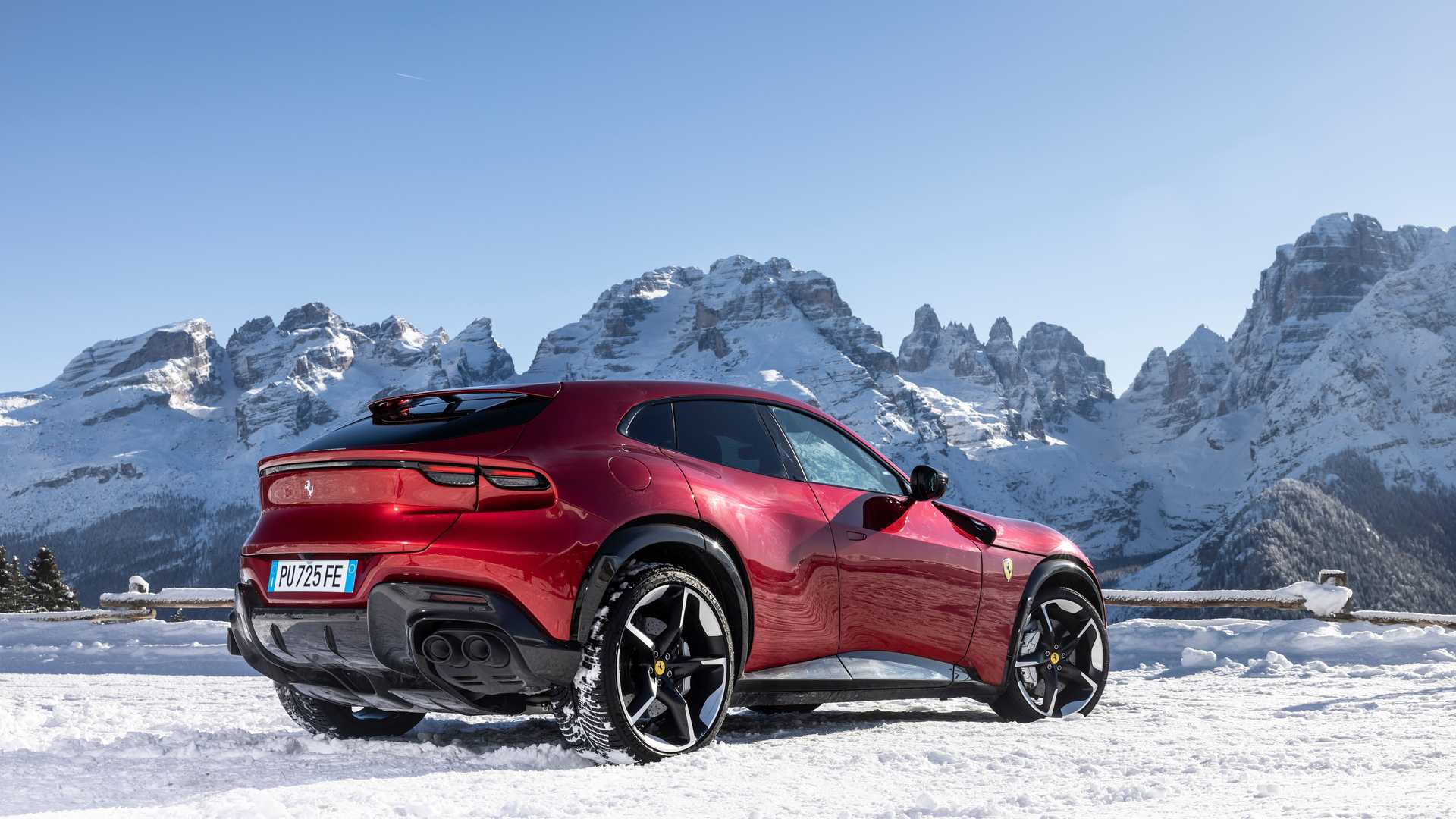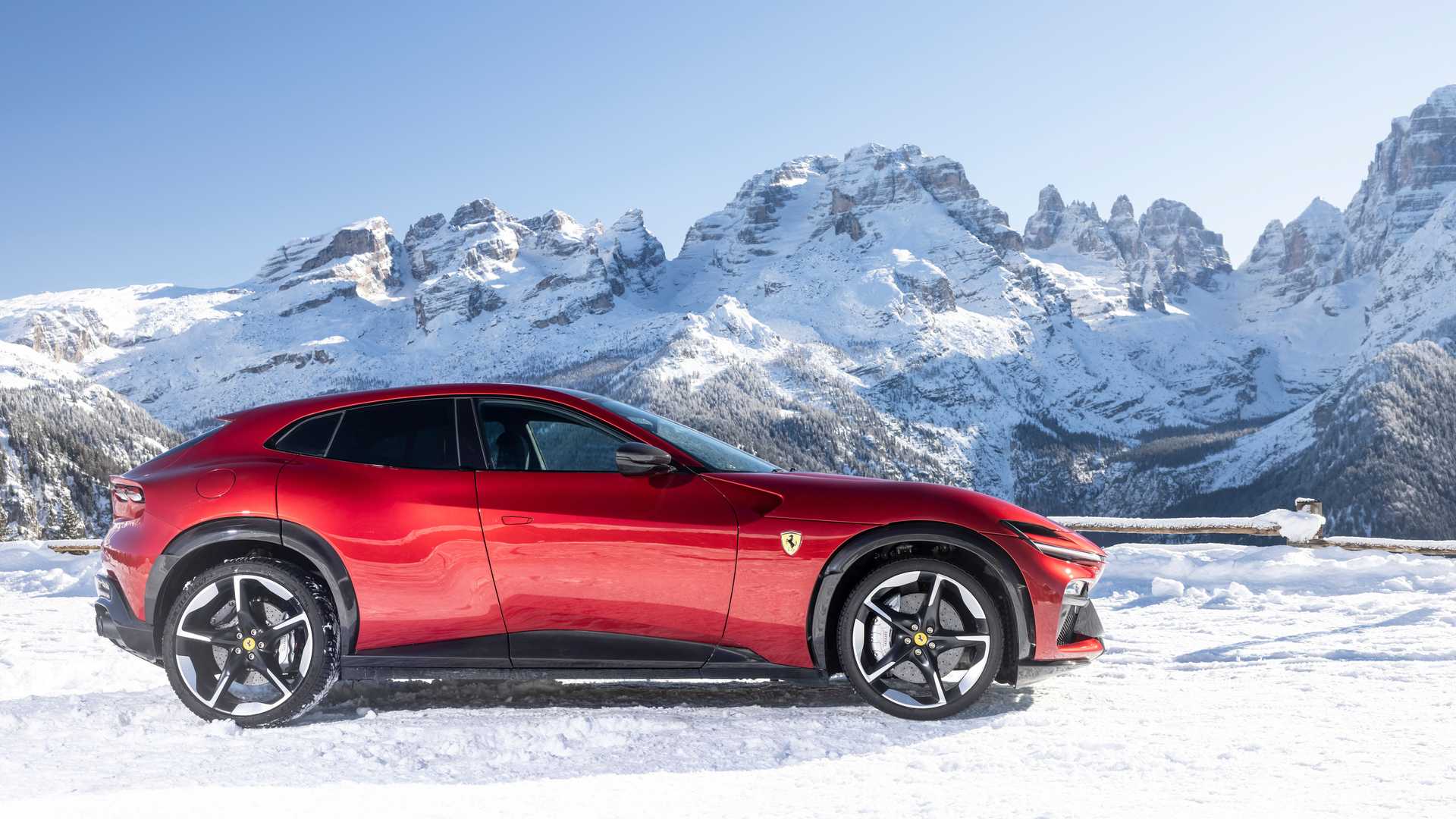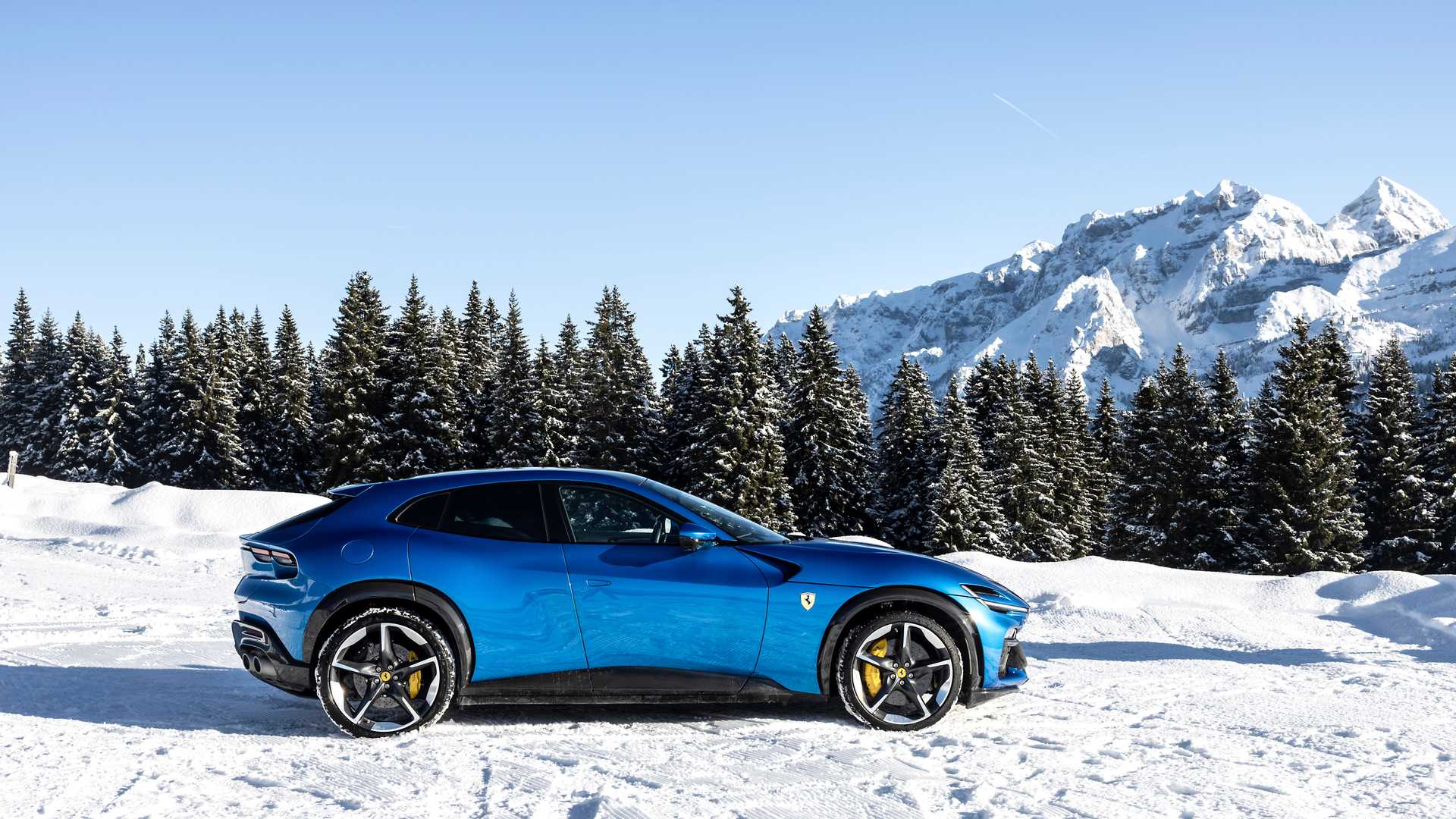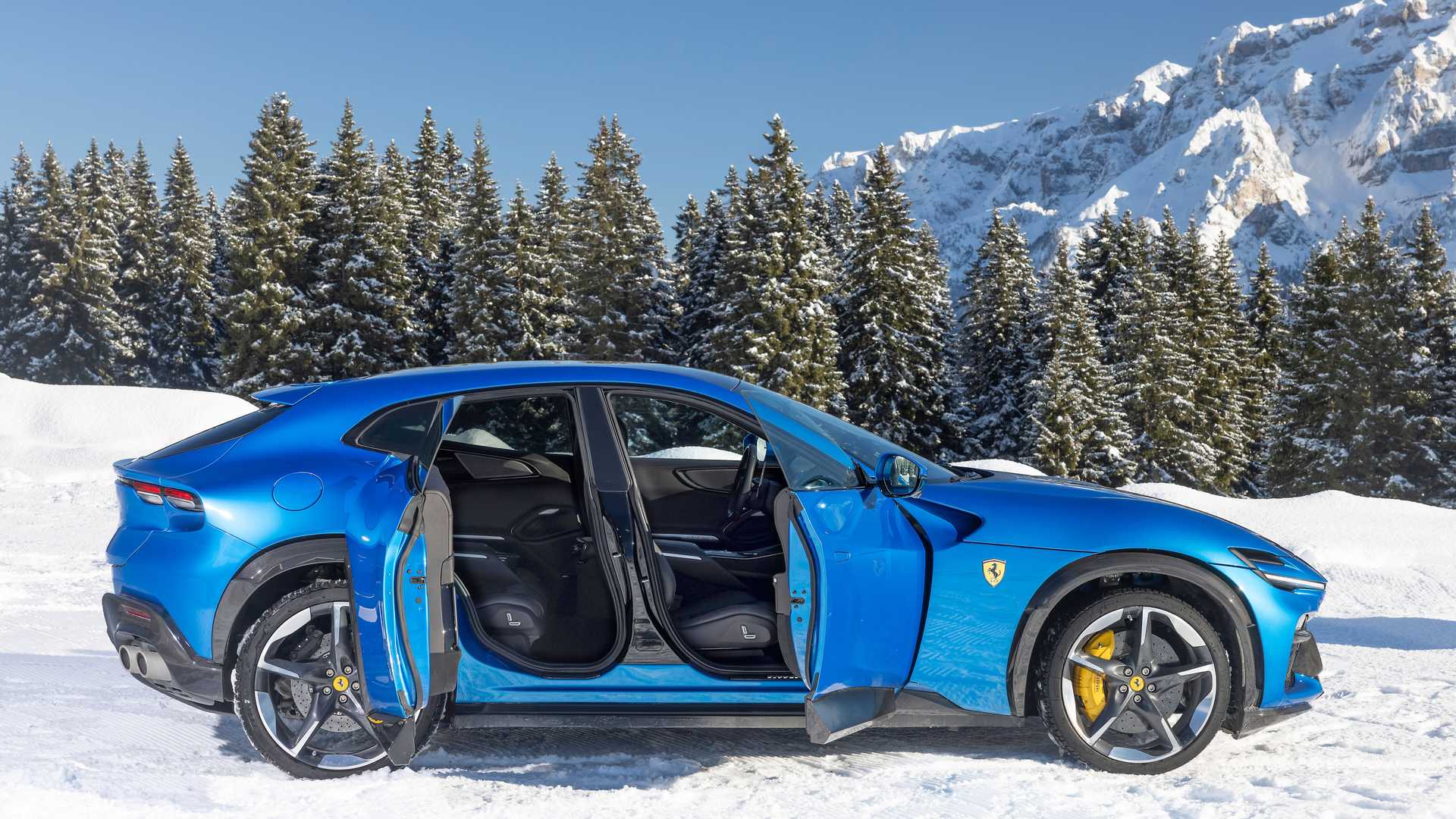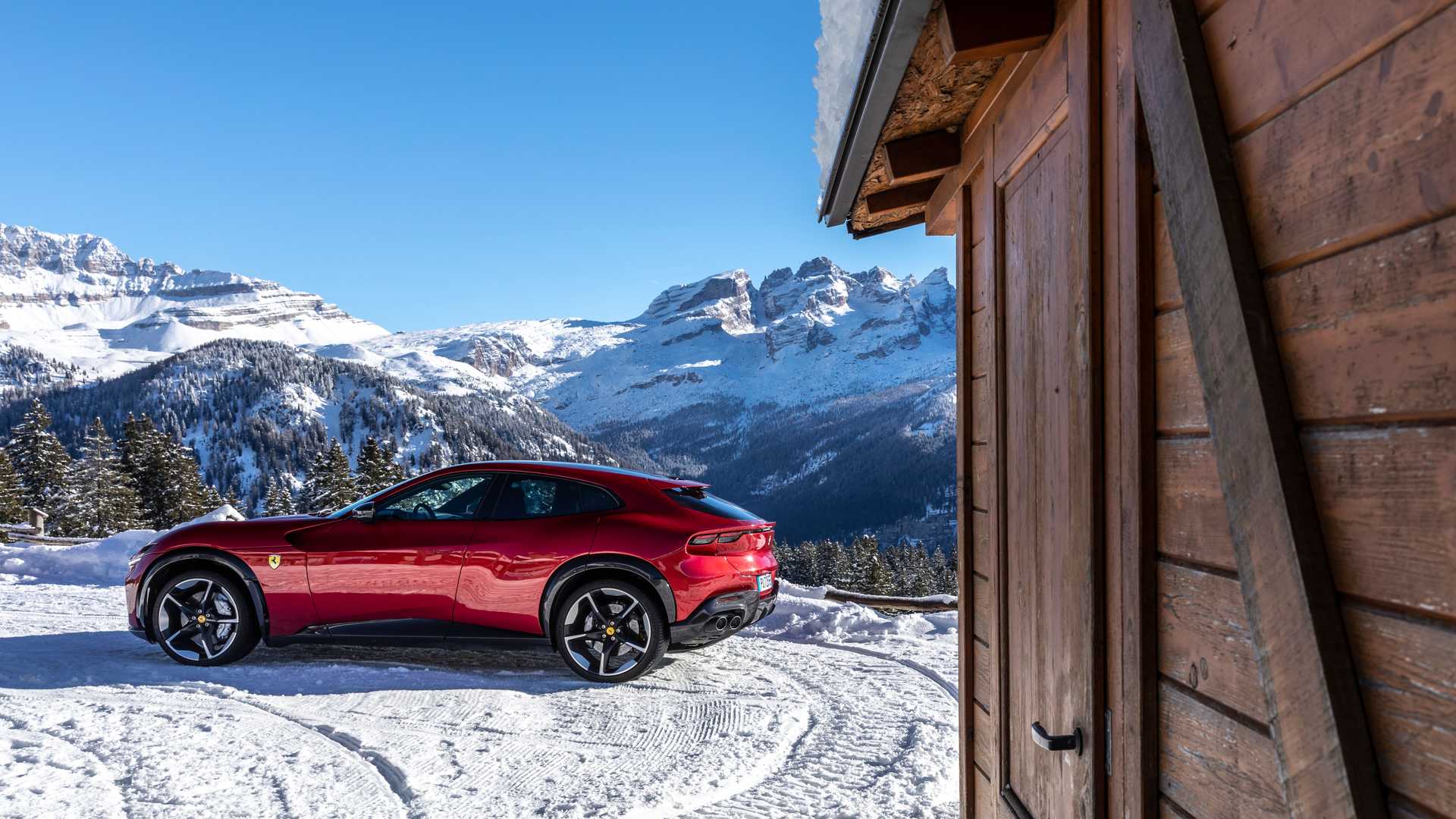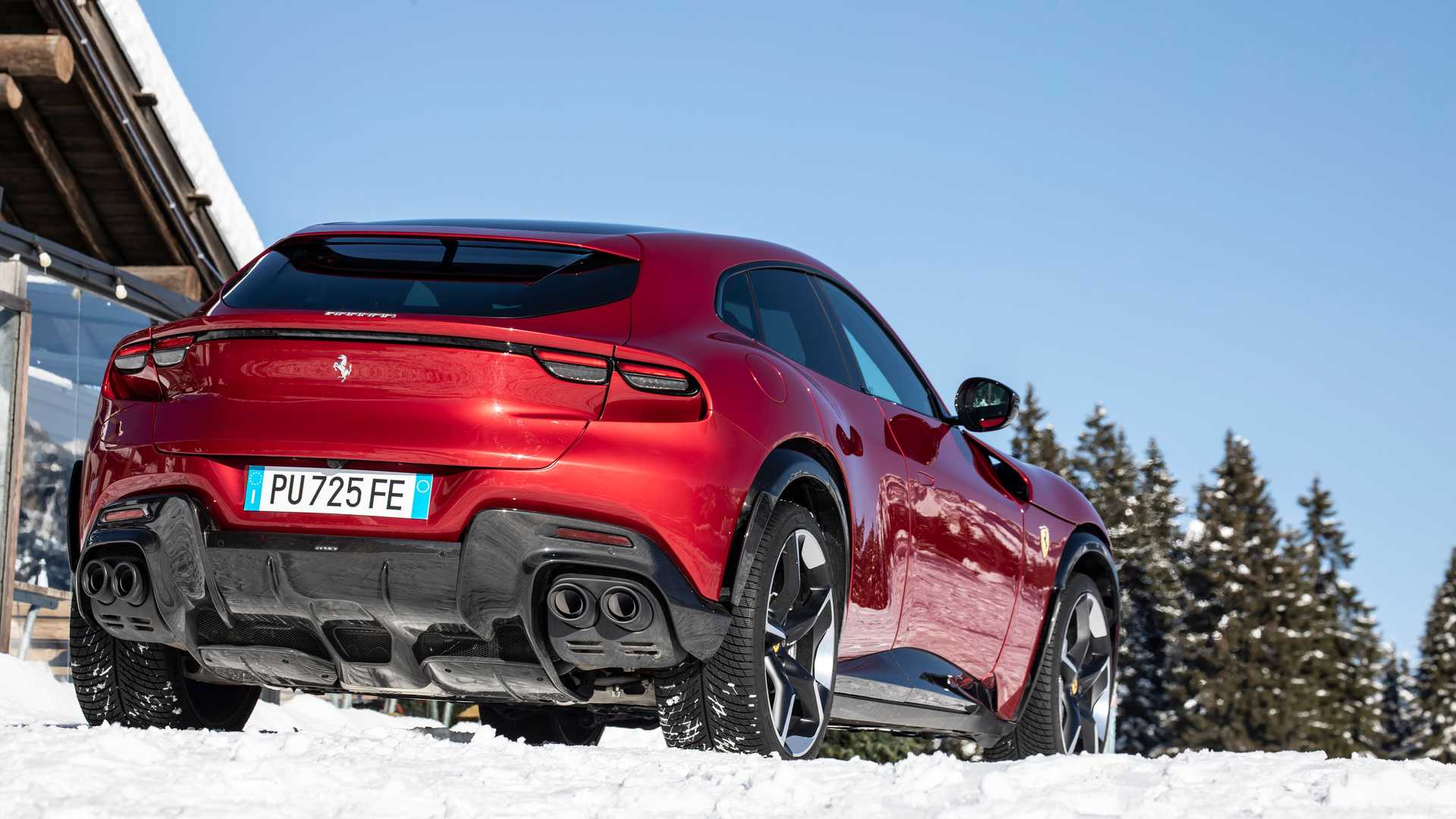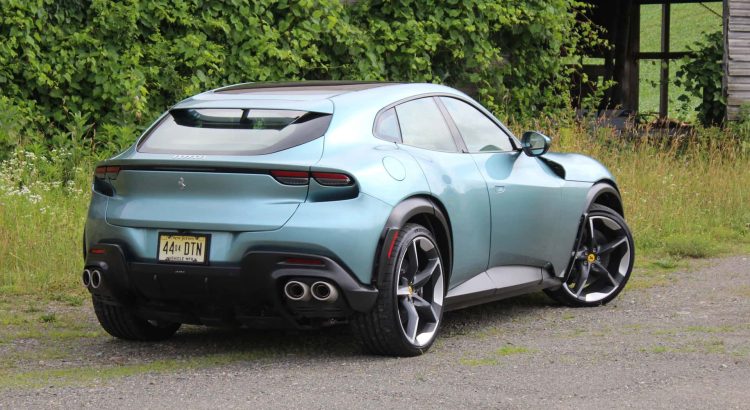
Ferrari is determined to prove that the Purosangue, despite criticism, can still stand out as a high-performance luxury SUV. As the Maranello manufacturer prepares for the electric era, it is focusing on an improved version of its SUV that retains the iconic V12 engine. This decision marks a strategic shift in response to increasingly aggressive competition.

A Controversial SUV in Evolution
The Purosangue has sparked intense reactions since its launch, primarily due to its nature: an SUV from a brand known for sports cars. Despite purist reservations, Ferrari seems to understand that making a bold statement is essential for conquering the luxury SUV market. A more powerful version of the Purosangue is expected by the end of the year, but the shadow of the V12 looms large over this evolution.
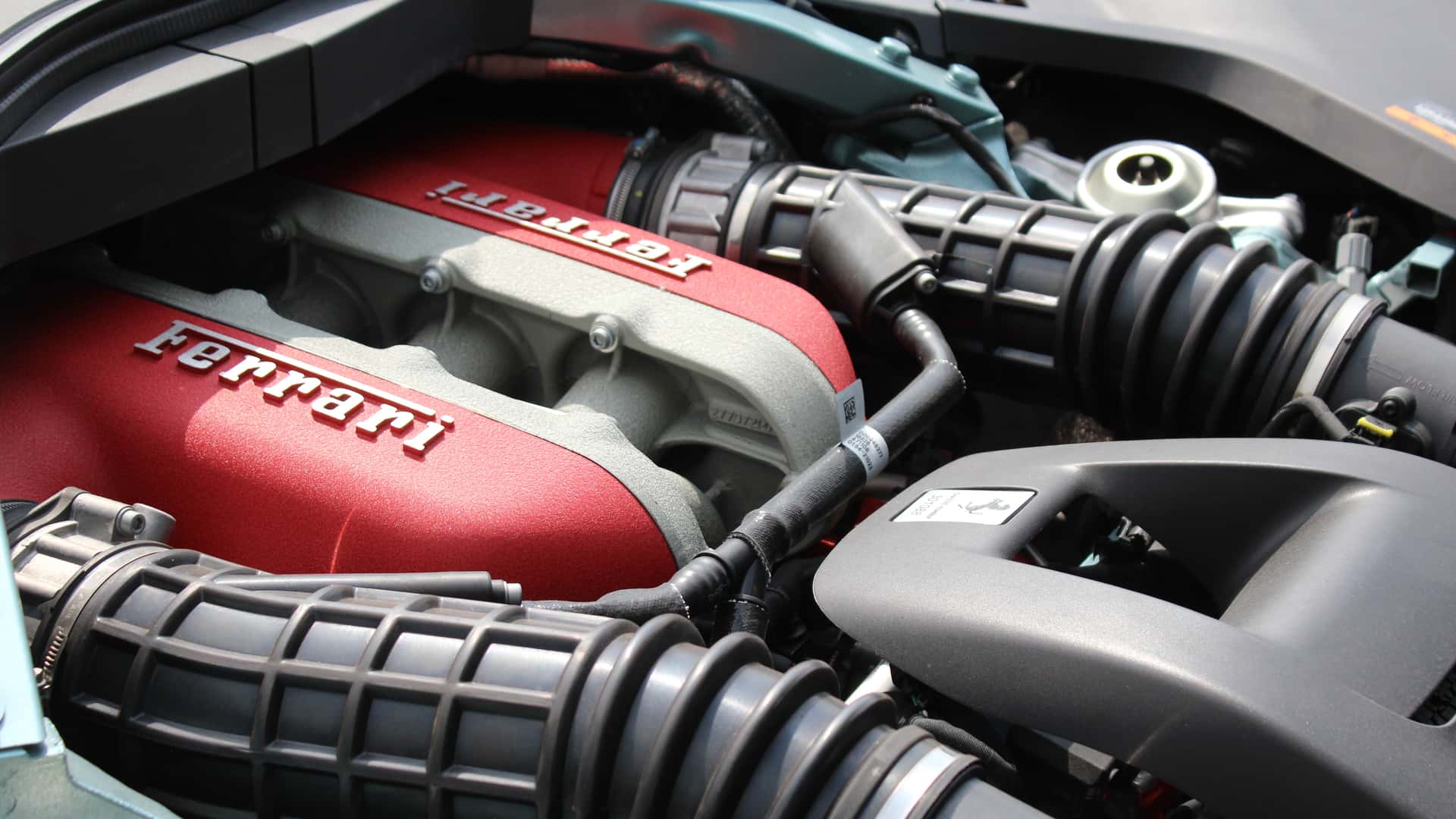
An Old-School Engine for a New Era
The heart of the Purosangue, a 6.5-liter V12 naturally aspirated engine, currently delivers 715 hp. While it’s known that this engine can produce even more power, as other Ferrari models demonstrate, the future of this performance version hinges on optimizations rather than radical changes. The manufacturer has yet to confirm whether a power increase is on the agenda, but it’s clear that the V12 remains a crucial asset in Ferrari’s arsenal, especially against competitors like Lamborghini, which aggressively produces its Urus.
An Assetto Fiorano Package for Distinction
To accompany this enhanced version, Ferrari is considering the introduction of an Assetto Fiorano package, a proven method for reducing the weight of supercars. This kit could include aerodynamic elements and revised suspension aimed at improving the agility and precision of the SUV’s handling. In short, Ferrari seems to be pulling out all the stops: raw power and technical finesse.
A Controlled Production Strategy
While other luxury brands ramp up SUV production, Ferrari is opting for a more measured approach. The manufacturer has decided to limit the annual production of the Purosangue to 20% of its total output to avoid diluting its brand image. This decision could be crucial in a saturated market where exclusivity often equates to desirability. This defensive strategy may also attract clientele that values image over brands focused on volume.
A Response to Market Pressure
Ferrari’s decision to keep the V12 in its lineup is not just a matter of tradition. It’s also a response to market pressure as combustion engines gradually fade away. According to forecasts, Ferrari expects that 40% of its models will still be powered by combustion engines by 2030. This reflects a desire to maintain a degree of authenticity while also meeting new regulatory requirements, such as the Euro 7 standard.
Challenges Ahead
Despite these developments, Ferrari must navigate a rapidly changing automotive landscape. The brand plans to launch 20 new models over the next four years, but the transition to electrification will be inevitable. On the other hand, competition is intensifying, with brands like Aston Martin and Bentley showing no signs of slowing down. The central question is how Ferrari will manage to combine performance with compliance to new environmental standards without losing its identity.
Summary
- Ferrari is preparing an improved version of the Purosangue with the V12 retained.
- A measured approach in light of aggressive competition in the SUV sector.
- An Assetto Fiorano package is planned to enhance performance and agility.
- Limited production strategy to maintain brand image.
- Retention of combustion engines despite increasing regulatory pressure.
In summary, this new version of the Purosangue could appeal to purists while keeping Ferrari competitive in the luxury SUV market. For adrenaline junkies, this model promises a strong alternative against already established competitors. However, the path to full electrification will pose challenges in the coming years.