

Ferrari‘s first-ever all-electric model, the Luce, is already sparking debate. While its performance figures promise a high-flying sports car, the design is proving divisive, with even prominent figures close to the brand voicing reservations.
The Electric Revolution: A Bold Gamble for Maranello
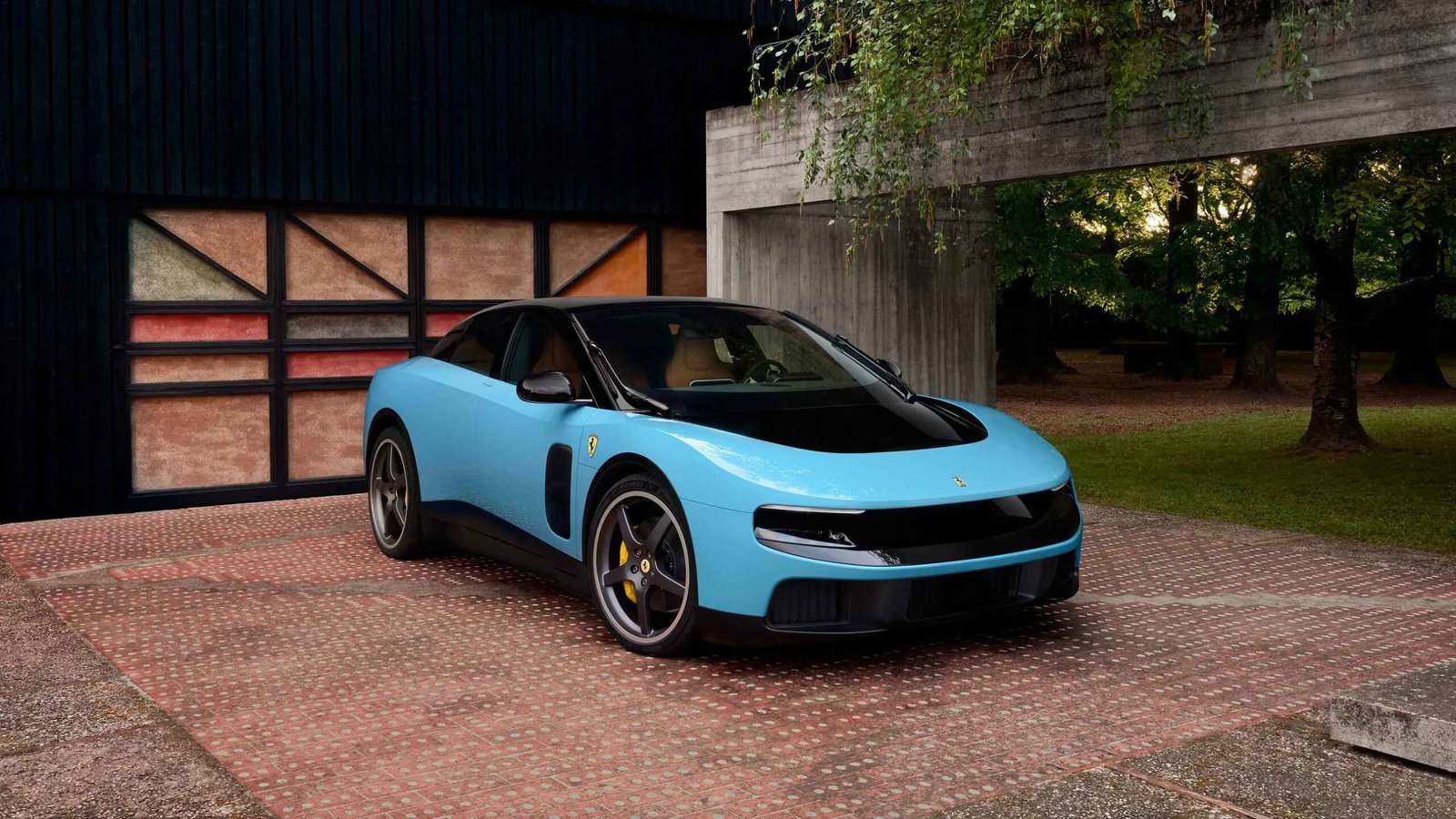
After years of rumors and anticipation, Ferrari has finally unveiled its first 100% electric vehicle, the Luce. This marks a historic turning point for a brand whose identity is intrinsically tied to the roar of internal combustion engines. The Luce boasts astounding performance, with four electric motors delivering a combined output of 1050 hp. It rockets from 0 to 60 mph in 2.5 seconds and 0 to 124 mph in just 6.8 seconds, figures that place this newcomer at the pinnacle of the hypercar hierarchy. However, beyond its raw performance, it’s the Luce’s appearance that is drawing the most attention.
Jay Leno, a Critical Voice: “It Looks Like an Electric Car, But Not a Ferrari”
Among the voices weighing in on this new model, that of Jay Leno, the American host and fervent automotive enthusiast, resonates particularly strongly. During a conversation with David Lee, a Ferrari ambassador and collector, Leno expressed a sentiment shared by many: the Luce, while not lacking charm, fails to embody the very essence of Ferrari. “It looks like an electric car, no doubt about it, but it doesn’t look like a Ferrari,” he stated. This observation highlights the major challenge for Maranello: reconciling technological innovation with the stylistic heritage that has cemented the brand’s legendary status.
The Sports Wagon Paradox: A Diluted Identity?
Jay Leno didn’t stop there, pointing to a certain confusion in the Luce’s positioning. For him, Ferrari should remain synonymous with pure sports cars. “Ferrari is a sports car, and a wagon is a wagon. A wagon that’s half a sports car and could also carry a surfboard… I don’t like cars that do too many things,” he added. This critique implies that the Luce’s format and design, potentially more versatile than a traditional supercar, might dilute the brand’s exclusive sporting DNA. The debate is open: is the Luce a Ferrari that’s going electric, or an electric car adopting the Maranello badge?
The Long Development Cycle: An Unavoidable Constraint
David Lee, for his part, reminded listeners of an unavoidable reality in the automotive industry: the development cycle. “It takes years to develop and produce a car,” he emphasized. “It’s not like they can react to what’s happening right now. They had to start planning the Luce maybe 7 years ago.” This statement sheds light on the context in which the Luce was conceived. Design and architectural decisions were made at a time when the electric landscape was different, and customer expectations, including those of Ferrari purists, had not yet fully evolved. The brand therefore had to anticipate, even if it meant taking risks.
A $640,000 Electric Car: The Price of Exclusivity
Beyond aesthetic and philosophical considerations, the Ferrari Luce positions itself as an object of desire and investment. With a starting price announced at $640,000, it targets a wealthy clientele loyal to the brand. Ferrari is currently accepting reservations, a sign of the enthusiasm generated by this new model, despite the criticisms. The brand’s challenge will be to convince customers that this first electric offering is not only a technological showcase but also a true Ferrari, capable of delivering the unique emotions its gasoline-powered models have always provided. Time will tell if the Luce marks a positive or controversial turning point in the Scuderia’s history.
Key Takeaways for the Ferrari Luce:
- Raw Performance: 1050 hp, 0-60 mph in 2.5 seconds, 0-124 mph in 6.8 seconds.
- Controversial Design: Jay Leno feels it doesn’t resemble a traditional Ferrari.
- Ambiguous Positioning: The model’s versatility raises questions among purists.
- Long Development: Design dates back several years, independent of current trends.
- Hypercar Price Tag: Launching at $640,000, it targets an elite clientele.


