
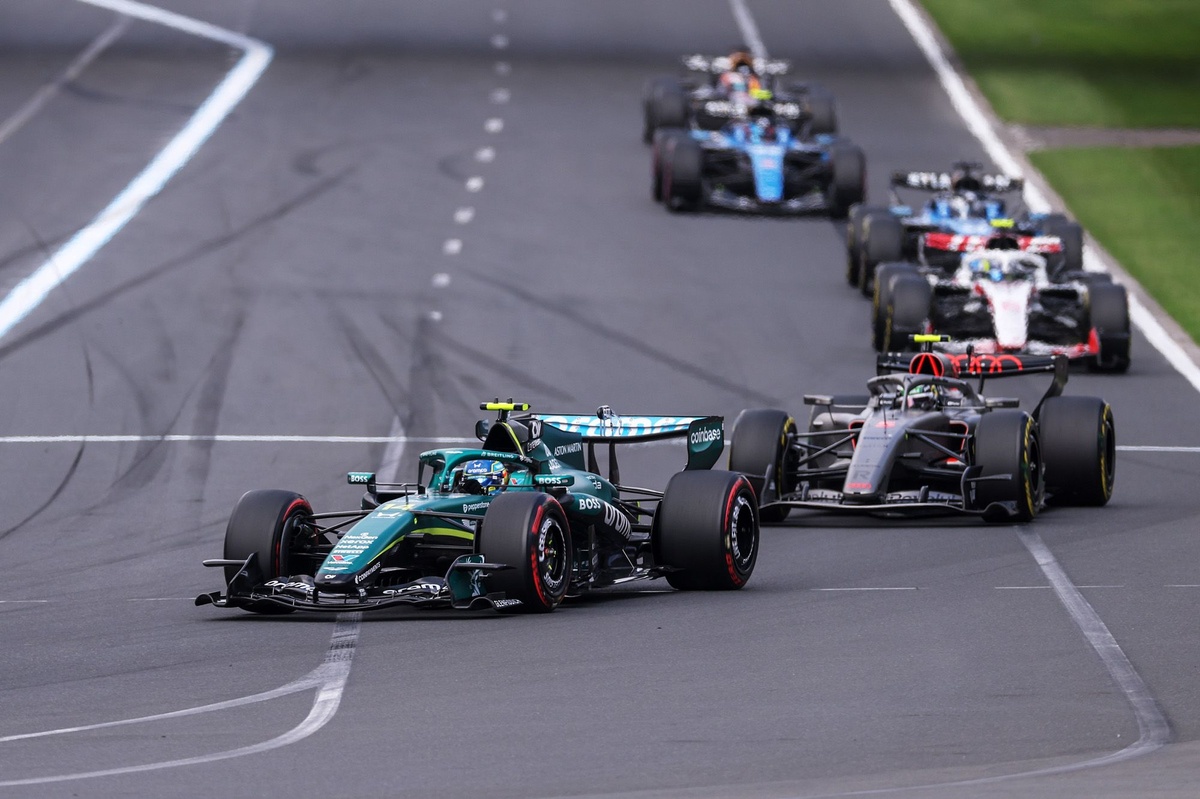
At the heart of the 2026 Australian Grand Prix, Fernando Alonso demonstrated undeniable instinct, but the weaknesses of the Aston Martin AMR26 quickly resurfaced. Between a promising start and a dizzying fall in the standings, the British team must face crucial choices to hope to turn things around.
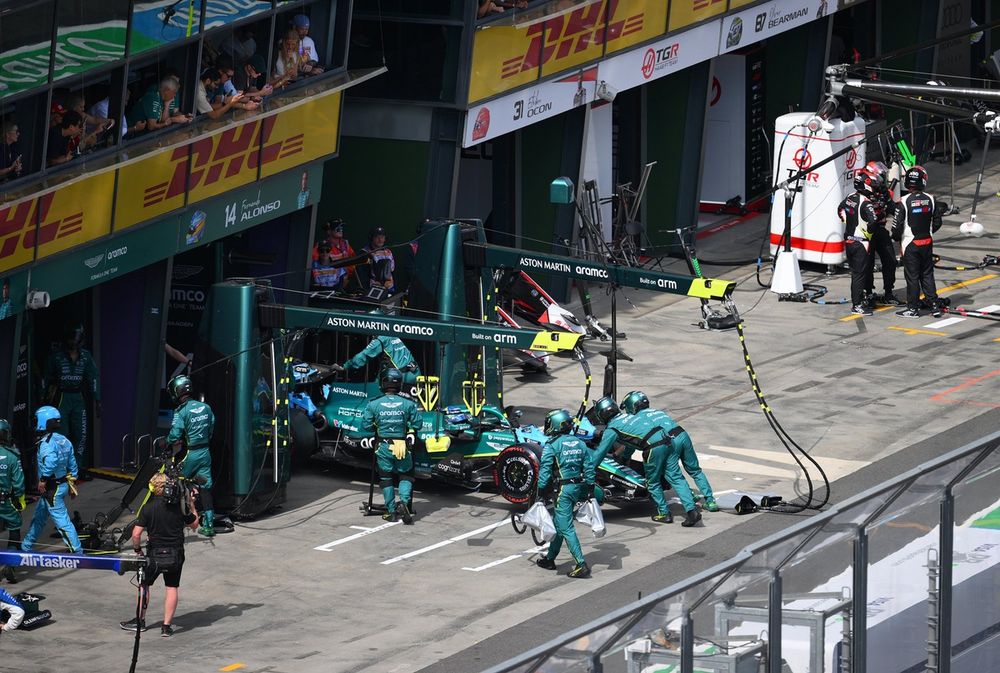
A Blazing Start, but an Unyielding Reality
The Australian Grand Prix began with promise for Aston Martin. Fernando Alonso, leveraging his experience, capitalized on a good start, rising to tenth place. However, this moment of euphoria was short-lived. The AMR26, powered by a Honda engine, quickly showed its shortcomings against sharpened competition. In less than eight laps, Alonso found himself relegated to 17th place, overtaken by rivals who had managed to capitalize on the power and grip of their cars.
A Champion’s Instinct Against Technical Limits
Alonso stated that the start was more about instinct than engine performance. A statement that, while impressive, also highlights the fragility of Aston Martin’s situation. The Spaniard did not hesitate to consider himself “superior” to his competitors, but this confidence could quickly turn into an illusion if the car’s performance does not improve. In short, a driver’s ability to navigate through the pack means nothing without a machine capable of keeping pace.
Recurring Technical Issues: A Barrier to Evolution
The race revealed notable technical problems for Aston Martin. After an initial alert on lap 14, Alonso had to pit for repairs. A situation that seems recurrent for the team, which struggles to find a balance between performance and reliability. “We knew it would be an almost impossible race to finish,” admitted the driver. This self-criticism highlights a major challenge: the need to improve the car’s reliability while continuing to develop its potential.
A Strategy to Reassess for the Season
Aston Martin’s race management raises questions about their overall strategy. Poorly executed pit stops and technical anomalies highlight a lack of preparation. The fact that Alonso emphasized the importance of learning from this race to improve procedures shows that the team needs to reassess its priorities. In practice, every minute lost in a pit stop is a precious minute that could make the difference between a good and a bad finish.
An Uncertain Future: Pressure Mounts
Aston Martin finds itself at a decisive turning point. If the team wishes to compete with the giants of Formula 1, it must urgently address its weaknesses. The disappointing performances of the AMR26 raise questions about its ability to compete with teams like Ferrari or Mercedes, which have significantly larger budgets and resources. Nevertheless, every race is a learning opportunity, and it is crucial for Aston Martin to capitalize on these lessons to progress.
In Summary
- Alonso demonstrated his driver instinct, but the AMR26 suffered from technical weaknesses.
- Reliability issues and poorly managed pit stops hinder the team’s progress.
- Aston Martin must reassess its strategy to improve its long-term performance.
- The pressure is high on the team to compete with the championship leaders.
- Every race is a learning experience, essential for the team’s evolution.
Who is this analysis useful for? For Formula 1 enthusiasts, motorsport observers, and Aston Martin supporters. In terms of alternatives, it will be interesting to follow the developments of other teams and their strategies in the face of increasingly strict regulations. The team’s strengths lie in Alonso’s undeniable talent and his ability to make the best of difficult situations. However, the current technical limits could jeopardize their near future if solutions are not implemented quickly.


