
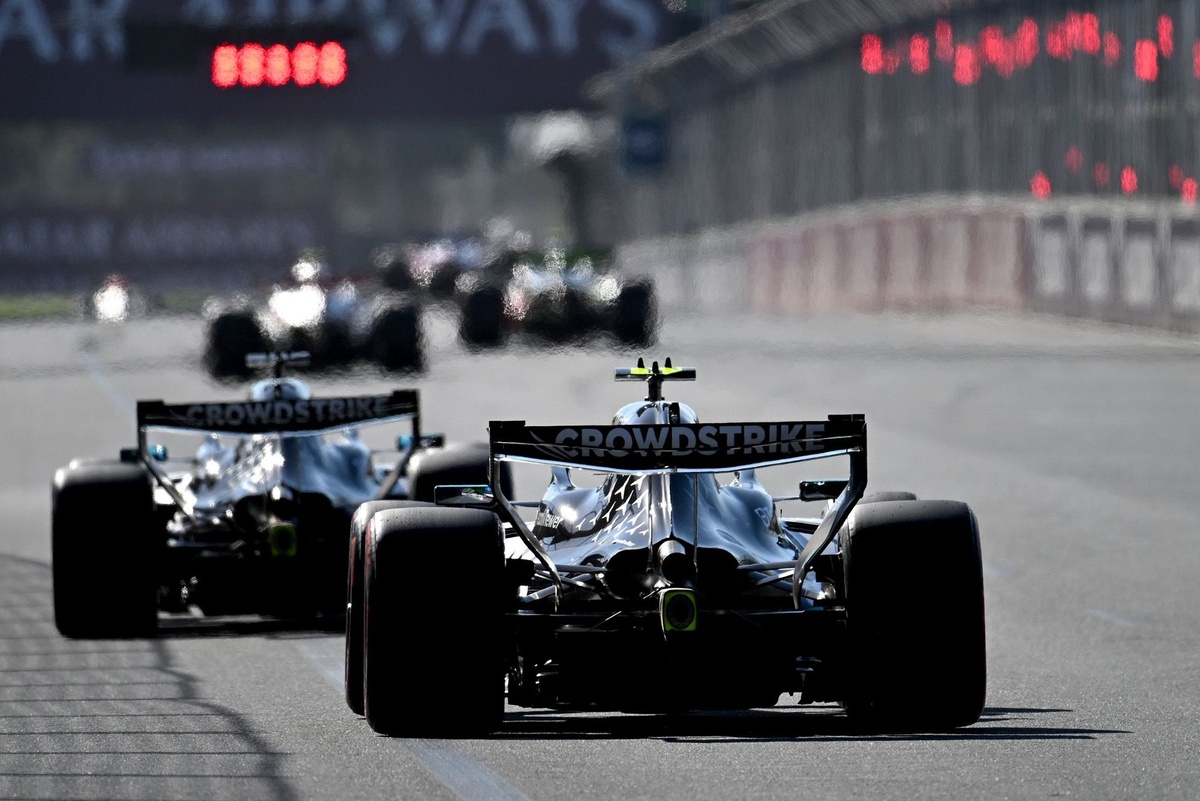
The 2026 Australian Grand Prix has revealed unexpected dynamics in the Formula 1 field, disrupting certainties about team performance. As the new cars make their debut, the free practice sessions have been the stage for a strategic shift for some teams, notably Mercedes, while others, like Alpine and Williams, struggle to find their place in the sun.
A Tense Warm-Up
The free practice sessions in Melbourne were marked by a palpable atmosphere of tension. The teams knew that this first race of the 2026 season would be a revealing indicator of the strengths at play, especially with the new regulations regarding aerodynamics and energy deployment. The drivers had to juggle energy management and downforce reduction, which led to notable errors on the track, particularly at turn 3 where several drivers locked up their wheels.
Max Verstappen, for example, saw his weekend compromised after a track exit that damaged his floor. This type of incident illustrates the challenge this new era represents for drivers, who must now adapt to a radically different car behavior. In short, the free practice sessions served as a laboratory to test not only pure performance but also the adaptability of drivers in the face of these changes.
The End of Hide-and-Seek for Mercedes?
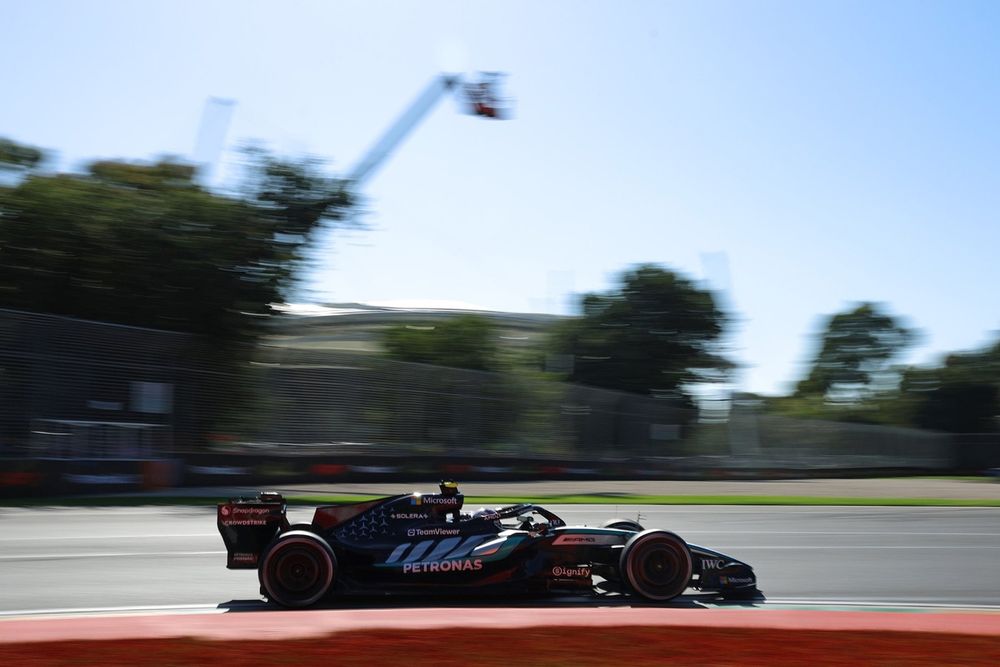
Mercedes clearly scored points during FP2. Although George Russell and Kimi Antonelli did not seek to set the fastest time, their consistent pace on hard tires made an impression. Russell posted an average lap time almost 0.7 seconds faster than Lewis Hamilton, which could be an alarming signal for other teams.
Charles Leclerc did not take long to react: “I think Mercedes is slowly starting to show more of what it is capable of.” This observation is even more relevant considering the fierce battle for the title. If Mercedes can maintain this pace, it could well become the reference in the paddock again.
The Midfield in Full Transformation
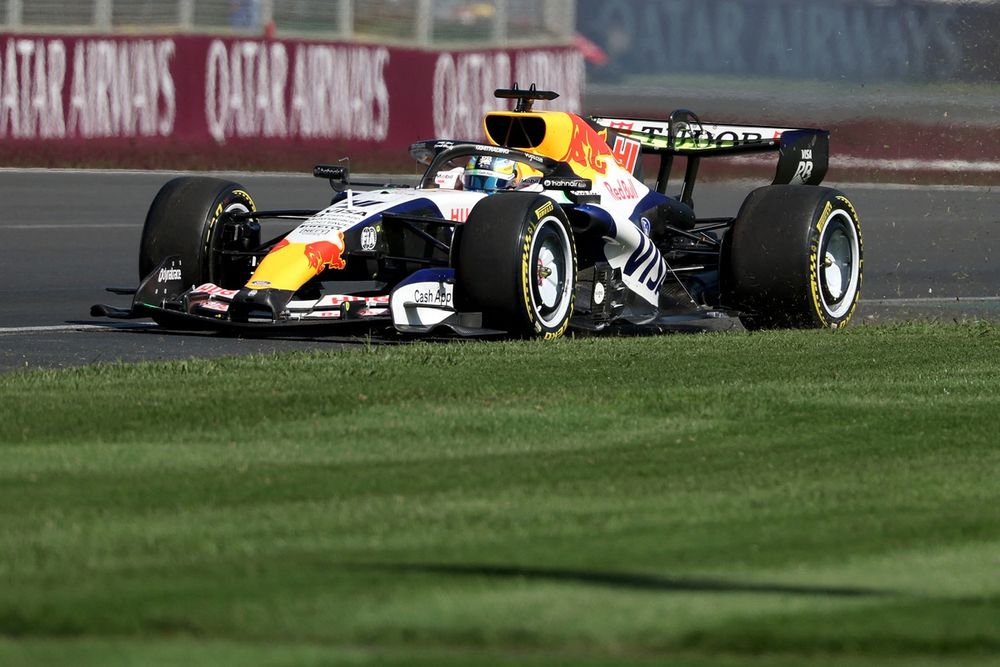
The initial tests also highlighted an evolving hierarchy in the midfield. Audi and Racing Bulls were particularly noteworthy, showing solid performances during qualifying simulations. For a newcomer, Audi demonstrates that it can compete with established teams, while Racing Bulls attracts attention with its promising young drivers.
In contrast, Alpine seems to be stagnating. Despite a significant development budget, the performances during FP2 were disappointing. Pierre Gasly even acknowledged that the team was “quite far” from its potential. This observation raises questions about the development strategy and technical direction of the French team, which must now react quickly to avoid falling behind.
Williams: A Bitter Return to Reality
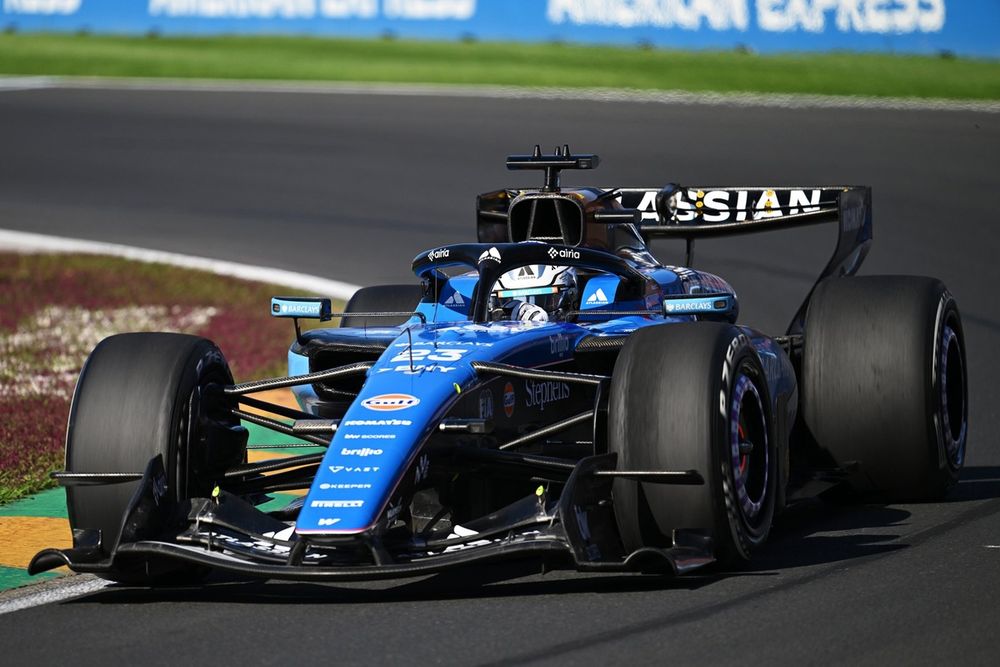
For Williams, the situation is more concerning. The team finds itself at the back of the pack, facing issues of overweight and energy deployment. Alexander Albon emphasized that managing the engine regime was crucial to maximizing the car’s potential, but GPS data shows that the team struggles to maintain consistent performance on the track.
This difficulty in finding a competitive rhythm could have repercussions on the morale and budget of the already fragile team. Williams must urgently find solutions to avoid another lackluster season, especially against increasingly fierce competition.
Aston Martin: An Announced Debacle
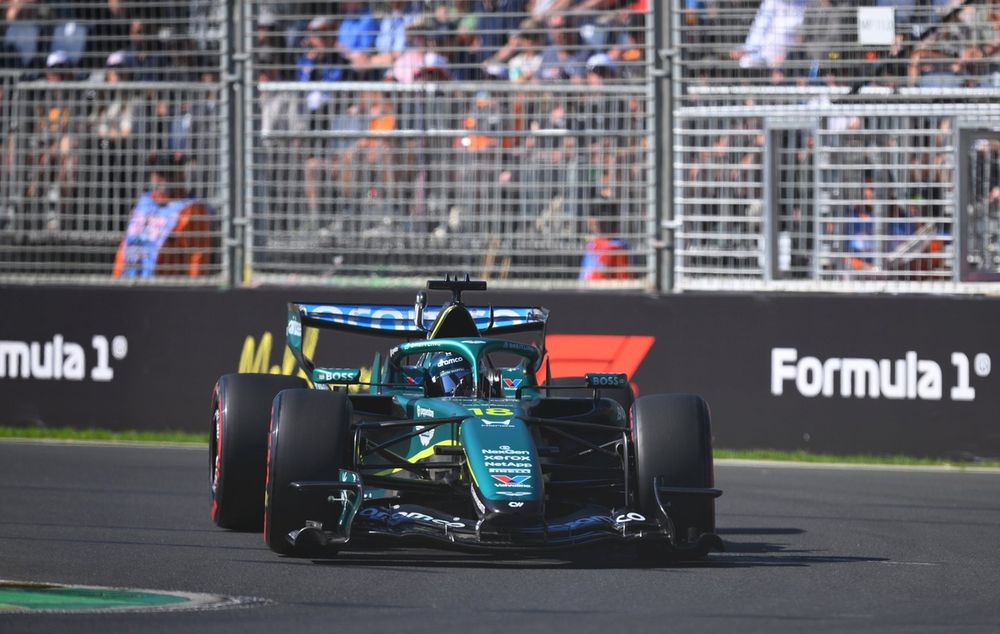
Aston Martin, on its part, is experiencing a true nightmare. With recurring technical problems and chaotic management of its Honda engine, the team has been unable to leverage the practice sessions to refine its strategy. The current situation raises concerns about the team’s ability to get back in the race, especially with regulations favoring teams with better reliability.
The lack of fuel and communication issues between the various energy storage units complicate matters even further. It is crucial for Aston Martin to rectify the situation quickly, as each race without solid performance could mean a fatal blow to its ambitions.
In Summary
- The free practice sessions in Melbourne revealed a shake-up of established hierarchies.
- Mercedes seems to be regaining its rhythm, alerting its competitors.
- Audi and Racing Bulls appear as serious outsiders in the midfield.
- Alpine and Williams must react quickly to avoid a difficult season.
- Aston Martin is facing a major technical crisis that could compromise its goals.
In the medium term, these performances could redefine the championship hierarchy. If Mercedes manages to maintain its momentum, it could prompt other teams to reassess their strategies. Meanwhile, the midfield could experience a revival with Audi and Racing Bulls, while Alpine and Williams must urgently find solutions to avoid being forgotten. The 2026 season is already shaping up to be a decisive turning point for several teams.


