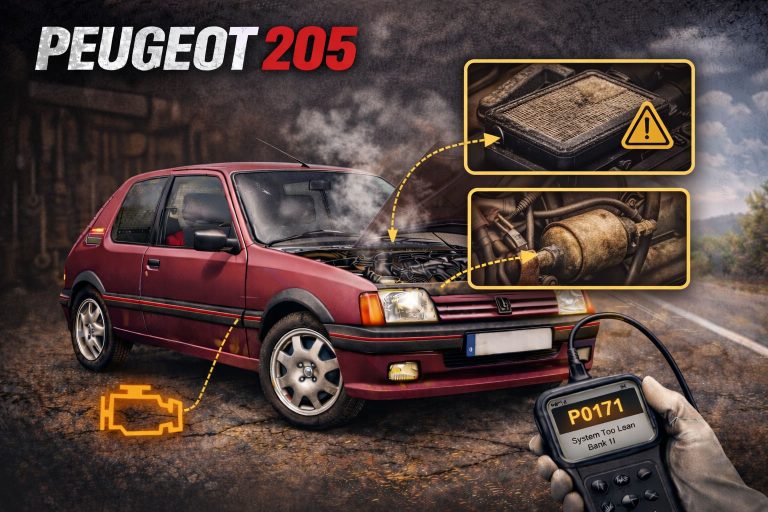
Limp mode is a protective system activated by the vehicle’s computer when a serious fault is detected. It intentionally limits power to prevent mechanical damage.
What is Limp Mode?
When a sensor detects a significant anomaly, the engine may:
- Limit RPM to 2,500 – 3,000
- Reduce power
- Cut off the turbo
The vehicle remains drivable but is heavily restricted.
Symptoms of Limp Mode
- Significant loss of power
- Very slow acceleration
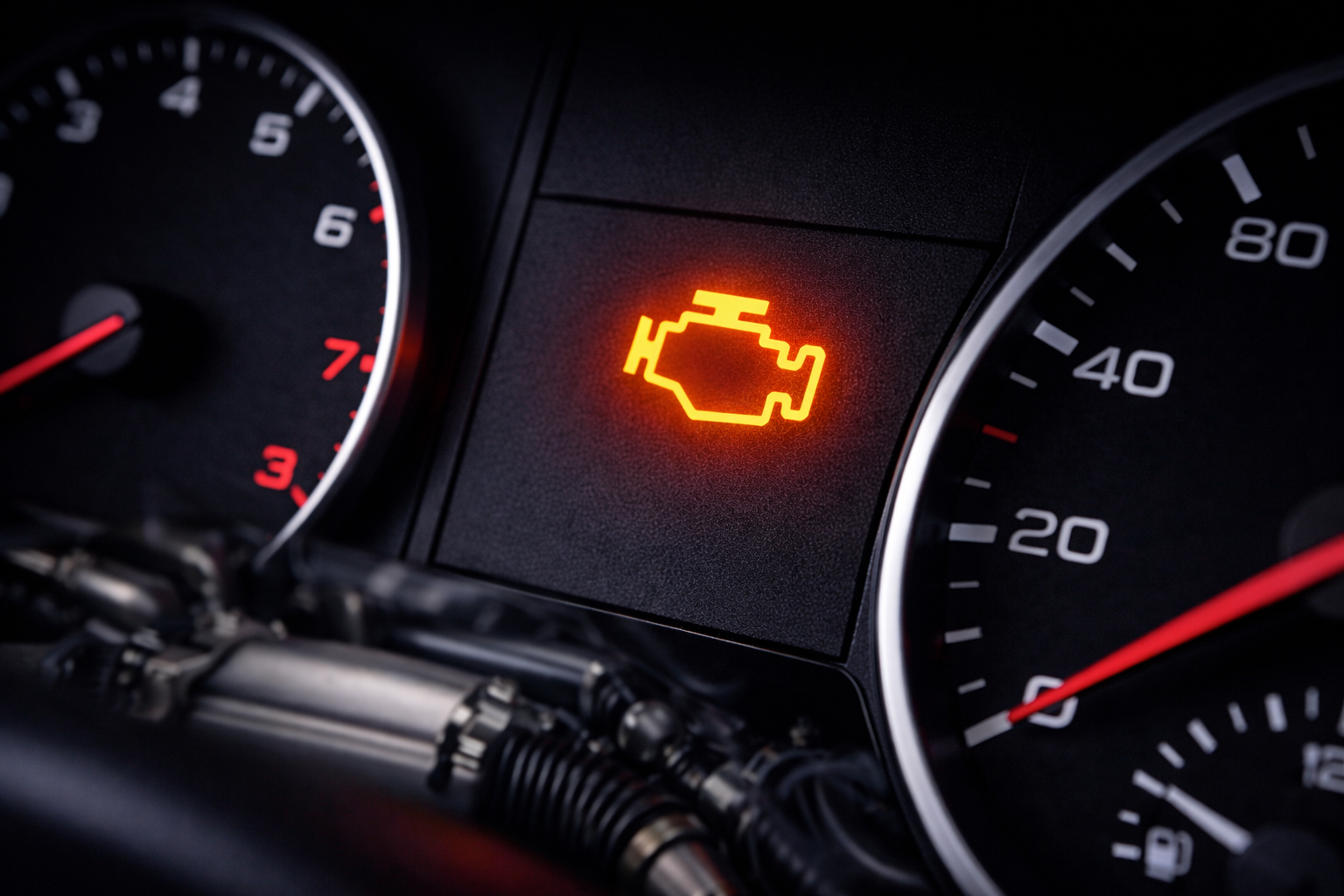
- Check engine light on
- Unable to exceed 3,000 RPM
Can You Continue Driving?
Yes, temporarily, but:
- Performance is severely reduced
- The underlying problem may worsen
- A complete shutdown may occur
Common Causes
1. Clogged DPF
Very common in diesel vehicles used in the city.
2. Clogged EGR Valve
Causes emissions faults.
3. Faulty Mass Airflow Sensor
Poor management of the air/fuel mixture.
4. Failing Turbocharger
Detected overpressure or underpressure.
5. Injection Issues
Problems with injectors or high-pressure pump.
How to Exit Limp Mode?
- Read fault codes via OBD
- Identify the precise cause
- Repair or clean the affected component
- Clear the fault codes
A simple restart may temporarily disable limp mode, but the fault will return if the underlying issue persists.
Repair Costs
| Cause | Estimated Cost |
|---|---|
| EGR Cleaning | $160 to $430 |
| Mass Airflow Sensor | $160 to $370 |
| DPF Cleaning | $320 to $640 |
| Turbocharger | $860 to $2,700 |
Key Takeaways
Limp mode is a safety system. It’s crucial not just to clear the fault but to identify the cause to prevent a more serious breakdown.