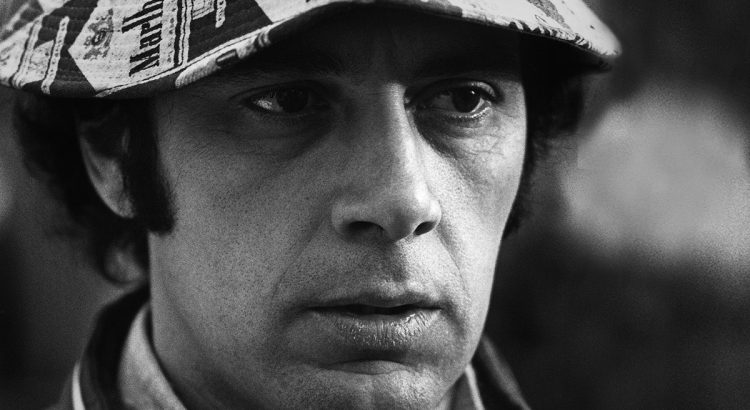
The passing of Sandro Munari, an iconic figure in rallying and a cornerstone of Lancia, marks the end of a golden era in motorsport. At 85, this Italian, known as “Il Drago,” leaves behind a legacy that shaped Lancia’s identity in the rally world. His journey serves as a powerful reminder of the impact a driver can have on a brand and the evolution of a discipline.

A Meteoric Rise at the Heart of Lancia’s Legend
Born in 1940 in Cavarzere, Sandro Munari’s career took off in the 1960s. His impressive record, filled with victories, was built around two iconic models: the Lancia Fulvia and the Stratos. In 1972, he made headlines by winning the prestigious Monte Carlo Rally, placing Lancia firmly on the international rally map. This victory was not just a success; it was a strategic turning point for the brand, which capitalized on this newfound fame to establish a solid reputation on the circuit.
The Monte Carlo: A Stage of Excellence
The Monte Carlo is often regarded as the Holy Grail of rallying, and Munari shone brightly there. With the Stratos, he won three consecutive editions from 1975 to 1977, an achievement that cemented his place in the sport’s history. This performance also allowed Lancia to dominate the manufacturers’ championship, marking a turning point in competition against rivals like Ford and Audi. In short, Munari was not just a driver; he was the spearhead of an industrial strategy that propelled Lancia to the top.
The Stratos: An Icon Born from Bold Vision
The Stratos, conceived in the late 1960s, became Munari’s and Lancia’s secret weapon. Its radical design and powerful engine made it a formidable car on the winding rally roads. This iconic model not only won titles but also revolutionized the perception of rally cars. The Stratos became a symbol of Italian innovation, proving that design and performance could coexist. Yet, without Munari’s expert hand, this legend might never have come to fruition.
A Legacy Beyond Victories
Beyond trophies, Munari helped popularize rallying in Italy, becoming a true national star. His influence extended well beyond the circuits, participating in historic rallies and commemorative events, including those honoring the Stratos. This visibility not only bolstered Lancia’s image but also sparked a lasting enthusiasm for rallying. His ability to embody the brand’s values allowed Lancia to stand out in an increasingly competitive environment.
A Final Stand in a Changing World
Munari’s career ended at the Safari Rally in 1984, but his impact on motorsport remains palpable. As the rally world evolves towards more technological and sustainable models, the legacy of drivers like him serves as a reminder of the importance of human skills and the emotional connection between driver and machine. As brands invest heavily in electric and new technologies, it will be interesting to see how Lancia and others draw inspiration from this golden era to shape their future.
An Iconic Figure Facing Contemporary Challenges
The death of Munari highlights a major challenge for historic brands like Lancia. How to preserve this legacy while adapting to new market demands? As electric vehicles take center stage, brands must juggle technological innovation with respect for their roots. Nostalgia for figures like Munari could become a marketing asset, but it must be accompanied by a genuine strategy to engage new generations of enthusiasts.
In Summary
- Sandro Munari, rally legend, passed away at 85.
- His influence propelled Lancia to unparalleled heights in the 1970s.
- The Stratos, under his guidance, became an icon of motorsport.
- Munari helped popularize rallying in Italy, transcending competition.
- His legacy raises questions about the future of brands facing contemporary technological challenges.
Sandro Munari’s career is not just about victories; it embodies an era where driving was primarily about passion and commitment. For rally enthusiasts and car lovers, his passing leaves a significant void. As motorsport transforms, Munari’s legacy could serve as a compass for future generations of drivers and brands. Lancia will likely need to navigate between modernity and preserving its history to continue captivating an audience eager for authenticity.