

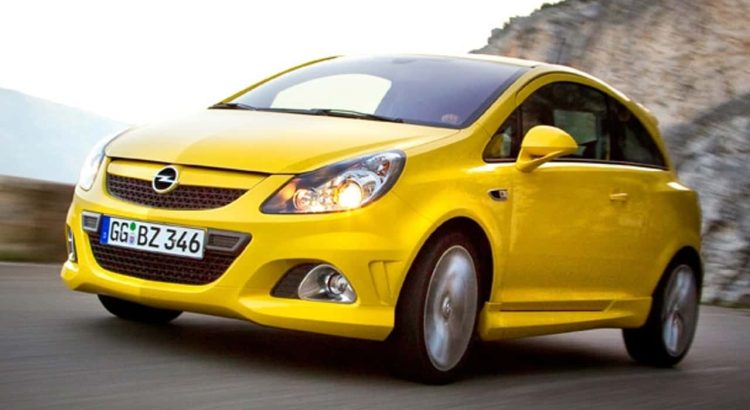
As the Corsa D celebrates its 20th anniversary, its legacy deserves special attention. With a blend of commercial success and technical innovations, it marked its era and continues to influence the subcompact segment.
A Launch Amidst Excitement
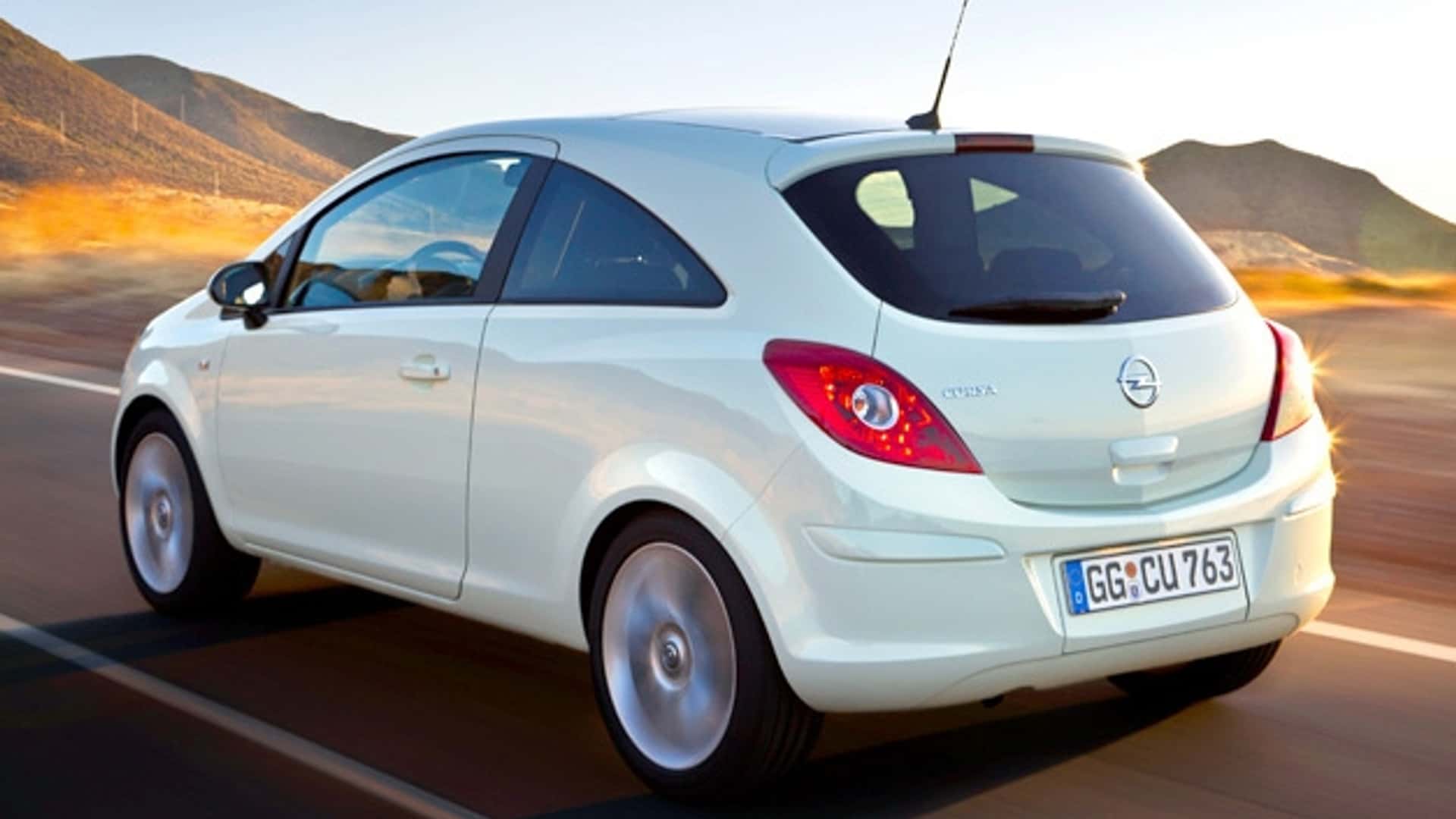
The 2006 FIFA World Cup in Germany was filled with memorable moments, but in the automotive world, another star was born: the Opel Corsa D. Unveiled at the British International Motor Show in July 2006, it was enthusiastically received by city car enthusiasts. By October of that year, dealers began receiving this model, which quickly became a staple.

With increased dimensions, the Corsa D approaches four meters, positioning itself as a serious alternative to segment leaders. This size gain translates to improved interior space, especially in the five-door version, which emphasizes family versatility. The increase in weight, while noticeable, does not impact fuel consumption thanks to optimized gear ratios.
A Diverse Engine Range to Attract All Drivers
At launch, the Corsa D offers a variety of engine options. Customers can choose from several gasoline and diesel engines, ranging from a modest three-cylinder 1.0-liter with 60 hp to an impressive 1.7 CDTI with 125 hp. This diversity meets the growing demand for efficiency and fuel economy while providing performance suited to different driving styles. The LPG versions showcase Opel’s foresight in responding to evolving ecological expectations from consumers.
Overall, the Corsa D’s engine offerings cater to a broad clientele, from young drivers to families seeking a practical and economical vehicle. It’s a smart choice that allows the brand to maintain its competitiveness in a constantly evolving market.
A Sporty Touch with the OPC
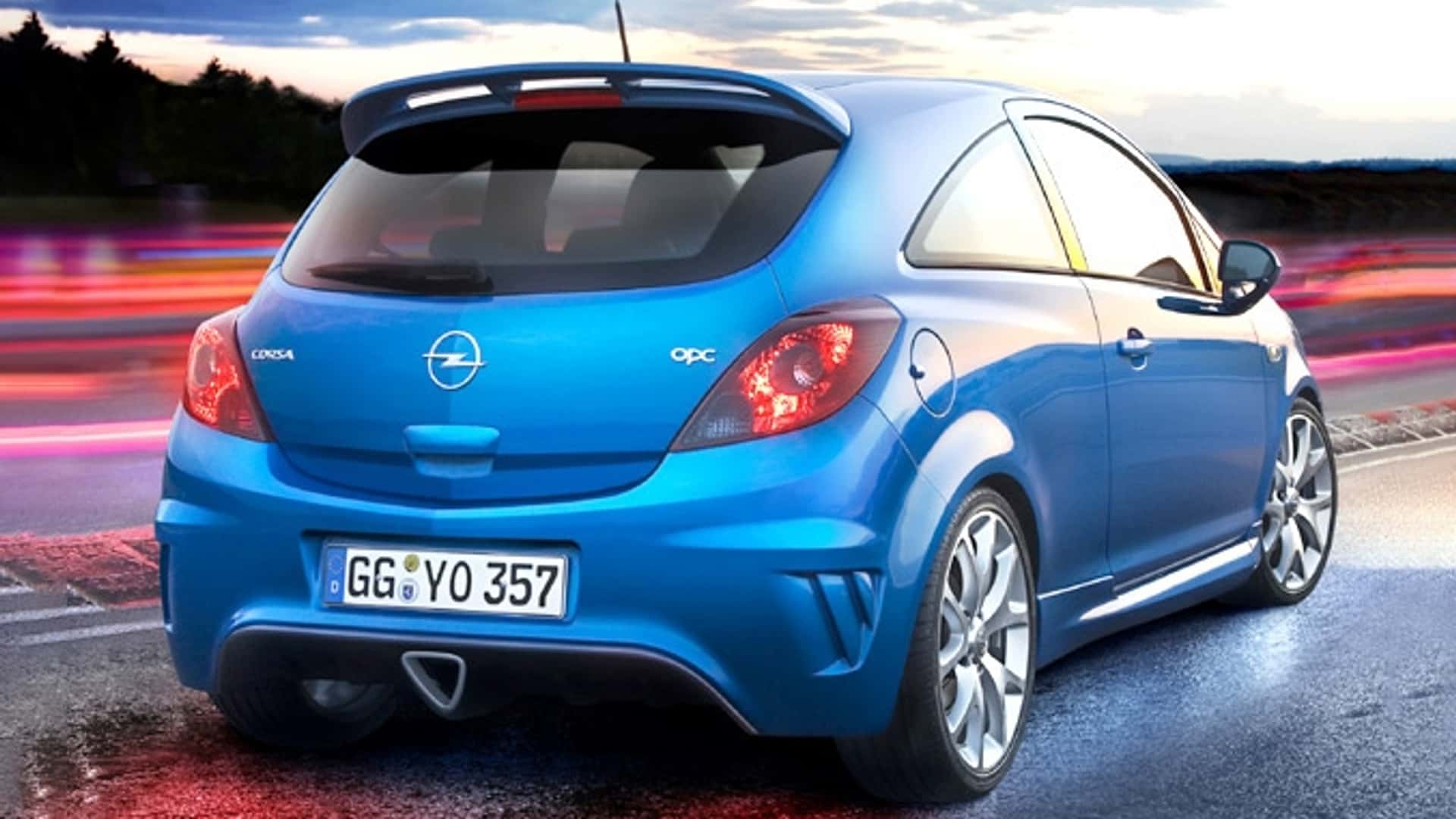
In the realm of sporty cars, the Corsa D is no exception. With the arrival of the OPC version in 2007, Opel introduced a model that challenged the norms of city cars. Equipped with a turbo engine producing 192 hp, it offers performance that rivals more powerful compacts. In addition to its blistering acceleration, the Corsa OPC stands out with its refined chassis and aggressive design. A true statement of intent from Opel, aiming to attract thrill-seekers.

This approach is complemented by the introduction of the GSi, an intermediate model that provides an interesting alternative for drivers wanting to combine sportiness with practicality. By incorporating these sporty variants into its lineup, Opel successfully broadens its audience and strengthens its dynamic brand image.
Ecology and Performance: A Delicate Balance
The launch of the ecoFLEX technology marks a turning point in the Corsa D’s history. By integrating Stop/Start systems and optimized engines, Opel significantly reduces CO₂ emissions while maintaining satisfactory performance. The 1.3 CDTI ecoFLEX version, for example, boasts an impressive combined consumption of 3.3 l/100 km, a feat that demonstrates a commitment to balancing performance and environmental respect.
This proactive ecological strategy not only responds to increasing regulatory demands but also serves as a commercial asset in a market where consumers are becoming more environmentally conscious.
A Facelift to Stay Competitive
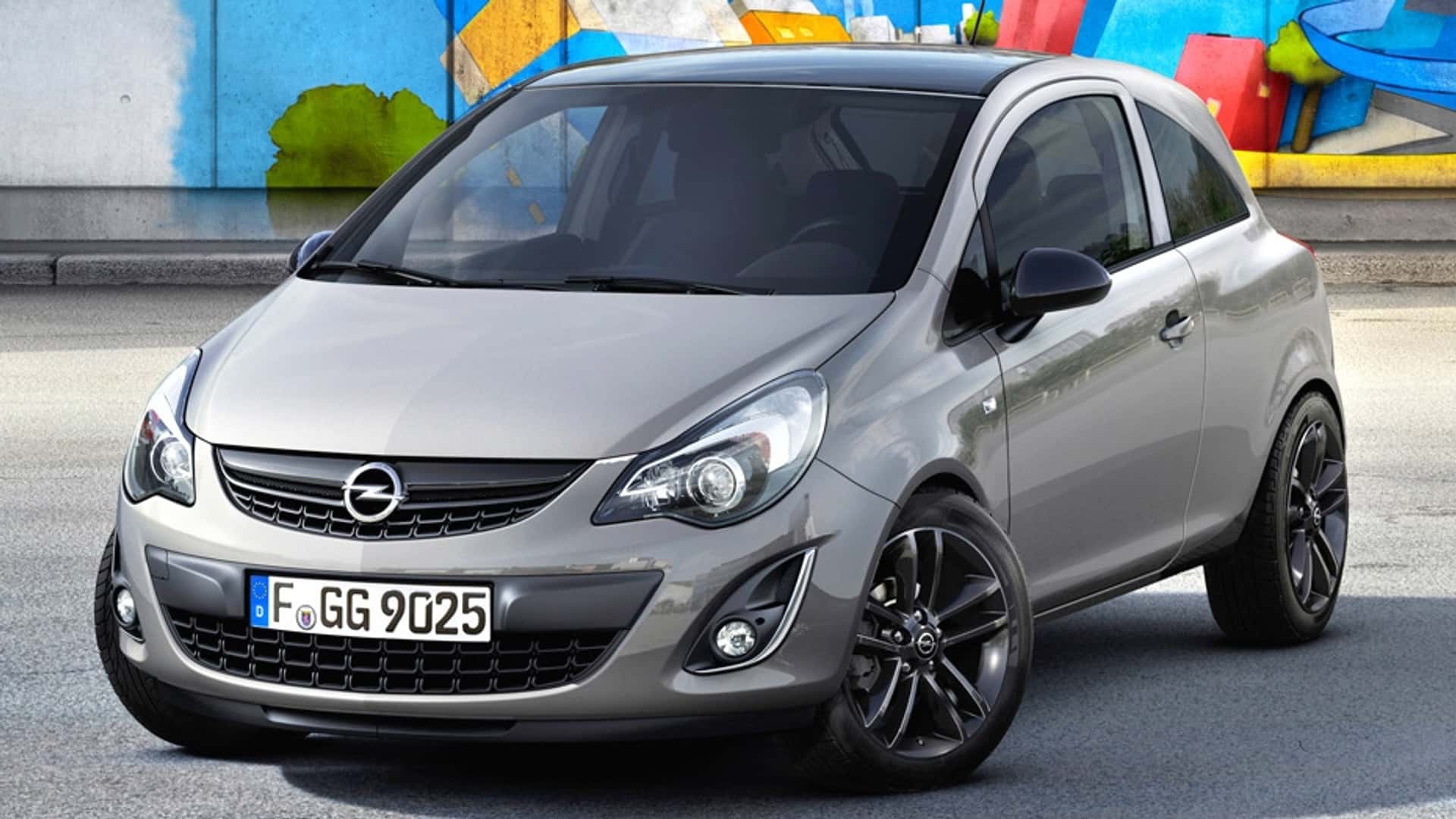
In 2010, the Corsa D underwent a facelift that allowed it to remain competitive amid increased competition. The engines were adapted to Euro 5 standards, and the front end was modernized to meet consumer aesthetic expectations. Despite the discontinuation of the GSi, the model continued to evolve with the introduction of the OPC Nürburgring Edition, an even more powerful version that underscores Opel’s commitment to sports enthusiasts.
This facelift is crucial for maintaining buyer interest and ensuring the commercial success of the Corsa D. Shortly after its launch, orders exceeded all expectations, propelling the Corsa to the top of sales in Germany’s city car segment.
An Impressive Record
With over 2.9 million units sold, the Corsa D stands as a true commercial success. Its production spanned multiple sites, including Germany and Spain, reflecting a well-established industrial strategy. The end of its production in 2014 marked the close of an era, but its legacy endures.
The Corsa D is not just a city car; it has reinvented itself and adapted to the challenges of its time, combining efficiency, comfort, and sportiness. A model that has left its mark and whose impact remains palpable in subsequent generations.
In Summary
- The Corsa D captivated with its generous dimensions and interior space.
- A diverse engine range meets the varied needs of consumers.
- Sporty versions like the OPC enhance the brand’s dynamic image.
- The integration of ecological technologies reflects a forward-looking vision.
- A successful facelift helped maintain its appeal against competition.
Who is it for? The Corsa D remains an attractive option for those seeking a versatile and economical city car. Alternatives? Models like the Peugeot 208 or Renault Clio may also appeal. Strengths: interior space, diverse engine options, sporty versions. Limitations: lack of certain modern technologies in older versions.


