
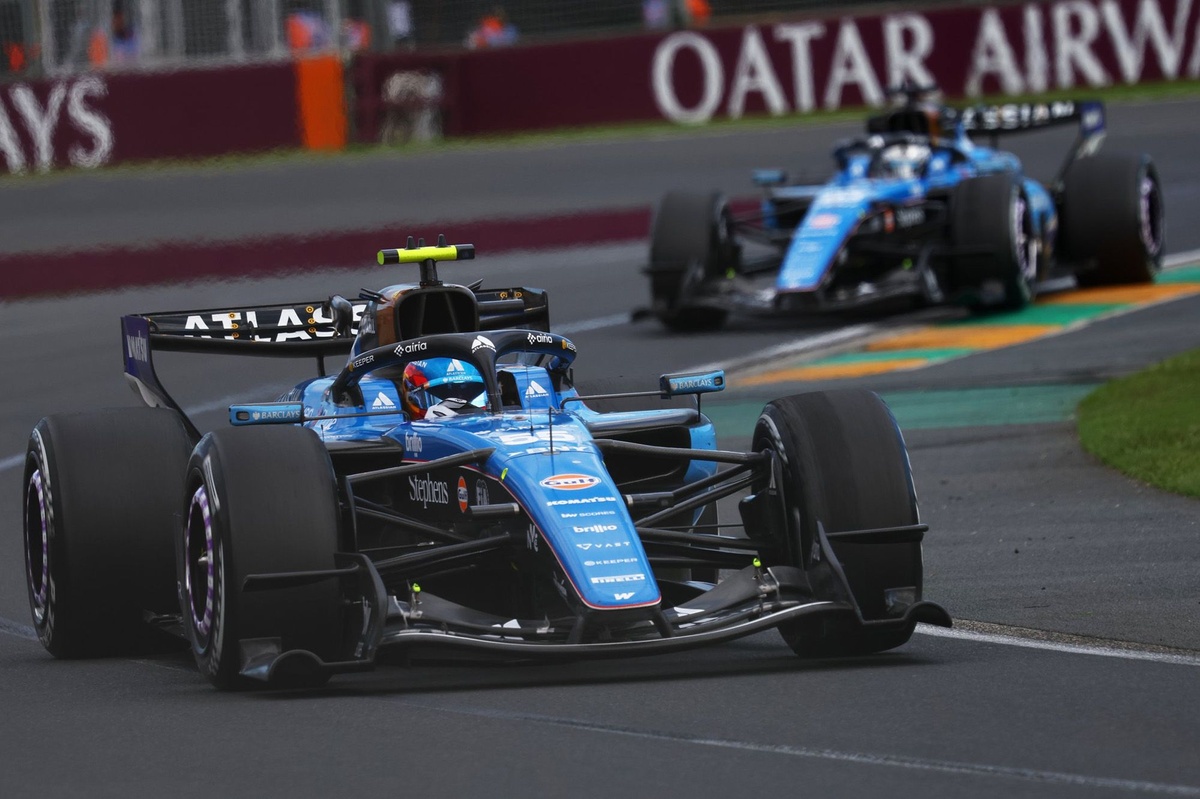
The Australian Grand Prix exposed the harsh reality for Williams in Formula 1. While other teams showcased their true performance, the British outfit revealed an overweight FW48, making their top-10 ambitions seem more than just elusive. This situation raises questions about the strategy needed to correct course in an increasingly competitive environment.
A Rocky Start: The FW48’s Weight Issues
The FW48, barely out of the factory, has already made headlines, but not for the right reasons. With disappointing results in Melbourne, Williams finds itself in a precarious position. The car’s excessive weight, estimated to be over 20 kg above the limit, is the main culprit behind this underperformance. This overweight situation not only hampers speed but also affects energy recovery efficiency, a crucial element with the new engine regulations.
In simple terms, every extra kilogram translates to lost time on the track. Other teams, particularly those using Mercedes engines, seem to have found a better balance between power and weight. Williams, on the other hand, must catch up while juggling the budget constraints imposed by the spending cap.
The Budget Cap: An Inevitable Constraint
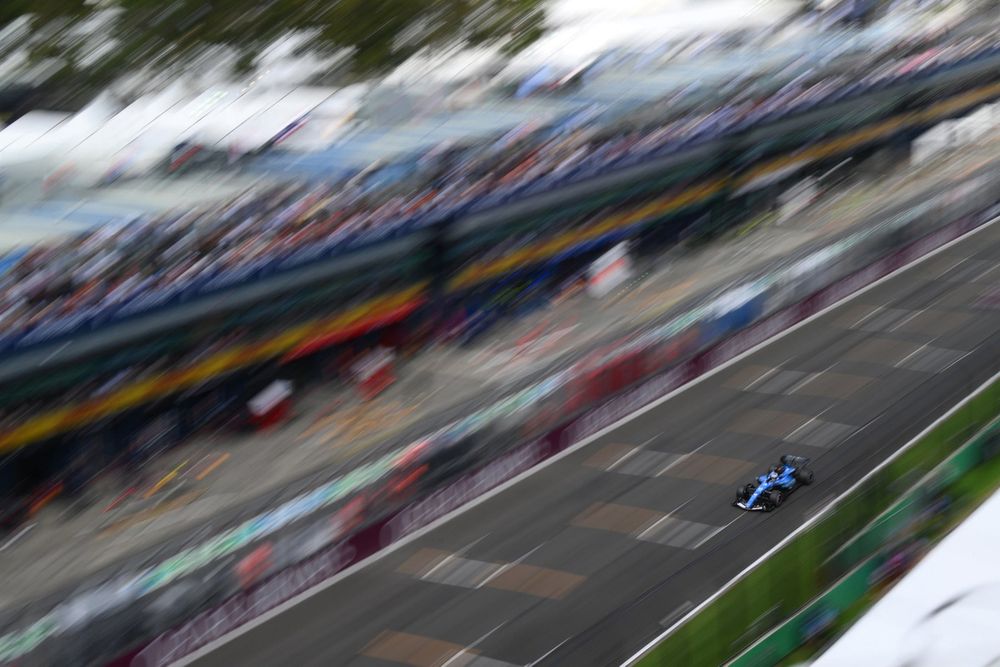
Alexander Albon (Williams)
James Vowles, the team’s principal, has clearly identified the budget cap as the main barrier to improving the FW48. According to him, solutions to lighten the car exist, but their implementation is limited by financial considerations. “If we lived in a world without a budget cap, I would execute it tomorrow.” This statement highlights one of the paradoxes of modern F1: the need to innovate and improve while staying within strict financial limits.
Teams know that each part has a defined lifespan, and prematurely replacing heavy components can lead to significant logistical costs. This complexity becomes a factor to consider in planning the car’s evolution.
A Gradual Weight Reduction Strategy
Vowles advocates for a gradual approach to reducing the car’s weight. It seems wiser to introduce modifications as parts are scheduled for replacement rather than making a radical overhaul. This strategy is based on the idea that every improvement, even marginal, can accumulate and yield significant results.
In practice, this could be a good long-term solution, but in a sport where every millisecond counts, time is working against Williams. While waiting for these changes to bear fruit, the team must contend with a less competitive car than its rivals. This paradox could prove costly in championship points.
Reliability: Another Challenge to Overcome
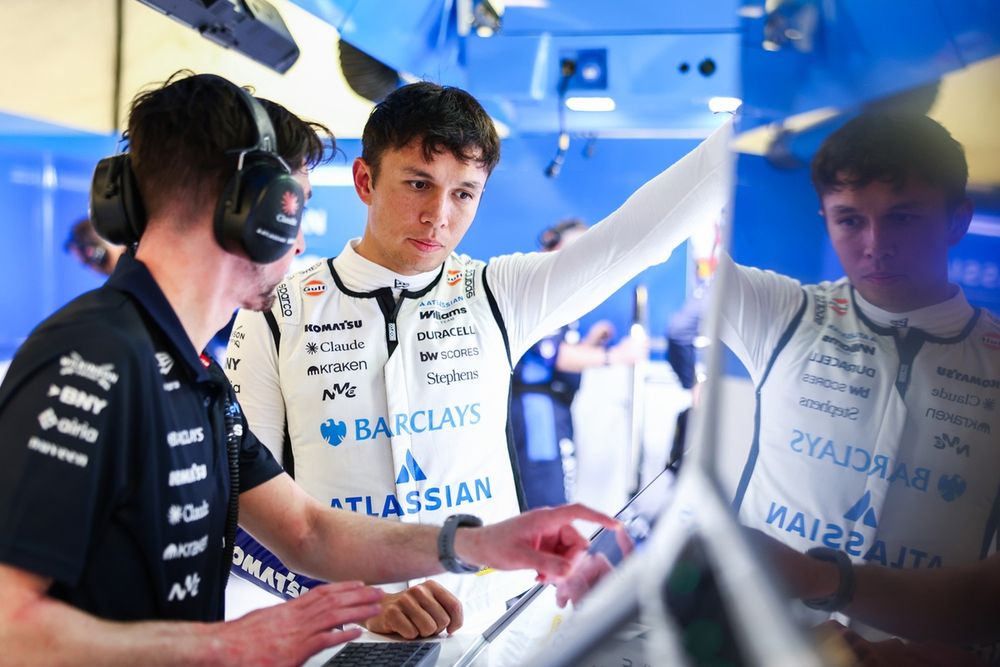
Alexander Albon (Williams)
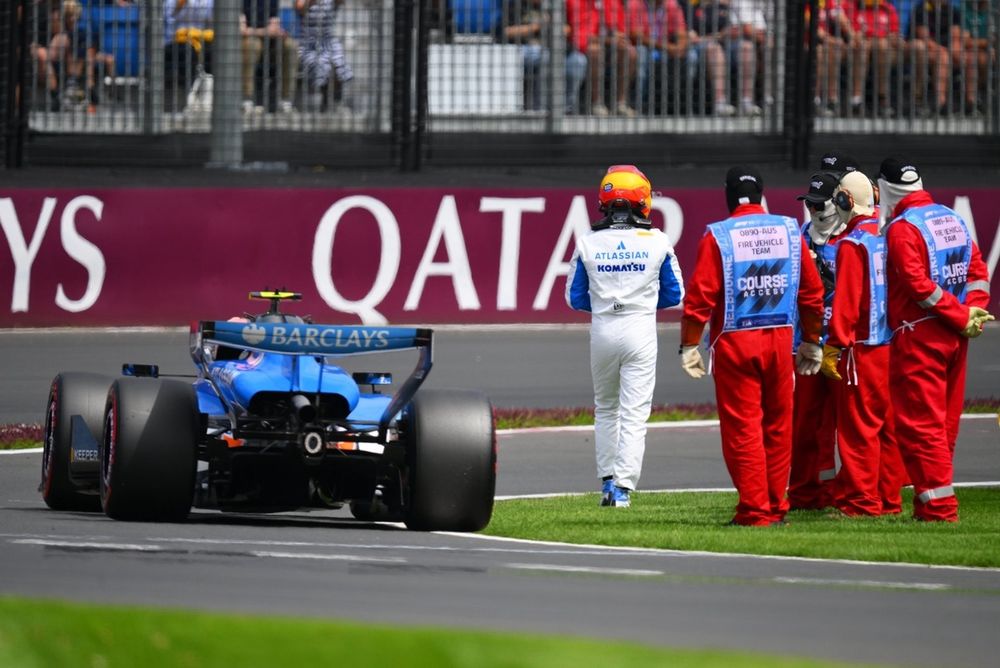
Beyond the weight issue, Williams also faces reliability problems. Carlos Sainz’s car encountered technical issues during practice, limiting opportunities for comparison with other teams. This lack of running time prevented Williams from optimizing its engine management, which could directly impact its race performance.
Vowles emphasized that a direct comparison with the official Mercedes team would have helped pinpoint energy management shortcomings. The necessity for a dual presence on the track is therefore crucial to maximize learning and adaptation potential.
The Path Forward: A Necessary Mobilization
To break out of this negative spiral, Williams must engage in a total mobilization. Alexander Albon mentioned a “huge mobilization at the factory,” highlighting that the team is aware of the challenges ahead. However, the pressure is high: expectations are elevated, and time is of the essence. The question remains whether Williams can truly turn its ambitions into tangible results in the near future.
Other teams, already well-established in the hierarchy, continue to advance and develop their own weight reduction and performance strategies. Therefore, Williams must not only catch up but also anticipate the moves of its competitors.
In Summary
- Williams faces significant overweight issues with its FW48, compromising its performance.
- The budget cap limits immediate improvement options.
- A gradual weight reduction strategy is being considered, but it may lack responsiveness.
- Reliability issues further complicate the team’s situation.
- Internal mobilization is crucial to turn things around in upcoming races.
In conclusion, Williams finds itself at a delicate crossroads. While the desire for improvement is present, the reality of financial and technical constraints weighs heavily on its ambitions. In the coming years, the team will need to double down on efforts not only to catch up but also to secure a place within the competitive pack. In the meantime, the team must navigate between hopes and challenges to find its way back to performance.


