The Dacia Striker, an upcoming compact crossover, marks a strategic shift for the Romanian brand. By entering a rapidly growing segment, Dacia aims to make a statement while facing increasingly fierce competition.
A Name That Speaks Volumes
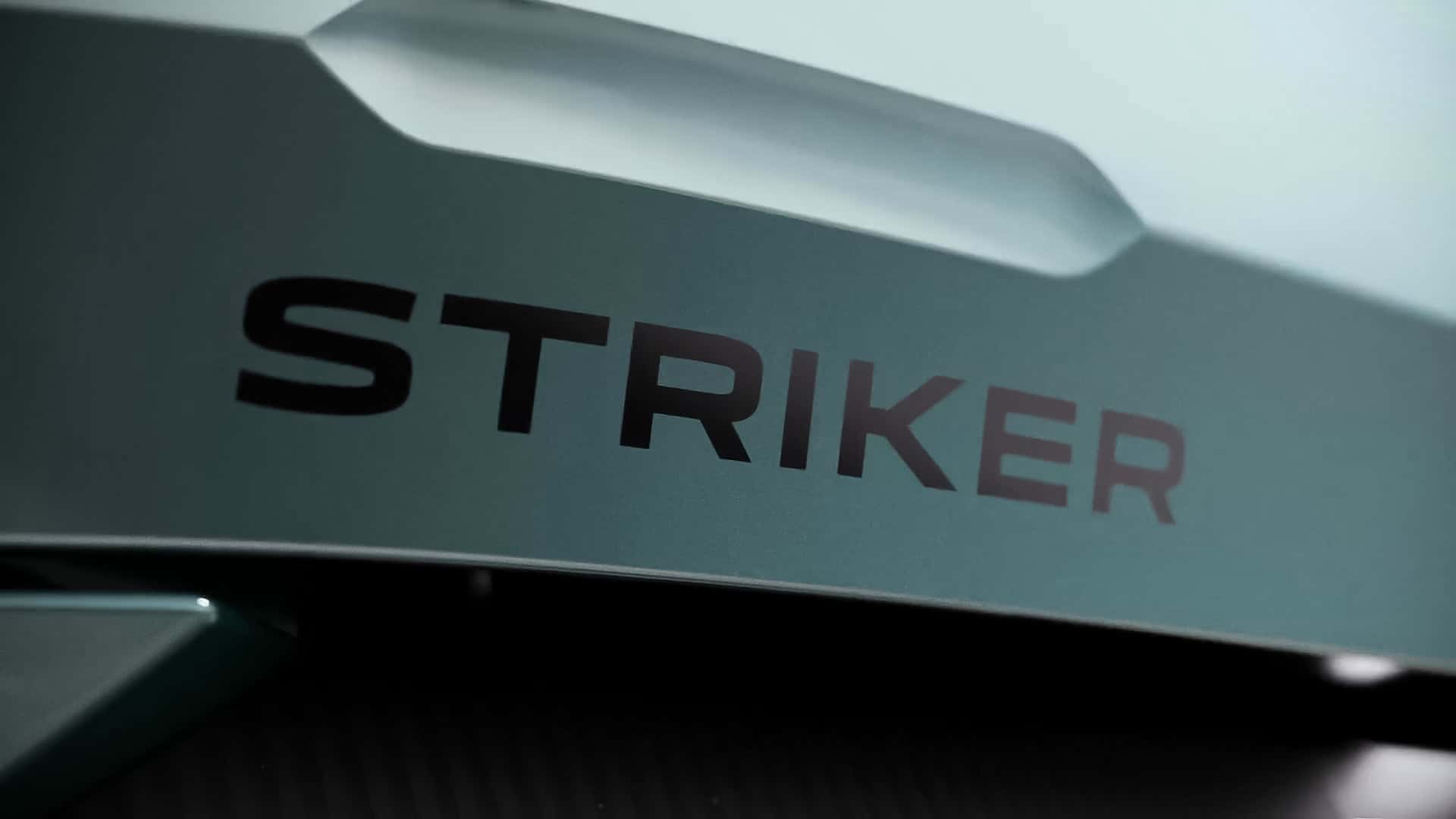
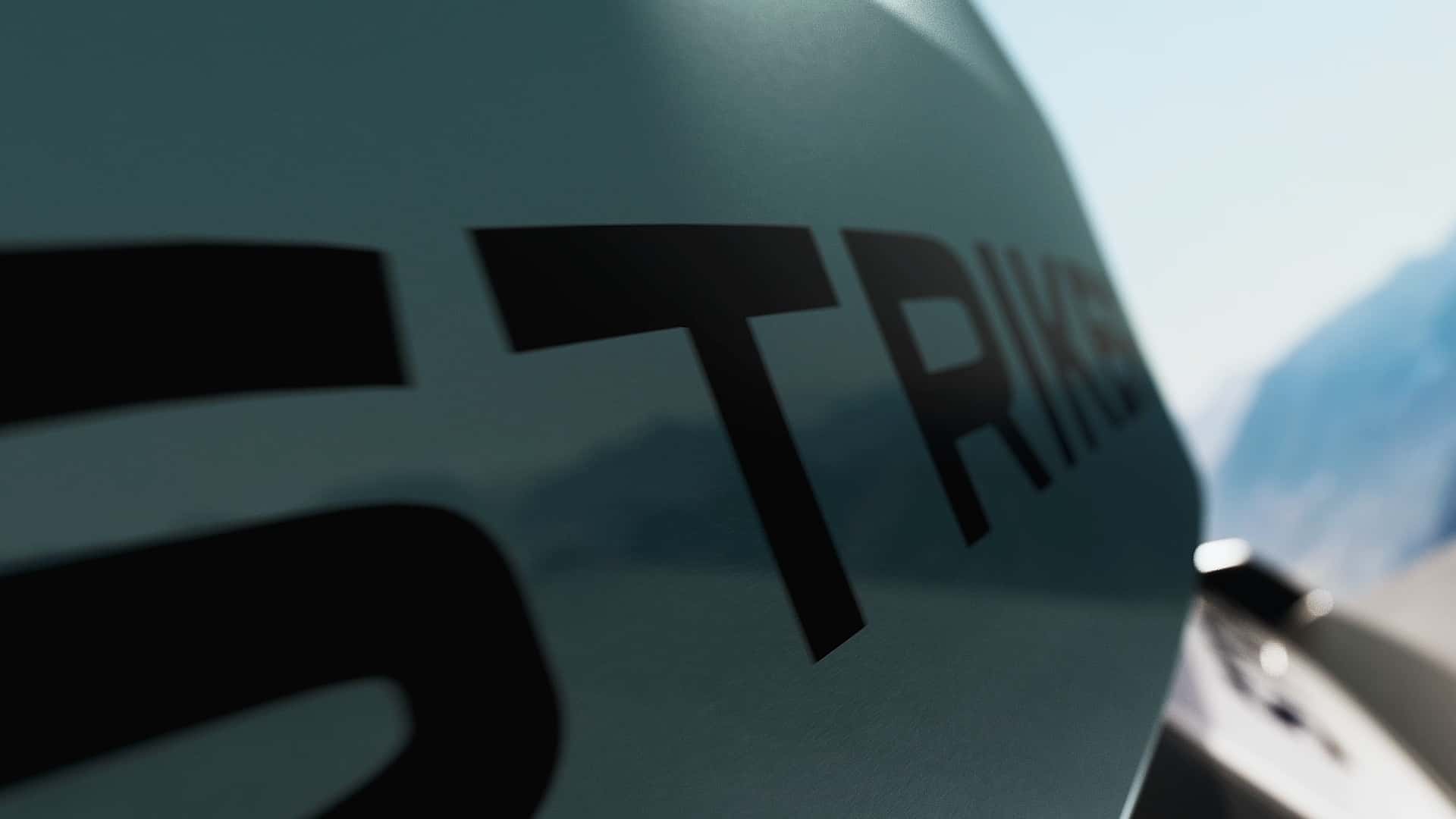
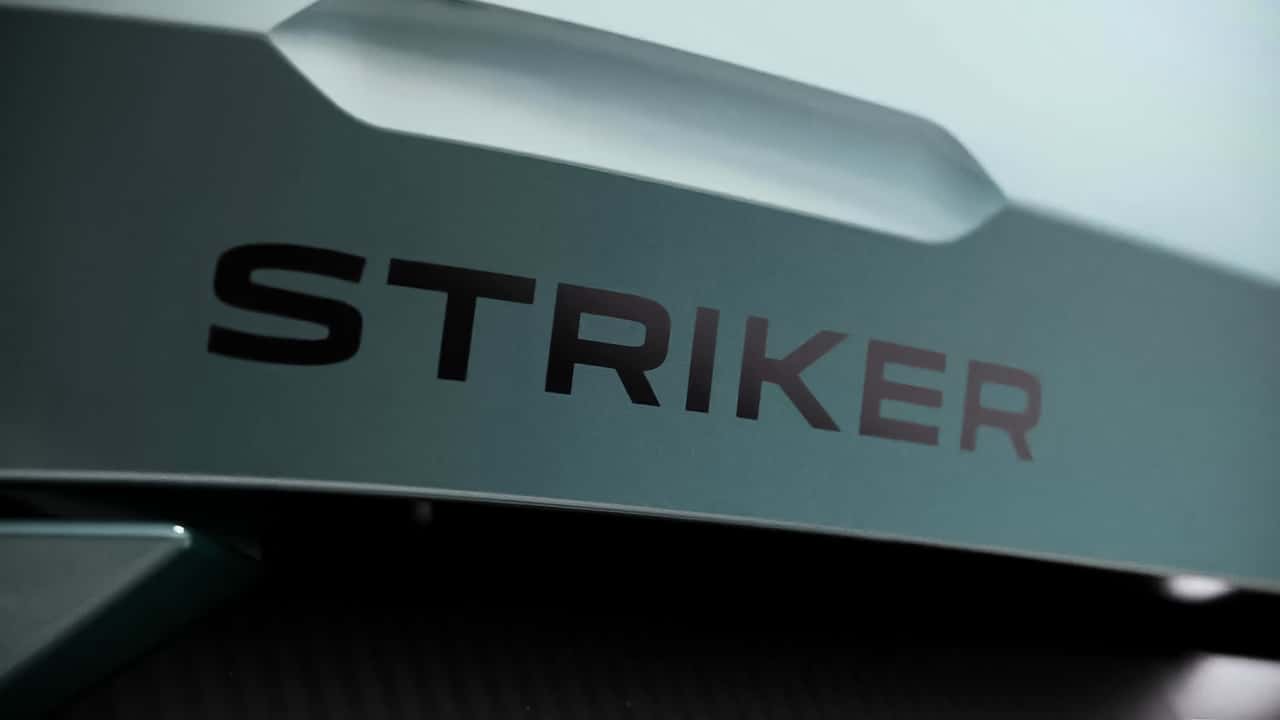
The choice of the name Striker is no accident. Like previous models such as the Duster and Jogger, this name ends with an -er, a signature that has become ingrained in the collective imagination. Here, it also evokes a sense of power and impact, akin to a strike in bowling. Dacia is clear about its ambition: to offer a model that stands out in a saturated market. This desire to disrupt norms is reflected in the elongated crossover silhouette, designed to be both family-friendly and modern.
Inspired and Bold Design
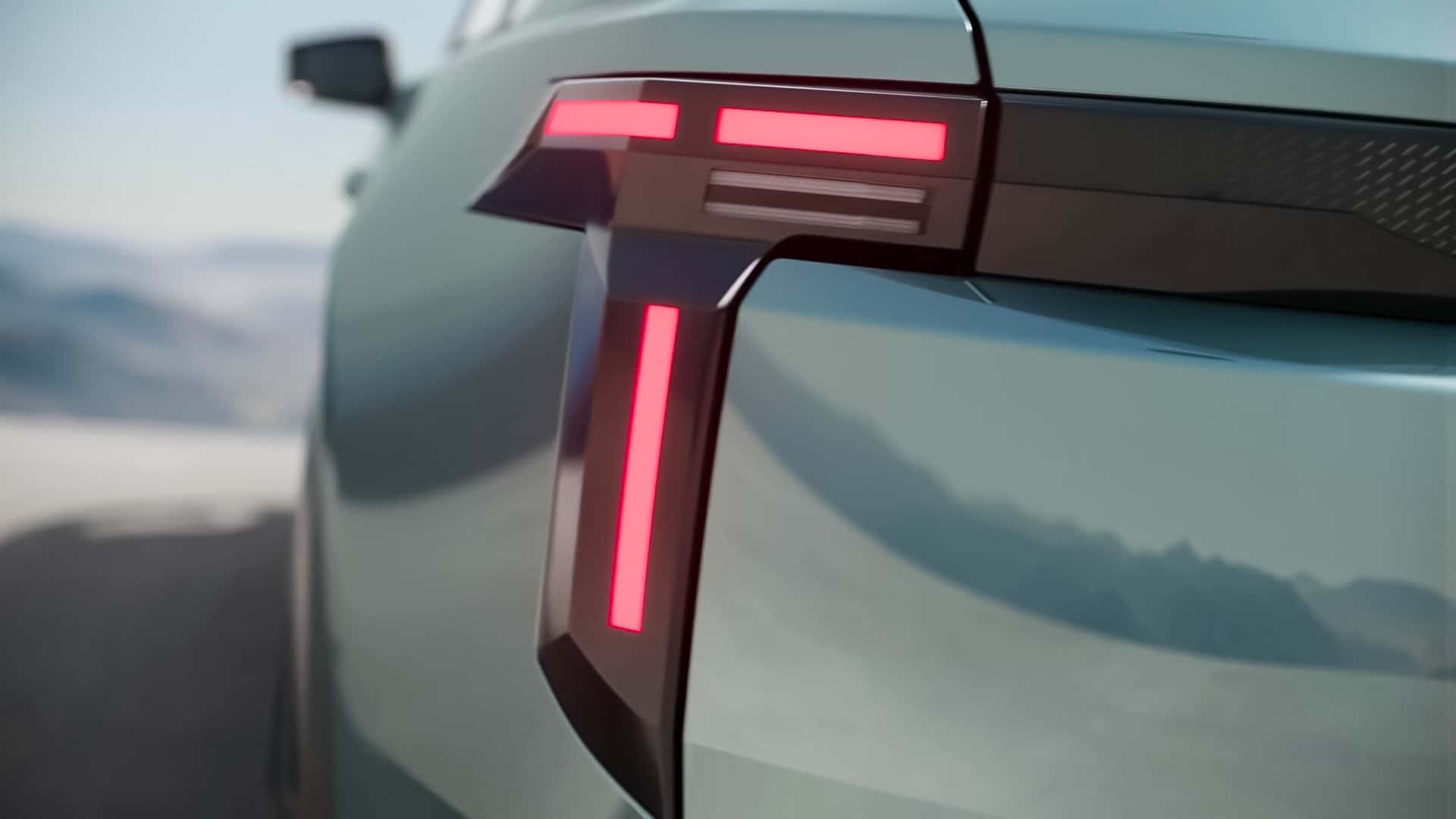
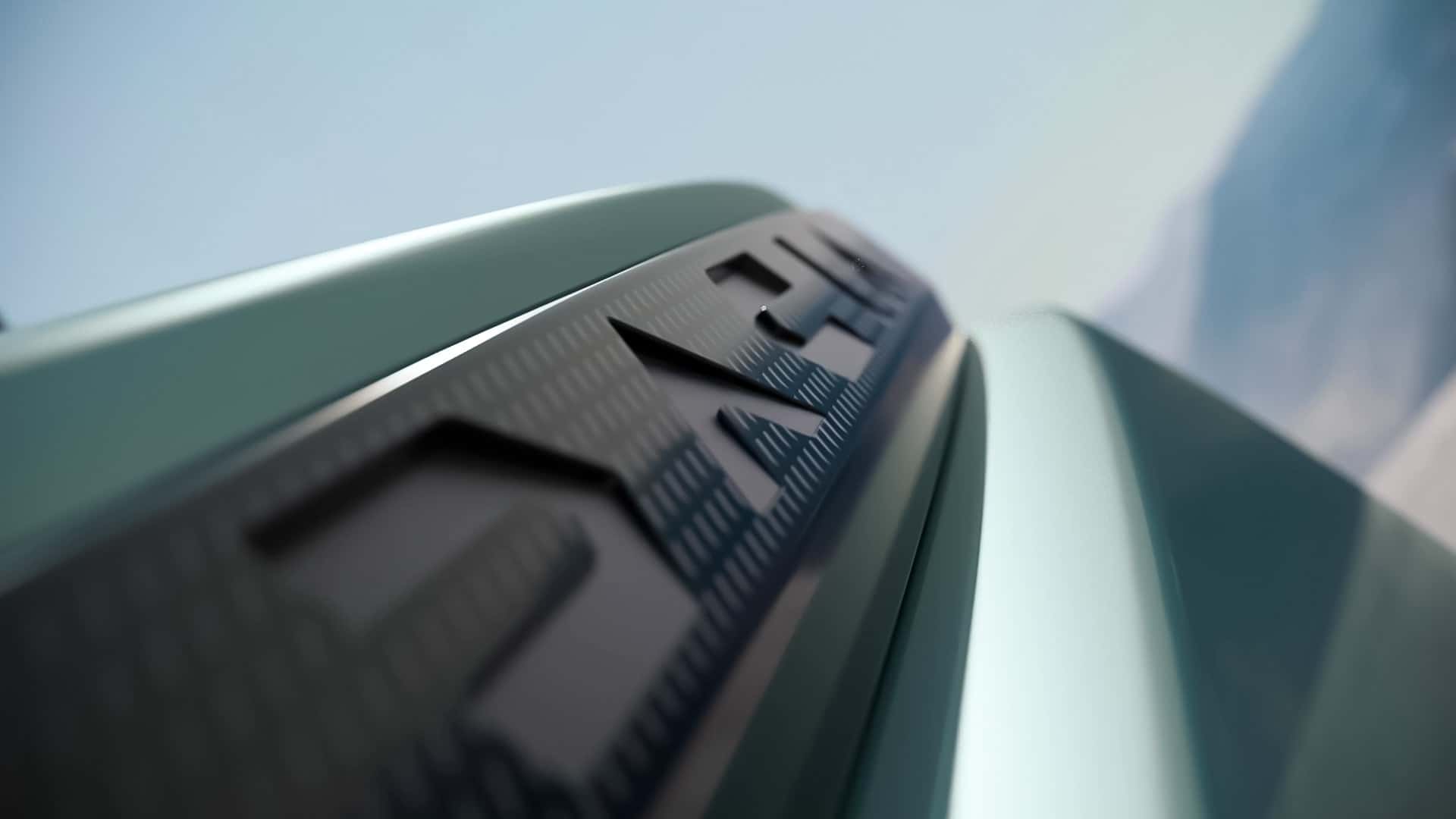
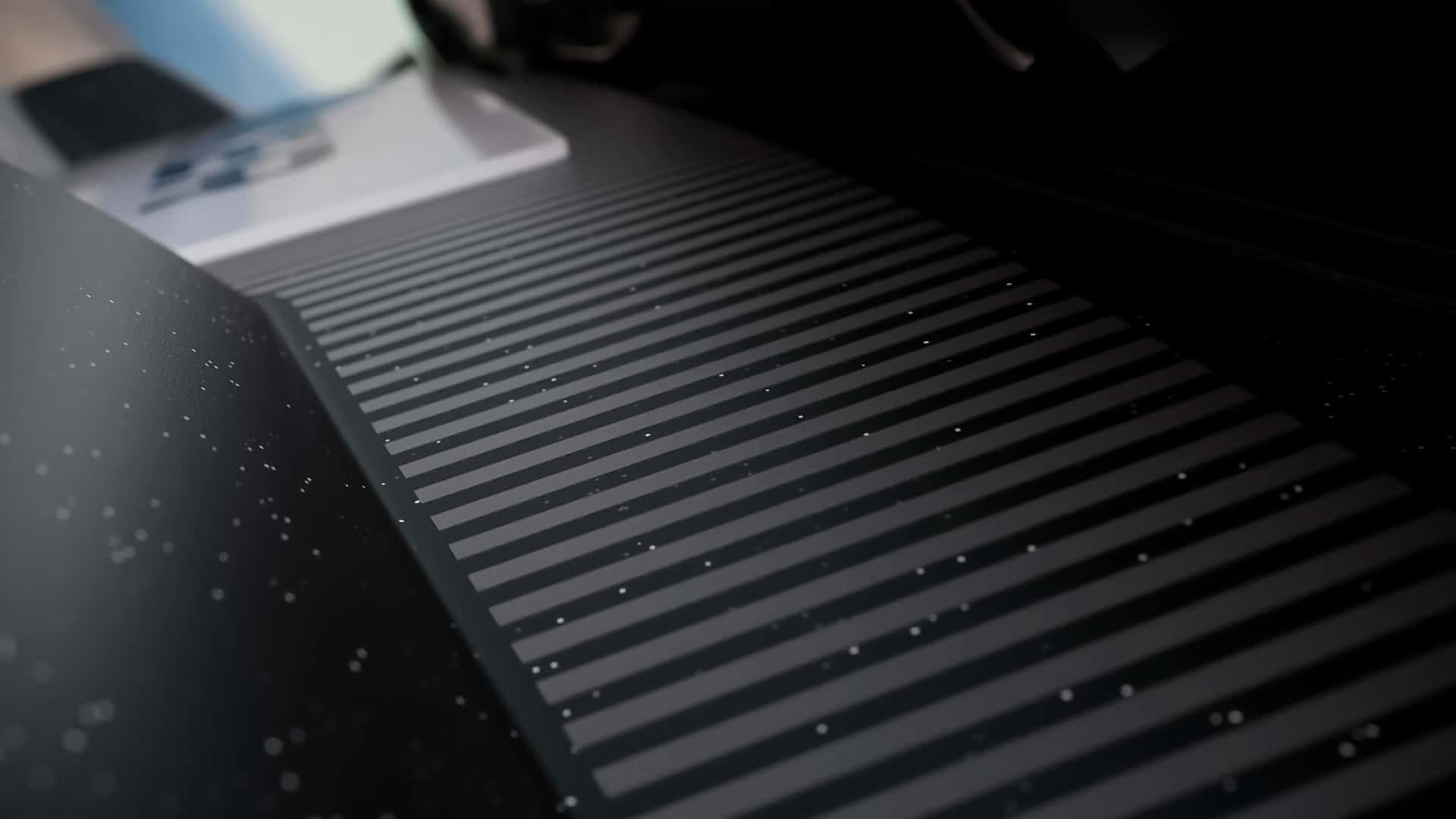
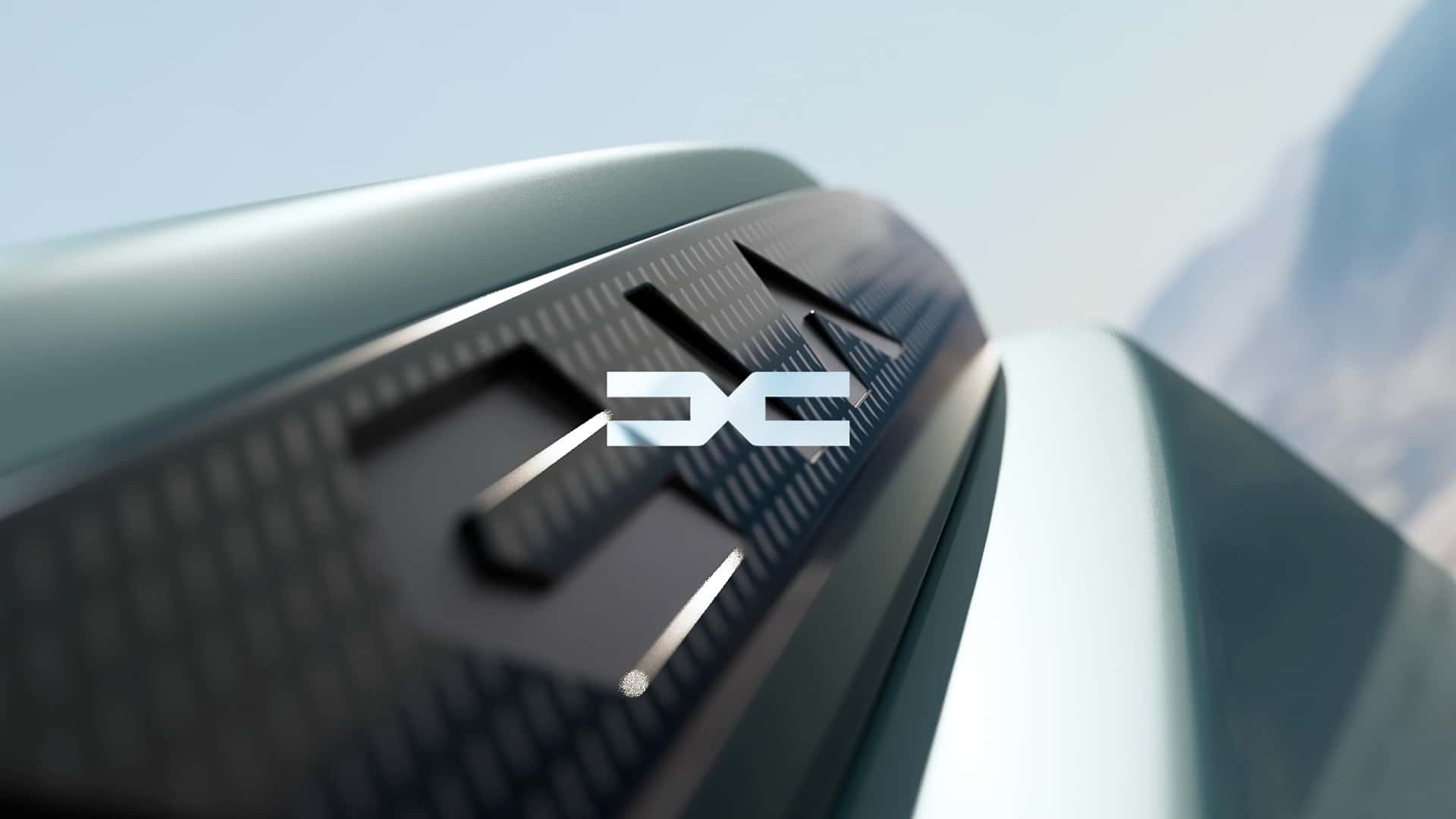
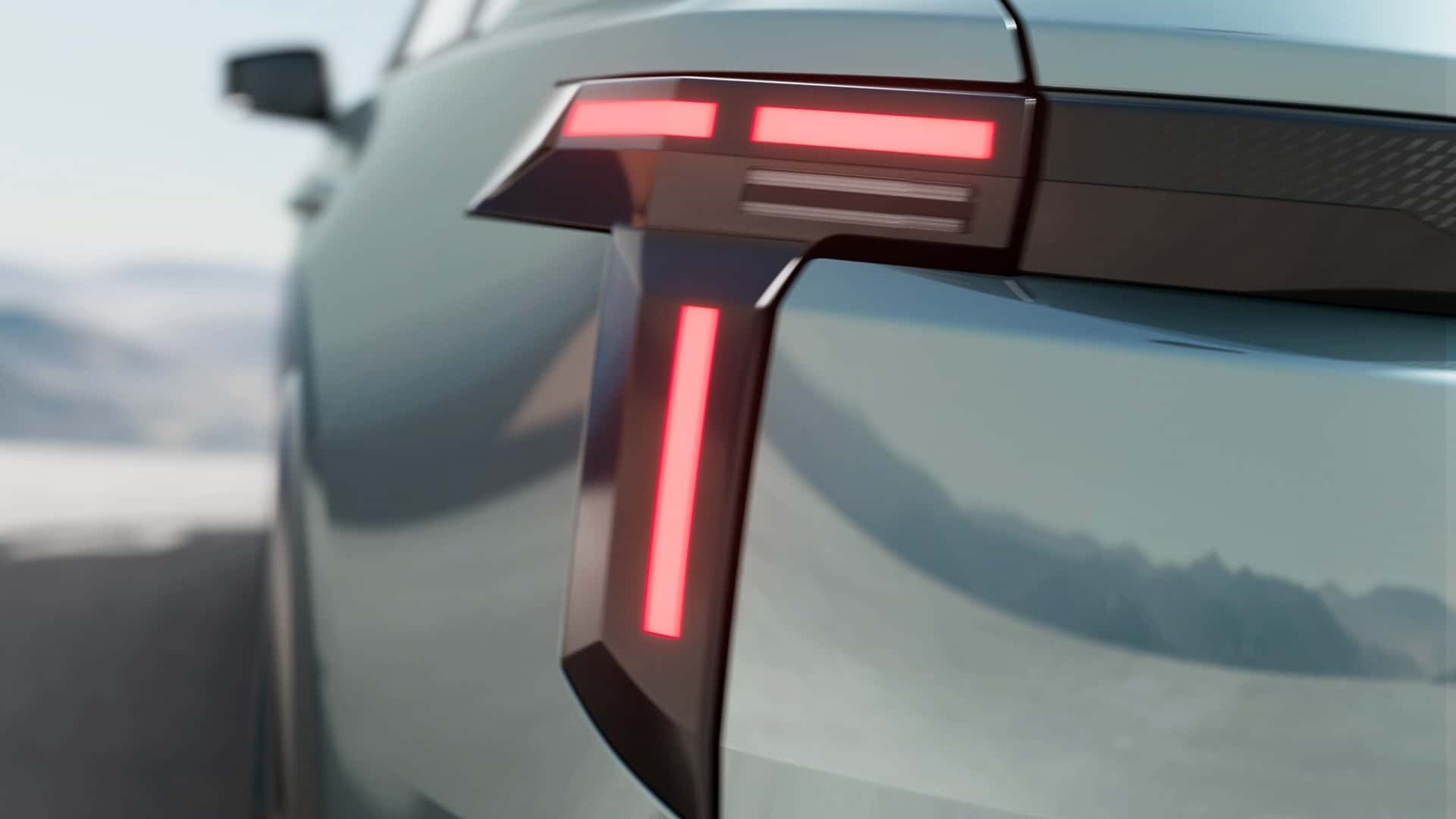
The first images released in the teaser video reveal a design influenced by the angular style of the brand’s latest SUVs. With elements like the prominently displayed “Dacia” badge at the front and rear lights shaped like a “T”, the Striker promises to catch the eye. In essence, Dacia is banking on a modern aesthetic to attract customers seeking a vehicle that is both practical and stylish. This stylistic choice could be crucial in capturing the attention of young families, who often look for a car that combines functionality with flair.
Proven Platform for a Promising Future
The Striker will be built on the CMF-B platform, already used by models like the Sandero and Duster. This technical foundation has proven itself, offering a good balance between comfort and agility. With an expected length of around 4.5 meters, it fits perfectly into the compact family category. In practical terms, this means optimized interior space, essential for daily commutes or family getaways. However, this platform must also allow Dacia to offer a variety of powertrains that meet the expectations of future buyers.
Powertrains: An Offer Yet to Be Confirmed
On the technical front, several powertrains are mentioned, ranging from a 1.0-liter turbo gasoline engine to a 1.8-liter hybrid version. This diversity is crucial in a context where consumer expectations are rapidly evolving. Customers today seek more eco-friendly options without sacrificing performance. In practice, this could translate to better energy efficiency while maintaining the necessary power for a family vehicle. However, no specific information has yet been provided regarding the actual performance of these engines, leaving uncertainty about their compliance with future environmental standards.
A Bold Positioning Against Competition
With the Striker, Dacia is entering a segment where competition is particularly fierce, especially against established players like Peugeot and Renault with their respective models. The real challenge is that Dacia must not only attract with its design and technical features but also demonstrate an aggressive pricing strategy. Indeed, Dacia’s pricing position has always been a major asset. The challenge will be to maintain this attractiveness while offering features that meet current expectations.
A Long-Term Strategy
The official reveal of the Dacia Striker, scheduled for March 10, will not just be a marketing event. It will mark a turning point in the brand’s strategy within the family crossover segment. In reality, this model could become a cornerstone of the Dacia lineup, allowing the brand to strengthen its presence in the European market amid growing demands for sustainability and technology.
In Summary
- Dacia unveils the Striker, a compact crossover expected in 2026.
- The angular design aims to attract a modern family clientele.
- Built on the CMF-B platform, it promises comfort and agility.
- A diverse range of powertrains is anticipated, but remains to be confirmed.
- Dacia targets a competitive segment with an aggressive pricing strategy.
In conclusion, the Dacia Striker could be the model that propels the Romanian brand to new heights. For families seeking a spacious and affordable vehicle, the Striker may represent a compelling alternative in a rapidly changing market. However, its reception and positioning against increasingly demanding competition will need to be closely monitored.