
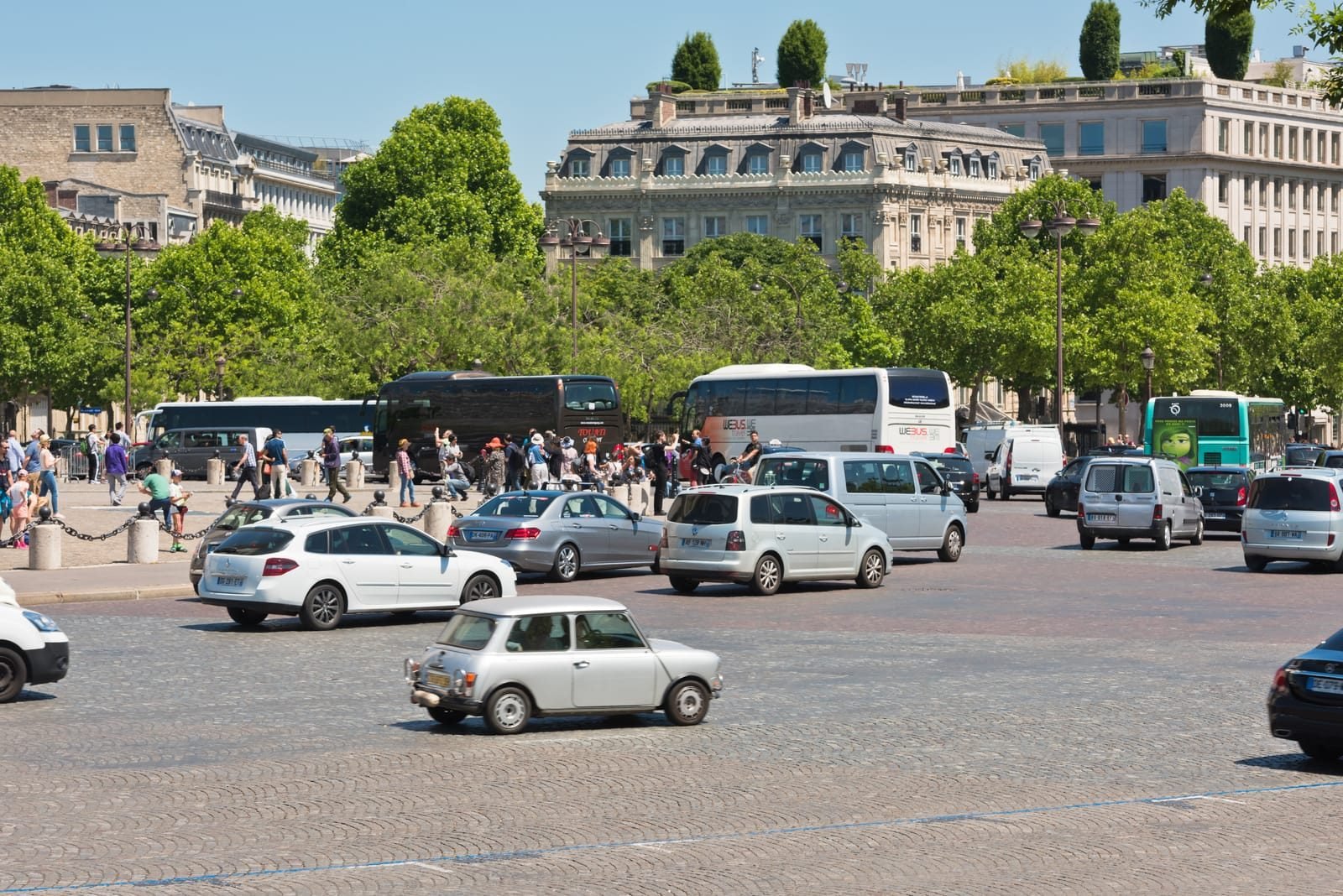
The Greater Paris Metropolis has made a decision that may raise eyebrows among budding environmentalists: in 2026, no sanctions will be applied to vehicles classified as Crit’Air 3. It is safe to say that this amnesty period, which will extend the educational phase, resembles a poisoned gift for the environment, while providing a welcome respite for drivers of older diesel and gasoline vehicles.
A Surprising Decision
The ZFE (Low Emission Zone) of Greater Paris is, de facto, neutralized for 2026. By extending the educational period by one year, without control or sanction, the Metropolis also prolongs the 24H ZFE Pass and the exemptions. This decision, which comes as the national legislative debate is still ongoing, seems to already mark a gradual abandonment of restrictions concerning Crit’Air 3 vehicles in the 77 affected municipalities.
ZFE: the Greater Paris Metropolis extends the educational period by one year © Yayimages
The ZFEs in Greater Paris Soon to be Abandoned
Indeed, the metropolis has just announced that it will maintain the current conditions for implementing the metropolitan ZFE for the upcoming year. This is done “in a logic of supporting motorists in adapting their means of mobility and supporting the renewal of the vehicle fleet.” In other words, starting January 1st, holders of a Crit’Air 3 vehicle, previously banned from circulating in the 77 Île-de-France municipalities, will be able to breathe a little easier. For reference, this concerns diesel vehicles registered before 2011 and gasoline cars from before 2006.
ZFE: New Educational Period in 2026
Under Article 119 of the Climate and Resilience Law of June 19, 2021, Patrick Ollier, the President of the Greater Paris Metropolis, has decided to extend the support measures related to the ZFE decree of December 2024 by a full year. Here’s what motorists need to remember:
- An educational period of one year (from January 1, 2026, to December 31, 2026) during which no sanctions will be applied
- The “24H ZFE Pass,” allowing motorists to drive 139 full days per year, with simple prior registration.
- 22 exemptions, from 1 to 3 years, allowing professionals and economic actors to circulate in the metropolis while continuing their activities.
ZFE: Paris Ahead of the Rest of France
Patrick Ollier does not hide his attention on the evolution of the national legislative and regulatory framework. However, this extension of “amnesty” for Crit’Air 3 vehicles suggests a sort of tacit exemption for cars considered too polluting. In short, it seems that all vehicles, even those classified among the most polluting, will be able to continue circulating within the ZFE perimeter of Greater Paris without fear of being controlled or sanctioned. A boon for a majority of French drivers who do not necessarily want to comply with new environmental standards.
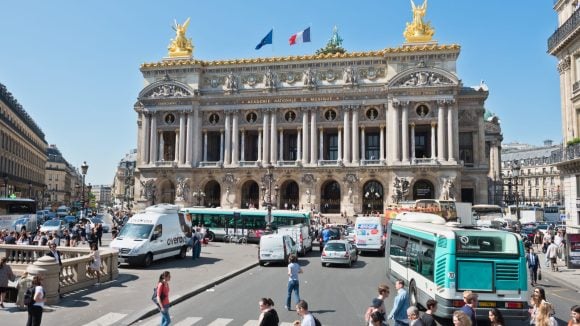
ZFE: the 77 municipalities of the MGP are affected by this extension © Yayimages
A Vague Legislative Framework
This situation raises questions about the effectiveness of the ZFEs. While France is committing to reducing greenhouse gas emissions, these decisions seem to contradict efforts for sustainable mobility. Low emission zones were supposed to encourage motorists to opt for less polluting vehicles or to use public transport. With this extension of the period without sanctions, one wonders if this strategy is really effective or if it merely postpones the deadline.
Conclusion: What Future for Mobility?
As we approach the new year 2026, the Greater Paris Metropolis must face colossal challenges in terms of sustainable mobility. The extension of this educational period could well be seen as an admission of powerlessness in the face of the economic and social realities of motorists. It remains to be seen how the legislative framework will evolve in the coming months, but for now, Crit’Air 3 vehicle drivers can drive with peace of mind. And if the initial goal was to improve air quality, one can legitimately ask: is this strategy really the right path to follow?


