
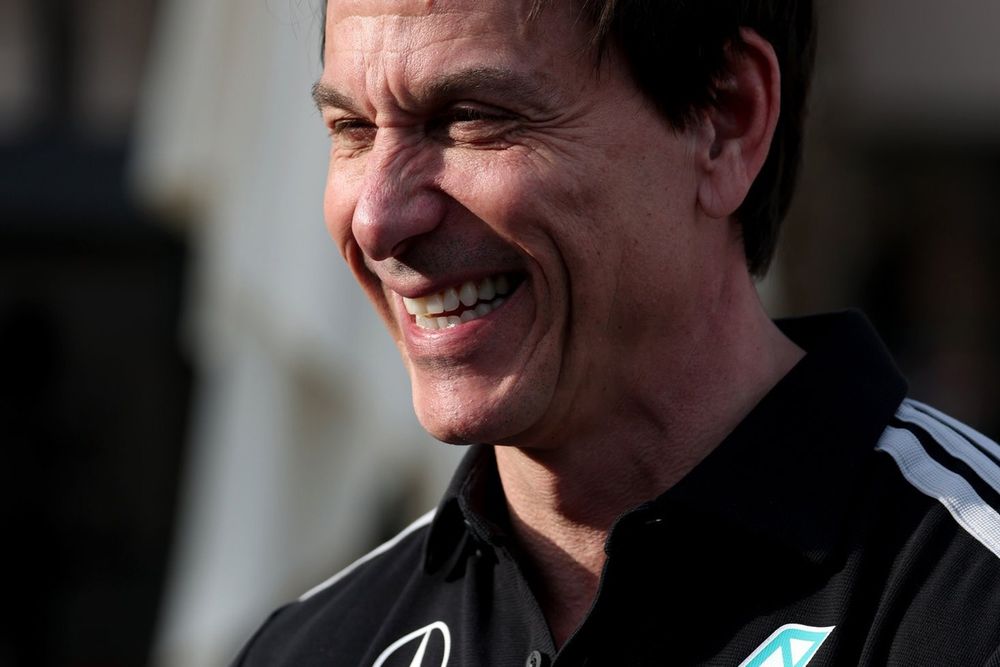
The Formula 1 paddock is buzzing with rumors of negotiations between Mercedes and Alpine F1. The Brackley team may acquire a stake in the French outfit, currently owned by Otro Capital. This move raises questions about Mercedes’ ambitions in a paddock where team valuations are skyrocketing.
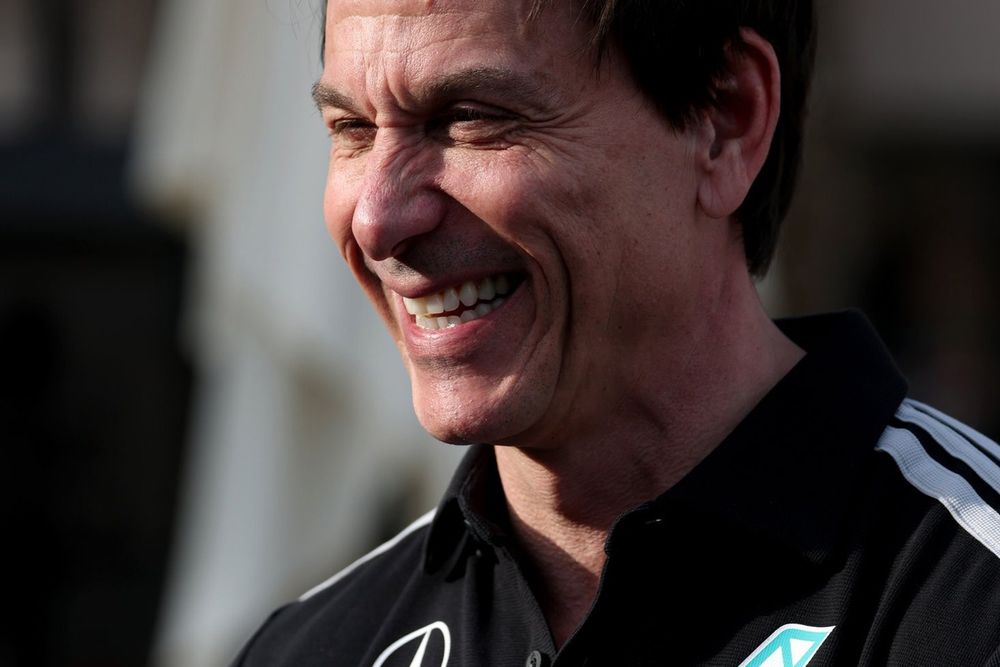
Financial Interest in Alpine’s Shares Grows
The value of Formula 1 teams is on the rise, and Alpine is no exception. The 24% stake held by Otro Capital could soon change hands, with Mercedes positioning itself as a potential buyer. Speculation about a personal takeover by Toto Wolff is giving way to a more organized maneuver: the Mercedes team, led by influential figures like Jim Ratcliffe and George Kurtz.
This strategic shift highlights how F1 teams are increasingly viewed as financial assets rather than just championship participants. Alpine’s valuation, estimated at around €3 billion, reflects this trend. In fact, acquiring a minority stake could allow Mercedes to benefit from the rising value of teams.
Strategic Move or Just a Financial Play?
The real question concerns the motivations behind this initiative. If the operation is purely financial, it may be seen as cautious. Experts believe team valuations will continue to rise, making this investment attractive in the long run. However, it’s also possible that Mercedes aims to establish a presence in a team whose future remains uncertain.
Currently, Alpine is already benefiting from its collaboration with Mercedes, particularly in terms of power unit and gearbox supply. Yet, in the context of limited budgets, these synergies may not yield the expected results. It’s worth considering whether this purchase is driven solely by financial motives or signals a desire to strengthen ties between the two teams.
Positioning Amid Uncertain Leadership
Under the leadership of François Provost, the new CEO of the Renault group who took office in late July 2025, rumors of a potential exit from Alpine are not unfounded. Provost is not particularly known for his passion for motorsports, and an attractive offer could prompt him to sell the team without much resistance. If this happens, Mercedes could not only secure a strategic position in the paddock but also influence Alpine’s future.
However, if a takeover occurs, it could also lead to tensions in the paddock, especially with rival teams that view the expansion of giants like Mercedes unfavorably. Such a maneuver could be interpreted as an offensive against historical rivals, intensifying competition in an already emotionally charged sport.
A Significant Shift in the F1 Landscape
This move by Mercedes could also reshape the Formula 1 landscape in the coming years. Acquiring Alpine would not just be about shares; it could also influence the technical and sporting strategies of both teams. Such synergy could provide Mercedes with privileged access to innovations developed by Alpine, further strengthening their dominant position on the track.
On the other hand, if this acquisition does not materialize, it may indicate that Mercedes prefers a more conservative approach, seeking to avoid risky commitments in an uncertain economic environment. In any case, the direction Mercedes takes regarding this potential investment will reveal its long-term ambitions.
Summary
- Mercedes is considering acquiring a stake in Alpine, currently owned by Otro Capital.
- The valuation of F1 teams continues to rise, making this operation financially attractive.
- Synergies already exist between Mercedes and Alpine, but their impact remains limited within budget constraints.
- The new CEO of Alpine may be open to a sale, adding uncertainty to the team’s future.
- This maneuver could redefine alliances and rivalries in the paddock, impacting the balance of power in F1.
Practical Takeaway: If this acquisition goes through, it could strengthen Mercedes’ position in the paddock while providing Alpine with crucial strategic support. For fans and stakeholders in the sport, this is a potential turning point in team dynamics. In the medium term, it will be interesting to see how this evolution impacts on-track performance and relationships between teams.


