
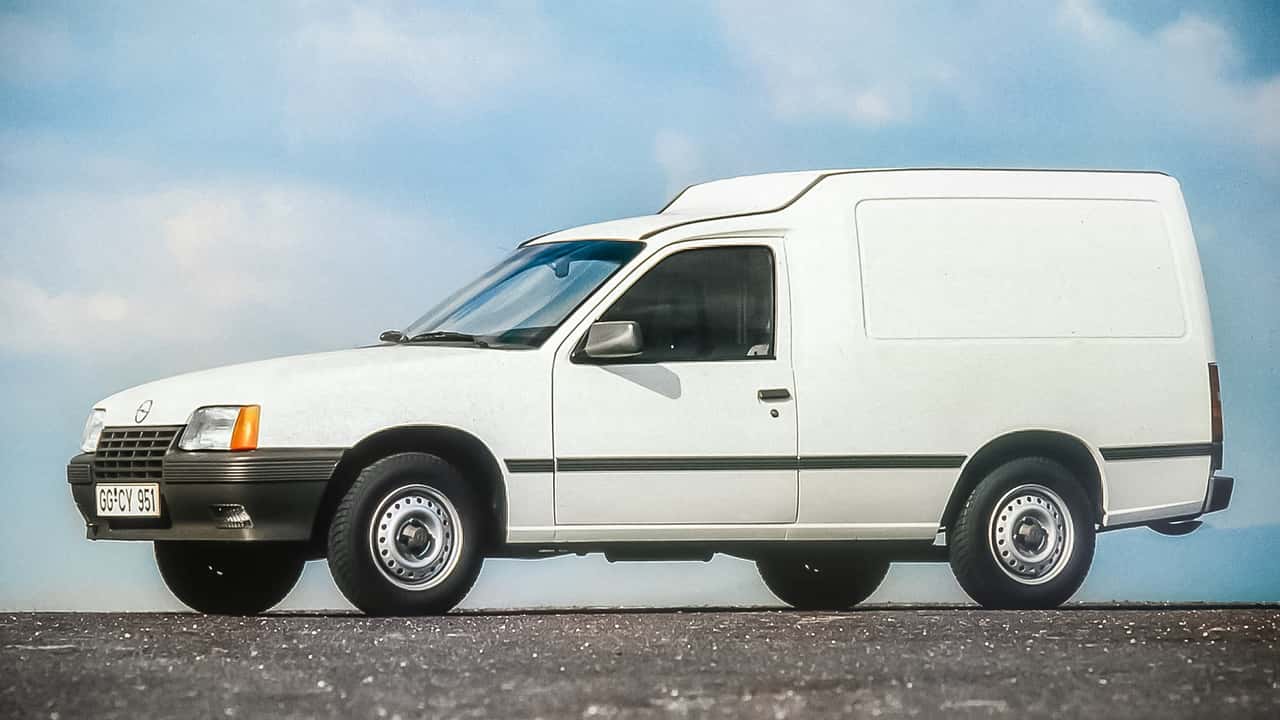
Forty years after its launch, the Opel Combo has managed to reinvent itself while keeping its roots. From the sedan derived from the Kadett to a modern utility vehicle, it has traversed decades with impressive adaptability. Let’s embark on a journey through time!
The beginnings: Kadett Combo, an innovative utility
The first Kadett Combo made its debut at the IAA show in 1985. At that time, the Opel Combo was just a simple variant of the popular Kadett, but it marked the beginning of a great adventure. Remember, it was a time when utility vehicles did not yet have the personality we know today. This model, also known as the Vauxhall Astramax in the British market, is classified as Combo A to distinguish it from subsequent generations.

Opel Combo 40 years
Produced from January 1986 to August 1993, this first Combo outlived its platform, the Kadett E. Rather than opting for the trailing arm axle of the Kadett, Opel chose a rigid axle with leaf springs at the rear, thus offering a higher payload. A clever choice that would prove beneficial for professionals.
The shift to modernity: Combo B and Combo C
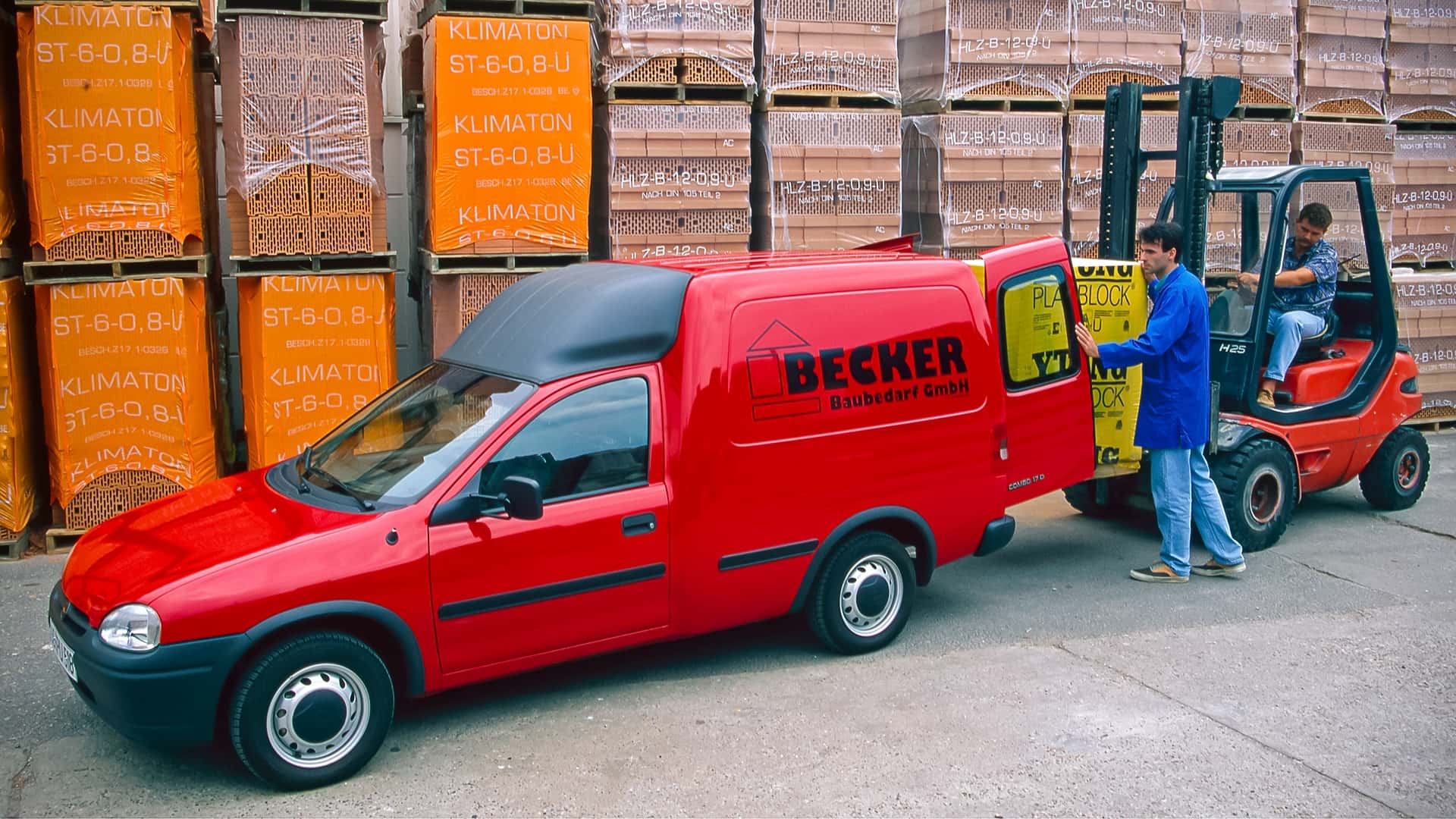
Eight years later, at the IAA 1993, the second generation, the Opel Combo B, arrives. Based on the platform of the Opel Corsa B, this model marks a significant turning point. Forget the derived station wagon; here, we have a true small light utility vehicle. This Combo B is closer to an independent van, a transformation that gives it a new identity.
The Combo Tour version, launched in the summer of 1995, introduces additional rear seats and windows in the back, transforming the vehicle into a family solution for small tribes.
In 2001, the Combo C made its appearance at the IAA, based on the Corsa C. It fits into a rapidly expanding segment of small utility vehicles and five-seater ludospaces. The engine range now includes petrol, diesel, and even natural gas versions. Depending on the versions, the Combo offers either a split rear door or a large tailgate, thus providing flexibility and functionality.
Opel Combo 40 years
From solid roots to spread wings: Combo D and Combo E
Ten years later, the Opel Combo D returns to the Frankfurt Motor Show. This series is technically very close to the second generation of the Fiat Doblò, adopting its platform and engine range. With a significantly larger structure, the Combo D stands out with generous space for cargo or passengers.
The revolution continues with the Opel Combo E, presented at the Hanover show in 2018. Built on the platform of the Citroën Berlingo and Peugeot Rifter, it offers two different wheelbases and brings Opel into the electric era with a fully electric version. The Combo E Cargo quickly won the title of “International Van of the Year 2019.”
This success is based on its driving comfort, modern assistance systems, and low operating costs. Among the notable innovations: a load indicator and a Flank Guard side protection system that reduces blind spots. Proof that even a utility vehicle can rhyme with technology.
A design inspired by nature
The design of the Combo E is not only functional; it is also elegant. Thomas Welsch, marketing manager at the time, described the style as being inspired by the “head of a dolphin.” A metaphor that might bring a smile but highlights Opel’s efforts to combine aesthetics and aerodynamics. The sloping and descending windshield creates a harmonious transition to the convex roof, a visually appealing ensemble that unifies the passenger space and the cargo compartment.
The Combo has evolved over the years to meet the changing demands of the market while remaining true to its origins. With each generation, Opel has not only broadened its target audience but has also redefined what a small utility vehicle can be.
A promising future for the Combo
As we head into 2024, rumors are circulating about a major facelift for the Combo E. Expectations are high regarding the integration of new technologies and continuous performance improvements. In a rapidly changing automotive world, where expectations for ecology and ergonomics take precedence over pure design, the Combo will need to continue innovating to remain relevant.
Forty years after its birth, the Opel Combo has become much more than just a utility vehicle: it is a symbol of automotive ingenuity. Users can still expect many surprises from this iconic model that continues to write its story at the heart of the automotive industry.


