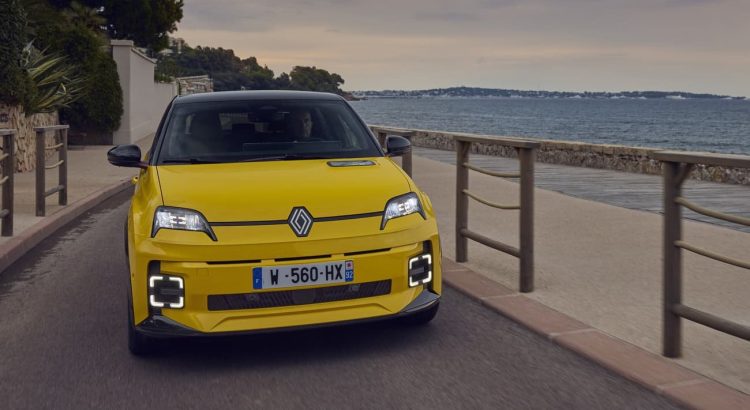
As of March 3, 2026, Renault is ramping up its electric vehicle strategy with enhanced incentives for several models, including the highly anticipated Renault 5. This strategic move could redefine its market positioning in the EV sector and respond to the increasingly fierce competition.
A Welcome Bonus for the Renault 5
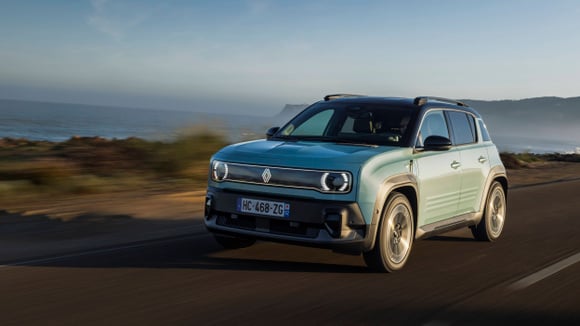
The Renault 5, the manufacturer’s iconic model, is now eligible for an increased incentive, albeit under certain conditions. Initially excluded from the “Super Bonus” for electric vehicles, it has finally made the list of eligible models. This shift comes at a critical time as Renault aims to strengthen its presence in the EV market, particularly against competitors like Tesla and Volkswagen, who are not resting on their laurels.
Currently, only the higher-end versions of the R5, equipped with a 52 kWh battery, can benefit from this support. The base models with a 40 kWh battery remain excluded. This raises a crucial question: Why has Renault chosen this differentiation strategy? It likely aims to maximize margins on the pricier models and ensure potential customers have an incentive to opt for these versions.
Expanded Offerings, but Limited Choices
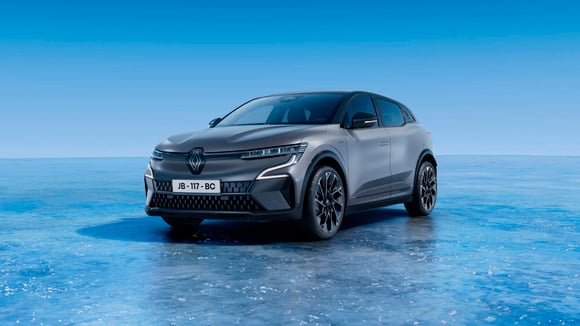
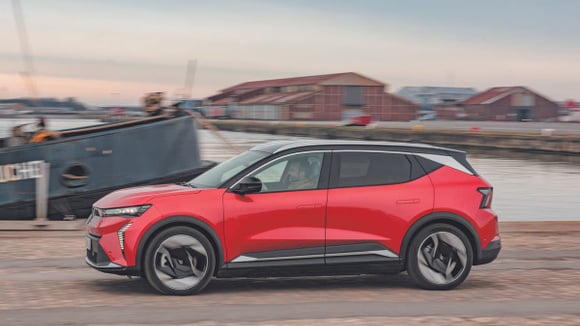
This new bonus also affects the Scénic and Mégane E-Tech, two other flagship models from Renault. However, the list of eligible versions varies here as well. All configurations of the Scénic can benefit from the bonus, which is good news for businesses and individuals. The Mégane, on the other hand, is only available in the 60 kWh version. This decision from Renault appears to be a defensive measure: by expanding the eligible models while maintaining certain restrictions, the manufacturer is trying to navigate a changing market.
This approach could also be seen as an admission of failure. The initial exclusion of the R5 from the first list of eligible models may have suggested that Renault was not ready to meet market demands. By integrating its flagship models into this incentive program, Renault is now trying to turn the tide and catch up with its rivals.
Incentives That Make a Difference
The amount of this bonus can reach up to €7,650 for low-income households, a sum that could significantly influence the choice of an electric vehicle. For a Renault 5 with the 52 kWh battery, the starting price drops to around €24,340, a competitive price in the electric city car segment. In short, this bonus could attract a broader and more diverse customer base, which is crucial for Renault in a context where electric vehicles are becoming essential.
This enhancement of incentives is part of a larger framework of the energy transition in France and Europe. Manufacturers must adapt to increasingly stringent CO2 emissions standards. By offering bonuses for its electric vehicles, Renault demonstrates that it takes its environmental commitments seriously while also trying to attract potential buyers.
The Renault 4: An Uncertain Future
While the Renault 5 triumphantly enters the list of eligible vehicles, the situation for the Renault 4 remains unclear. Produced in Maubeuge, it does not yet benefit from the Super Bonus. However, the brand has hinted that this dynamic could change soon. Interestingly, this uncertainty could also benefit the R5, which may draw potential customers’ attention while the 4 awaits its turn.
This raises questions about production and delivery times for batteries. The situation at the Envision factory, which produces the batteries for the R5, seems to have initially been a limiting factor. This issue highlights the challenges all manufacturers face amid the rise of electric mobility. Delivery delays can quickly tarnish a brand’s image, especially when consumer expectations are high.
Heading Toward an Uncertain but Promising Electric Future
Renault is clearly redefining its electric strategy, but this comes with risks. The revision of incentives could be a stroke of industrial genius or a desperate measure to avoid losing market share. In a market where electric vehicles are rapidly coming to the forefront, every decision counts.
In the medium term, expect intensified competition between established brands and new players in the electric vehicle market. Renault must not only prove that its models are competitive in terms of performance and price but also that they can be produced efficiently and quickly to meet growing demand.
Summary
- Renault expands eligibility for the Super Bonus to several electric vehicle models.
- The Renault 5 is now included, but only in its higher-end versions.
- The bonuses can reach up to €7,650, making electric mobility more accessible.
- The uncertain situation of the Renault 4 raises questions about battery supply.
- Renault faces growing competition in the electric vehicle market.