

With a €205 million investment, Škoda is transforming its Mladá Boleslav plant into a key player in electric vehicle battery production. This strategic move aims to strengthen its position within the Volkswagen Group and address the growing electrification demands of the automotive market.
The recent inauguration of the dedicated traction battery facility in Mladá Boleslav marks a turning point for Škoda. By becoming the largest producer of battery systems for the Volkswagen Group, the Czech brand is ramping up its presence in the electric vehicle (EV) segment. With a production capacity exceeding 1,100 units per day, or 335,000 pieces annually, Škoda is positioning itself as a leader in a field that has become crucial for the future of the automotive industry.
A Bold Strategy Against Competition
The decision to invest heavily in battery production comes at a time when major automotive players are vying for a share of the electric vehicle market. By positioning itself as the primary battery supplier for the Volkswagen Group, Škoda is not just following trends; it is anticipating future consumer needs. The real issue is that the brand seeks to outpace rivals like Renault and Peugeot, who are also investing in their own production infrastructures.
Technological Innovation: The Cell-to-Pack System
The true technological leap lies in the adoption of the “cell-to-pack” system, which simplifies production by eliminating intermediate modules. This innovation not only reduces costs by 30% compared to previous batteries used on the MEB platform but also accelerates the production cycle to just 60 seconds per battery. In practical terms, this means Škoda can respond more swiftly to the growing market demands while maintaining competitive pricing. This new generation of batteries will be essential for future models based on the MEB+ platform, including the Škoda Epiq and other vehicles expected by 2026.
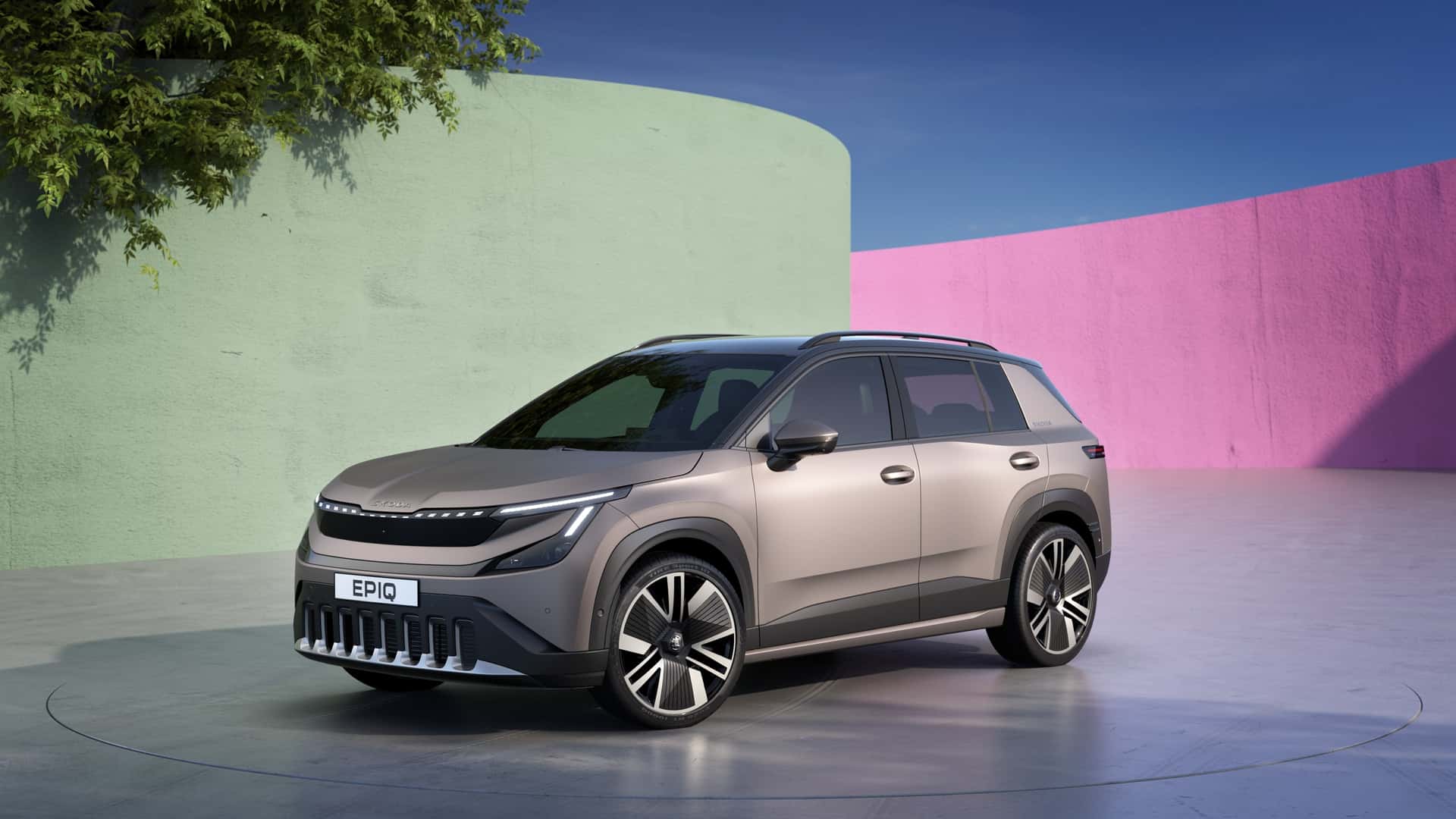
Concept Škoda Epiq
A Strong Commitment to Sustainability
Beyond industrial performance, Škoda is also committed to sustainability. The transformation of its former coal-fired power plant to a biomass solution aims to reduce emissions by 274,000 tons of CO2 by 2027. This strategic choice illustrates Škoda’s desire to integrate responsible practices into its business model. However, this transition to more sustainable practices will need to yield concrete effects on brand image and consumer perception regarding environmental issues.
A Response to Market Expectations
As electric vehicles gain traction, consumer expectations are evolving. Buyers are now looking for not only high-performance cars but also eco-friendly solutions. By investing in battery production, Škoda is meeting this growing demand while enhancing its image among an increasingly environmentally conscious audience. The brand, traditionally seen as a pragmatic and accessible option, is now positioning itself as a serious player in electrification, capable of competing with more established brands in the sector.
Toward Vertical Integration
By taking control of its battery production, Škoda is making a strategic shift that could have long-term implications for the entire supply chain. Vertical integration not only reduces costs but also improves responsiveness to market fluctuations. This model could inspire other industry players, pushing towards a general trend of self-sufficiency in manufacturing key components of electric vehicles.
In Summary
- Škoda invests €205 million to become a leader in battery production.
- The “cell-to-pack” system optimizes production and reduces costs.
- Commitment to sustainability enhances brand image.
- The strategy aims to outpace competition in the EV market.
- Vertical integration could transform the automotive supply chain.
Who is this evolution relevant for? Future electric vehicle buyers should find increasing interest in Škoda models that combine performance, cost, and ecological commitment. Meanwhile, other brands will need to adjust their strategies in response to this offensive. In a rapidly changing market, this initiative could redefine the contours of competition in the coming years.


