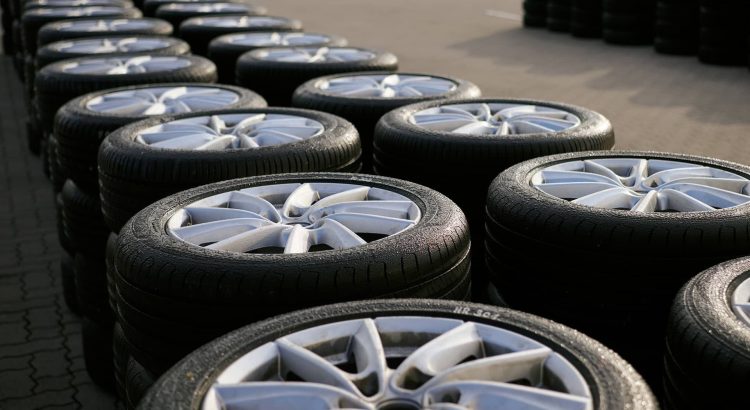
The latest tire comparison conducted by Swiss automotive clubs TCS and German ADAC reveals a troubling reality for these well-established brands. While no model received a “not recommended” rating, only three tires managed to achieve the coveted “highly recommended” status. In other words, competition is intensifying, and giants like Michelin and Bridgestone appear to be faltering.

A Rigorous Yet Revealing Test
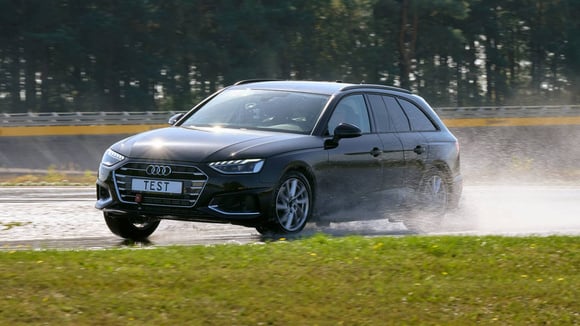
For this comparison, TCS and ADAC subjected sixteen summer tire models to a battery of tests on an Audi A4 Avant. The criteria were numerous: safety on dry and wet roads, longevity, energy efficiency, and even environmental impact. At the end of this evaluation, only three models received the highly sought-after “highly recommended” rating: the Continental PremiumContact 7, the Pirelli Cinturato, and the Goodyear Efficient Grip Performance 2. These results raise a crucial question: what is happening with the historical references in the industry?
Michelin and Bridgestone: A Troubled Legacy
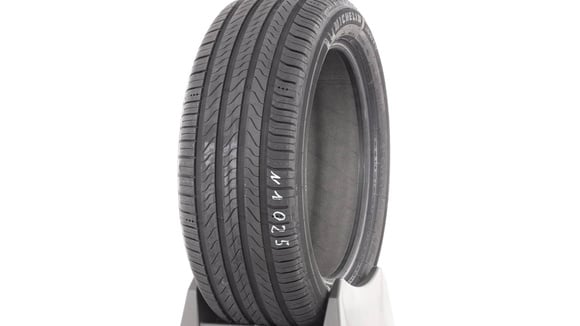
The Michelin Primacy 5, usually praised for its performance, received a mixed review here. While it was commended for its environmental impact, it disappointed on dry pavement, a fundamental criterion for many drivers. The same goes for the Bridgestone Turanza 6, which struggles to impress despite its reputation. The question arises: have these two industry giants lost their edge against more agile competitors?
Alternatives Disrupting the Market
The models that stand out in this comparison are not necessarily the ones expected. Tires from lesser-known brands, such as Falken and Firestone, show interesting performance, while premium brands like BFGoodrich, a Michelin subsidiary, struggle to make their mark. The Hankook Ventus Prime4 and the Vredestein Ultrac+ also show signs of weakness in crucial areas. This challenges the strategy of these once-dominant brands, which now face a rise in power from newer, more innovative competitors.

A Market in Transformation
The rise of all-season tires has also changed the game. While they still cannot compete with summer tires in terms of pure performance, their versatility is increasingly appealing to drivers. Traditional brands must not only defend their territory but also adapt to this new demand. Consumers are now more discerning and seek the best quality-to-price ratio, complicating matters for premium products that no longer always justify their price.
Low-Cost Tires: An Underestimated Threat
Low-cost tires continue to make headlines, although their performance often falls short of expectations. The Linglong Sport Master, for example, performed well in wet conditions but finished last overall. This shows that it is possible to shine in one area while failing in others. Consumers drawn to these budget options may be disappointed by longevity and safety, but the temptation is strong in a market where budget is often the primary concern.
Implications for the Future of the Industry
The current situation presents significant challenges for tire manufacturers. With increasingly strict environmental standards and heightened competition, brands must innovate quickly. Today’s consumers are more aware of ecological issues and seek products that combine performance with environmental respect. Big names like Michelin and Bridgestone will need to double down on their efforts to remain relevant in a constantly evolving market.
In Summary
- Only three models rated “highly recommended” out of sixteen tested.
- Michelin and Bridgestone see their position weakened against emerging competitors.
- Low-cost tires continue to attract budget-conscious customers.
- The tire market is evolving towards increased demand for versatility and durability.
- Industry giants must innovate to avoid being left behind.
Conclusion: The results of this comparison are not just a reflection of tire performance; they represent a strategic turning point for brands like Michelin and Bridgestone. As competition strengthens, the market demands increasingly high-performing and environmentally friendly products. In the medium term, it will be crucial for these giants to rethink their strategies to maintain their position against innovative rivals and the changing needs of consumers.