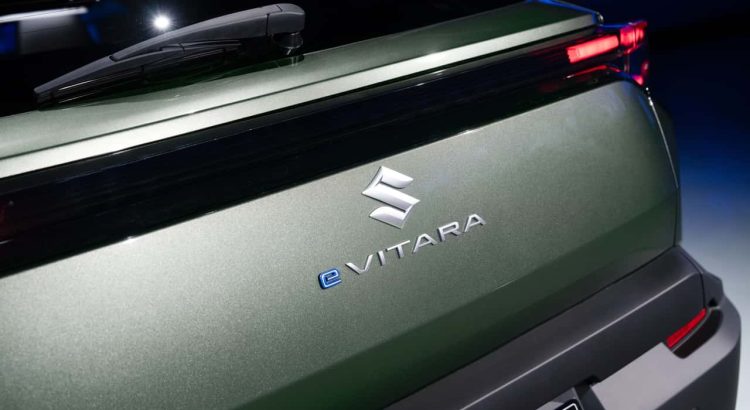
As the energy transition accelerates, Suzuki makes a strategic pivot by acquiring Kanadevia, a specialist in solid-state batteries. This move aims to bolster its competitiveness against giants like Toyota and Nissan, while also addressing rising consumer demands for higher-performing electric vehicles.
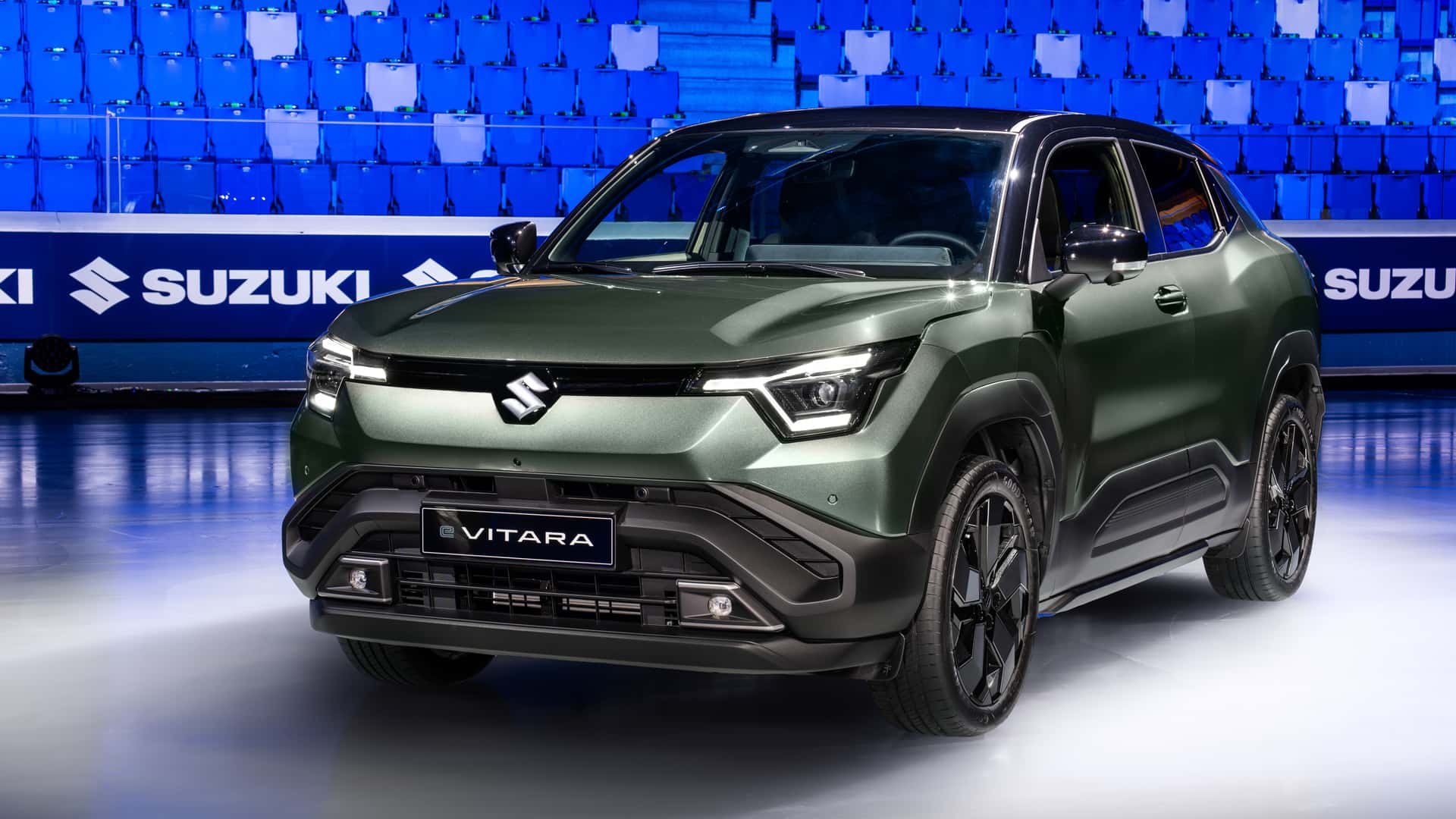
After launching its first fully electric model, the eVitara, Suzuki is not settling for a mere entry into the electric vehicle market. The Japanese automaker is doubling down by integrating Kanadevia into its operations. This company, which has proven itself in energy storage since 2006, represents a significant asset for Suzuki in its quest for zero emissions.
A Masterstroke in a Rapidly Evolving Sector
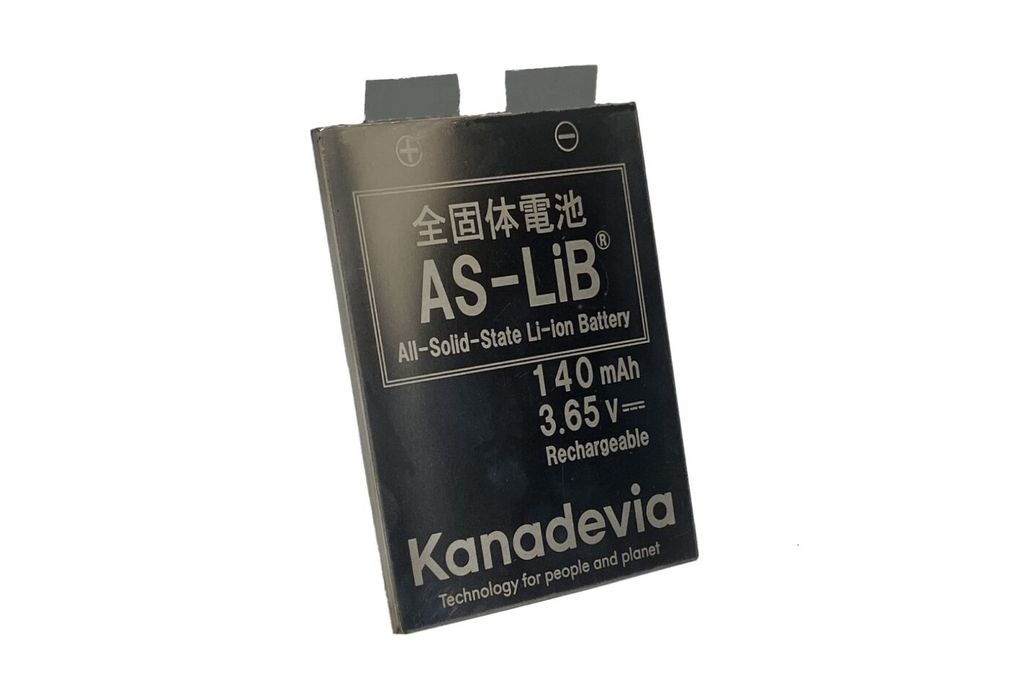
Kanadevia, formerly Hitachi Zosen Corporation, has built a reputation through its expertise in solid-state lithium-ion batteries. With this acquisition, Suzuki is not just buying technology; it’s embracing a vision for the future. Solid-state batteries, thanks to their dry production process, promise enhanced safety while minimizing risks of leaks and fires. In short, this investment could reshape Suzuki’s market perception.
A Saturated and Competitive Market
In reality, the automotive industry is buzzing with battery technology advancements. Major players like Toyota and Nissan have already established solid strategies to develop their own solutions. The pressure is mounting for Suzuki, which must not only catch up but also distinguish itself from competitors like Mercedes and Volkswagen, who have already formed partnerships with pioneering battery companies.
The Benefits of Solid-State Batteries
The advantages of solid-state batteries are undeniable. First, they offer superior energy density, which could increase the range of Suzuki’s electric vehicles—a crucial factor for attracting buyers. Second, these batteries allow for reduced charging times, an essential feature in a world where speed is king. Finally, safety is a major concern; new technologies minimize fire risks, which could reassure a still-hesitant clientele regarding electric cars.
A Risky but Necessary Bet
However, this acquisition is not without risks. Developing and integrating new technologies requires massive investments and a lengthy development time that could hinder short-term production. Moreover, competitors won’t wait for Suzuki to catch up. The brand must balance innovation and profitability, a delicate exercise in a sector where every advancement can make a difference.
A Long-Term Strategy
In practice, integrating solid-state batteries could allow Suzuki to diversify its offerings and meet the varied needs of consumers. By tackling this technology, the brand positions itself not only as a player in the electric market but also as an innovator capable of providing sustainable solutions. The coming years will be crucial to see if this strategy pays off or if it encounters unforeseen obstacles.
In Summary
- Suzuki acquires Kanadevia to strengthen its electric strategy.
- Solid-state batteries promise increased range and enhanced safety.
- Competition is fierce with well-established players already in the field.
- Heavy investments are necessary to succeed in this transition.
- Success will depend on Suzuki’s adaptability in a constantly evolving market.
In conclusion, Suzuki appears to be making a decisive turn with this acquisition. For automotive enthusiasts and consumers, this could mean a richer and safer offering in the coming years. However, the road is fraught with challenges, and the brand will need to prove it can not only innovate but also quickly adapt to the demands of an increasingly competitive market.