

From January 6 to 9, Las Vegas transforms into a true temple of automotive technology, where industry giants and bold startups unveil their futuristic visions. At CES 2026, the car becomes much more than just a means of transportation; it evolves into an interconnected digital platform, redefining our relationship with mobility.
A Must-Attend Event for the Automotive Industry
The CES (Consumer Electronics Show) has become an essential event for the automotive sector over the years. In 2026, this technology showcase highlights a major evolution: the car is no longer just a vehicle; it is now a true digital hub. Manufacturers compete not only on mechanical performance but also on the quality of software and connected services.
The 59th edition of CES presents a clear message: the modern automobile must communicate with its environment. It becomes a “digital platform” capable of interacting with the cloud, the home, and even the city. Innovations focus on artificial intelligence and connectivity, transforming our cars into true mobile assistants.
Mercedes, BMW, and the Digital Turn
Taking Mercedes as an example reveals this transformation. At CES 2026, the German brand unveils its new electric GLC, integrating an ecosystem of technology partners that underscores this new direction. With collaborations such as Dolby for immersive sound, Xperi for content management, and Nvidia for advanced computing capabilities, the GLC becomes a symbol of the automotive future where processing power reigns supreme.
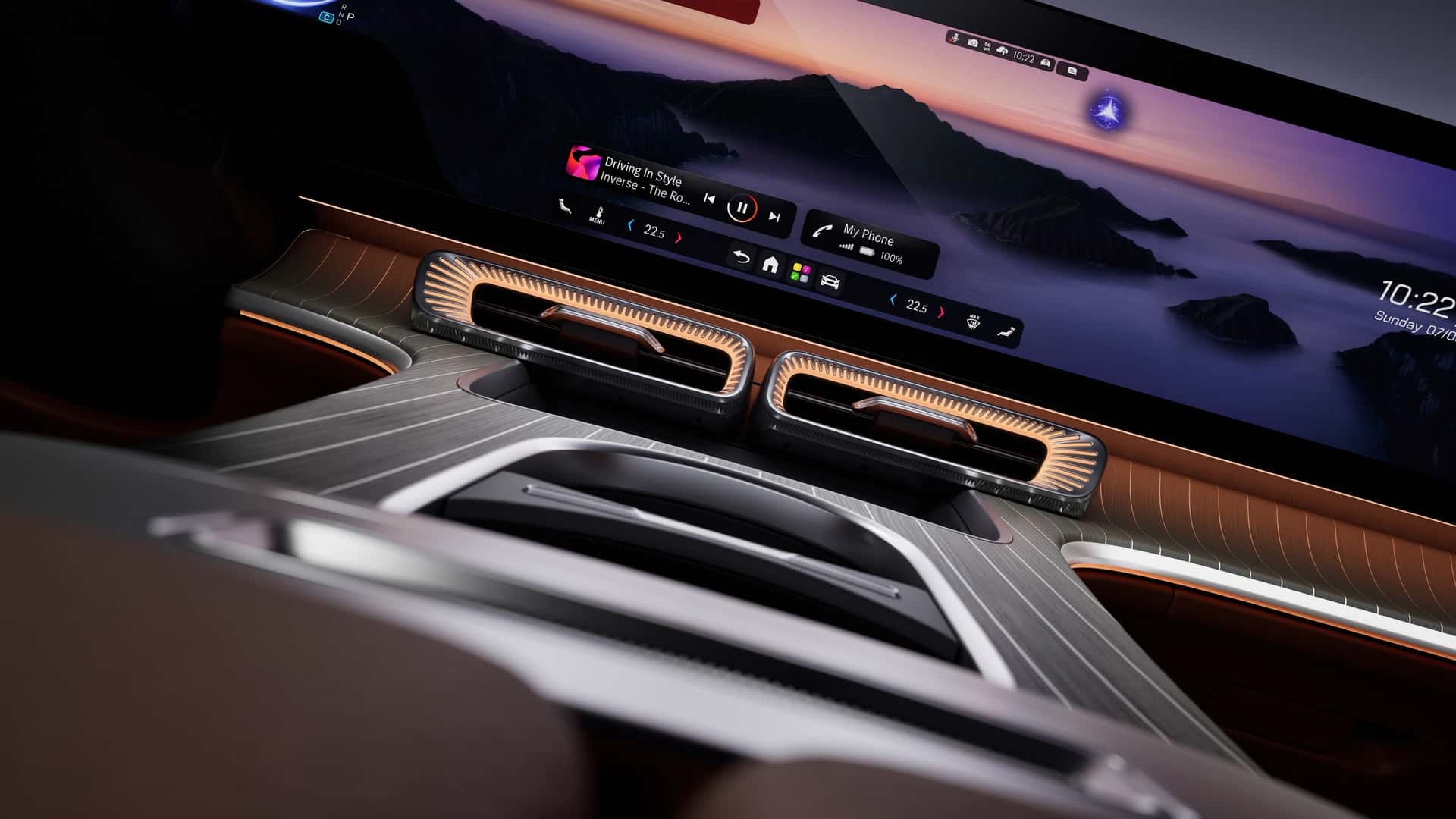
New Mercedes GLC, the interior
On the BMW side, the iX3 is making waves. This model is now equipped with Alexa Plus, an advanced voice assistant that understands natural language. It manages navigation, climate control, and infotainment without distracting the driver, a striking demonstration of the fusion between technology and driving experience.
New Players and Digital Hypercars
The CES is not only the playground of big automotive names but also that of bold startups. Dreame Auto, for example, presents an electric hypercar, a true rolling laboratory of technology. With centralized software, active aerodynamics, and an architecture designed to evolve over time, it embodies the promise of a car that continually reinvents itself.
Lamborghini, for its part, partners with PTC to explore a digital product lifecycle. From engineering to maintenance, including the analysis of data collected during use, the Italian brand illustrates how a car can continue to improve after leaving the factory. A concept that could redefine the very notion of car ownership.
The Key Role of Technology Suppliers
Alongside manufacturers, major technology suppliers play a crucial role at CES 2026. We are talking about 5G connectivity, advanced sensors, and architectures for “software-defined” vehicles. This evolution marks the transition from an individual automobile to connected mobility, where traffic, safety, and services communicate in real-time for a smoother and safer journey.
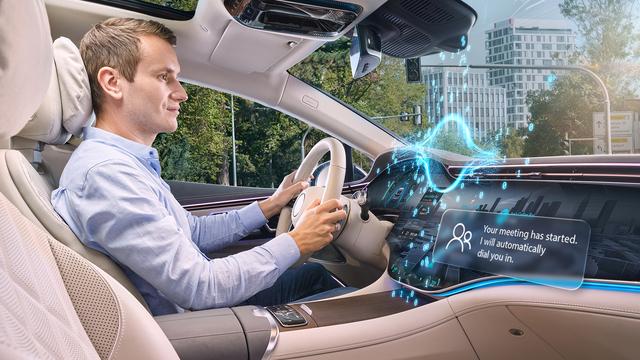
The new AI cockpit from Bosch.
Photo: Bosch
One of the most promising innovations comes from Bosch, with its new AI Cockpit. This system uses artificial intelligence to reduce the complexity of information presented to the driver. It interprets context, analyzes the driver’s state, and decides which information to display based on the situation: pedestrians in the city, highway navigation, or assistance with delicate maneuvers. An orchestration that could revolutionize our interaction with our vehicles.
Conclusion: Towards Reinvented Mobility
CES 2026 does not just showcase cars; it illustrates an ongoing revolution in the automotive sector. Manufacturers and technology players are collaborating to create vehicles that transcend their original function. The future of the automobile is digital, connected, and evolving. As we move toward this new era, it is fascinating to see how each innovation shapes our relationship with the road.

