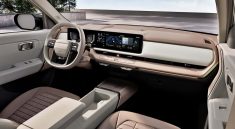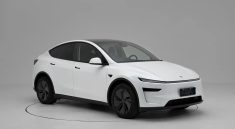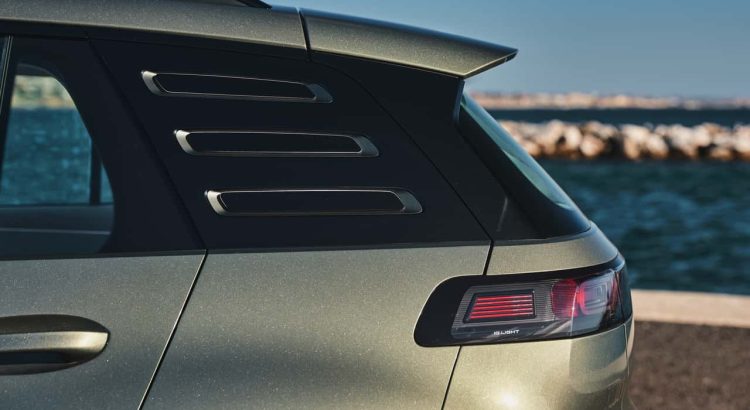
After a tumultuous 2025, Volkswagen is gearing up for a bold comeback in 2026, with over 20 new models on the horizon. This strategy aims to reaffirm its presence in a rapidly changing market, focusing on key segments like compact cars and SUVs.

Last year, Volkswagen faced significant challenges, reporting a 53% drop in operating profit compared to 2024. Tariffs imposed by the Trump administration and strategic adjustments within Porsche weighed heavily on the company. However, this chapter is closing, paving the way for a product offensive that could redefine the brand’s contours. The focus is on small cars, a crucial segment in Europe, alongside a broad range of SUVs.
A Focus on Compact Cars
Volkswagen seems to understand that the heart of the European market beats for compact cars. The new ID. Polo, an electric version of the popular Polo, is set for 2026. This model had a rocky start, with the ID.Life concept receiving criticism for its overly bold design. By returning to more traditional lines, Volkswagen hopes to attract customers who prioritize practicality and efficiency.
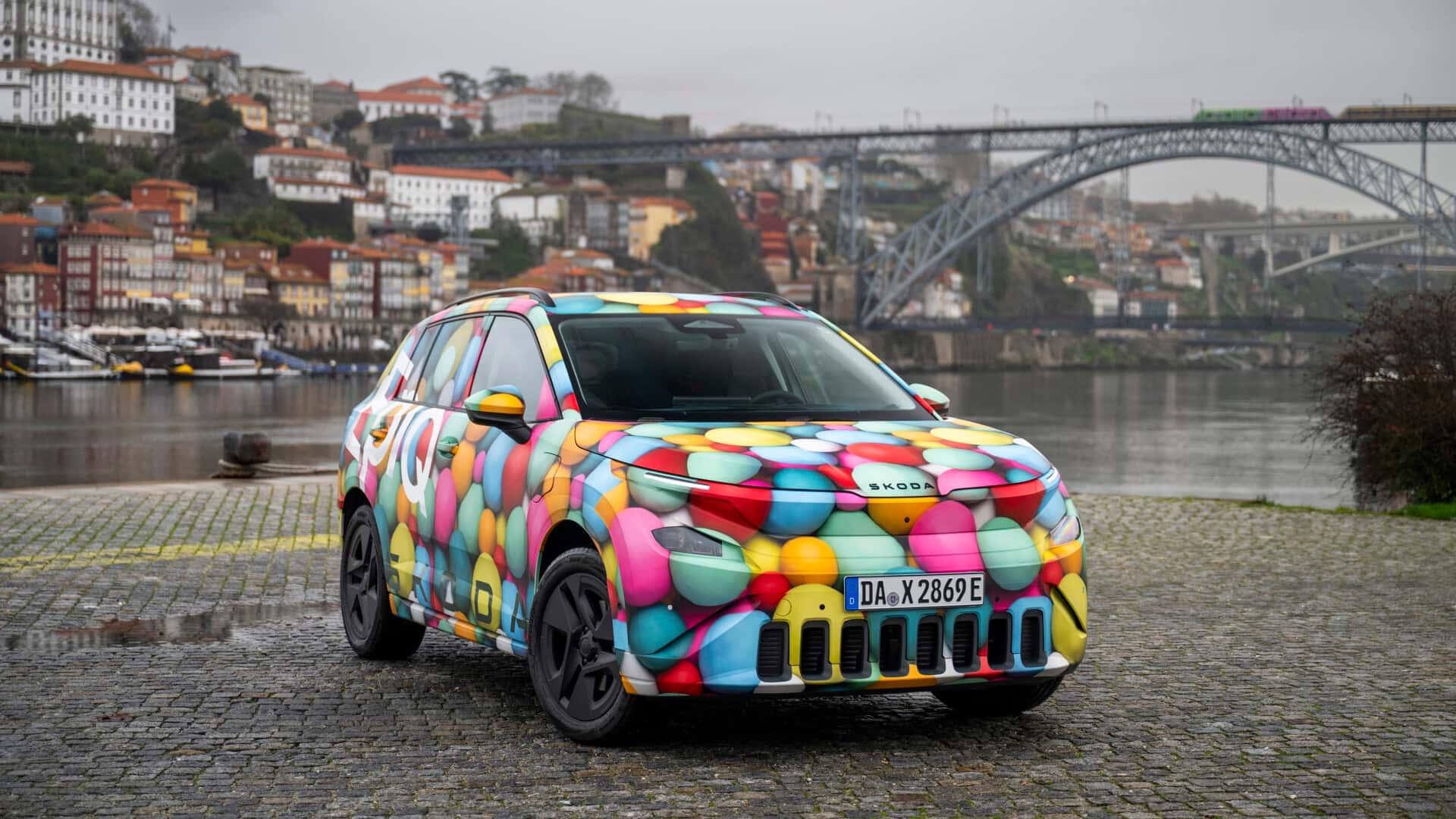
Built on the MEB+ platform, which favors compact models, the ID. Cross will also be launched. This small SUV, with dimensions similar to the T-Cross, aims to appeal to those seeking a versatile vehicle without sacrificing ecological footprint. Meanwhile, the Skoda Epiq and Cupra Raval will enrich this lineup with distinct offerings, all rooted in the same philosophy: accessible electrification.
The SUV Reign Strengthens
SUVs are not left out in this revival. Volkswagen is preparing a new generation of the T-Roc, which will feature a full hybrid powertrain for the first time. This reflects a commitment to meet the growing consumer demand for energy efficiency. The transformation of the ID.4 into the ID.Tiguan, with significant aesthetic and technological upgrades, illustrates this shift. This model could become a staple in the compact SUV market.
On the Audi side, the Q9 is positioned as the new flagship, replacing the A8, which is nearing its end. Electrification is at the heart of this transformation, with models like the Skoda Peaq, a fully electric 7-seater SUV, catering to customers seeking space and comfort.

Audi Q9, our rendering
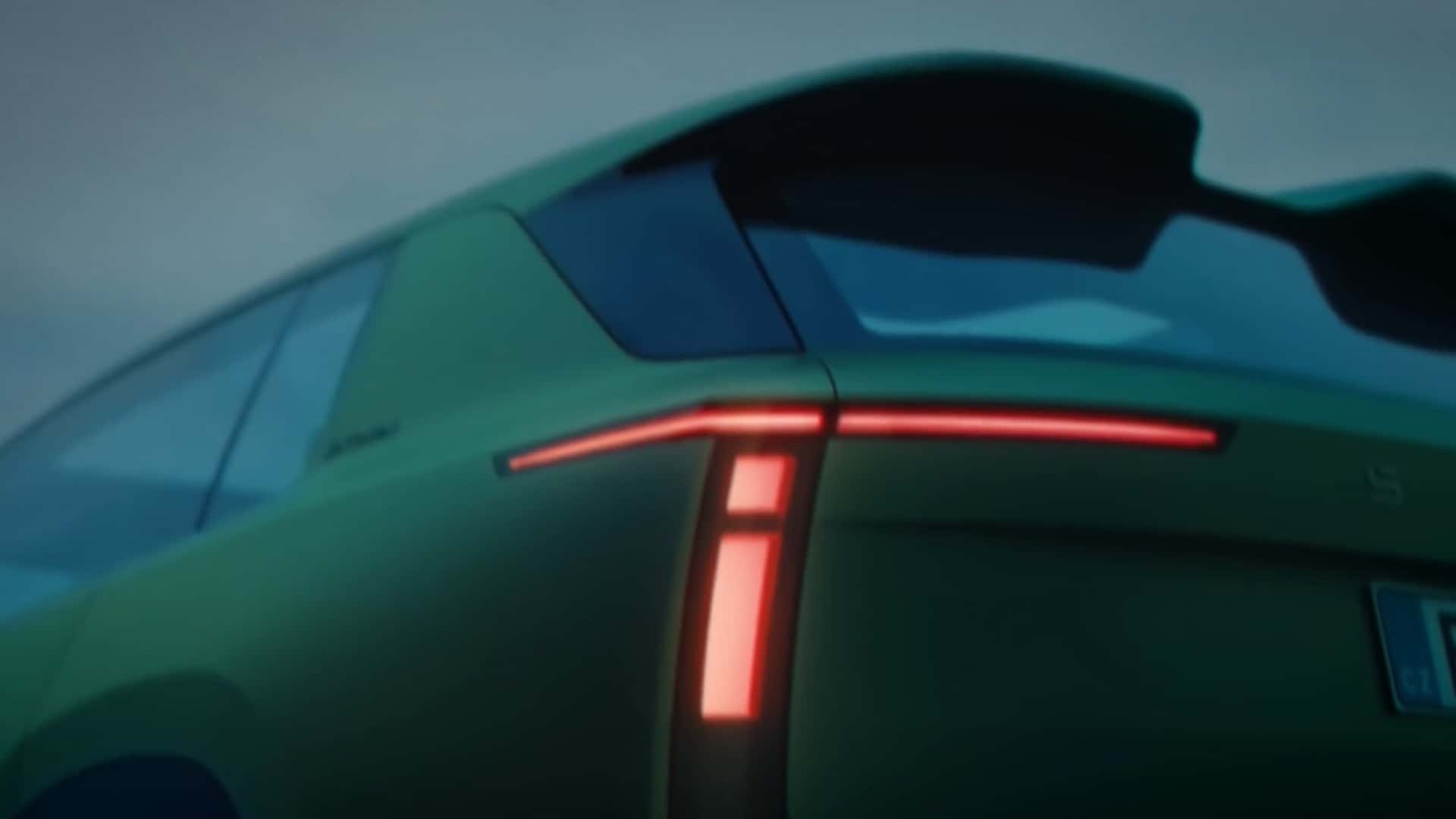
Skoda Peaq, teaser
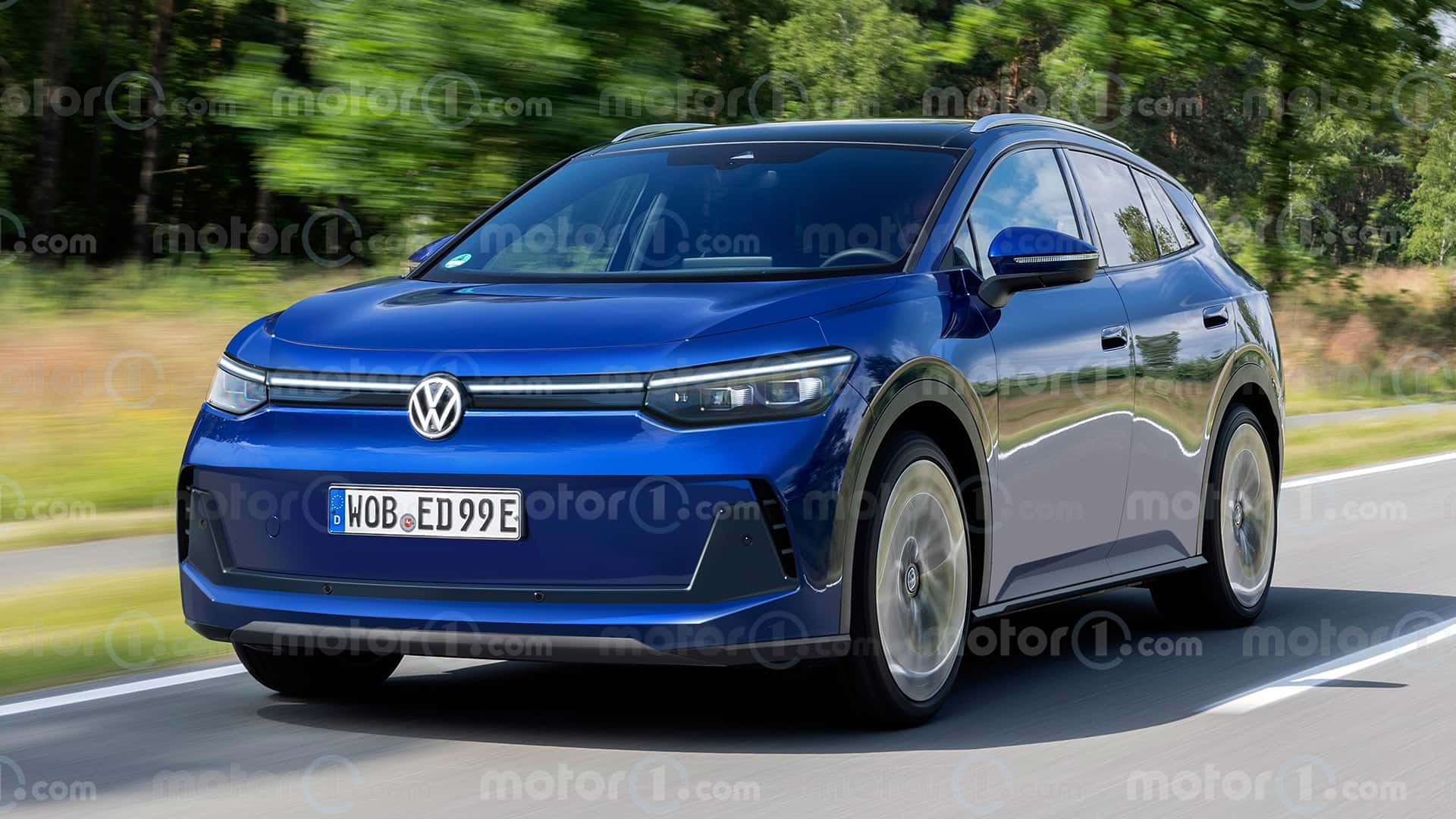
Volkswagen ID.4 will be called ID.Tiguan
New Models Exceeding Expectations
The list of new models doesn’t stop there. Audi plans an electric reinterpretation of the A2, reminiscent of iconic models from the early 2000s. This return to roots could attract nostalgic customers while appealing to younger drivers with its modern technology.
At Porsche, the upcoming electric Cayenne promises impressive performance with a powertrain capable of delivering up to 1,156 hp. This strategic choice aims to reinforce the brand’s image as a leader in the luxury electrified vehicle segment. Meanwhile, the hybrid Golf and the facelifted ID.3 demonstrate a commitment to maintaining a diverse and competitive offering in a constantly evolving market.

Audi RS 5 2026
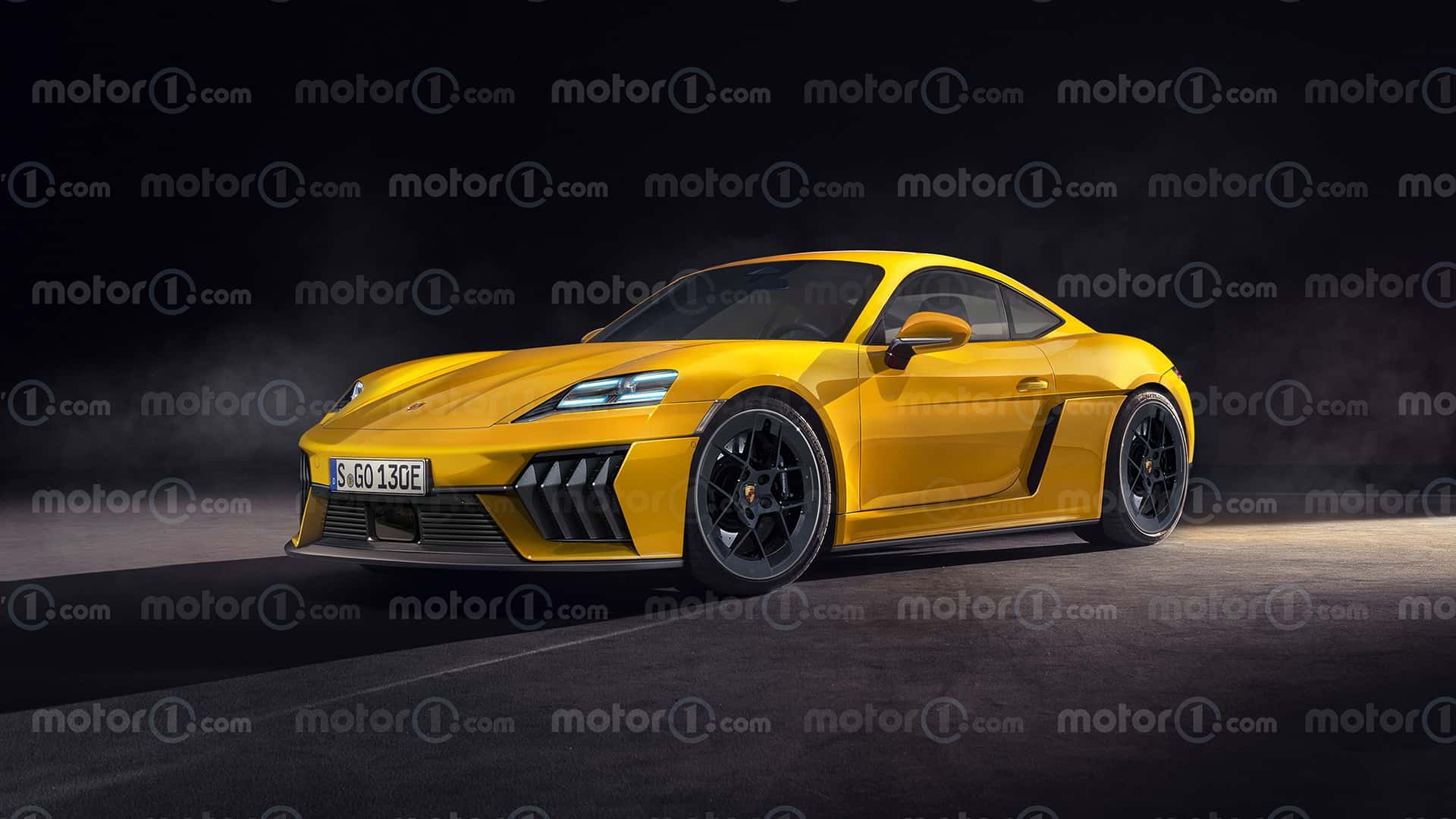
New Porsche Cayman, our rendering
A Market in Transformation
This strategic pivot comes at a time when competition is becoming increasingly fierce. Brands like Tesla continue to dominate the electric vehicle market, while Asian players like Hyundai and Kia are strengthening their presence with attractive and affordable models. Volkswagen faces a dual challenge: to retain loyal customers while attracting new ones to its electrified offerings.
The answer lies in this extensive range of new models. By focusing on electrification and diversifying its offerings, Volkswagen hopes to reclaim segments it may have lost to agile competitors. In short, this isn’t just about revamping a catalog; it’s about redefining the very identity of the group at the dawn of a new automotive era.
In Summary
- Over 20 new models planned for 2026 within the Volkswagen group.
- Focus on compact cars and SUVs to meet market demands.
- Electrification strategy to enhance competitiveness against rivals.
- Iconic models like the Audi A2 and electric Porsche Cayenne in the works.
- Proactive response to increasing competition in the automotive sector.
Is this bold comeback enough to face the challenges ahead? The automotive market is evolving rapidly, and Volkswagen will need to continue innovating to maintain its position. The coming years will be crucial in determining whether this strategy will bear fruit and if the group can truly reinvent itself in a changing landscape.