The new BMW 7 Series for 2026 promises to be an evolution in form and technology, but not a revolution. With fierce competition, especially from the Mercedes-Benz S-Class, this update feels more defensive than a stroke of industrial genius.

Since its debut, the BMW 7 Series has sparked debates, particularly over its bold double kidney grille. Four years after its launch, it’s time for an update that, despite criticism, retains this daring signature. The first teaser revealed on Instagram suggests a front still dominated by the oversized grille, now with a luminous outline. The lingering question is whether this boldness will attract an audience seeking novelty.
Conservative Yet Striking Aesthetic
In terms of design, the BMW 7 Series for 2026 seems hesitant to take big risks. The double grille, although redesigned with sharper angles, remains true to the brand’s visual identity. The slim daytime running lights are present, but the rest of the front architecture remains vague. This stylistic choice may be seen as an admission: the brand appears reluctant to abandon an aesthetic that draws both criticism and a loyal fan base.

The real issue is that this update may come off as an attempt to ease tensions surrounding a design deemed too bold. While competitors like the Mercedes S-Class continue to evolve toward more refined and elegant lines, BMW seems determined to maintain a certain continuity in its approach. It remains to be seen if this will be enough to convince potential buyers.
Technology in Tune with the Times
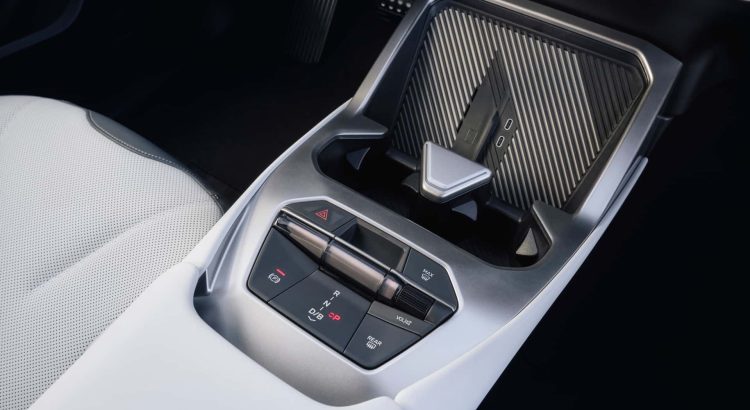
In the tech arena, the 2026 7 Series could see significant advancements. While the iX3-inspired dashboard isn’t confirmed, it’s likely the interior will receive a major update in infotainment and instrumentation. The integration of new AI features could transform the user experience, especially for rear passengers, with an 8K screen already present in the current model.
As for the engines, the status quo seems to prevail. The lineup is expected to include the same hybrid options as before: mild-hybrid diesel, gasoline plug-in hybrid, and electric. However, improvements in efficiency and range are anticipated. This choice may prove wise given the increasing CO2 emissions regulations, but it also raises questions about BMW’s ability to truly innovate in a rapidly changing automotive market.
A Response to Competitive Pressure
The 7 Series finds itself in a context where competition is fiercer than ever. The Mercedes S-Class, a true benchmark in the luxury sedan segment, continues to evolve and attract discerning customers. In this sense, this update appears to be a defensive maneuver to maintain BMW’s market position. Clearly, the brand wants to retain its status as a leader, but at what cost? While aesthetic and technological evolutions are present, they may not be bold enough to tip the scales in favor of the 7 Series against increasingly innovative rivals.
Customer Expectations Amid Stagnation
Potential customers of the 7 Series expect a unique experience that justifies their investment in a premium sedan. However, the impression left by this update is that it struggles to renew itself. While the technological evolution is commendable, it may not be enough to compensate for a design that remains too tied to its habits. As brands compete for innovation to attract a clientele eager for novelty, BMW needs to be bolder to capture attention.
An Uncertain Future for the 7 Series
With this update, the lingering question is: will the BMW 7 Series be able to assert itself against the competition? The expected evolutions may attract some loyal customers, but risk leaving those who expect a true break dissatisfied. BMW’s strategy seems to be an attempt to navigate between tradition and modernity, but this approach may not be sufficient to ensure its success in a constantly evolving market.
In Summary
- The 2026 BMW 7 Series update maintains a conservative aesthetic.
- Technological advancements are expected, but without revolution.
- Competition with the Mercedes S-Class remains a significant challenge.
- Customer expectations may not be fully met.
- The future of the 7 Series will depend on its ability to innovate further.
Who is this new 7 Series for? Primarily for loyal BMW customers seeking a premium sedan without radical changes. However, those expecting a completely renewed experience may look to alternatives like the Mercedes S-Class or even models from emerging brands unafraid to shake things up. The strengths of this 7 Series lie in its technology and comfort, while its limitations are in a lack of bold design and a timid approach to competition.