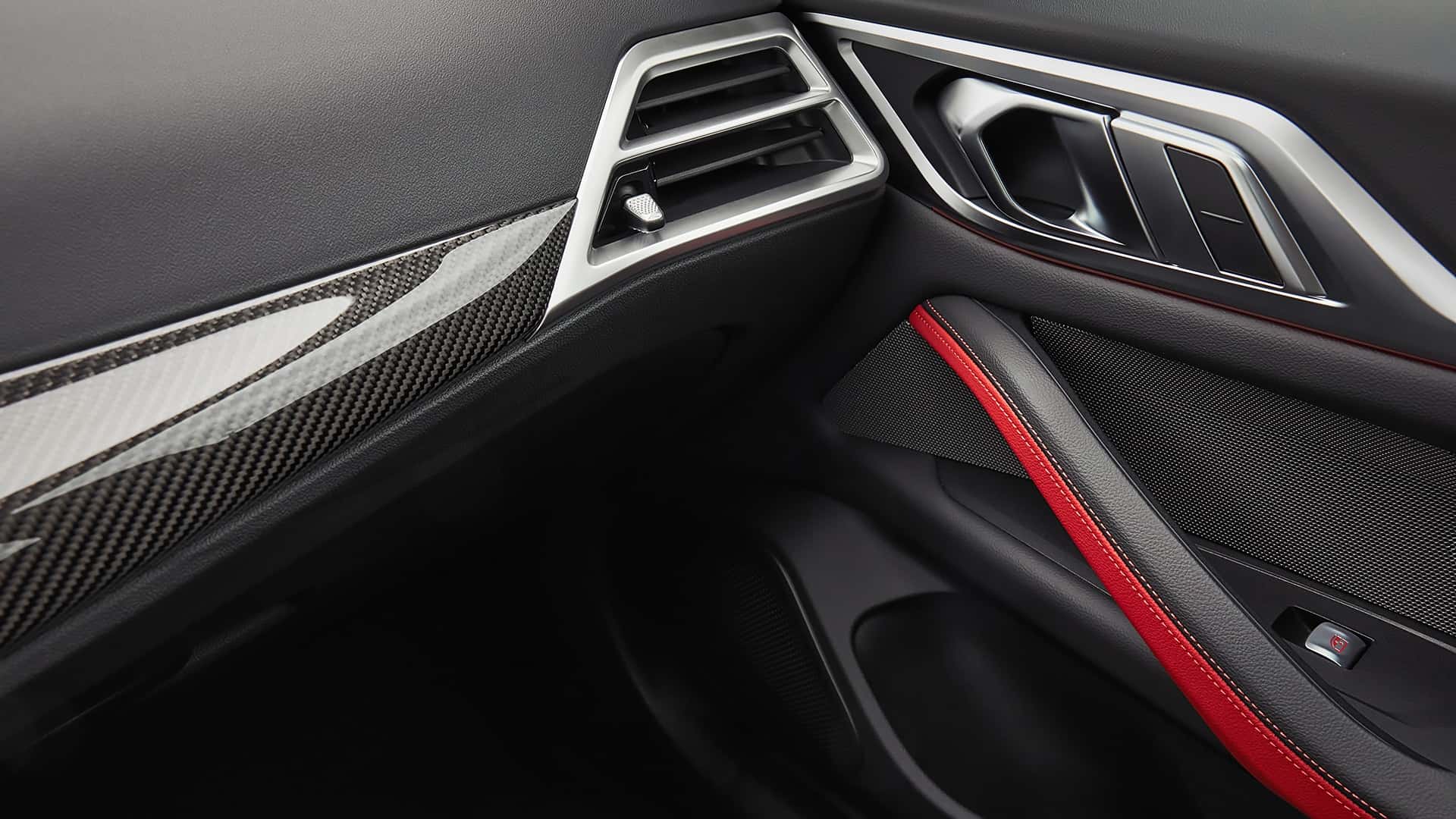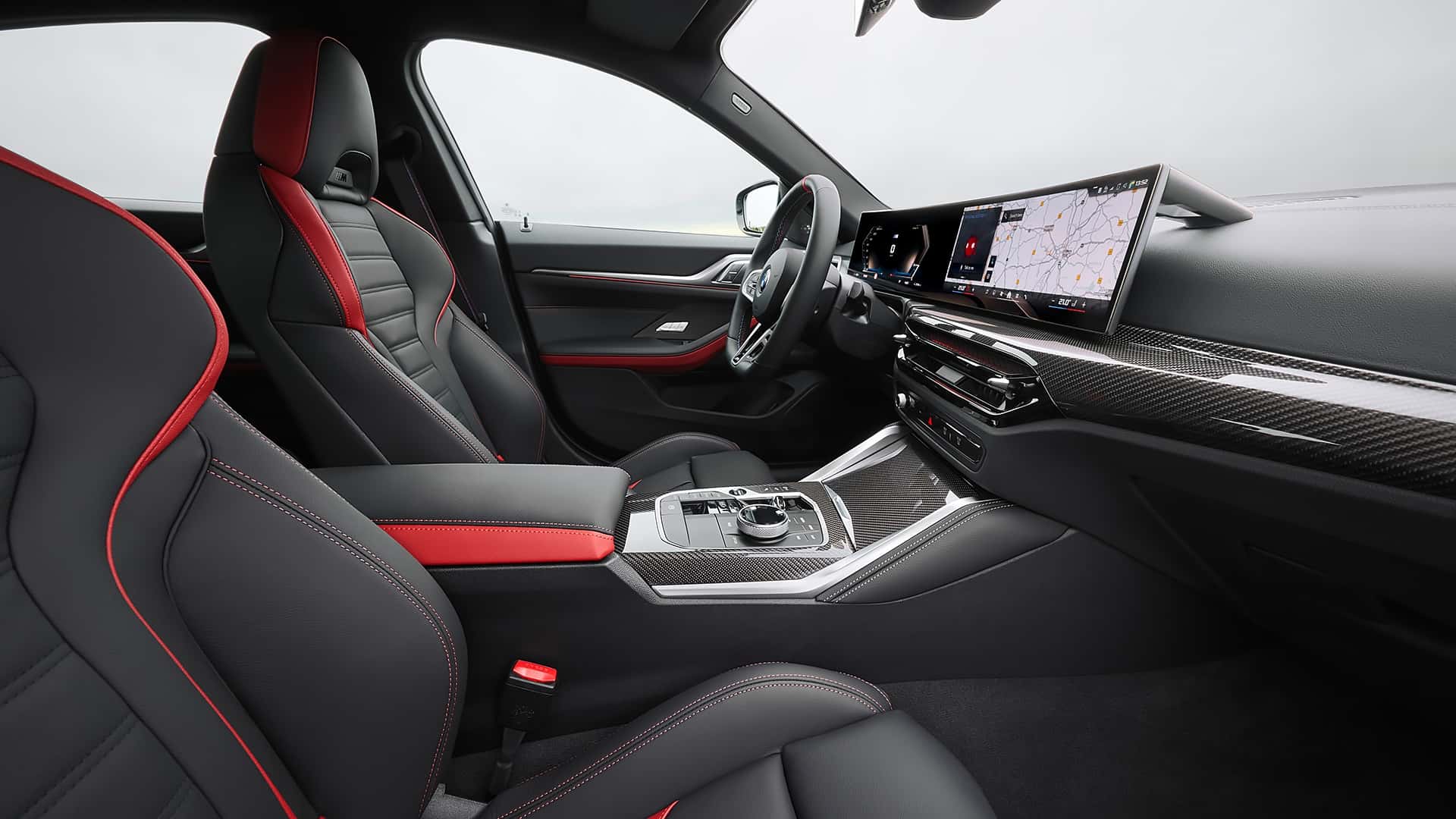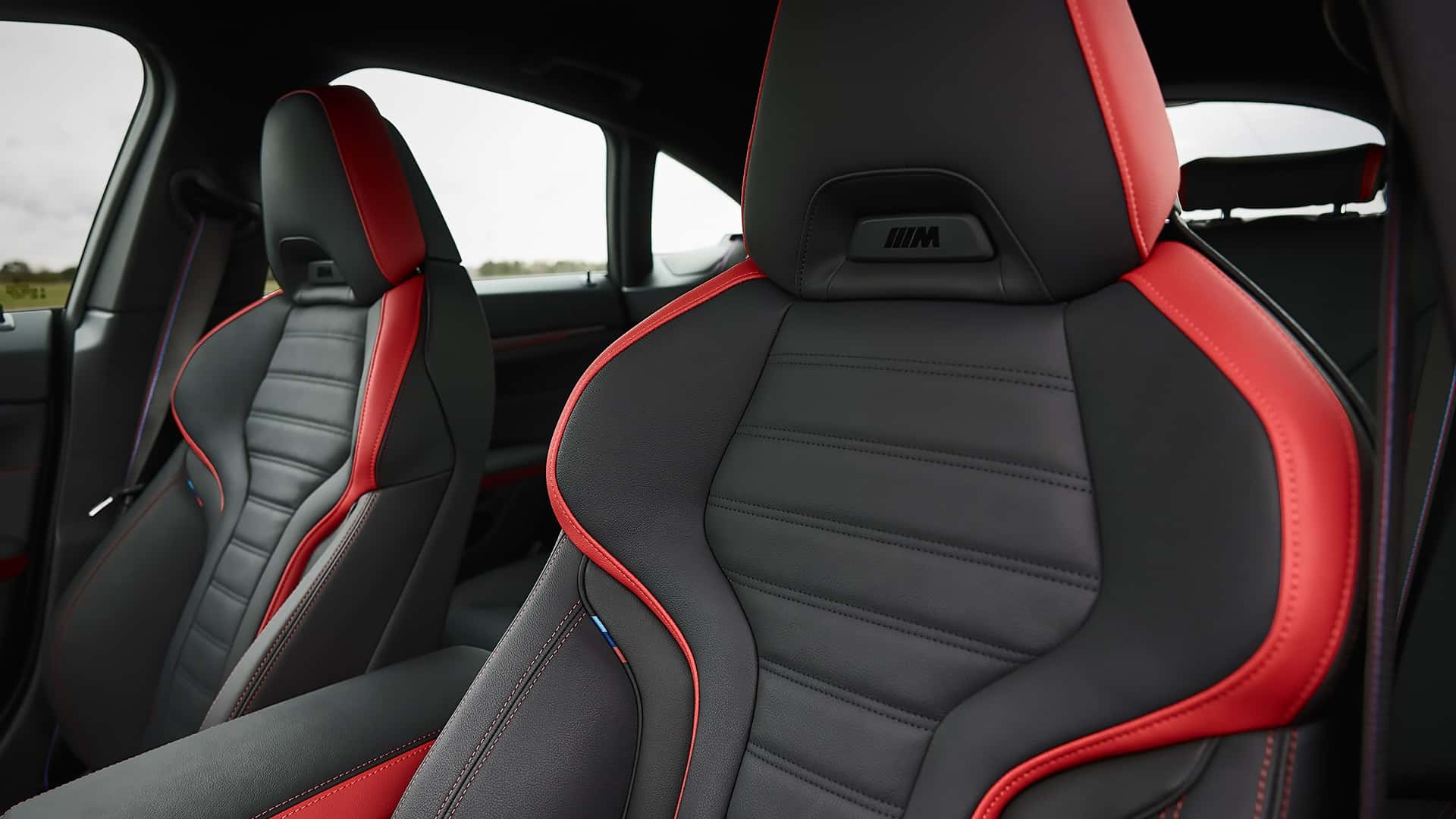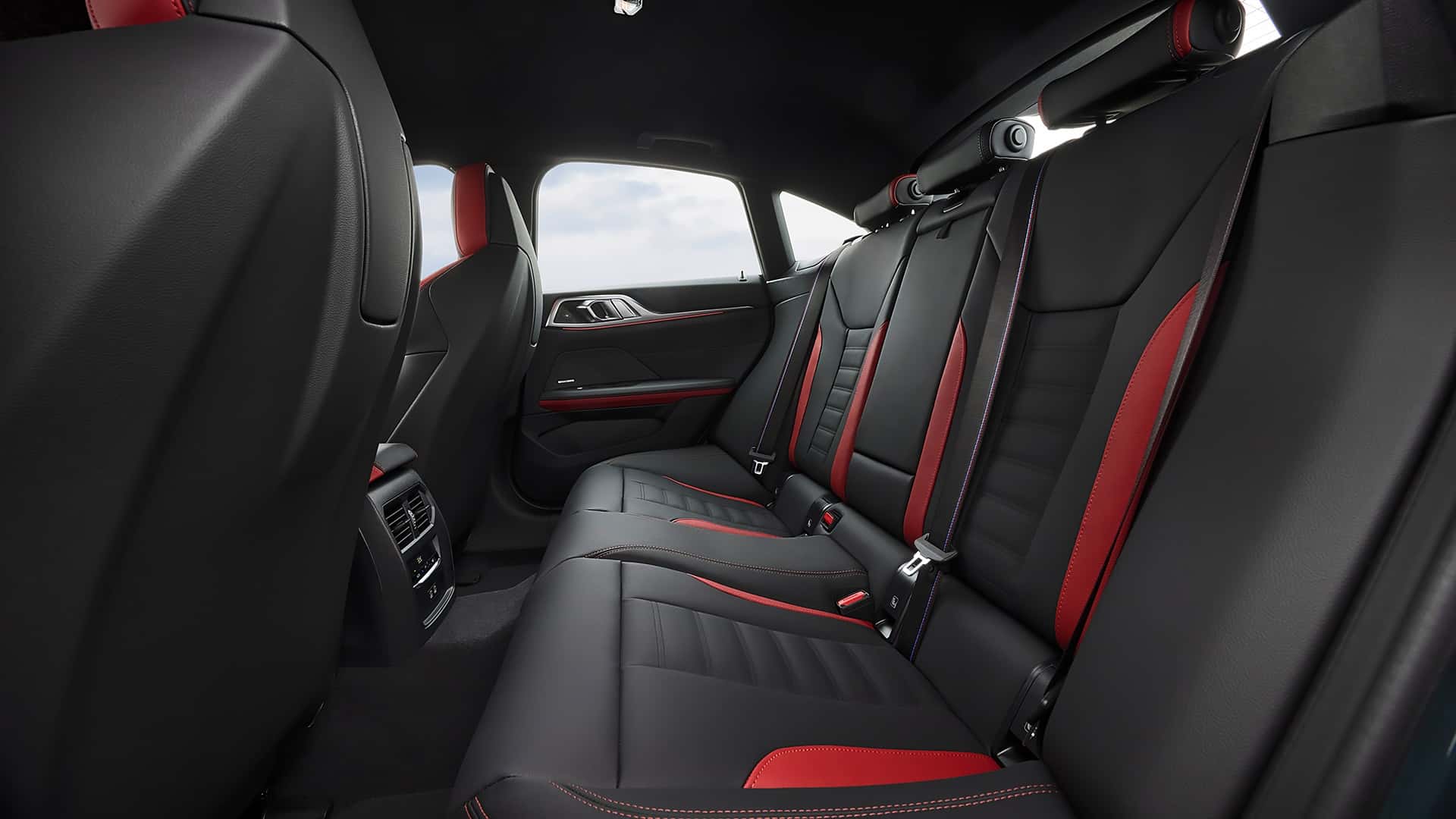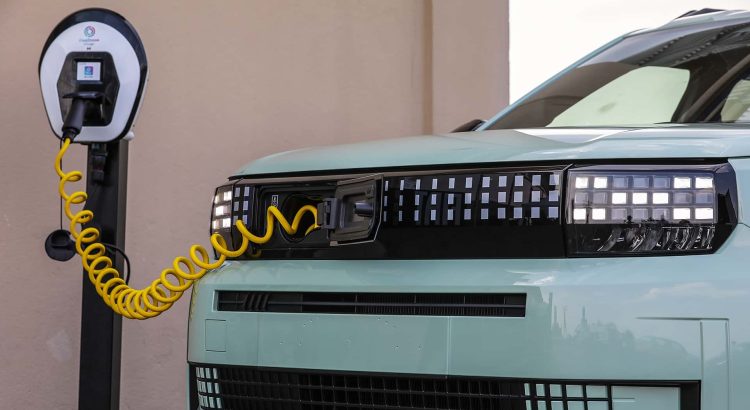
Automotive design is a form of artistry that skillfully hides the technological innovations beneath the surface, blending form and function into a seamless whole. This balance of aesthetics and engineering is crucial for manufacturers aiming to captivate consumers while delivering advanced capabilities.
In an increasingly competitive market, car manufacturers must navigate the delicate balance between eye-catching designs and the practicalities of engineering. As buyers become more discerning, the aesthetic appeal of a vehicle can significantly influence purchasing decisions, making it essential for brands to innovate while maintaining visual allure. The challenge lies in creating vehicles that not only look good but also perform exceptionally well, ensuring they meet the evolving demands of consumers.
Future Designs: How Technology Will Shape Aesthetics
Innovative technologies in automotive design are not just about aesthetics; they are also about enhancing functionality and efficiency. Designers are increasingly incorporating lightweight materials and aerodynamic shapes that not only look sleek but also improve performance. The integration of smart features and sustainable materials is becoming a hallmark of modern automotive design, pushing the boundaries of what is possible.
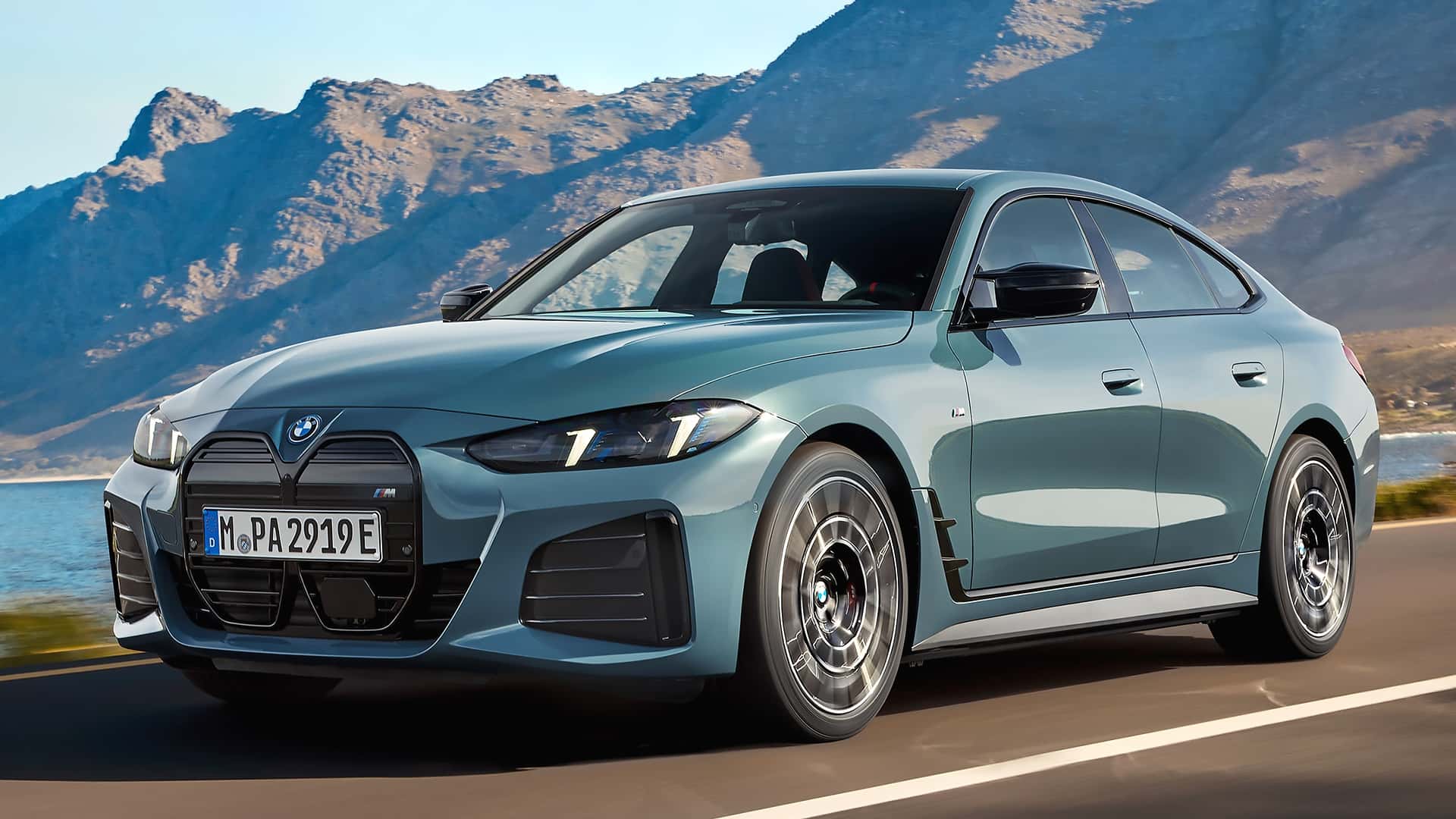
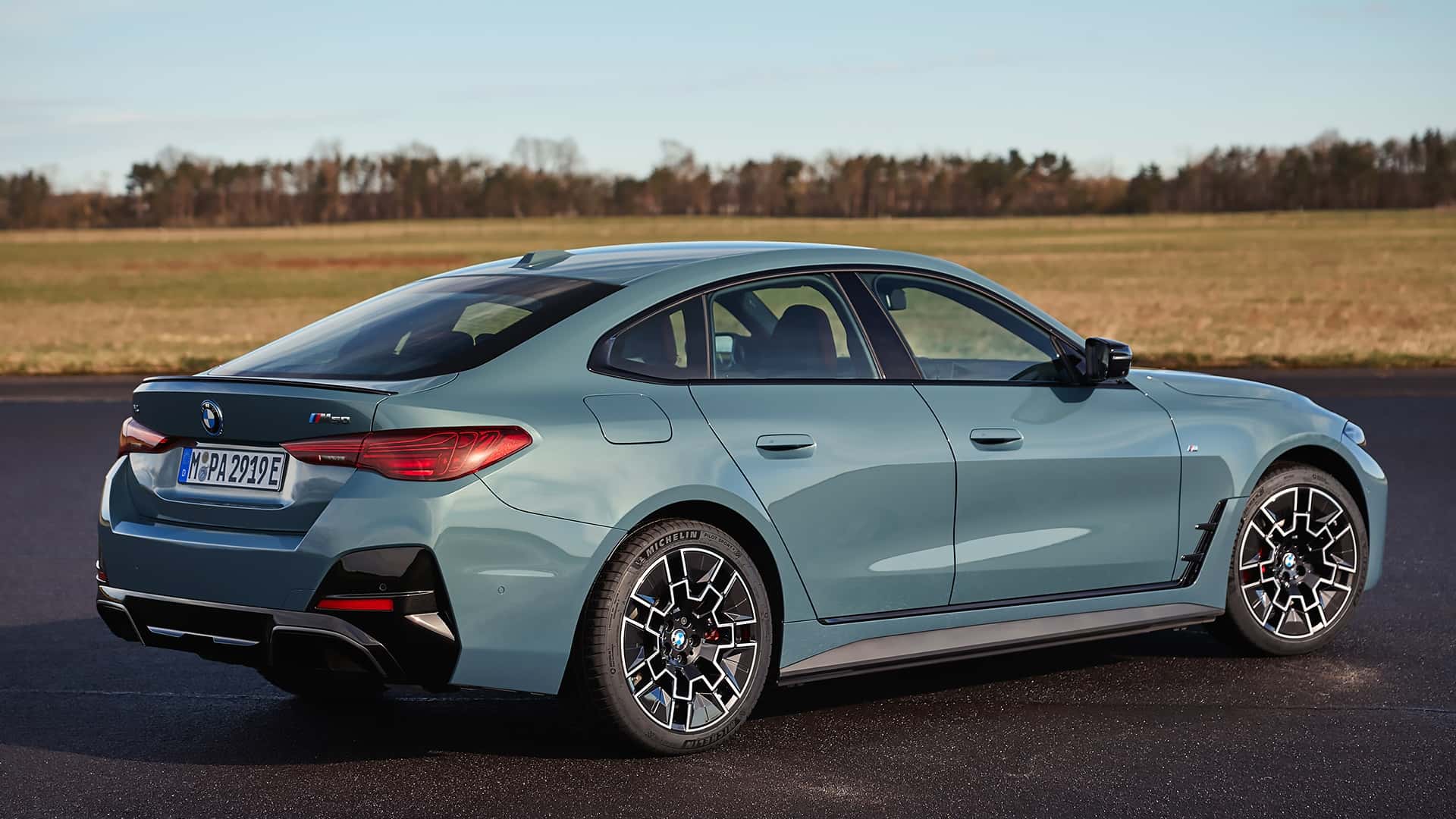
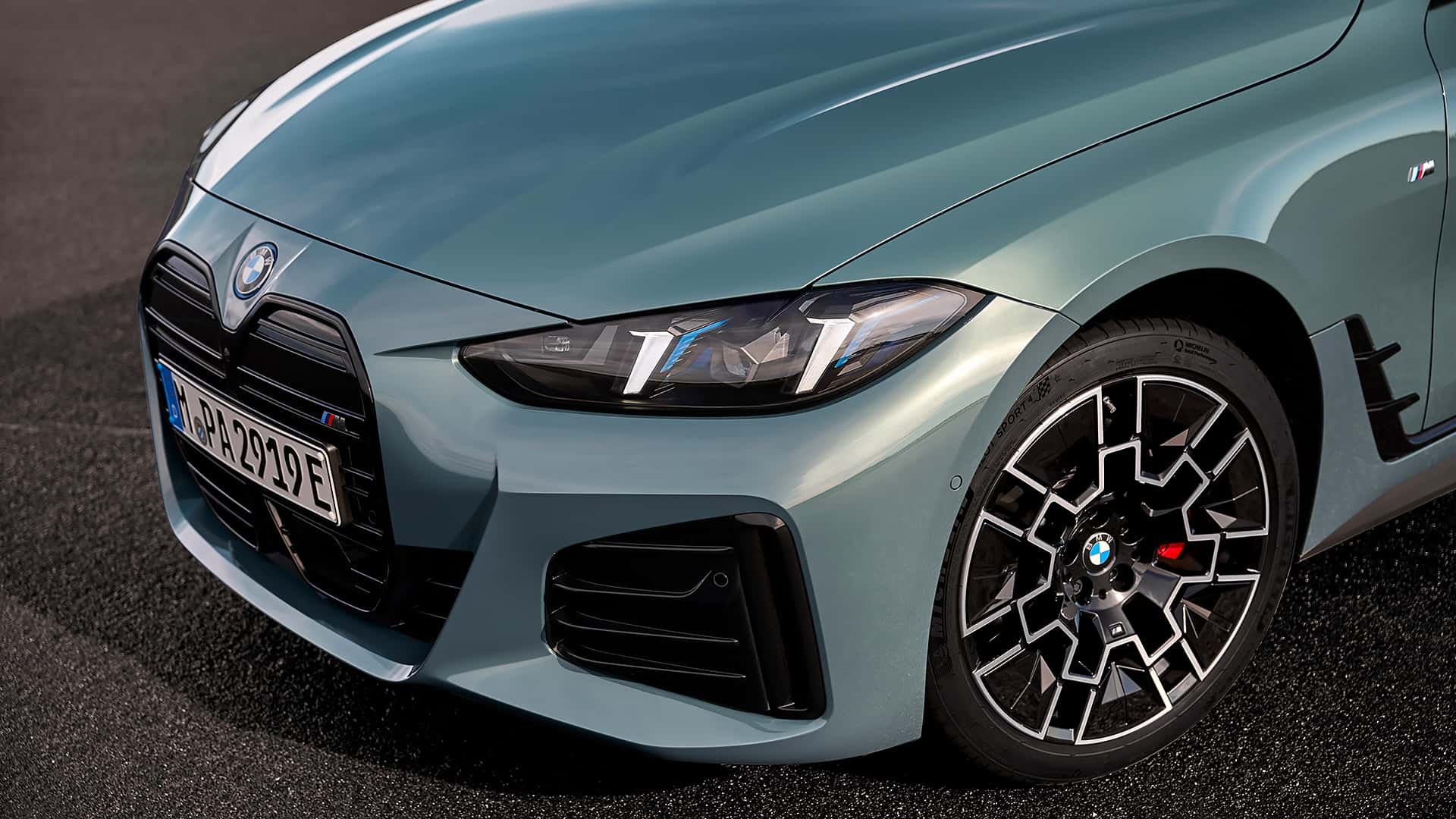
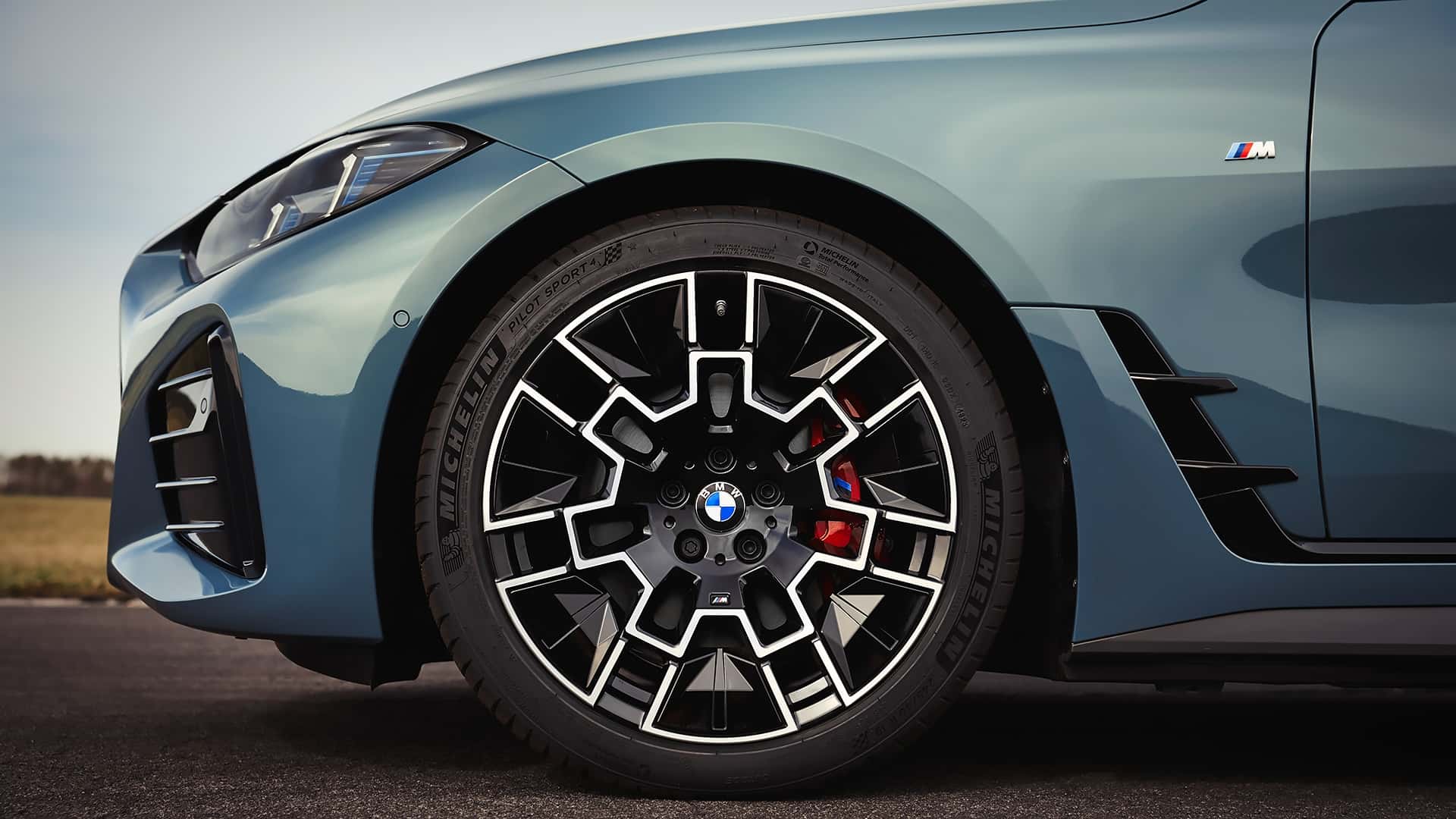
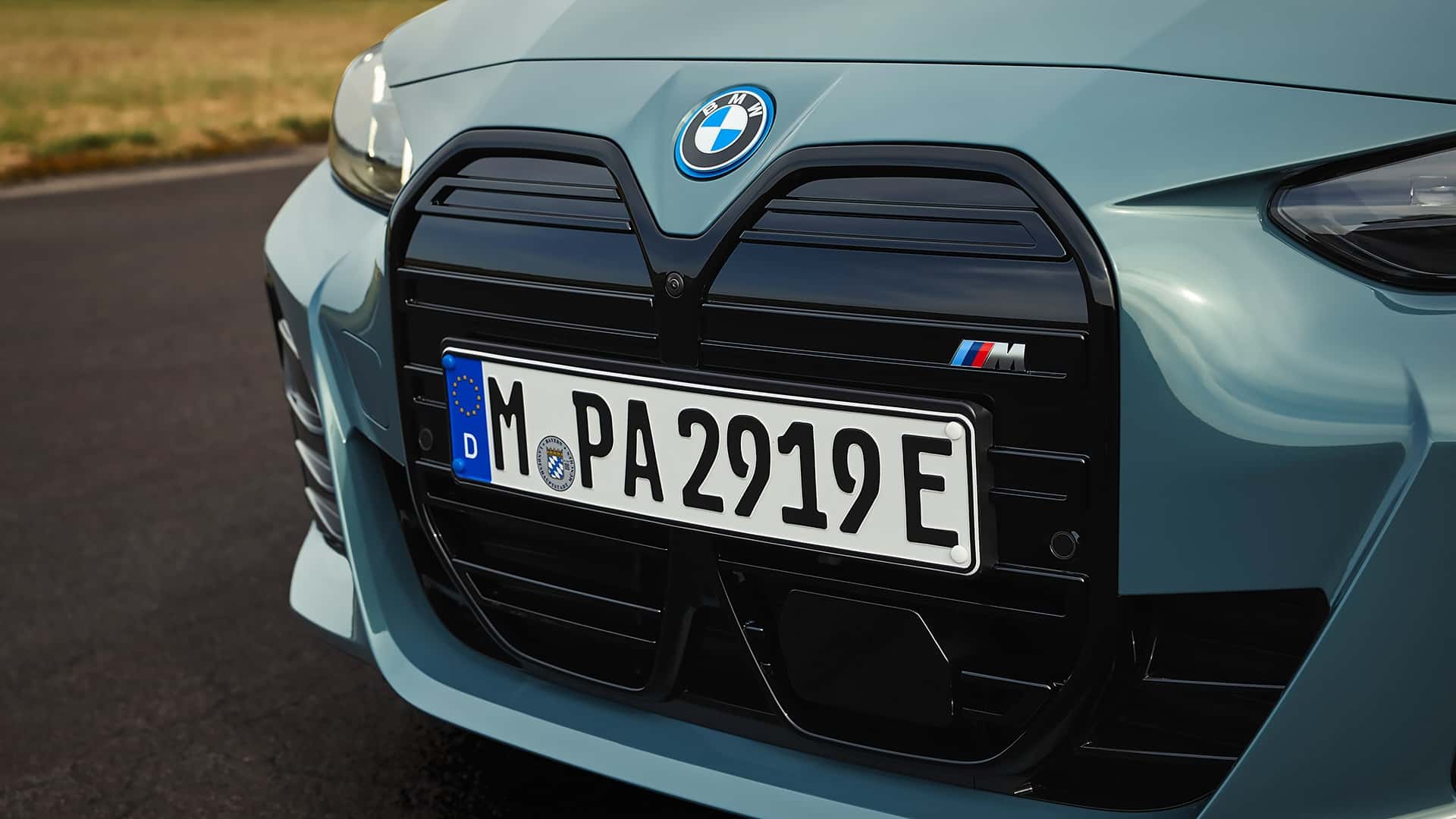
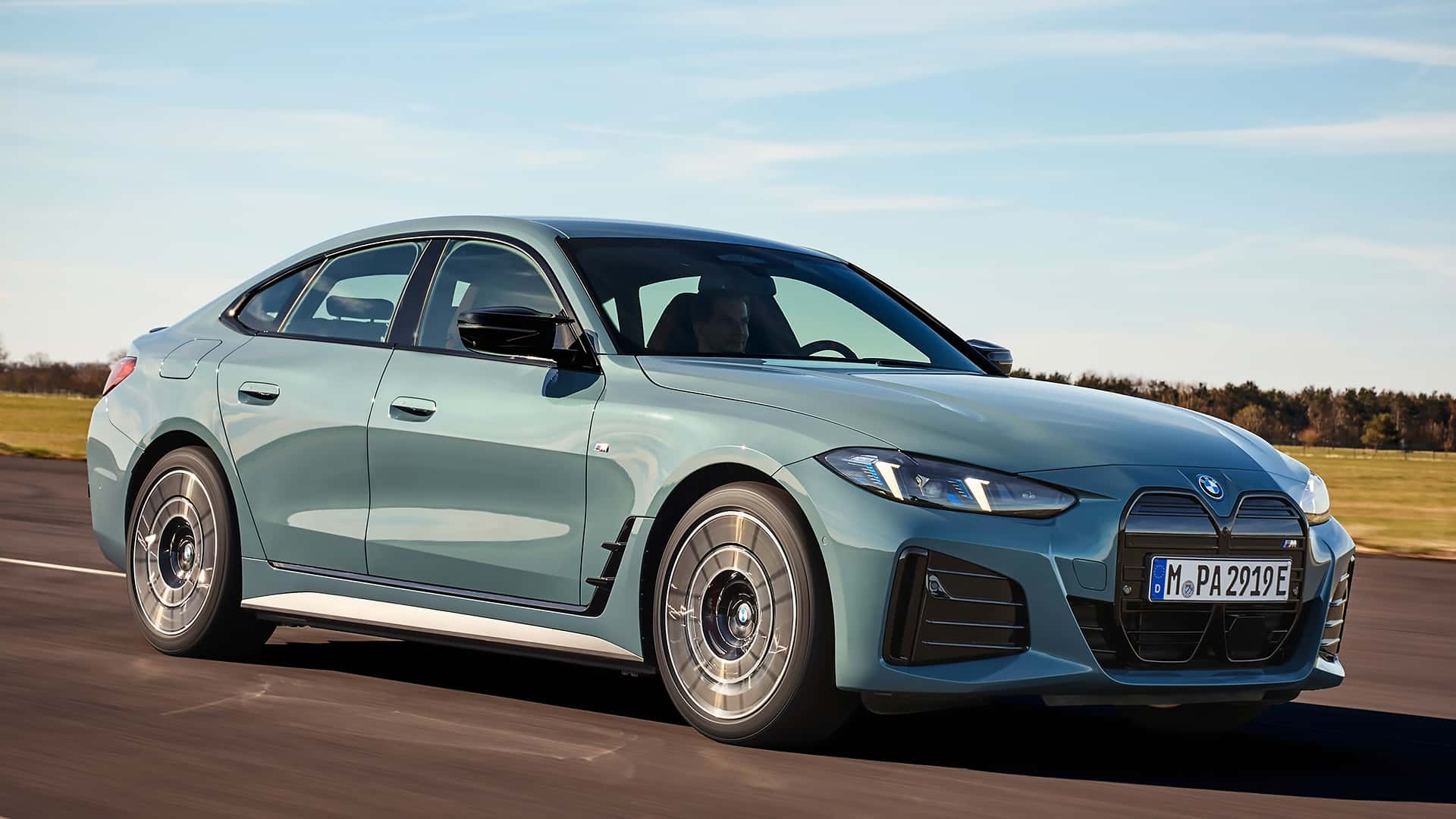
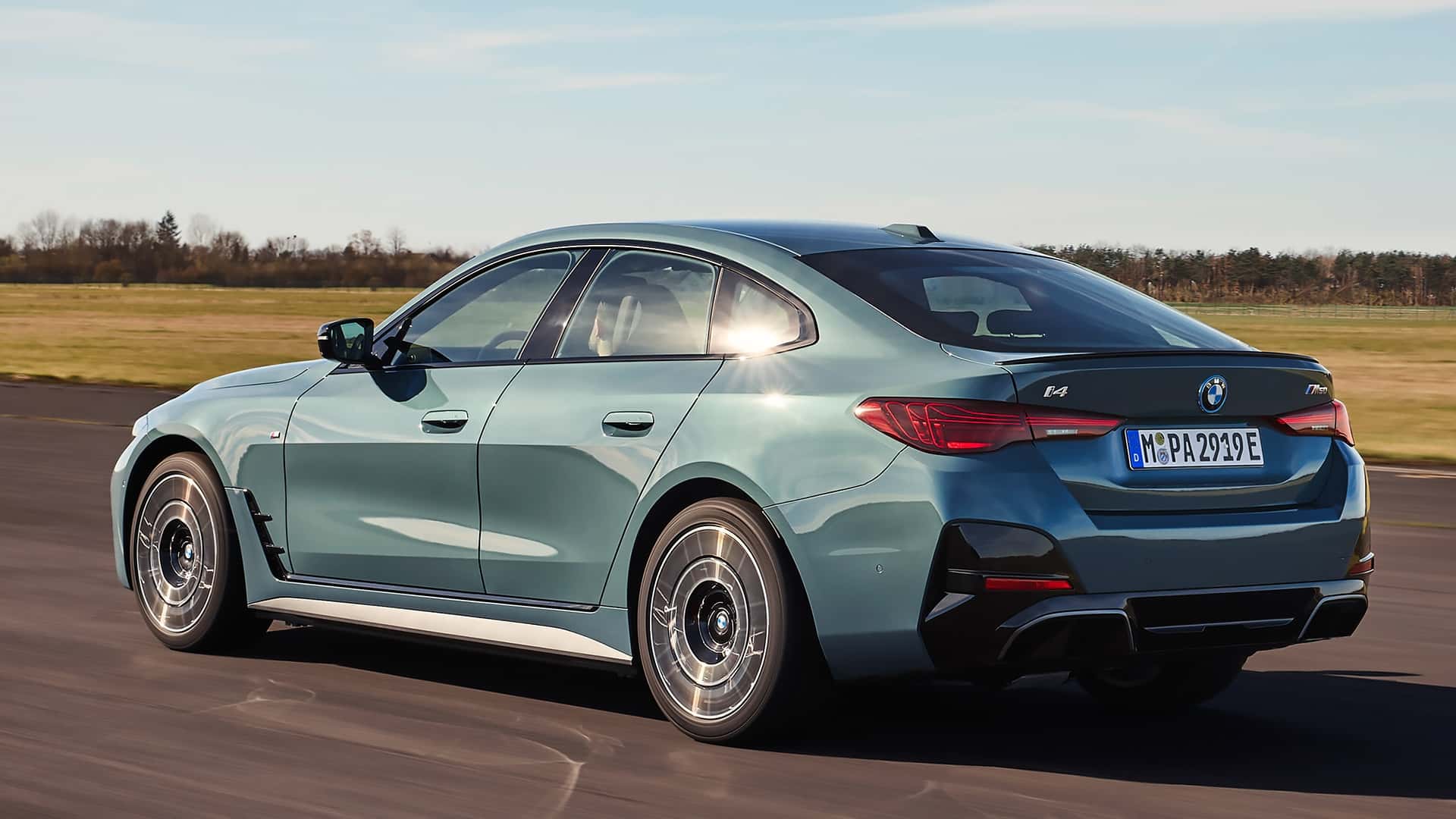
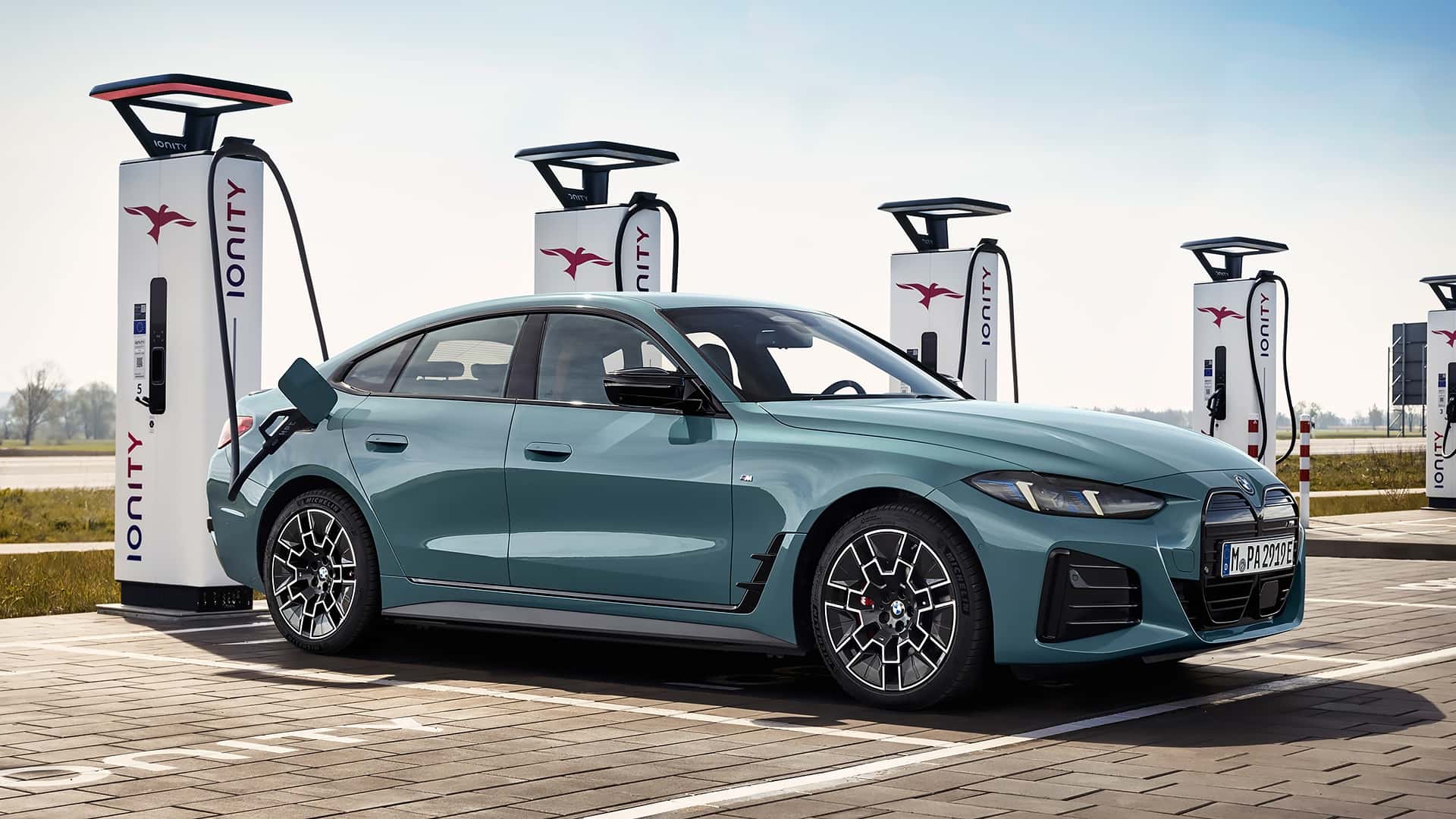
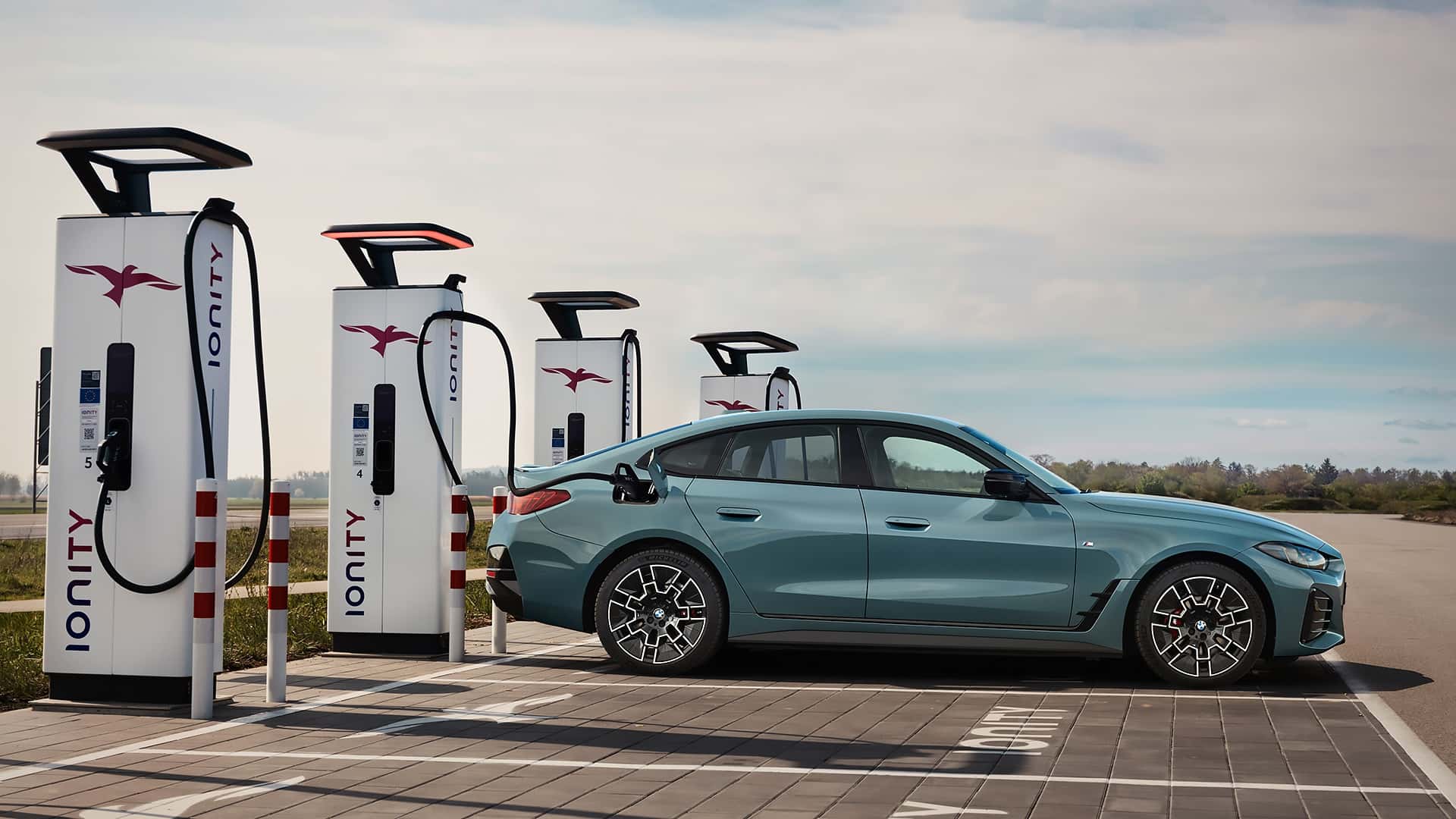
For instance, the upcoming BMW i4 showcases a design that prioritizes both visual appeal and technological sophistication, aiming to attract environmentally conscious consumers without sacrificing style. As manufacturers strive to create vehicles that are both visually stunning and technologically advanced, the focus on sustainable design will likely become a defining trend in the industry.
As we look ahead, the automotive industry is set to embrace a new era of design where aesthetics and technology coexist harmoniously. The challenge for designers will be to ensure that the vehicles not only meet consumer expectations but also set new standards for innovation and sustainability.
Technological Integration in Automotive Design
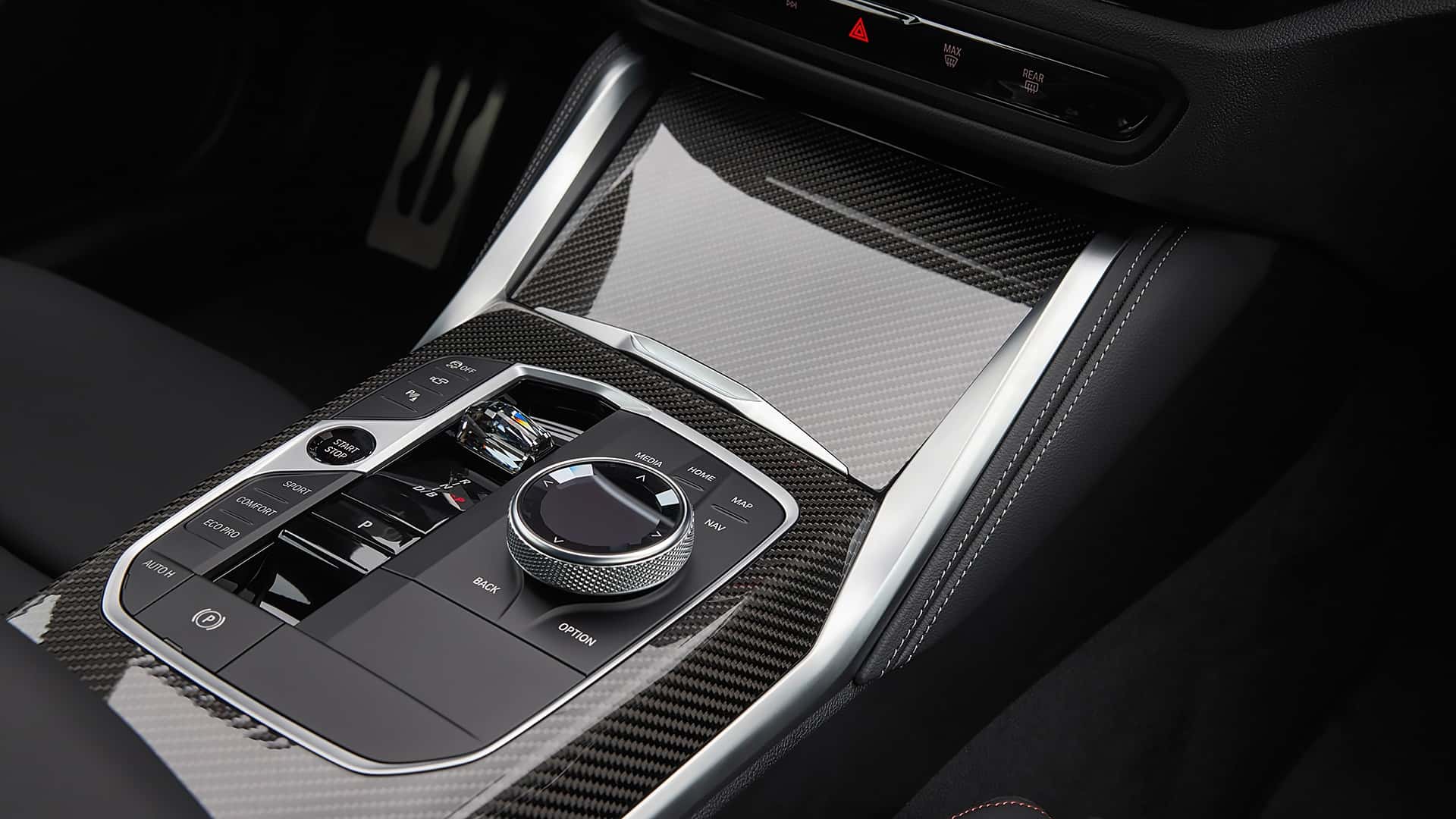
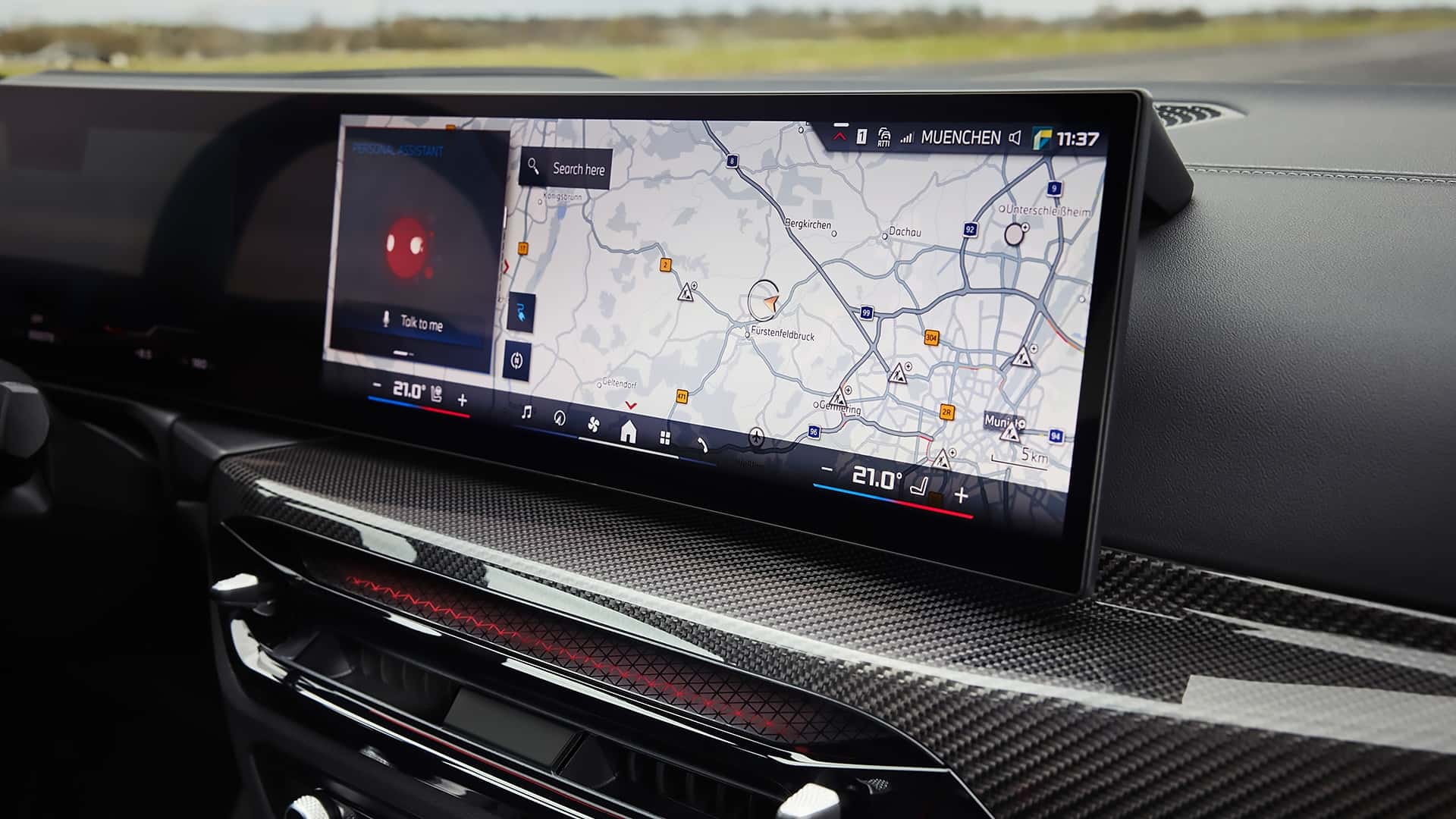
The integration of technology in automotive design is reshaping how vehicles are conceived and built. Designers are now tasked with creating vehicles that are not only visually appealing but also equipped with advanced features that enhance the driving experience. This includes everything from infotainment systems to safety technologies that are seamlessly integrated into the design.
As manufacturers continue to innovate, the focus will shift towards creating vehicles that are not just functional but also provide a unique user experience. This means that the design process will need to incorporate feedback from consumers to ensure that the final product meets their needs and expectations.
Market Trends and Consumer Preferences
Understanding market trends and consumer preferences is crucial for automotive designers. As consumers become more environmentally conscious, there is a growing demand for vehicles that are not only stylish but also sustainable. This shift in consumer behavior is prompting manufacturers to rethink their design strategies and prioritize eco-friendly materials and technologies.
In the coming years, we can expect to see a significant shift in automotive design as manufacturers respond to consumer demands for sustainability and innovation. The challenge will be to create vehicles that not only look good but also align with the values of today’s consumers, ensuring that they remain competitive in a rapidly evolving market.
Ultimately, the future of automotive design will hinge on the ability to blend aesthetics with technology, creating vehicles that are not only visually striking but also equipped with the latest advancements in automotive engineering. As designers continue to push the boundaries of what is possible, the industry will likely see a new wave of innovation that redefines the relationship between form and function.

Automotive design is evolving rapidly, with manufacturers increasingly focusing on integrating technology into their vehicles. This trend is not just about aesthetics; it’s about creating a seamless user experience that enhances the overall driving experience. As we move forward, the emphasis on innovative design will continue to shape the future of the automotive industry.
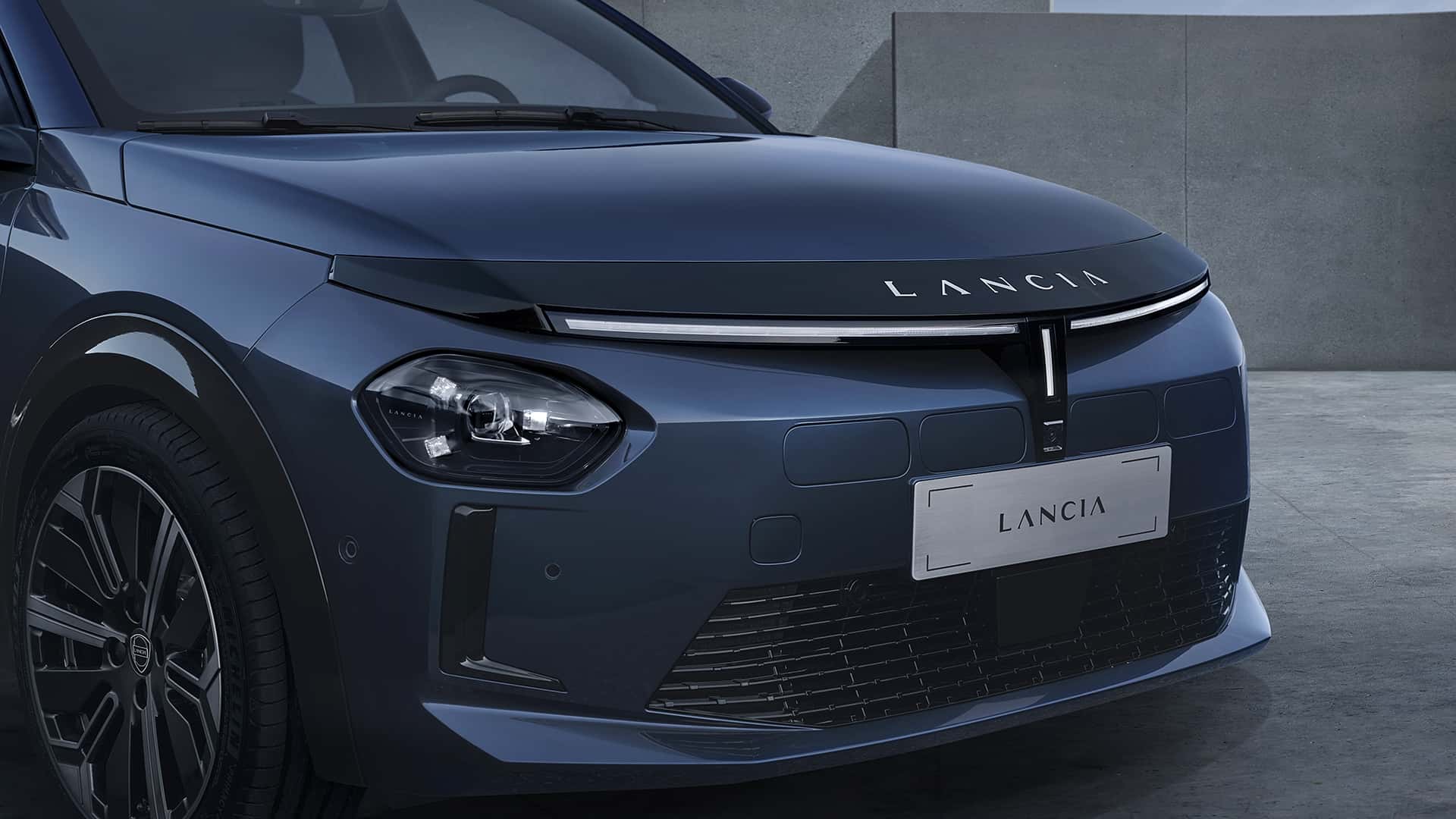
As the automotive industry continues to evolve, the integration of technology into design will play a crucial role in shaping the future of vehicles. Manufacturers will need to adapt to changing consumer preferences and market trends to remain competitive.
Conclusion: The Future of Automotive Design
The future of automotive design lies in the ability to blend aesthetics with technology, creating vehicles that are not only visually appealing but also equipped with the latest advancements. As manufacturers strive to meet consumer demands for sustainability and innovation, the design process will need to evolve to ensure that vehicles remain competitive in a rapidly changing market.
In conclusion, the automotive industry is at a pivotal moment, where the integration of technology into design is reshaping the landscape. As we look ahead, the focus will be on creating vehicles that not only look good but also align with the values of today’s consumers, ensuring that they remain relevant in an ever-evolving market.
- Designers will need to focus on creating vehicles that are not only visually appealing but also equipped with the latest technologies.
- Understanding consumer preferences will be crucial in shaping the future of automotive design.
- The integration of sustainable materials and technologies will become increasingly important in the design process.
- As the market evolves, manufacturers will need to adapt their strategies to remain competitive.
Ultimately, the future of automotive design will hinge on the ability to create vehicles that are not only beautiful but also functional and sustainable. As designers continue to innovate, the industry will likely see a new wave of creativity that redefines the relationship between aesthetics and technology.