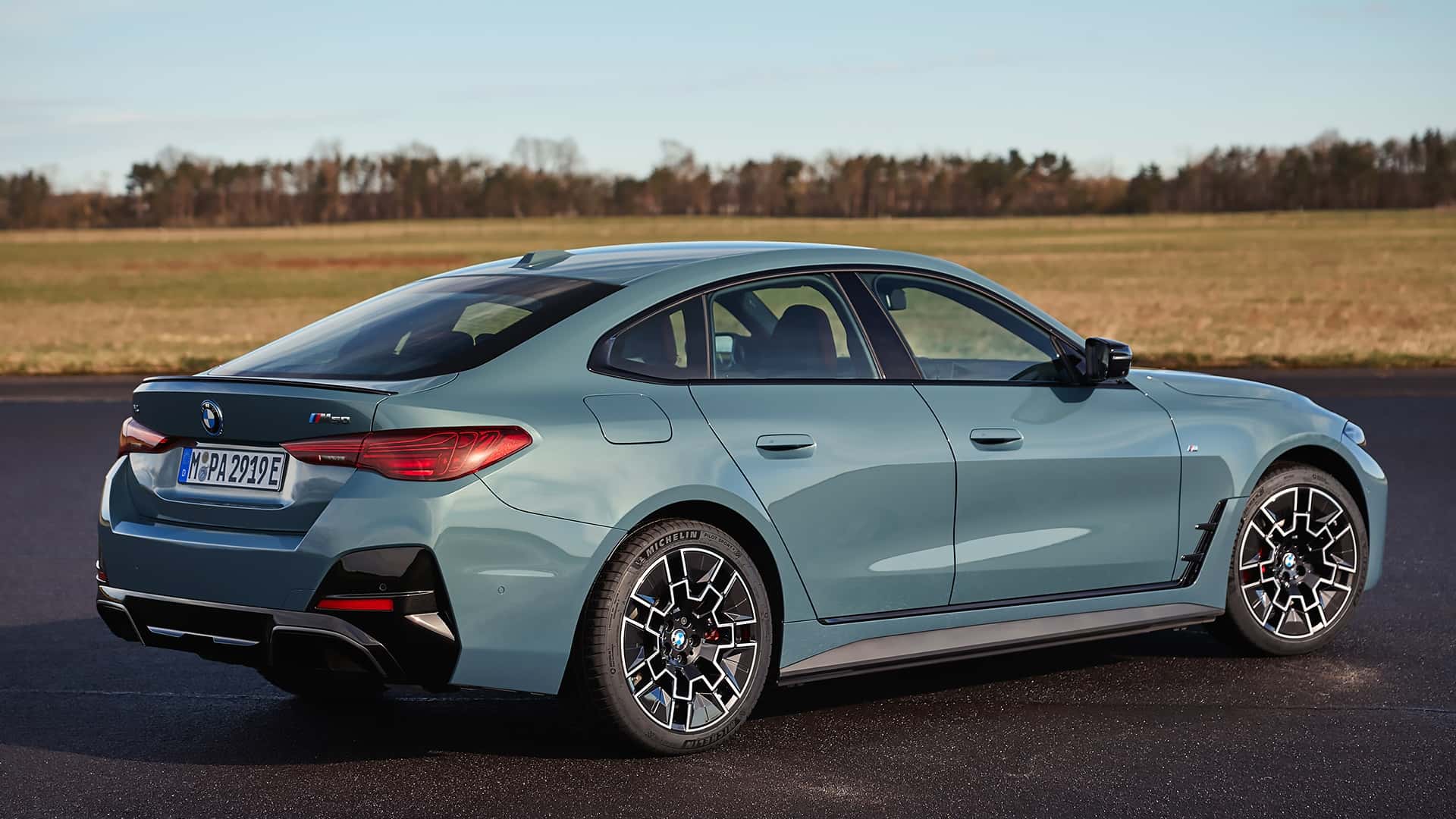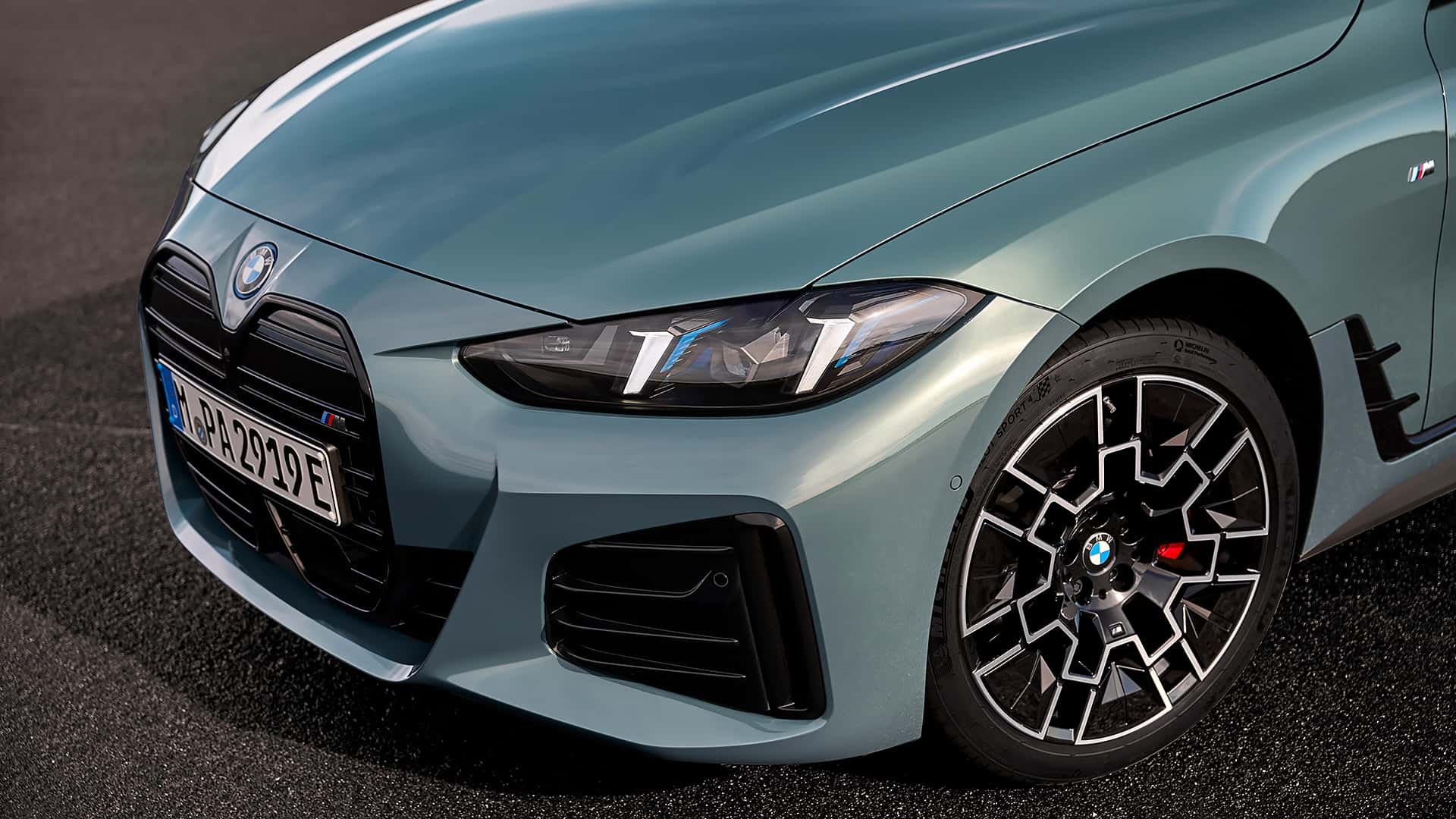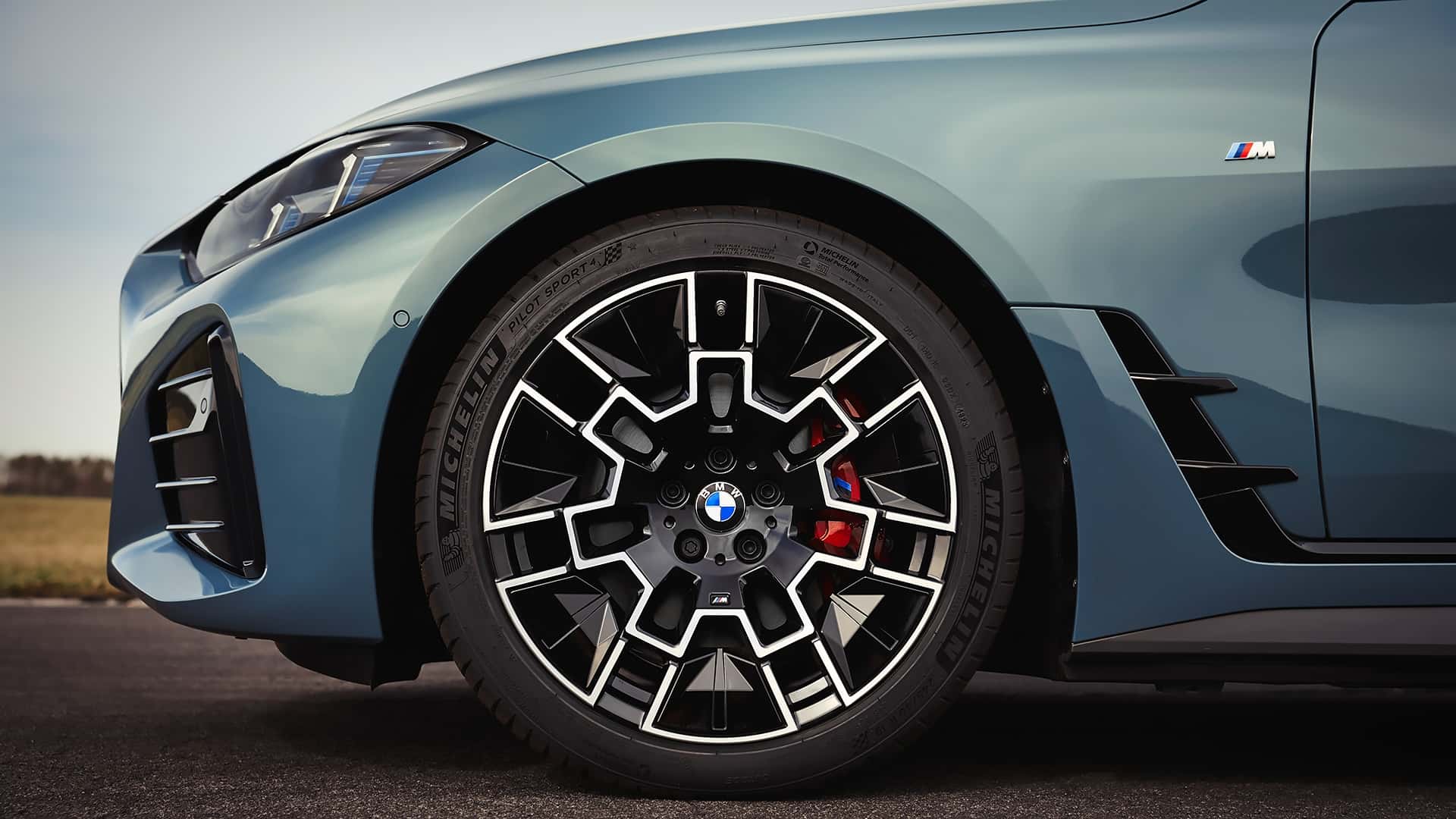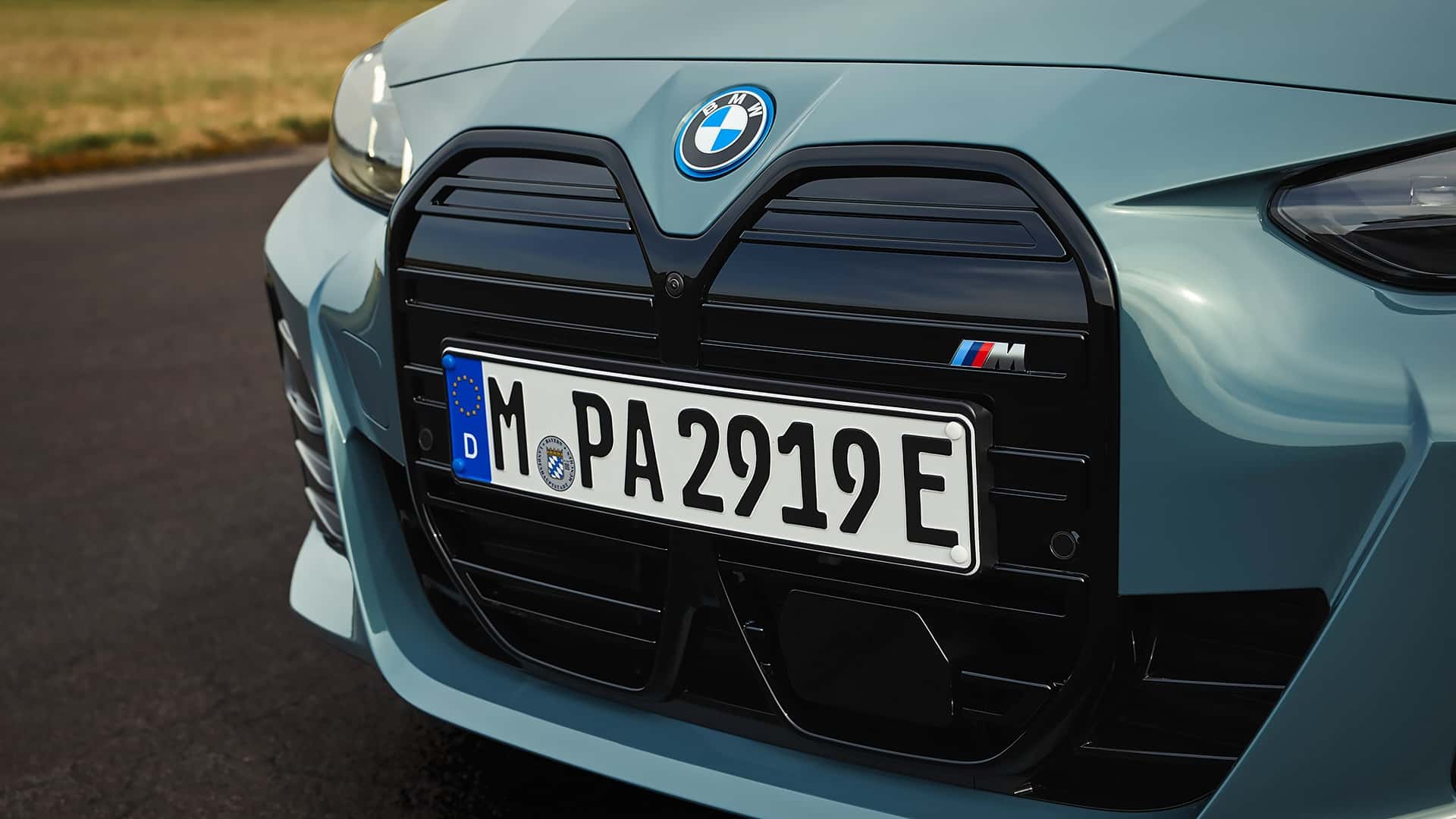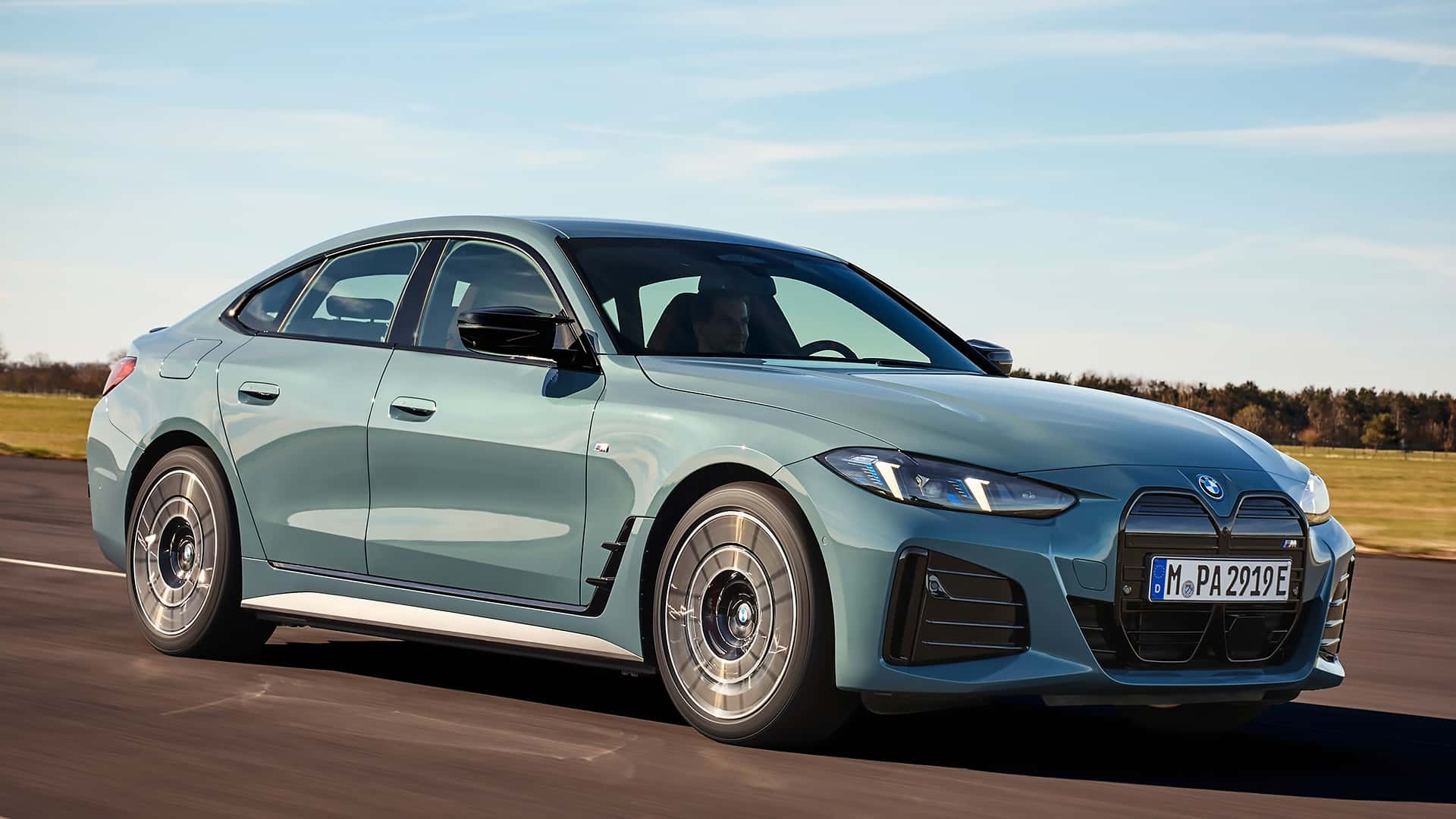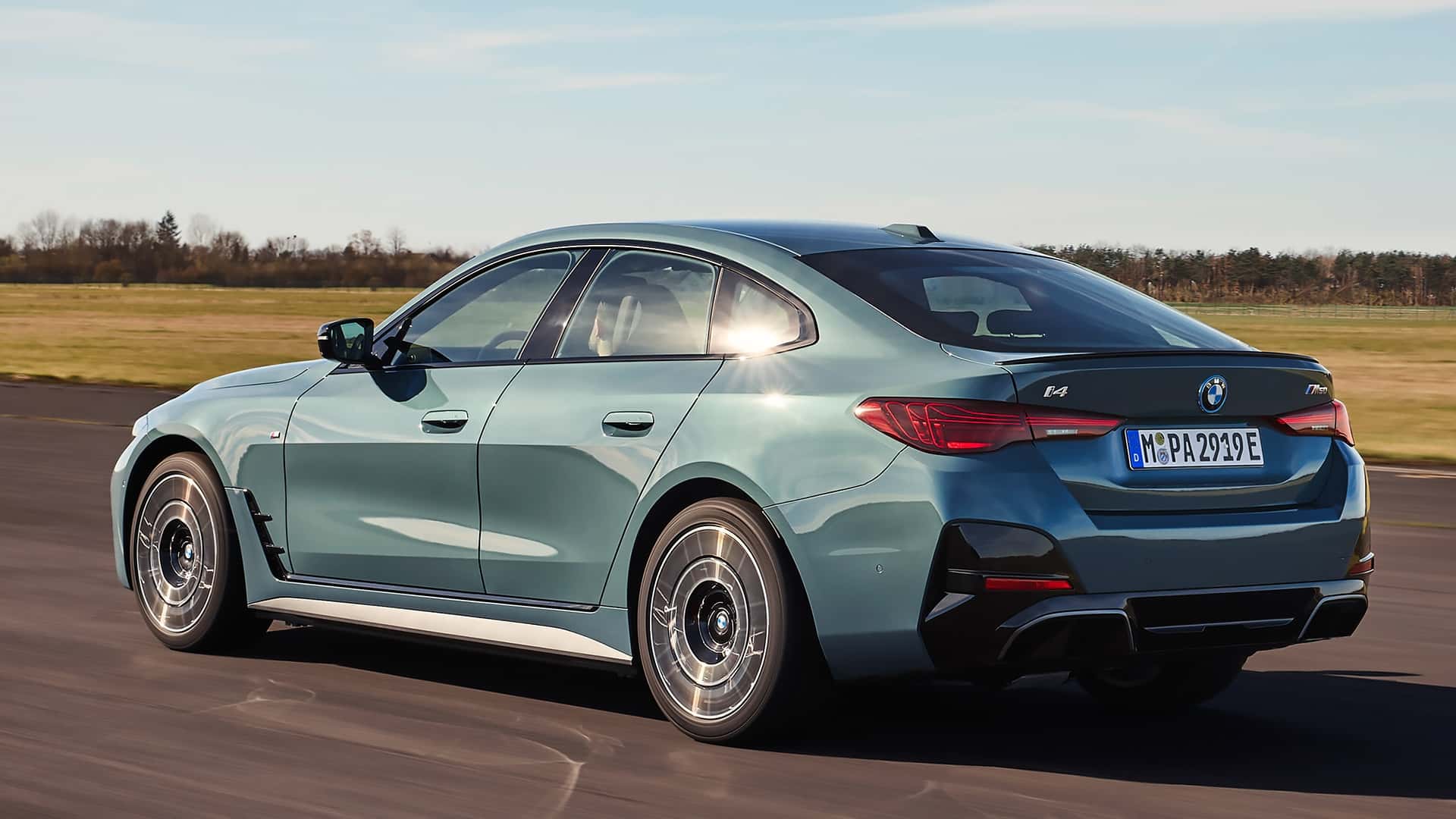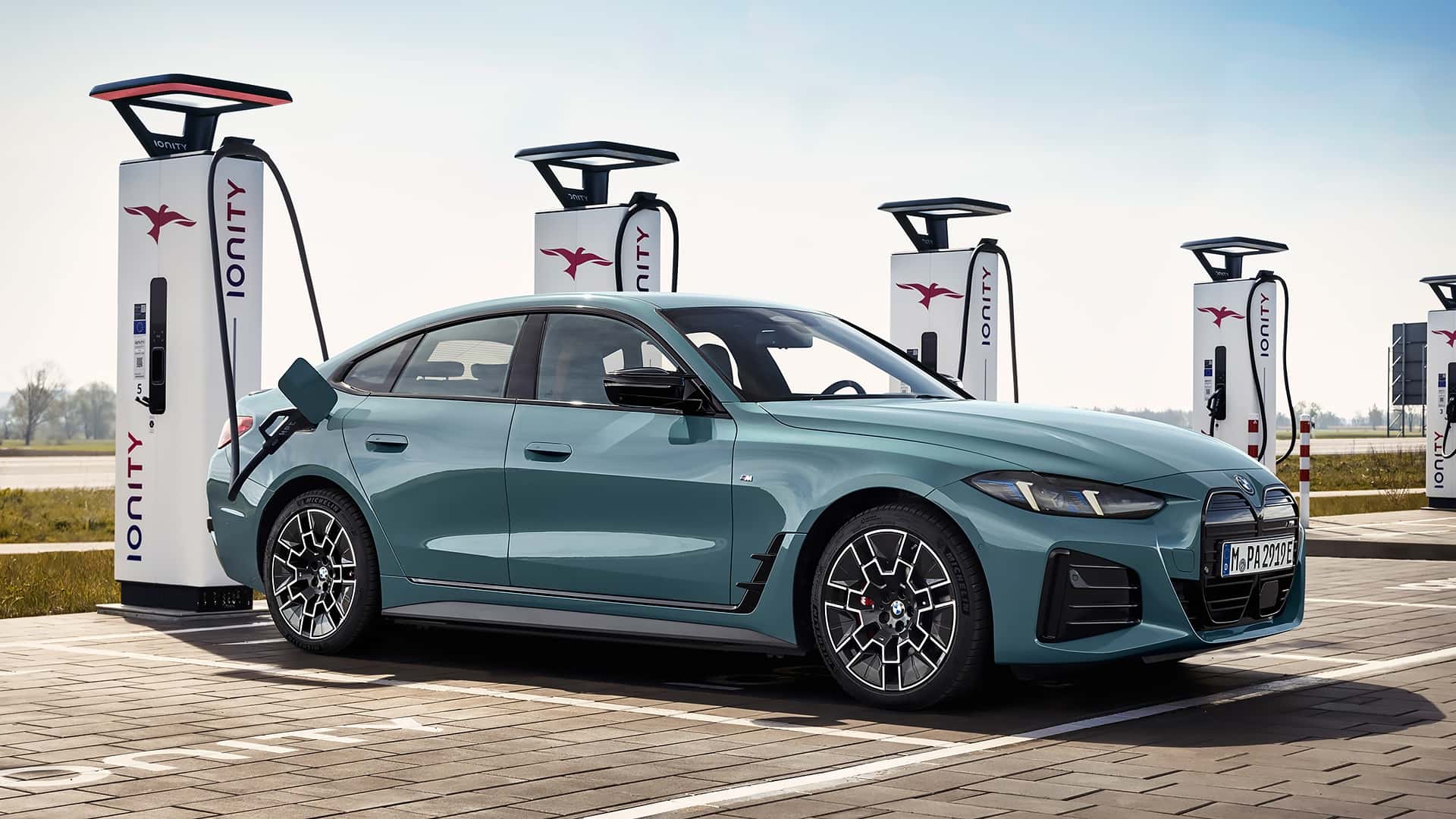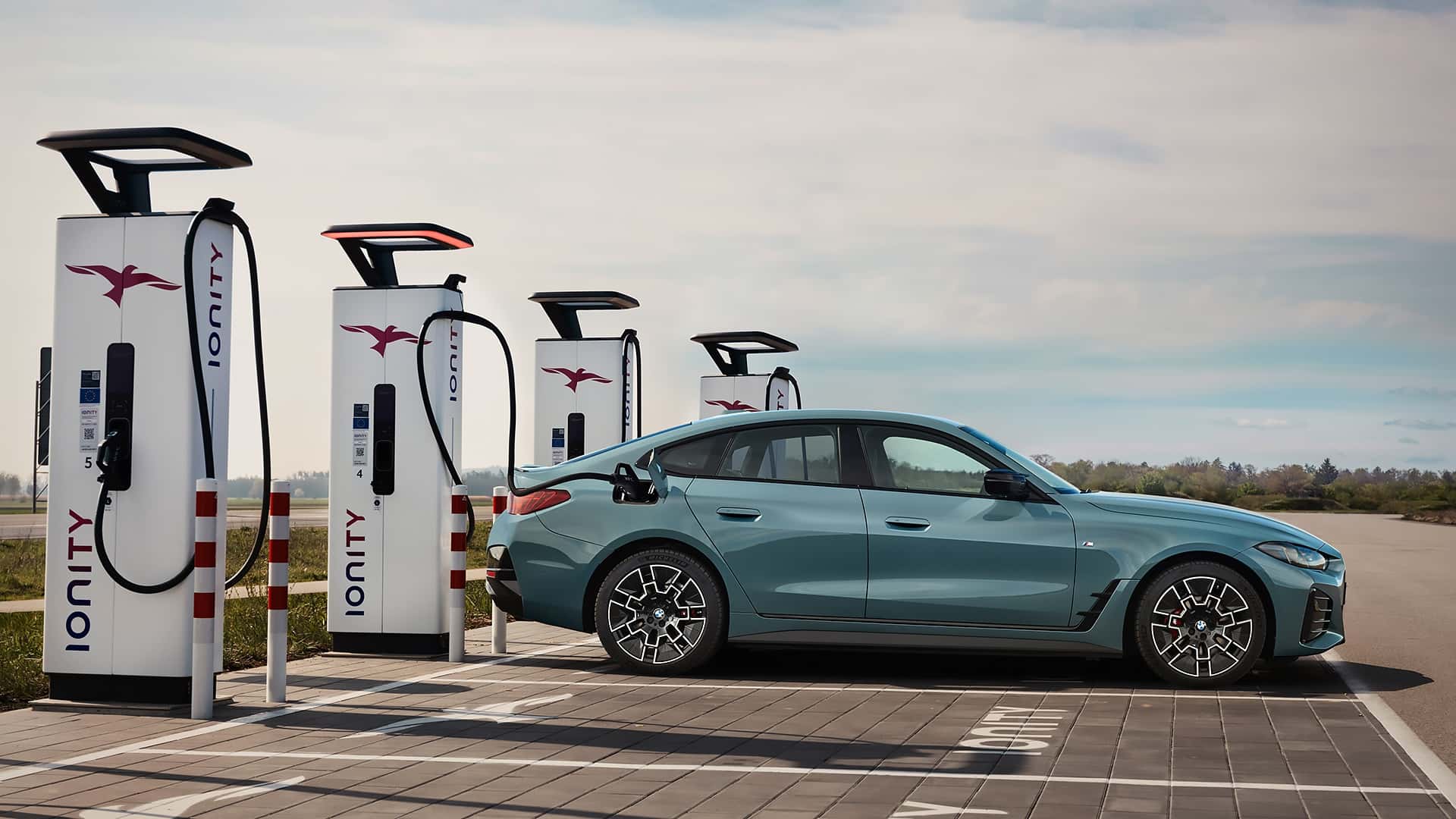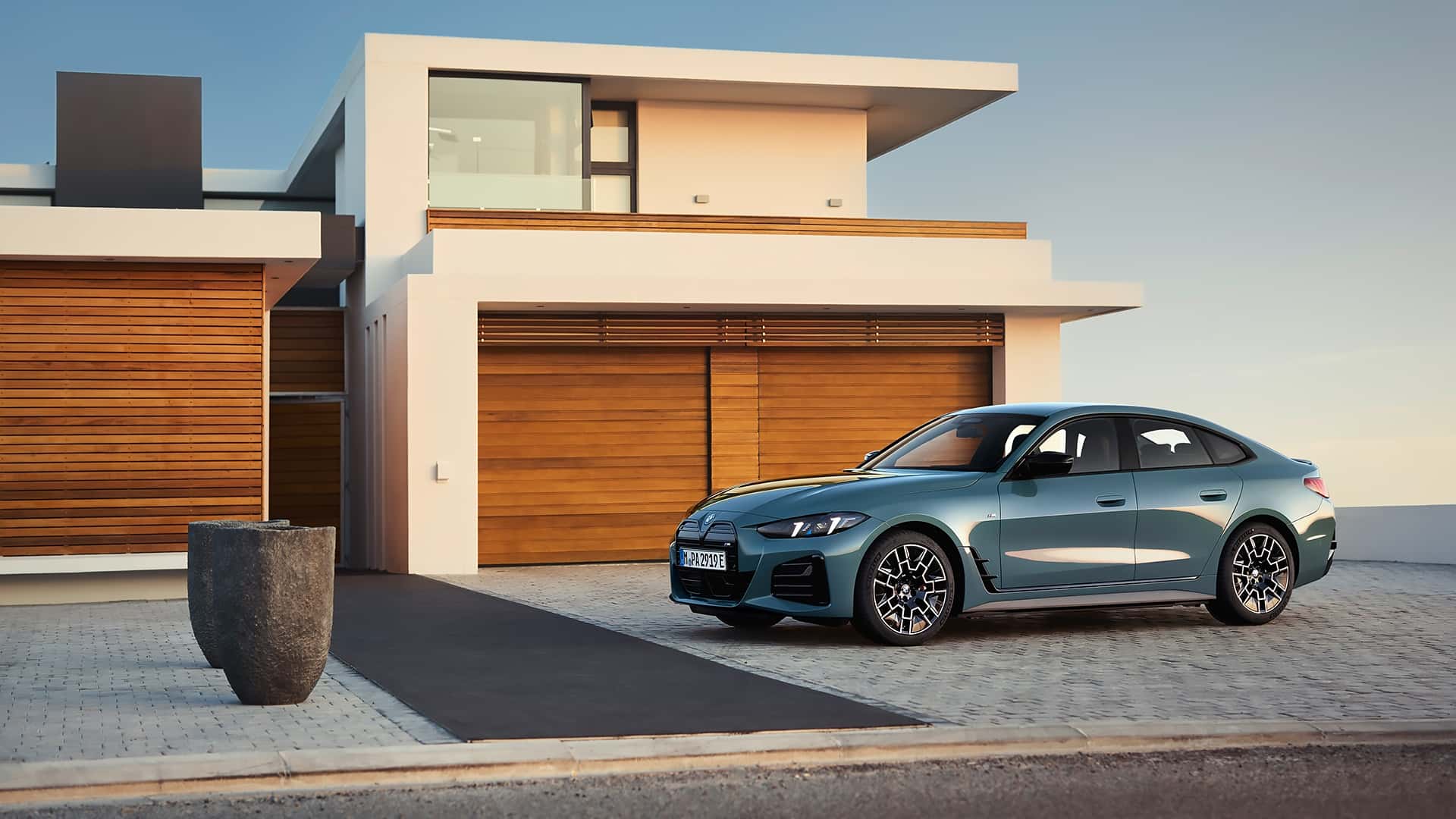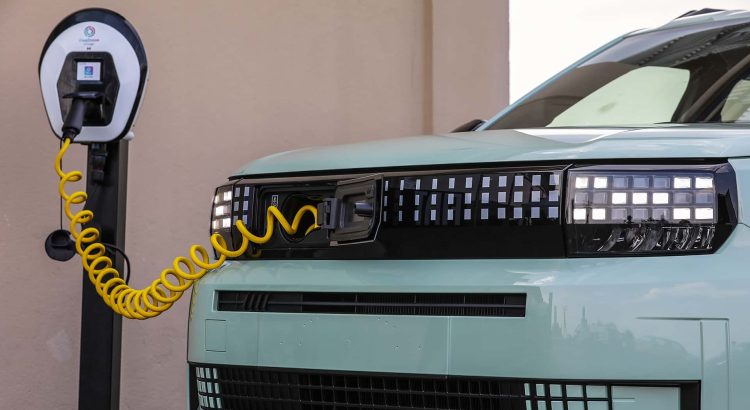
Automotive design is a field where aesthetics and technology intertwine, often leading beauty to overshadow functionality. However, it is crucial for automotive designers to not be swayed solely by appearance, but also to consider the engineering behind each vehicle. The aesthetics of automotive design should reflect the technology that supports it, rather than being merely a visual whim.
In the case of electric vehicles (EVs), the way design elements are integrated can influence consumer perception of product quality and innovation. The aesthetics of an electric car must be attractive and modern, but it should also communicate its efficiency and sustainability. Designers must find a balance between form and function, ensuring that beauty does not compromise the vehicle’s performance and safety.
Examples of Automotive Design: The Aesthetics of Electric Vehicles
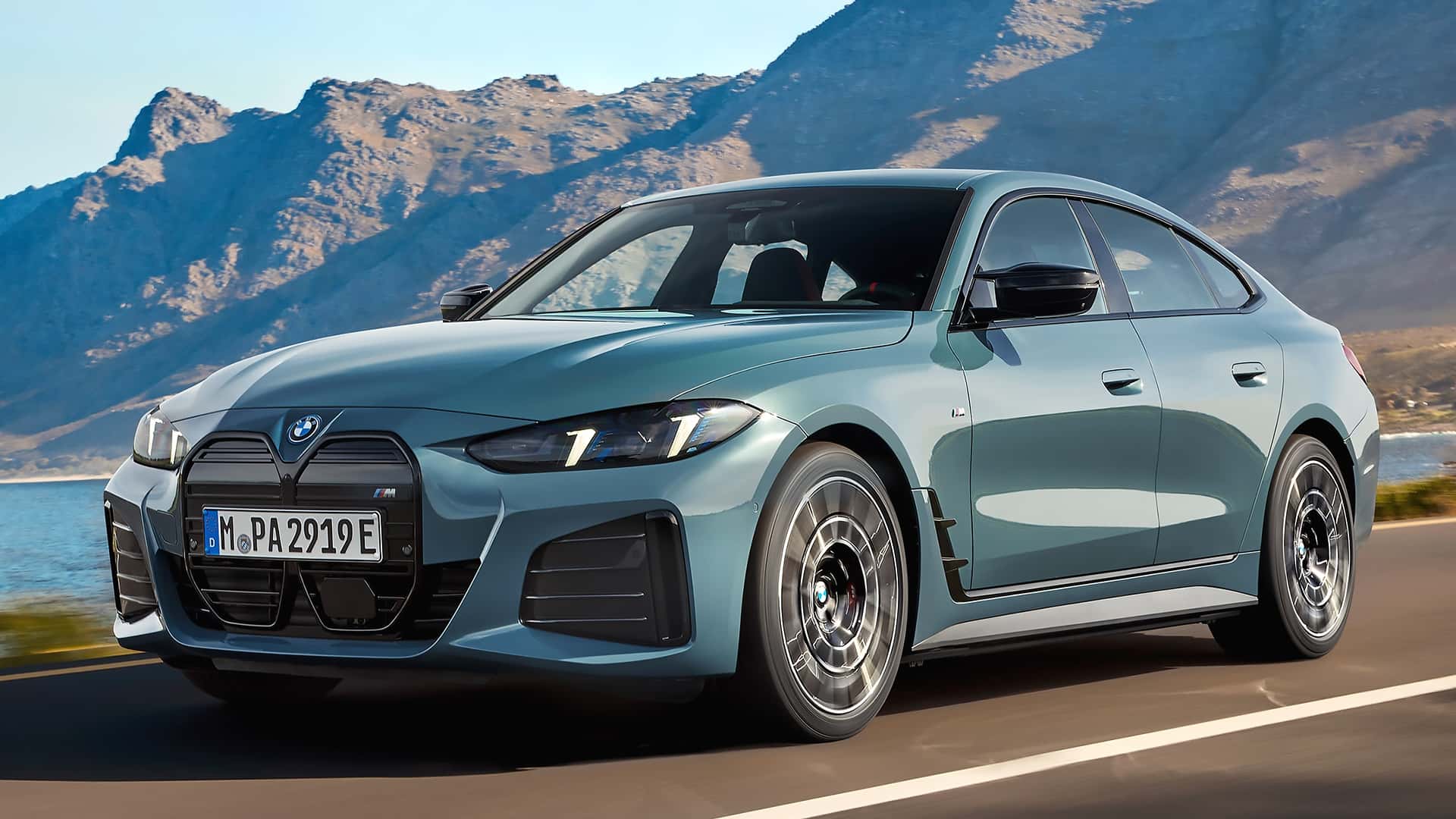
Electric car designs have evolved to reflect a more sustainable approach. Manufacturers have begun adopting cleaner, more aerodynamic shapes that are not only visually appealing but also enhance energy efficiency. The aesthetics of an electric vehicle should be a reflection of its advanced technology, not just a visual whim. Designers must ensure that beauty does not compromise the vehicle’s performance and safety.
On the other hand, electric vehicles have started to embrace a more sustainable approach. This includes the integration of recycled materials and cleaner production processes, which not only benefit the environment but can also improve consumer perception of the brand. The aesthetics of an electric vehicle should be a reflection of its advanced technology, not just a visual whim.

The aesthetics of electric cars must reflect their advanced technology, not just a visual whim. Designers must ensure that beauty does not compromise the vehicle’s performance and safety. The aesthetics of an electric vehicle should be a reflection of its advanced technology, not just a visual whim.
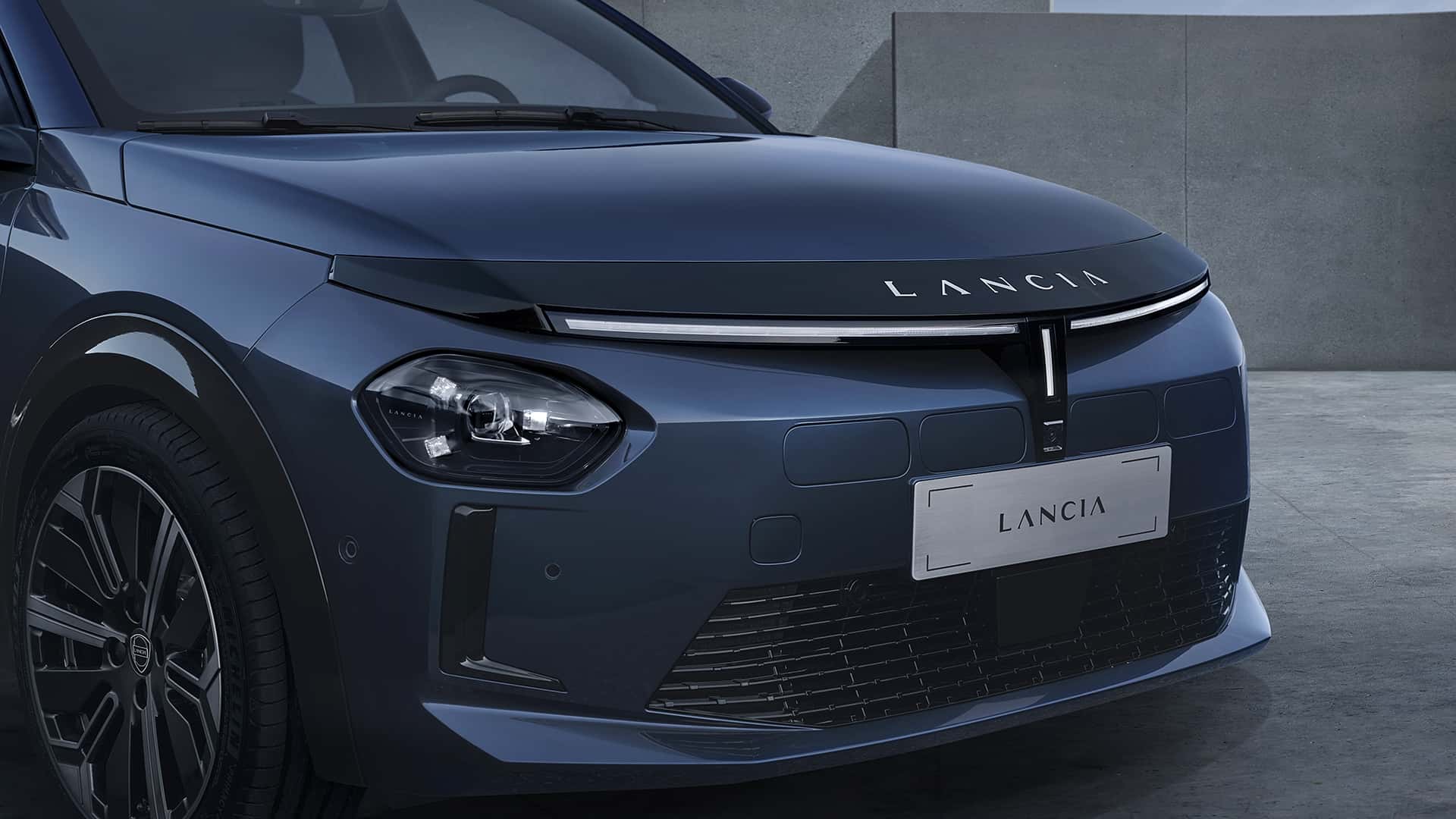
The aesthetics of electric vehicles, like the 2024 Lancia Ypsilon, must be attractive and modern, but they should also communicate efficiency and sustainability. Designers must find a balance between form and function, ensuring that beauty does not compromise the vehicle’s performance and safety.
Conclusion on Design: The Aesthetics of Electric Vehicles
Design should reflect the technology that supports it, not just be a visual whim. The aesthetics of an electric vehicle must be a reflection of its advanced technology, not just a visual whim. Designers must ensure that beauty does not compromise the vehicle’s performance and safety, and that the aesthetics of electric vehicles reflect their advanced technology.
In conclusion, electric vehicles should be designed with a focus on sustainability and efficiency, not just appearance. The aesthetics of an electric vehicle must be a reflection of its advanced technology, not just a visual whim. Designers must ensure that beauty does not compromise the vehicle’s performance and safety, and that the aesthetics of electric vehicles reflect their advanced technology.

The 2024 Audi Q4 35 e-tron exemplifies how aesthetics and technology can coexist harmoniously. The way design elements are integrated can influence consumer perception of product quality and innovation. The aesthetics of an electric vehicle must be attractive and modern, but it should also communicate its efficiency and sustainability.

The 2026 Tesla Model 3 Standard is another example of how aesthetics and technology can coexist harmoniously. The way design elements are integrated can influence consumer perception of product quality and innovation. The aesthetics of an electric vehicle must be attractive and modern, but it should also communicate its efficiency and sustainability.
Final Thoughts on Design: The Aesthetics of Electric Vehicles
Automotive design is a field where aesthetics and technology intertwine, often leading beauty to overshadow functionality. However, it is crucial for automotive designers to not be swayed solely by appearance, but also to consider the engineering behind each vehicle. The aesthetics of automotive design should reflect the technology that supports it, rather than being merely a visual whim.
In conclusion, electric vehicles should be designed with a focus on sustainability and efficiency, not just appearance. The aesthetics of an electric vehicle must be a reflection of its advanced technology, not just a visual whim. Designers must ensure that beauty does not compromise the vehicle’s performance and safety, and that the aesthetics of electric vehicles reflect their advanced technology.

The 2024 Citroën C3 is an example of how aesthetics and technology can coexist harmoniously. The way design elements are integrated can influence consumer perception of product quality and innovation. The aesthetics of an electric vehicle must be attractive and modern, but it should also communicate its efficiency and sustainability.

The BMW 7 is another example of how aesthetics and technology can coexist harmoniously. The way design elements are integrated can influence consumer perception of product quality and innovation. The aesthetics of an electric vehicle must be attractive and modern, but it should also communicate its efficiency and sustainability.
Conclusions: The Aesthetics of Electric Vehicles in the Future
The aesthetics of electric vehicles must reflect their advanced technology, not just a visual whim. Designers must ensure that beauty does not compromise the vehicle’s performance and safety, and that the aesthetics of electric vehicles reflect their advanced technology.
In conclusion, electric vehicles should be designed with a focus on sustainability and efficiency, not just appearance. The aesthetics of an electric vehicle must be a reflection of its advanced technology, not just a visual whim. Designers must ensure that beauty does not compromise the vehicle’s performance and safety, and that the aesthetics of electric vehicles reflect their advanced technology.