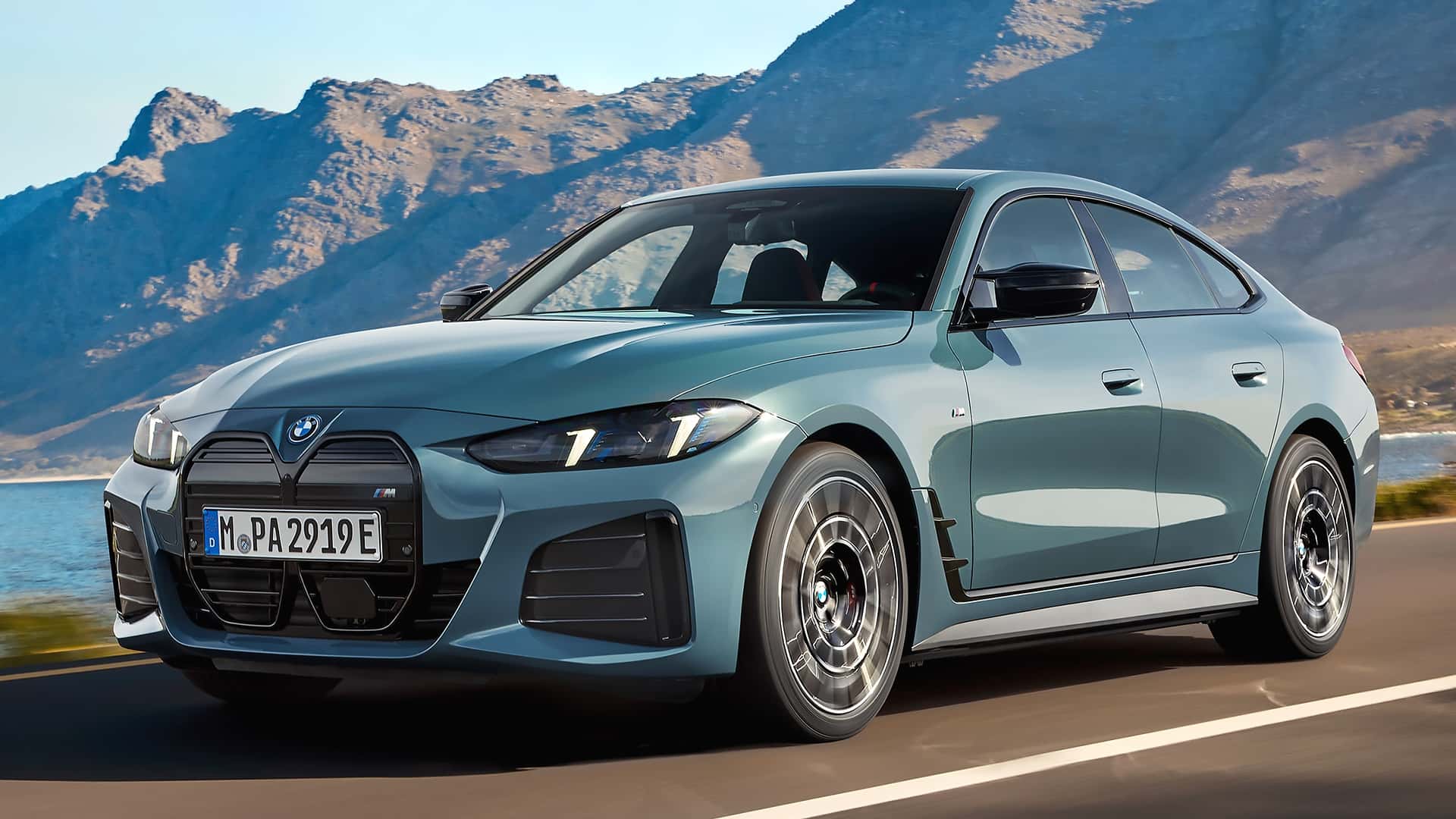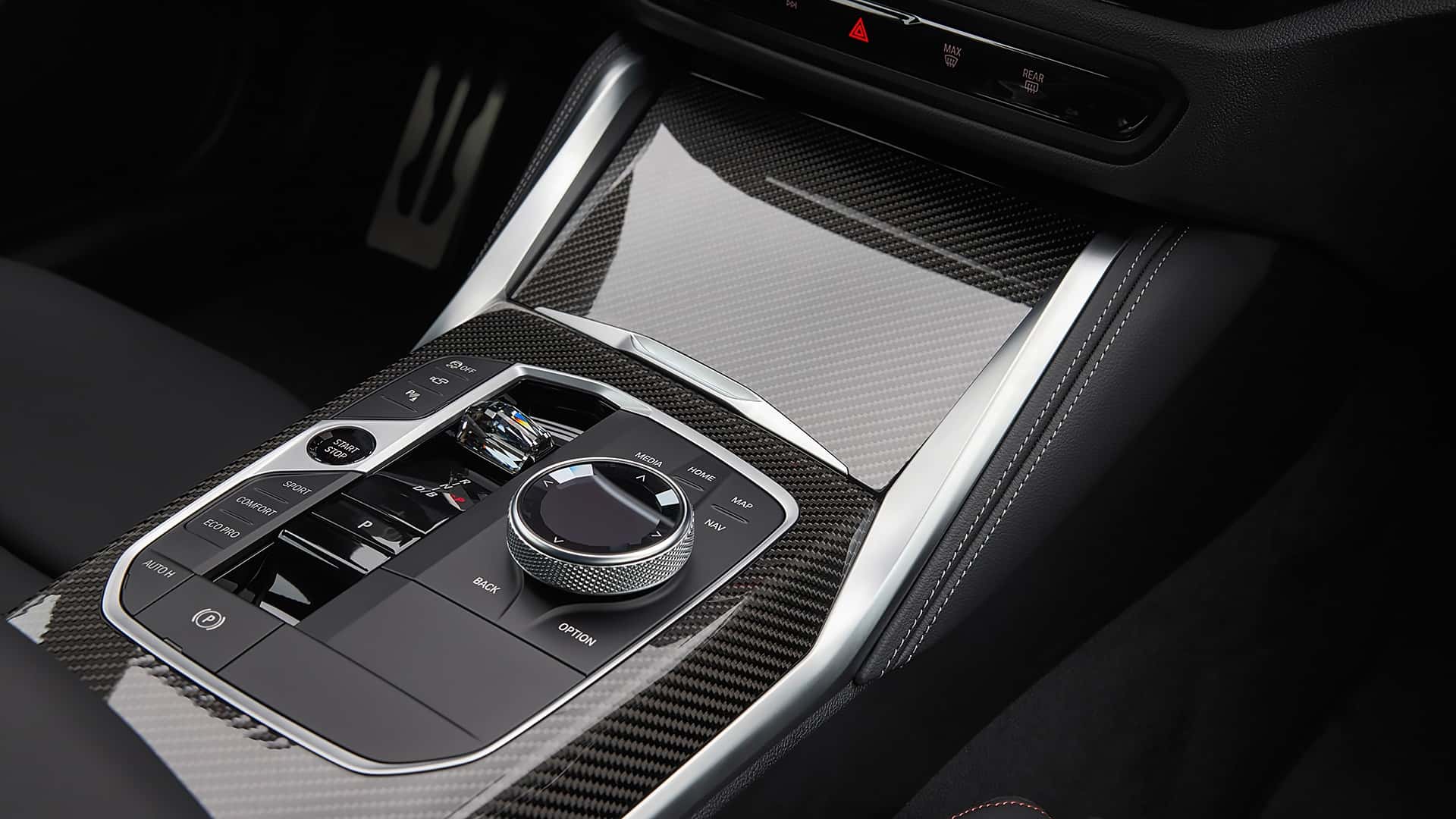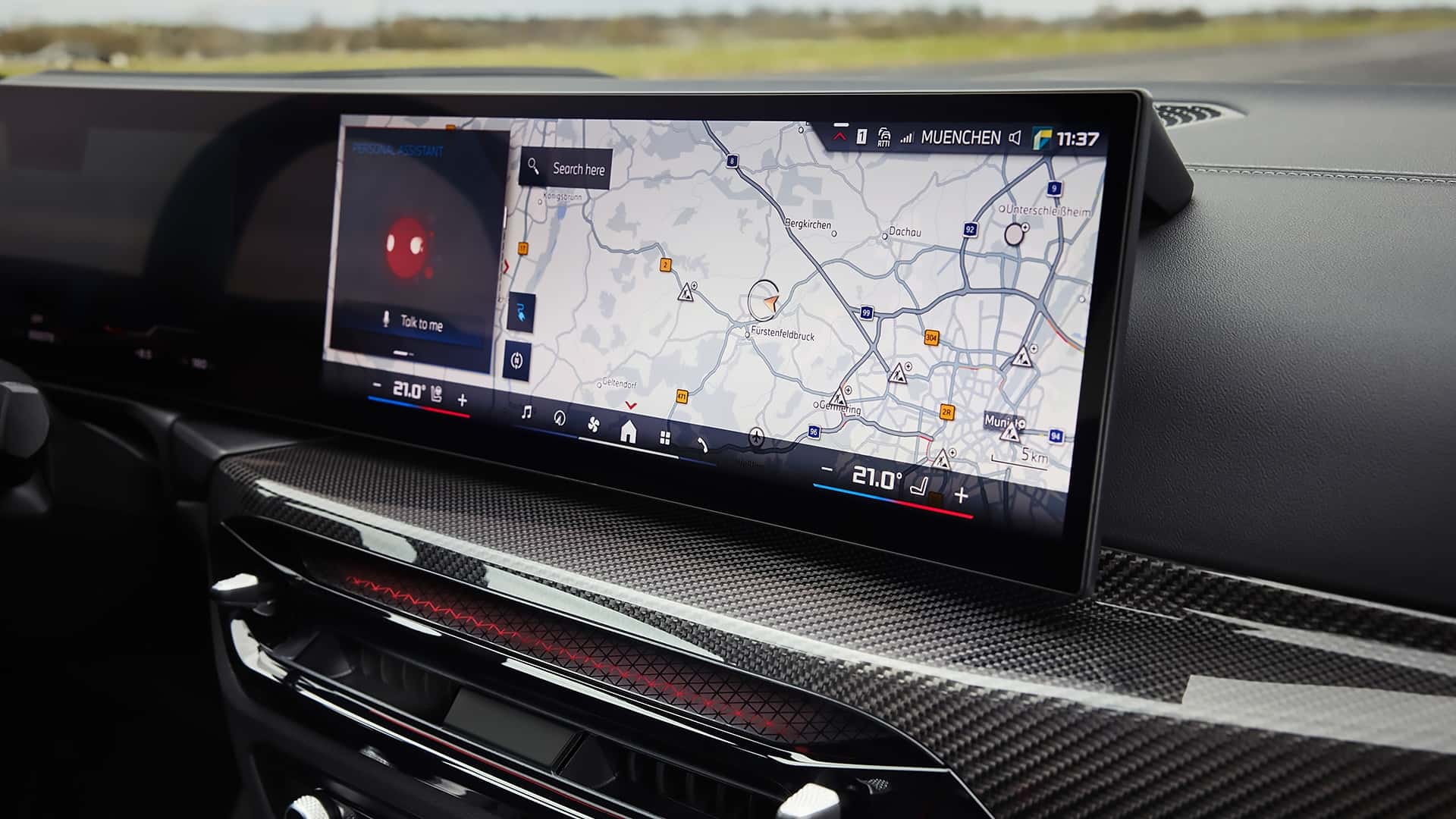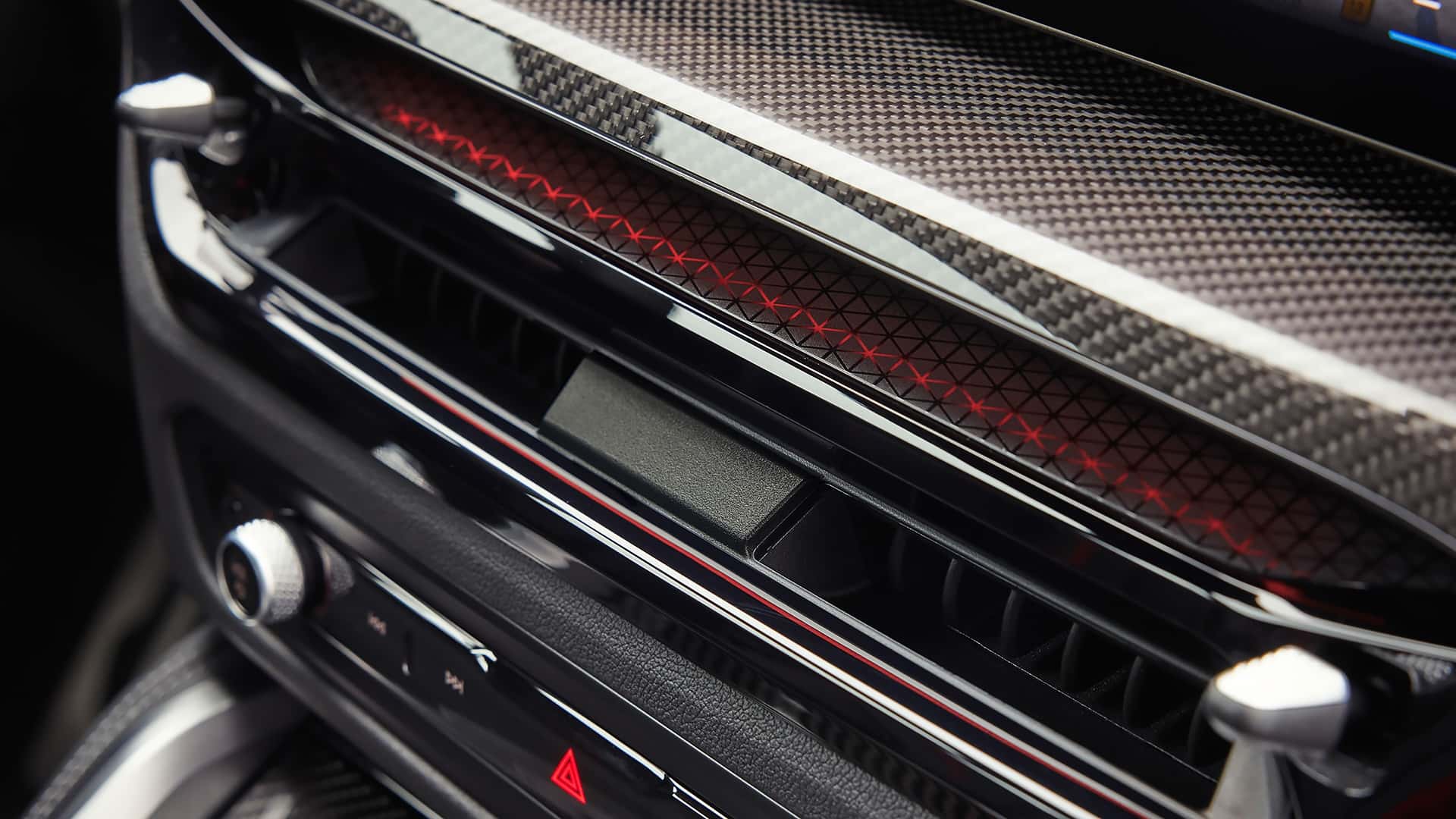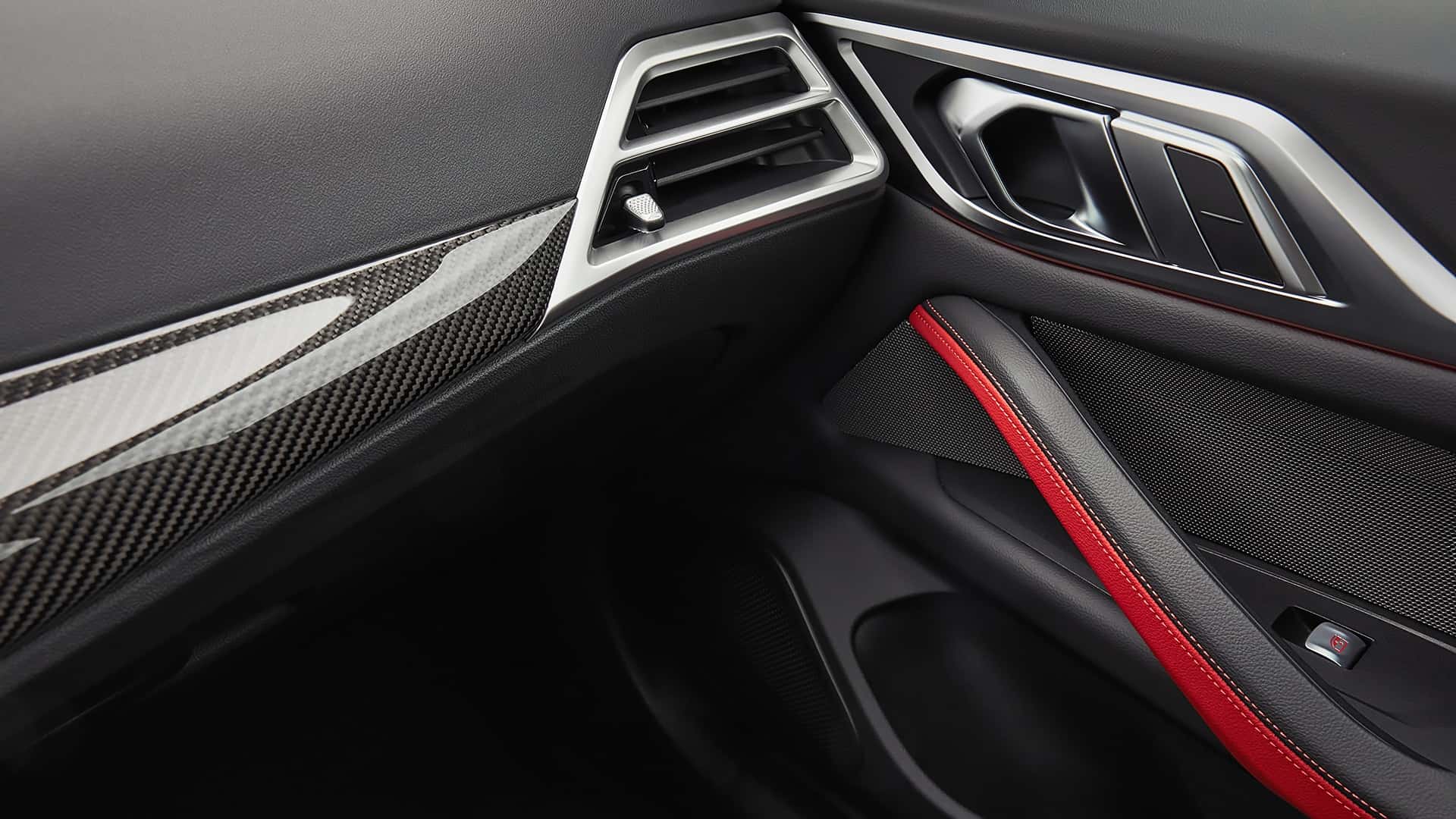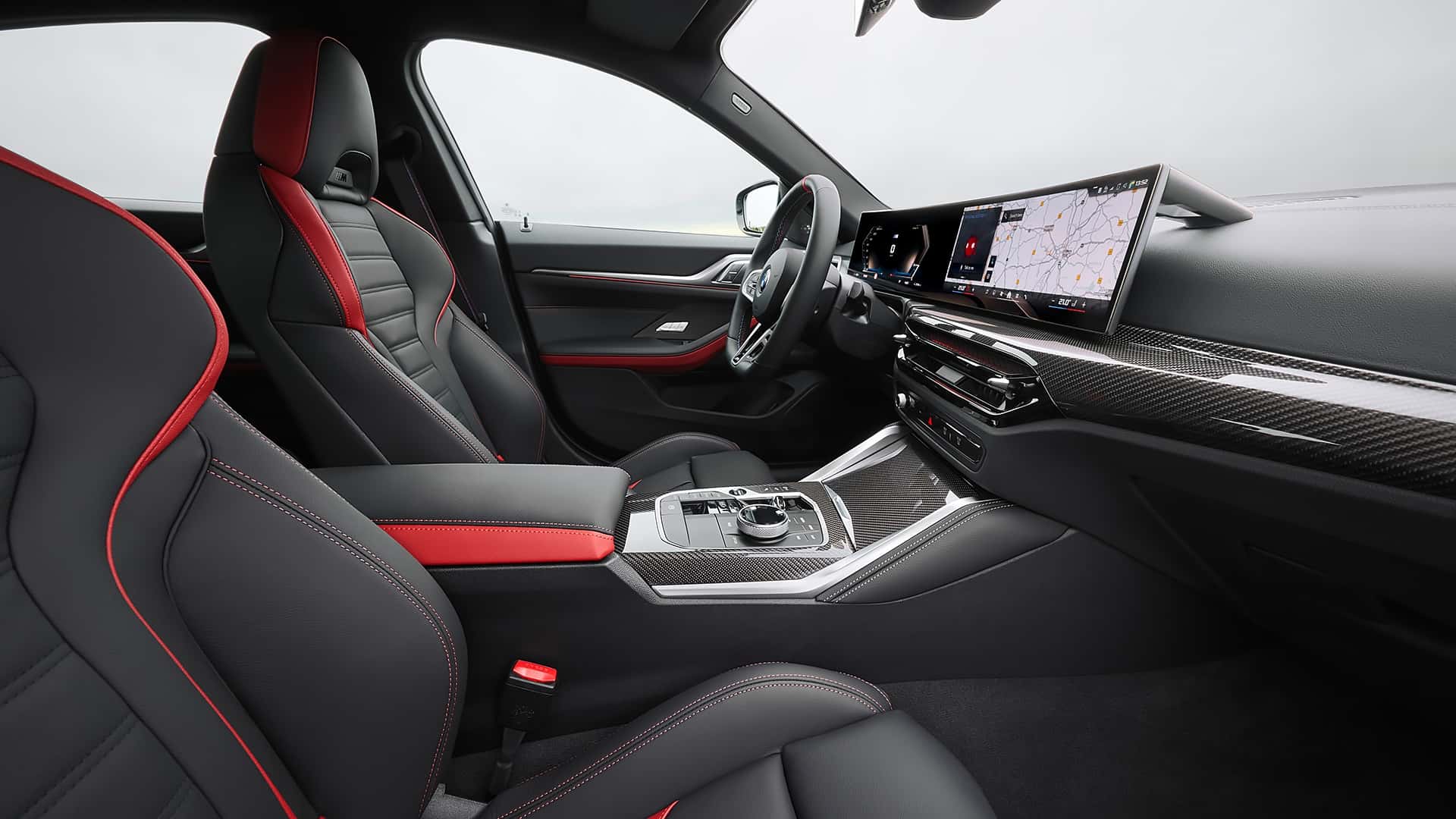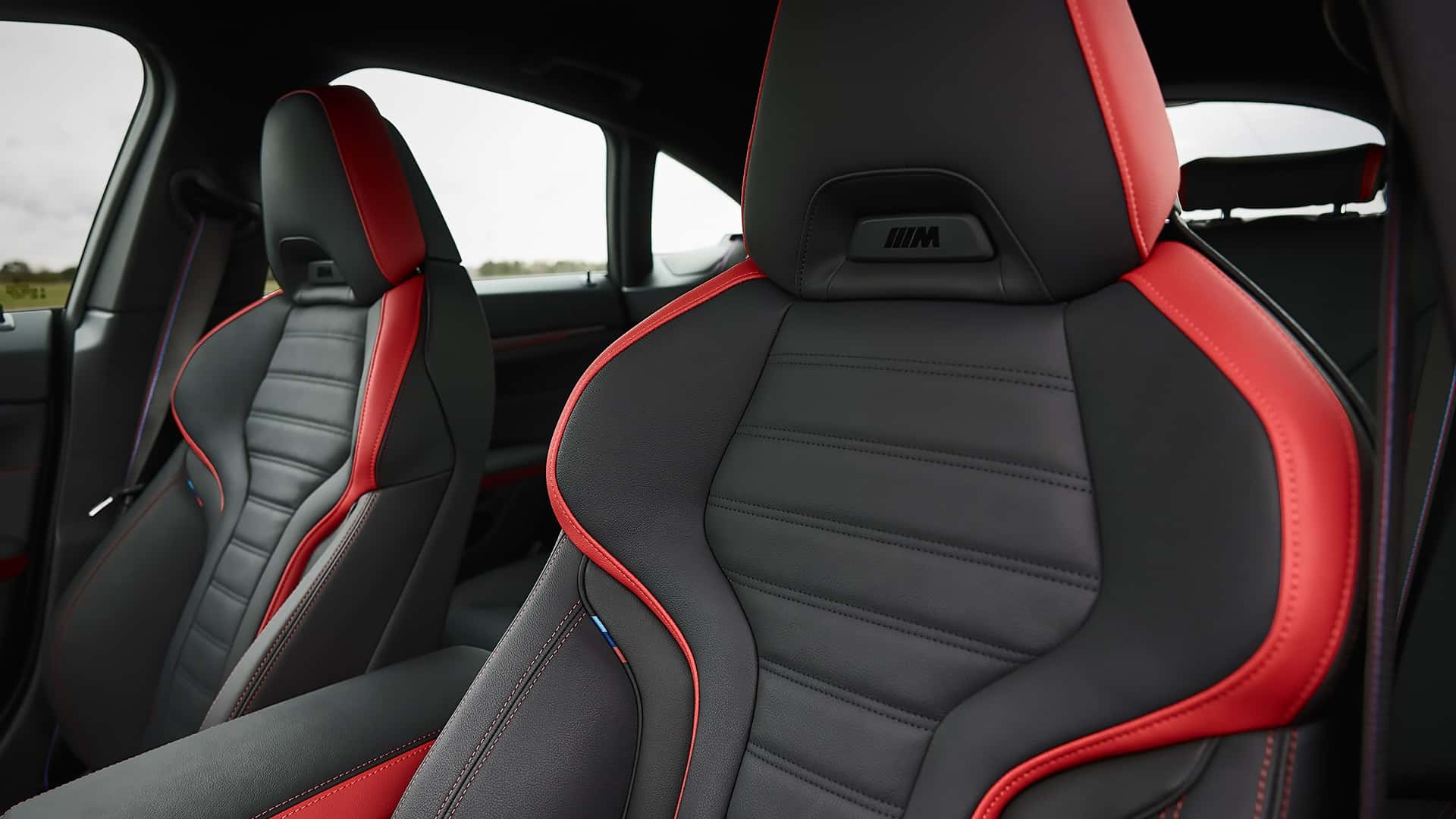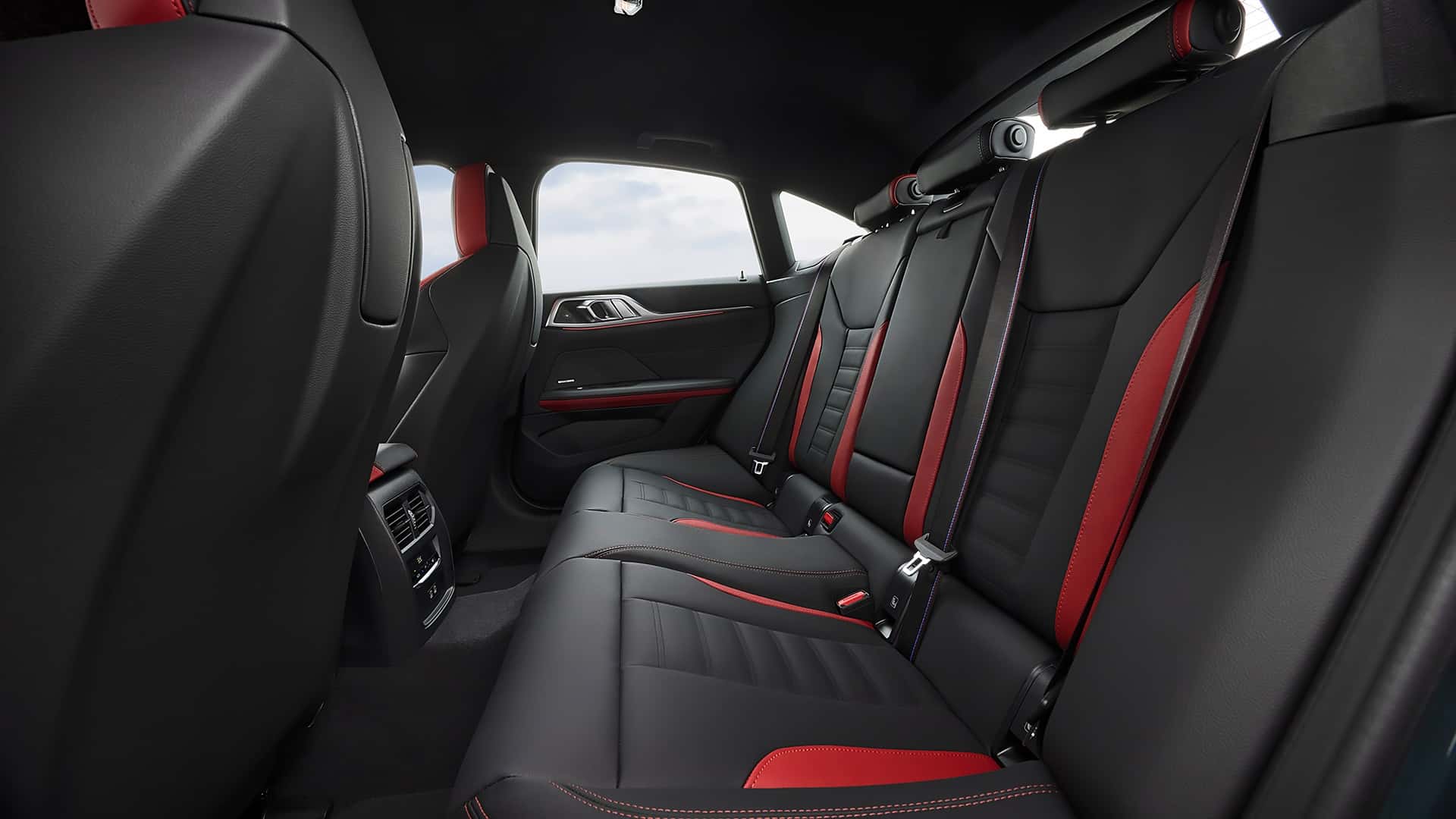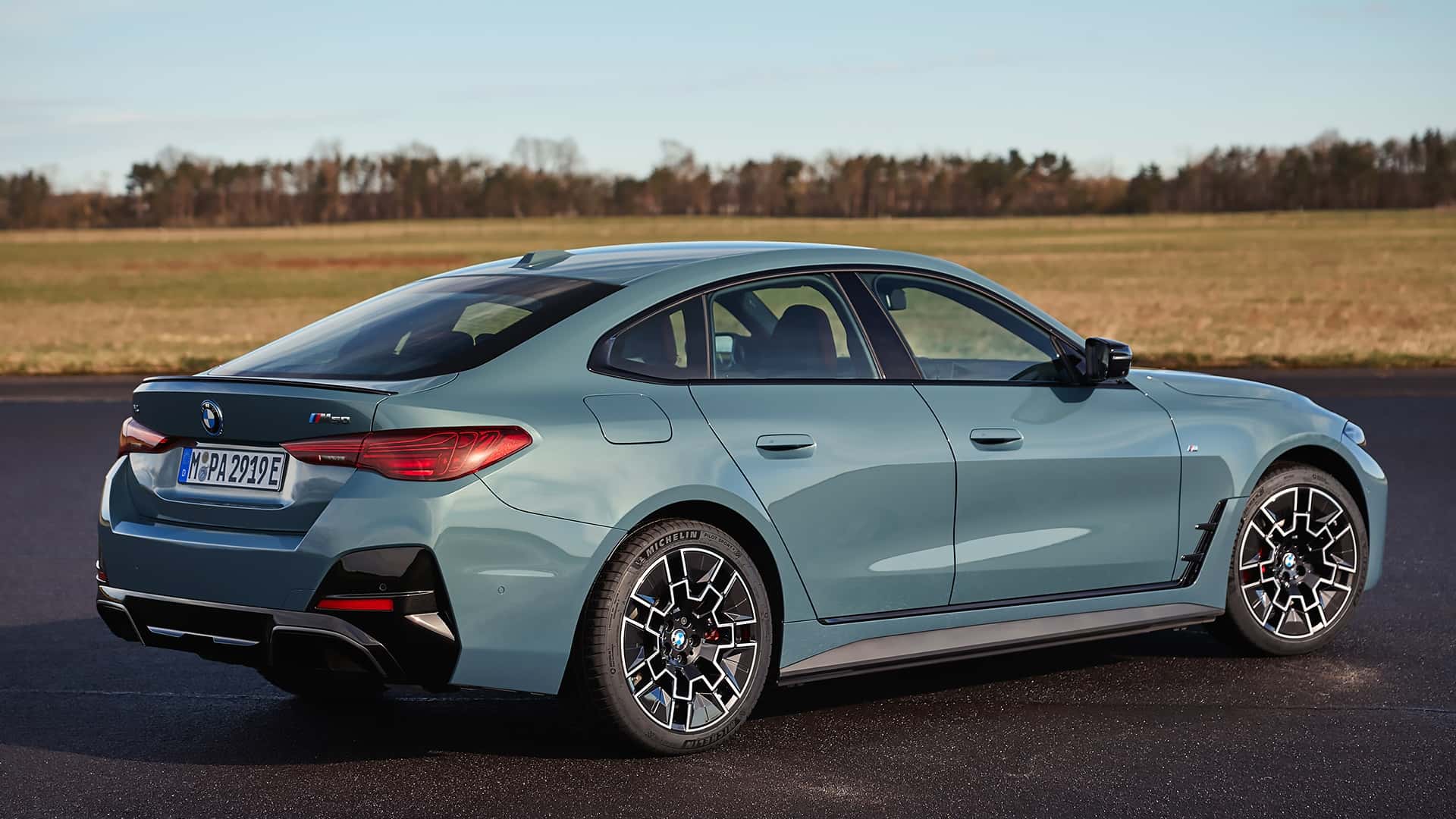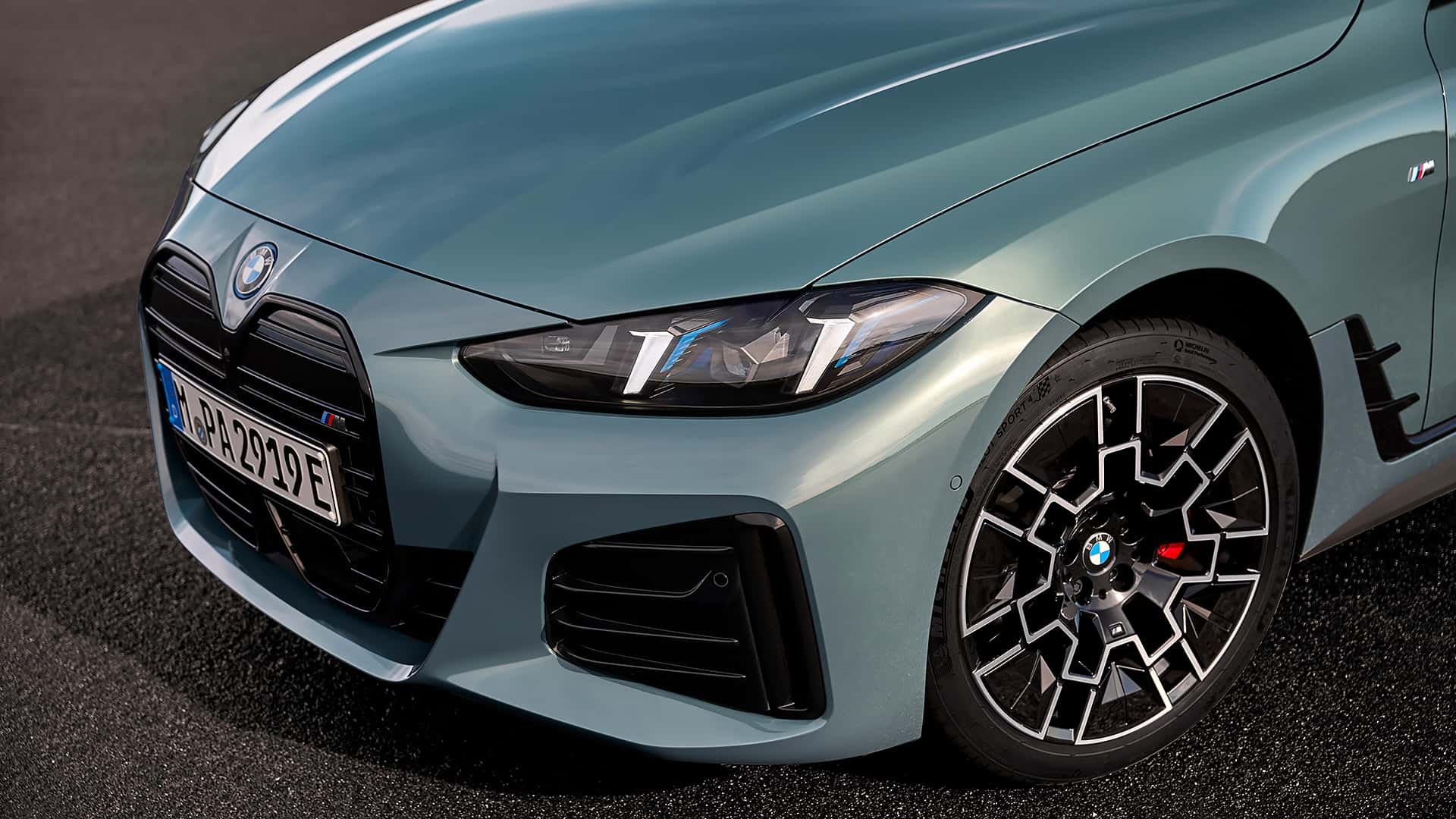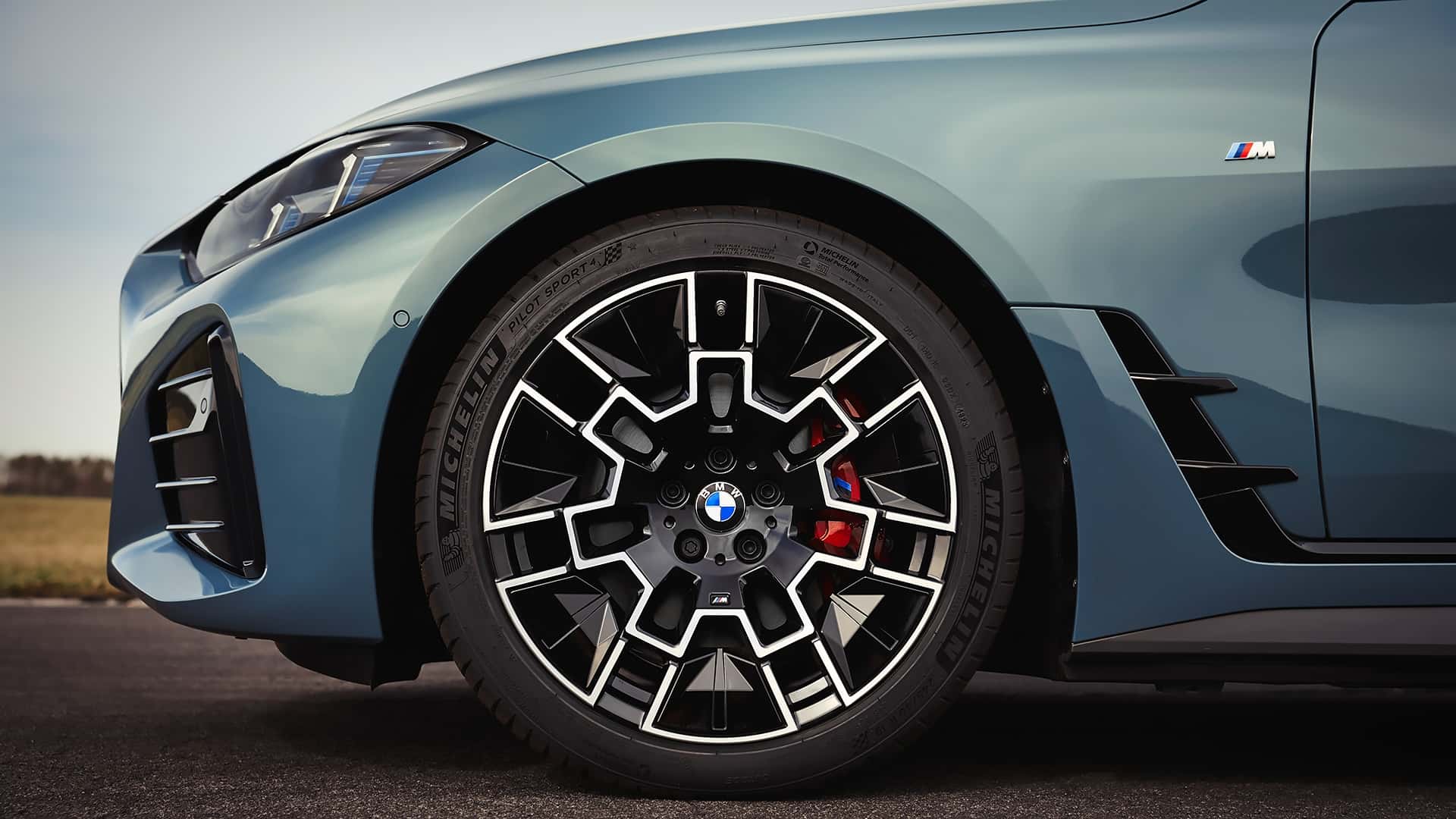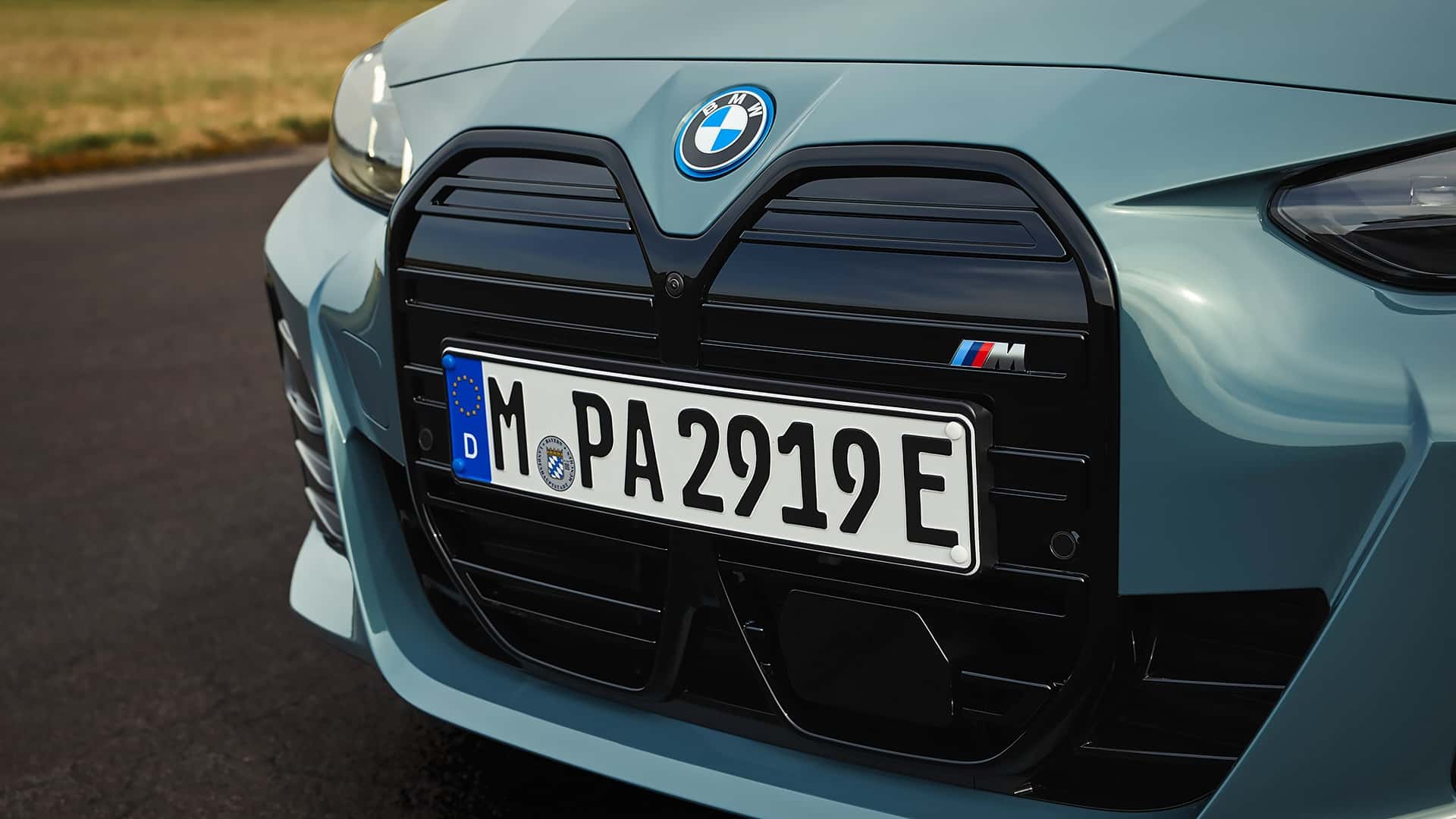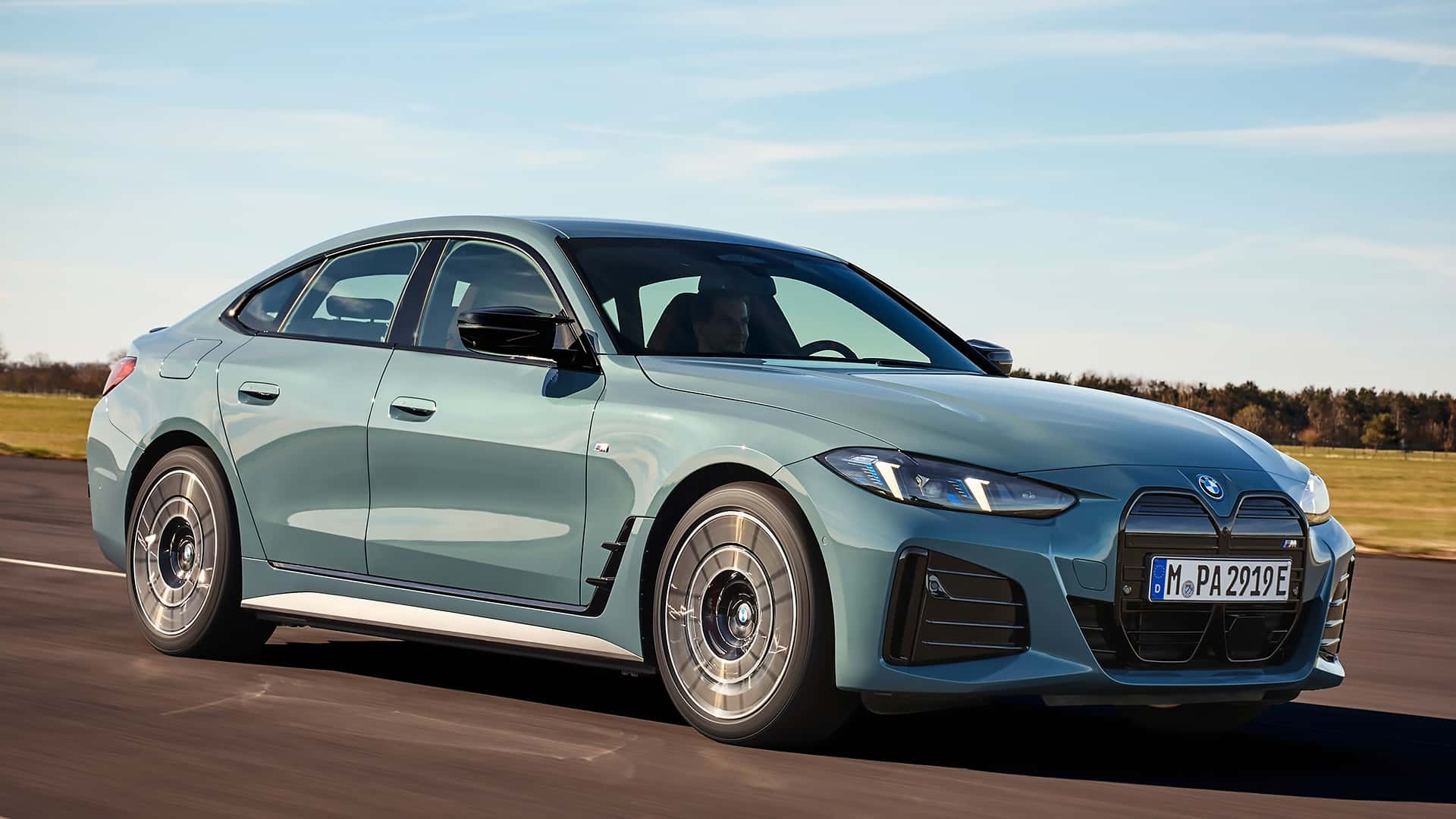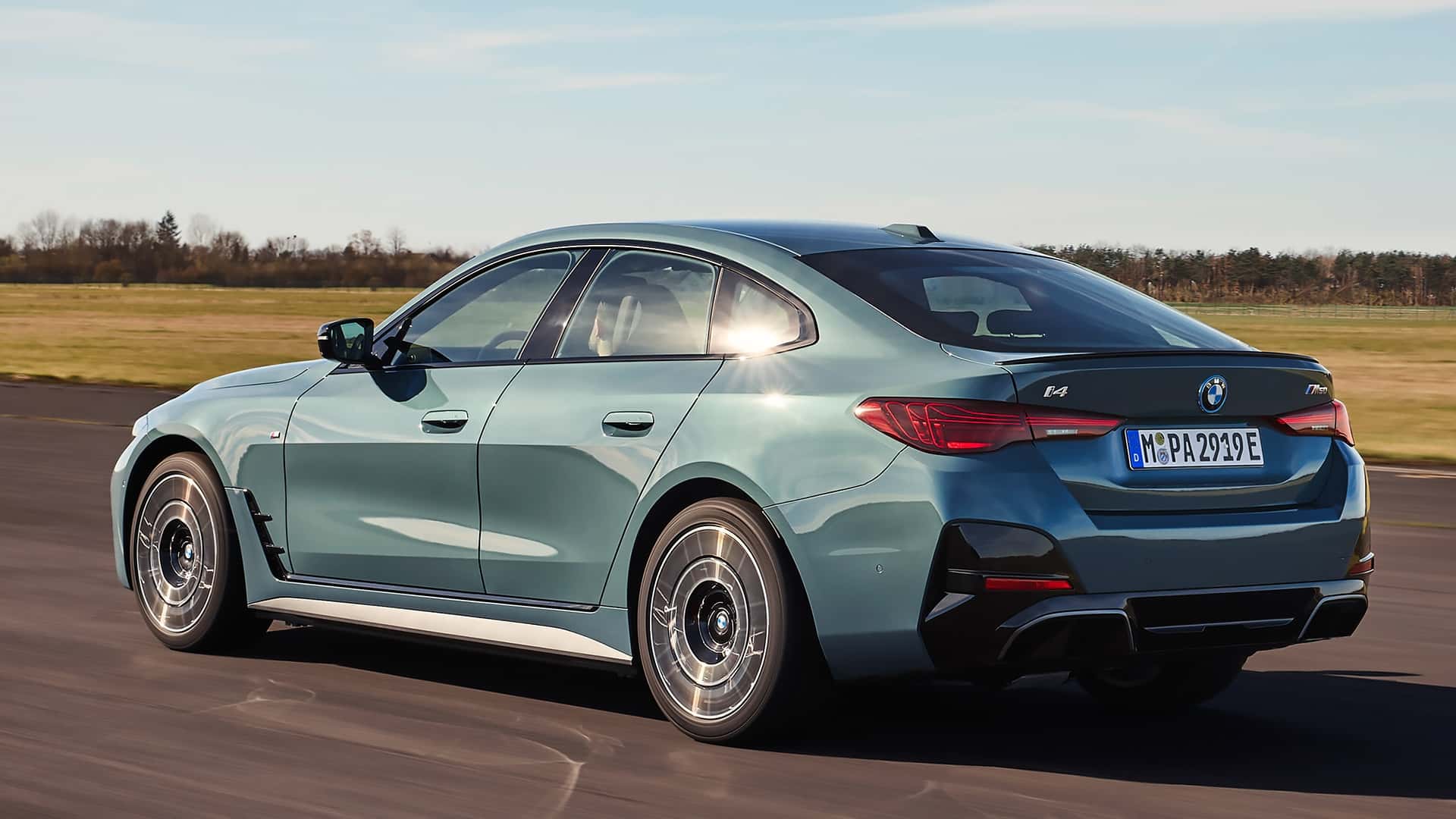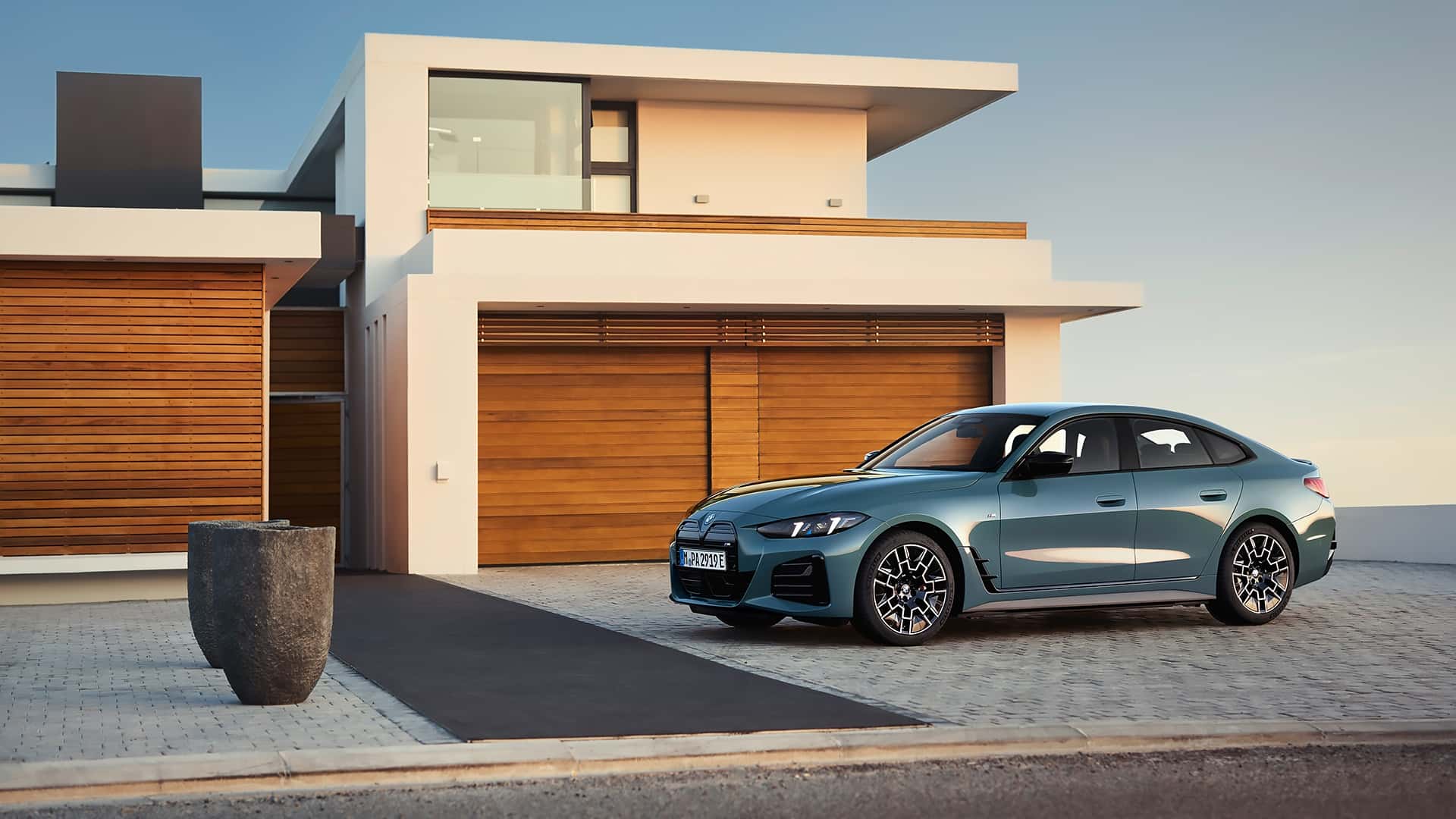
Car design is an art form that merges aesthetics with technology. The challenge lies in integrating technical aspects without compromising visual appeal. As technology becomes increasingly complex, designers must find ways to seamlessly incorporate these innovations into their designs without them appearing intrusive. Achieving a balance between functionality and beauty is essential.
The question arises: how much technology should be integrated into a car’s design without detracting from the user experience? The challenge is to find the right balance to ensure that technology assists drivers rather than distracts them. It’s crucial that technology is intuitive and user-friendly, allowing drivers to focus on the road without being sidetracked by complicated systems.
Technology’s Impact on Design
When discussing car design, we must also consider the role of technology that influences it. The use of new materials and manufacturing techniques has enabled designers to create more creative and innovative designs. These technologies have also improved vehicle efficiency and performance, which is vital for consumers. The challenge is ensuring that these technologies are not only functional but also aesthetically pleasing.
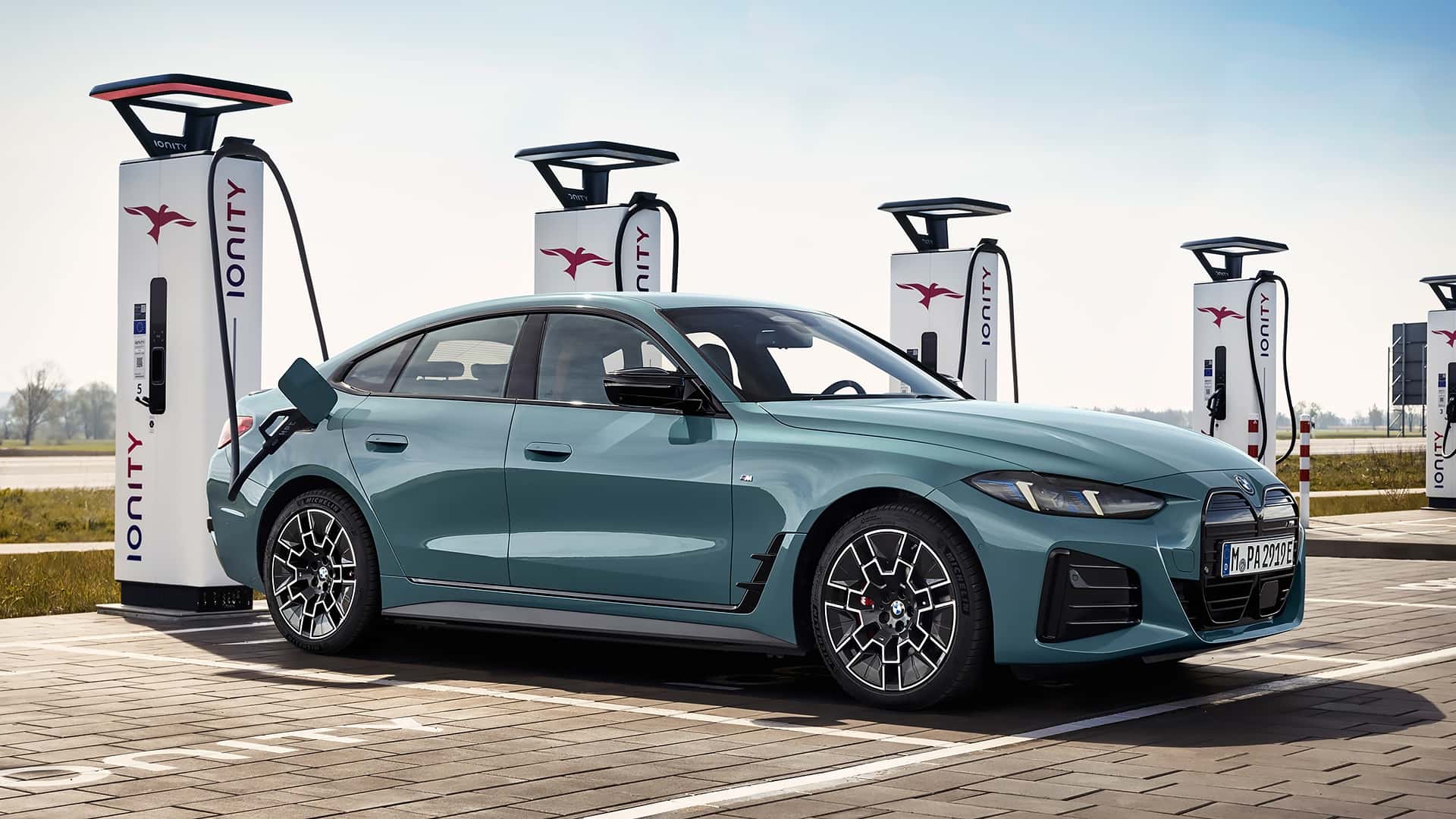
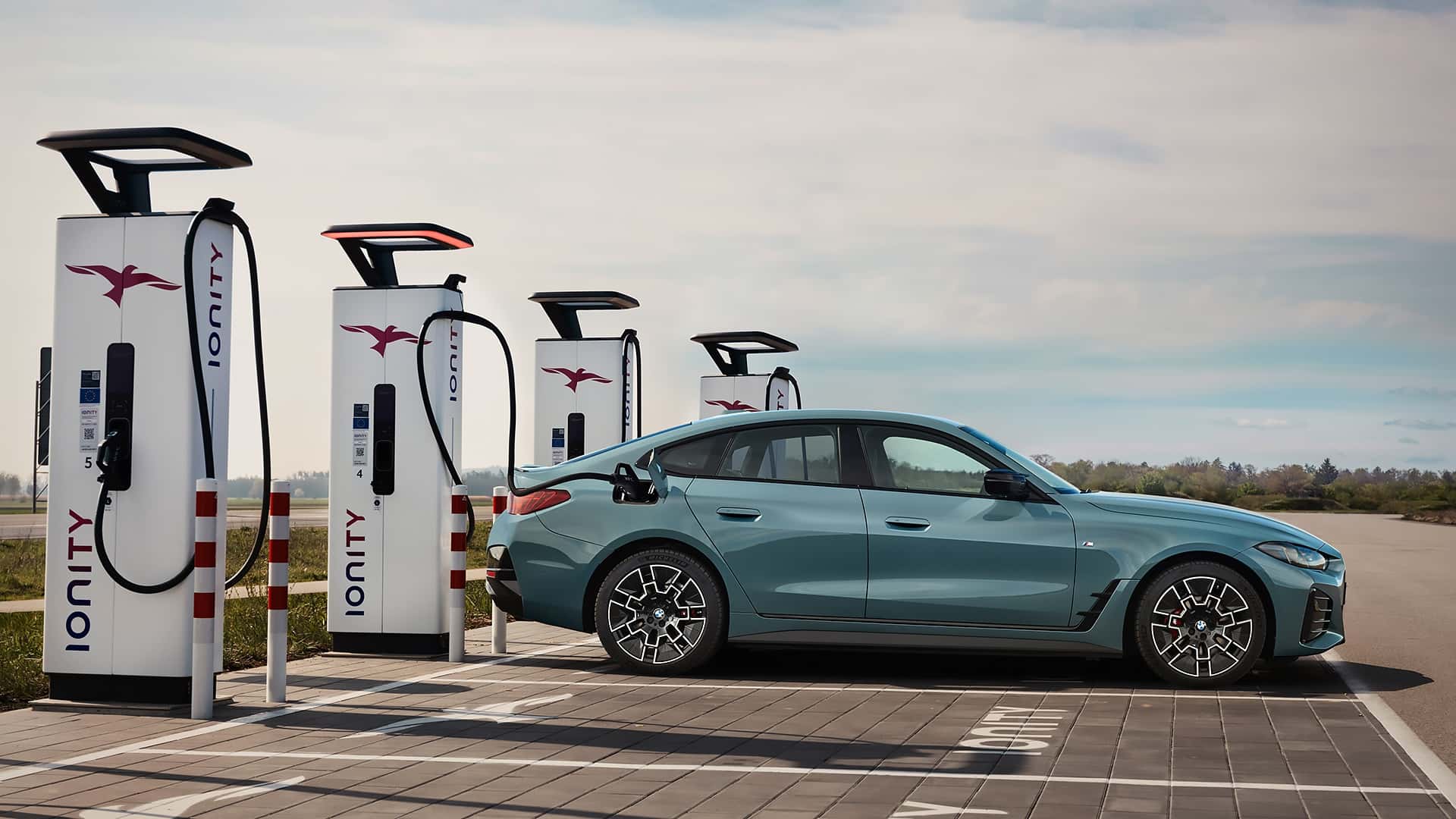
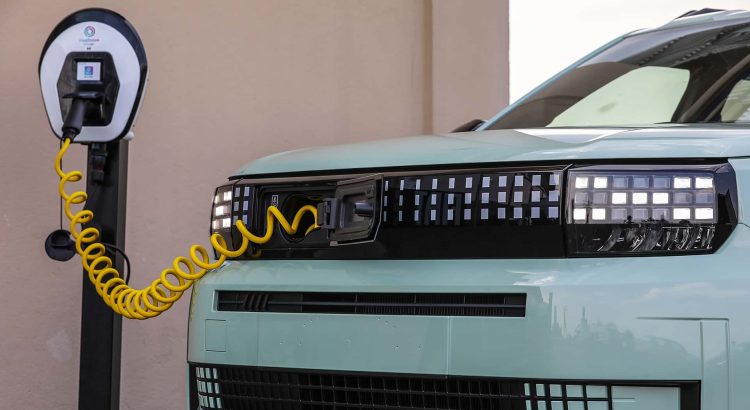
An example of this balance is the use of integrated charging ports in electric vehicles. This technology allows drivers to charge their vehicles easily and conveniently without worrying about external chargers. However, the design of these charging ports must be crafted to blend seamlessly into the overall look of the vehicle without being seen as disruptive.

The challenge is ensuring that technology remains both functional and aesthetically appealing. Designers must understand consumer needs and ensure that technology is integrated in a way that is both practical and beautiful. The balance between technology and design is crucial for a vehicle’s success in the market.
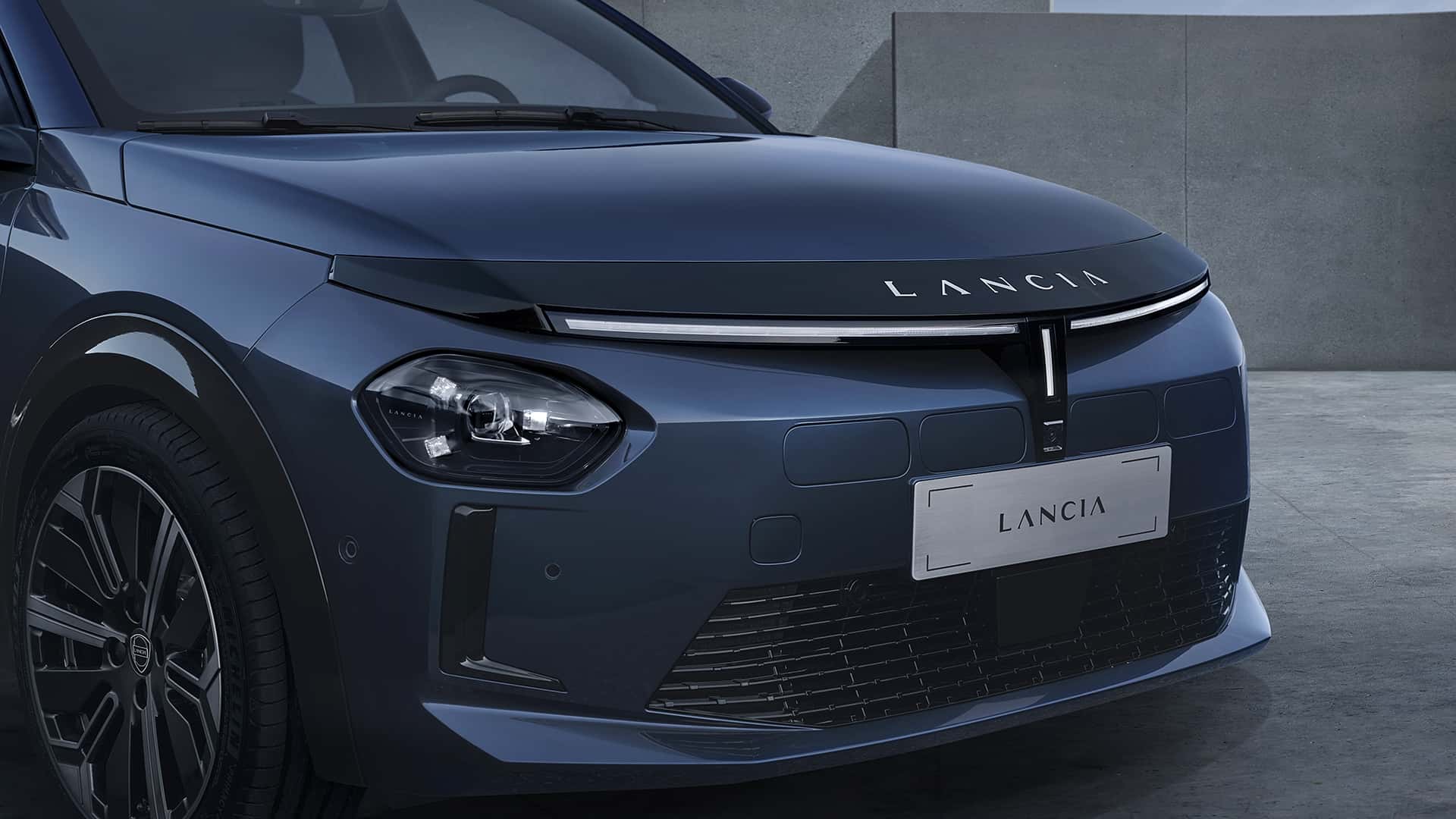
Integrating technology into vehicle design is an ongoing process that continually evolves. Designers must constantly adapt and find new ways to incorporate technology into their designs while keeping aesthetics in mind. This challenge requires both creativity and technical knowledge.
The Future of Design: How Technology Shapes Automotive Aesthetics
The future of design will be heavily influenced by technology. Designers must harness the latest technologies to create innovative and appealing designs. The use of artificial intelligence and other advanced technologies will allow designers to explore new possibilities and push the boundaries of design. It’s essential that designers keep consumer needs in mind and ensure that technology is integrated in a way that is both practical and beautiful.
The challenge remains to ensure that technology is not only functional but also aesthetically pleasing. Designers must understand consumer needs and ensure that technology is integrated in a way that is both practical and beautiful. The balance between technology and design is critical for a vehicle’s success in the market.

The 2024 Audi Q4 35 e-tron exemplifies the integration of technology into design. Designers have successfully blended technology into the design while keeping aesthetics in focus. It’s crucial that designers understand consumer needs and ensure that technology is integrated in a way that is both practical and beautiful.

The 2026 Tesla Model 3 is another example of technology seamlessly integrated into design. Designers have managed to incorporate technology into the design while maintaining aesthetic appeal. It’s essential that designers understand consumer needs and ensure that technology is integrated in a way that is both practical and beautiful.
The Integration Challenge: Merging Technology with Design
The integration challenge lies in ensuring that technology is incorporated in a way that is both practical and beautiful. Designers must leverage the latest technologies to create innovative and engaging designs. The use of artificial intelligence and other advanced technologies will enable designers to explore new possibilities and expand the boundaries of design. It’s vital that designers keep consumer needs in mind and ensure that technology is integrated in a way that is both practical and beautiful.
The challenge is to ensure that technology remains both functional and aesthetically pleasing. Designers must understand consumer needs and ensure that technology is integrated in a way that is both practical and beautiful. The balance between technology and design is crucial for a vehicle’s success in the market.

The 2024 Citroën C3 is an example of technology integrated into design. Designers have successfully blended technology into the design while keeping aesthetics in focus. It’s crucial that designers understand consumer needs and ensure that technology is integrated in a way that is both practical and beautiful.

The BMW Series 7 is another example of technology seamlessly integrated into design. Designers have managed to incorporate technology into the design while maintaining aesthetic appeal. It’s essential that designers understand consumer needs and ensure that technology is integrated in a way that is both practical and beautiful.
Conclusion: Finding the Balance Between Technology and Design
The balance between technology and design is crucial for a vehicle’s success in the market. Designers must be able to leverage the latest technologies to create innovative and appealing designs. The use of artificial intelligence and other advanced technologies will allow designers to explore new possibilities and push the boundaries of design. It’s essential that designers keep consumer needs in mind and ensure that technology is integrated in a way that is both practical and beautiful.
The challenge remains to ensure that technology is not only functional but also aesthetically pleasing. Designers must understand consumer needs and ensure that technology is integrated in a way that is both practical and beautiful. The balance between technology and design is critical for a vehicle’s success in the market.