
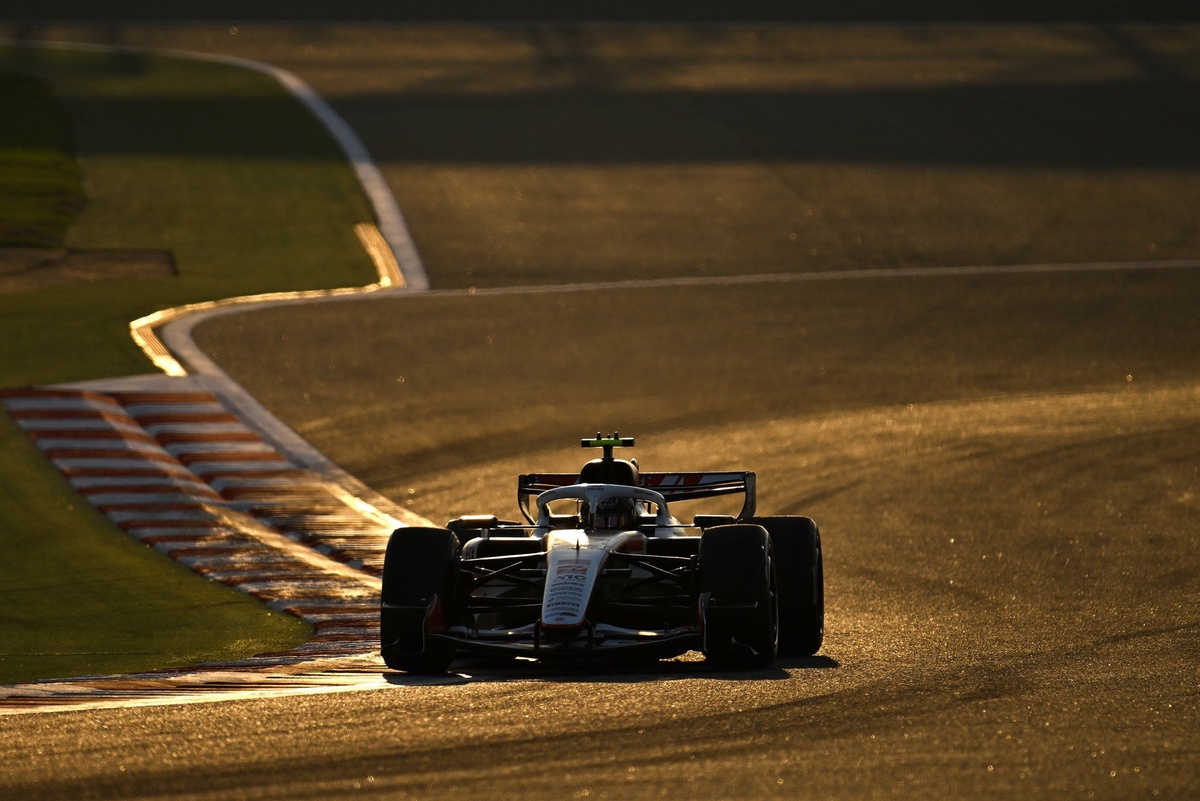
The Formula 1 winter tests in Bahrain revealed unexpected dynamics, with Haas shining while Audi finds itself in a delicate situation. These performances suggest crucial stakes for the upcoming season, both technically and in terms of brand strategy.
Haas: A Performance That Raises Eyebrows
During the second winter testing session of 2026, which took place in Bahrain from February 18 to 20, Haas managed to stand out. By posting competitive times, the American team shows that it is not just a mere participant in the paddock. This performance raises questions about Haas’s ability to compete with historically stronger teams. Haas’s rise could redefine the grid hierarchy, especially if it manages to capitalize on this positive momentum.
Audi: Between Expectations and Disappointments
On the other hand, Audi seems to be facing difficulties. The initial tests highlighted reliability issues that could prove detrimental for a team looking to establish itself among the leaders. With fierce competition, particularly from Ferrari and Mercedes, Audi must urgently correct its course before the season begins. Expectations were high for this new season, but this testing period could serve as a warning about the need to quickly improve its technical performance and reliability.
Key Numbers: Between Hope and Concern
The raw results from the tests show a marked disparity between the teams. Haas, with an impressive lap time, positions itself as a serious outsider, while Audi, plagued by technical issues, faces increasing pressure. These statistics are not just a reflection of individual performances; they also signal a potential reshuffling of the cards in the championship. In short, if Haas continues on this trajectory, it could become a key player, while Audi will have to fight to avoid falling behind.
Context: A Market in Full Transformation
The Formula 1 evolves in a context where every detail matters. Teams must not only focus on on-track performance but also on their brand image and commercial strategy. Haas’s rise coincides with a growing interest in brands that manage to combine performance and accessibility. Audi, as a premium brand, must skillfully navigate between technical innovation and consumer expectations. Managing this duality will be crucial for its long-term success.
Implications for the 2026 Season
As the 2026 season approaches, the lessons learned from these winter tests could significantly impact team strategies. Haas could strengthen its position by investing more in the development of its car, while Audi will need to reassess its priorities to avoid a chaotic start to the season. If the trend continues, we could witness a shake-up in the hierarchy of teams, with Haas in a strong position and Audi risking the loss of its competitive status.
Conclusion: Towards a New Balance?
The 2026 Formula 1 season promises to be thrilling. For Haas, these tests are the perfect opportunity to confirm its status as an outsider, while Audi must urgently correct its course to avoid a crisis of confidence. In the medium term, this dynamic could redefine power relations within the paddock, with consequences for vehicle development and commercial strategies. The competition is just beginning, and each team will need to demonstrate ingenuity to succeed.
In Summary
- Haas showed promising performances during the tests in Bahrain.
- Audi must resolve urgent technical issues to remain competitive.
- The test numbers indicate a possible reshuffling of the cards in F1.
- The context of the automotive market strongly influences team strategies.
- The 2026 season could redefine power dynamics within the paddock.


