
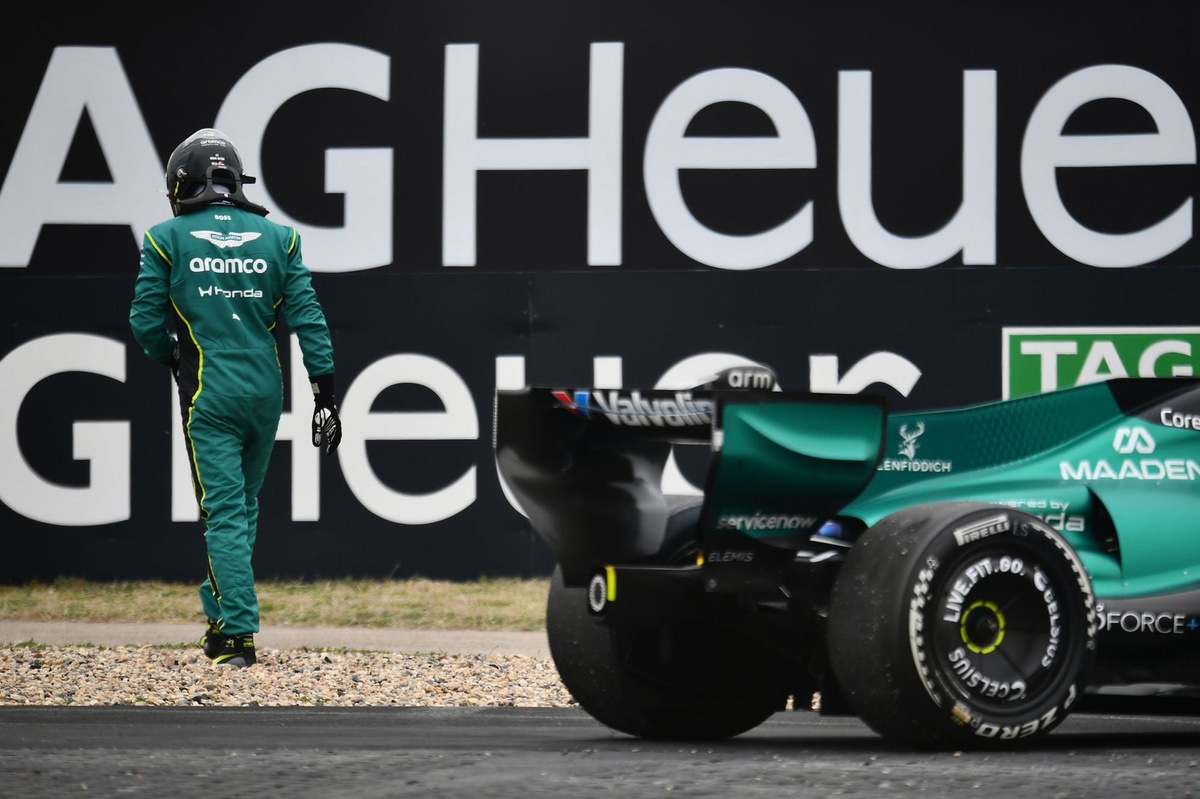
The 2026 Chinese Grand Prix was a true nightmare for Lance Stroll, who had to retire due to a technical issue with his Aston Martin AMR26. But Honda, the engine supplier behind the car, revealed that it has identified the cause of this failure and implemented corrective measures for the Japanese Grand Prix at the Suzuka circuit. The return to the race venue is loaded with stakes for Honda, which hopes to turn the page.
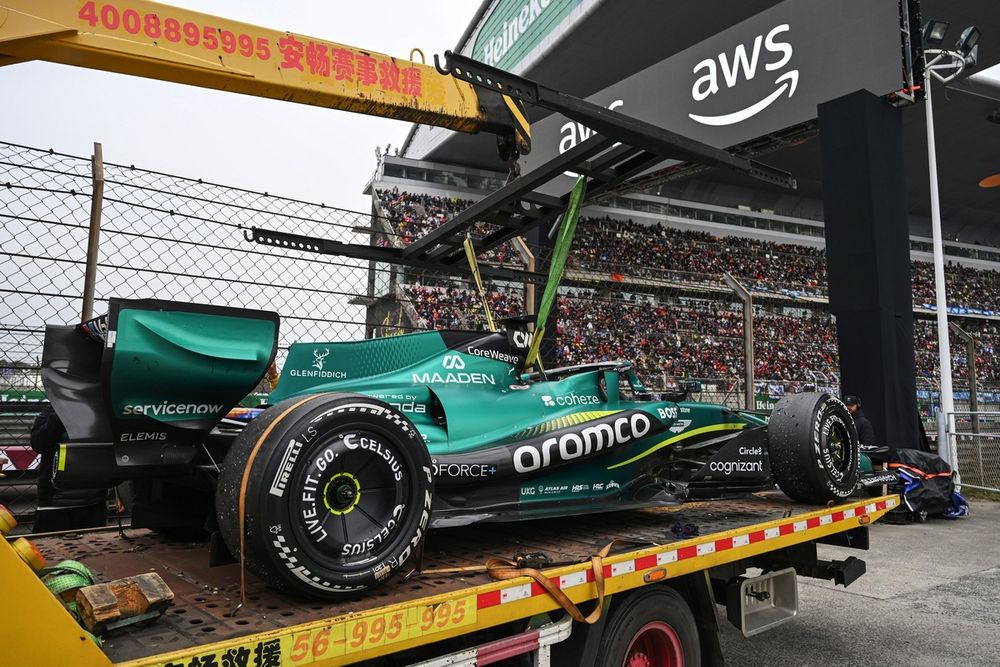
Review of the Incident in China
During the Shanghai Grand Prix, the Canadian was unable to continue after the 10th lap, immobilizing his car in the run-off area of the first corner. This incident cast a shadow over the Aston Martin team, which must juggle high expectations and erratic performances. Indeed, retiring at this stage of a race is always a disappointment for both the driver and the engineers. For Honda, this could not go unanswered.
Solutions in Preparation for Suzuka
On the eve of the Japanese Grand Prix, Shintaro Orihara, general manager of track operations at Honda, stated that the team had been working tirelessly to resolve the issue. “During the last race, we encountered a problem with car number 18,” he explained. “We have identified the root cause and implemented corrective measures.” These words resonate like a promise of regained reliability, even if the circumstances remain tense.
Technical Limitations and Homologation Freeze
Unfortunately, the engineer specified that it was impossible to make significant performance improvements due to the engine homologation freeze. “Of course, we cannot improve or modify the specifications in terms of performance,” he added. This raises a crucial question: how will Honda compensate for this lack of evolution in the face of increasingly sharp competition? The answer may lie in better energy management.
Data Analysis and Energy Management
Honda has not been idle in the days following the Chinese event. Engineers have thoroughly analyzed the data collected during the previous race. “We used our simulations to improve our energy management strategy,” Orihara explained. This proactive approach could make all the difference on the demanding Suzuka circuit, where every detail counts.
An Unexplained Retirement
When asked about the precise reasons that led to Stroll’s retirement, Orihara was tight-lipped: “I’m sorry, I can’t give you details, but we have identified the problem.” This ambiguity leaves a degree of uncertainty for fans and analysts. Why so much secrecy around an incident that might seem trivial? This lack of transparency can fuel speculation about the technical health of the cars.
Regained Confidence for Suzuka
On the other hand, confidence seems to have returned to the Honda team. When Orihara was questioned about the progress made compared to the situation in China, he confidently replied: “Once again, I won’t give specific numbers, but we are confident.” This statement is a mix of cautious optimism and determination. The challenge remains colossal: to prove that the team can finish a race without technical incidents.
Reliability to Confirm
Finally, regarding concerns about vibrations that could affect battery reliability, Orihara stated that the retirement was not due to this factor: “From the perspective of battery reliability, we have made good progress.” This bodes well for the upcoming weekend; however, drivers and engineers know that a race can turn at any moment. Every corner at Suzuka will be scrutinized closely.
In Summary
- Stroll’s retirement at the Chinese GP shocked Aston Martin.
- Honda has identified and corrected the technical issue.
- No performance improvements possible due to the homologation freeze.
- Suzuka will be a crucial test for the energy strategy.
- Honda’s confidence is strengthening despite the uncertainty surrounding the incident.


