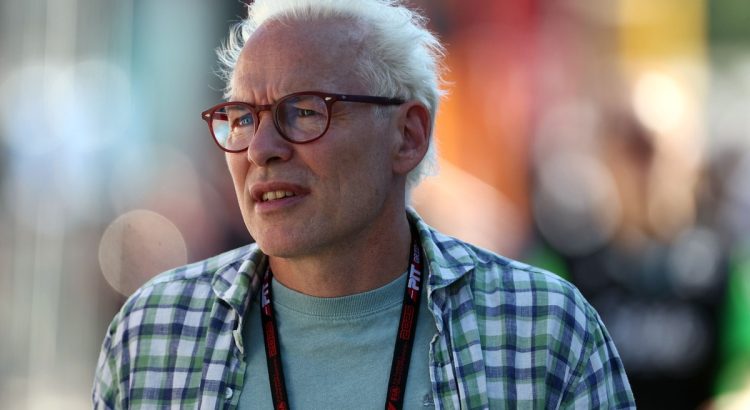
Jacques Villeneuve, former Formula 1 world champion, has shared his thoughts on the 2026 race cars, revealing a tension between the thrill of spectacle and the loss of authenticity in competition. His insights highlight the challenges and profound changes brought about by the new regulations, which could redefine the future of the sport.
A Revolution Under the Hood: Electrification Takes Center Stage
Since the introduction of the new race cars, Formula 1 has embarked on a major strategic shift towards electrification. The 2026 regulations mandate parity between energy sources, with a thermal engine and a hybrid system now vying for power supremacy. This radical change is not just a technical adjustment; it redefines how drivers interact with their machines. Villeneuve, as a keen observer, notes that this evolution has disrupted traditional driving styles. Races, once marked by skillful duels and precision, are transforming into exercises in energy management. In short, driving is becoming less about raw talent and more about electric strategy.
Driving 2.0: A Challenge for Purists
Villeneuve does not hesitate to express a certain nostalgia for the days when competition was more raw. Donning his driver’s hat, he confesses that today’s drivers, including himself and Ralf Schumacher, would likely have “hated” these new F1 cars. This statement highlights a crucial aspect: the very nature of driving has evolved. Qualifying, once a ballet of perfection, is now dominated by the need to manage battery life and optimize energy usage. Drivers must juggle speed and strategy, which could ultimately diminish the sport’s appeal for those seeking pure adrenaline.
Entertainment First: An Ambivalent View
As a spectator, Villeneuve seems to appreciate the spectacle offered by the new race cars. “It’s a different kind of racing, but it’s fun,” he states. This ambivalence underscores an unavoidable reality: entertainment has become a priority in motorsport. Energy management allows for longer battles on the track, but it comes with a dilution of the competitive tension that characterized past races. Fans must wonder if this new format will retain its appeal over the long term. The lingering question remains: how tedious can this change become if races start to feel too similar?
Drivers Divided: Between Skepticism and Adaptation
The reaction of current drivers to this new regulation reveals the tensions at play. Figures like Max Verstappen and Lando Norris express skepticism about its impact on driving. This division among drivers highlights a reality: while some adapt to this new era, others seem to struggle. The criticisms voiced by drivers echo a broader concern regarding the sport’s authenticity. If the best continue to shine, at what cost?
A Long-Term Strategy: A Risky Bet for F1
Ultimately, Formula 1 appears to be engaged in a defensive maneuver in the face of contemporary issues such as sustainability and brand image. By opting for increased electrification, the sport responds to external pressures, particularly those related to environmental regulations. However, this strategy raises questions about its long-term viability. Purists of motorsport wonder if F1 can continue to attract fans while straying from the roots that made it successful. The answer may unfold in the coming years as a new generation of drivers and fans embraces this new format.
In Summary
- Jacques Villeneuve critiques the driving of the 2026 race cars, preferring the traditional style.
- The parity between thermal engines and electrification redefines race dynamics.
- Today’s drivers juggle speed and energy management.
- Entertainment is prioritized, but this could harm the sport’s authenticity.
- F1’s strategy in the face of environmental challenges is a risky bet.
Who is this new approach for? Fans seeking novelty and innovation may find enjoyment in this refreshed spectacle. However, purists and lovers of authentic racing might be left wanting. Alternatives abound, whether in the world of motorsport with other disciplines that maintain a more traditional driving style or in events dedicated to classic motoring. Ultimately, Formula 1 will need to navigate skillfully between modernity and tradition to maintain its appeal amid increasingly fierce competition.