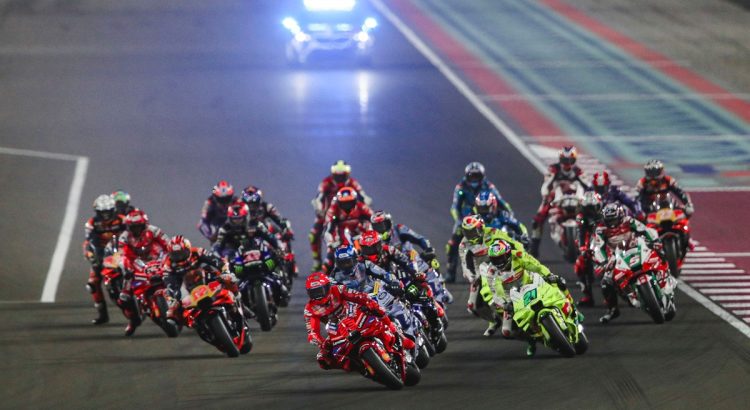
The unstable geopolitical situation in the Middle East casts doubt on the future of the Qatar Grand Prix, scheduled for April 2026. As tensions rise and military strikes increase, MotoGP must navigate between caution and strategic decisions. What are the implications for the championship and its stakeholders?
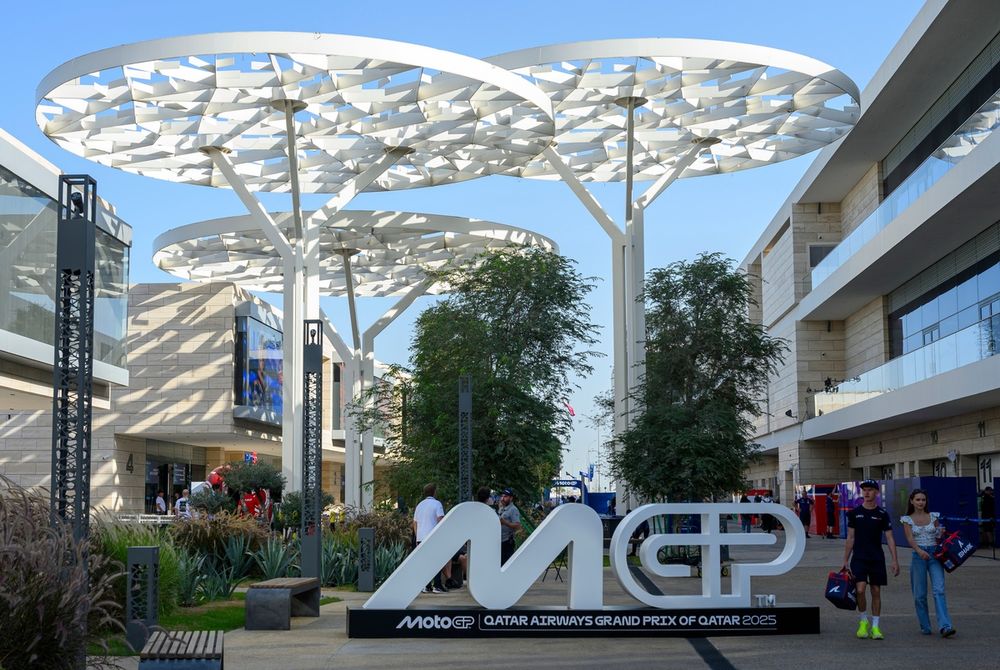
A Tumultuous Context Disrupting the Schedule
The outbreak of war in the Middle East has direct repercussions on the motorsport world. Bahrain and Qatar, two host countries for major races, are feeling the collateral effects of military actions. While Formula 1 has already canceled its tests in Sakhir, MotoGP now finds itself in a delicate position. The race scheduled at Losail from April 10 to 12 is now shrouded in increasing uncertainty.
This situation raises crucial questions for organizers: how to ensure the safety of riders and teams in such an unstable environment? Comments from Carmelo Ezpeleta, CEO of MotoGP Sports Entertainment Group, highlight the complexity of the situation. His call for caution and mention of a “Plan B” reveal a willingness to adapt to the unpredictable.
The Implications of a Possible Postponement
The question of whether to maintain the Qatar GP goes beyond mere logistics. A postponement or cancellation could have significant financial consequences for promoters and teams. MotoGP, already struggling to attract sponsors in a competitive environment, could see its revenues plummet if the race does not take place. Additionally, a schedule change could disrupt riders’ preparations, who are accustomed to a precise rhythm between races.
Meanwhile, the absence of this race could open the door for other circuits, like Termas de Río Hondo in Argentina, which are trying to carve out a spot in an already packed calendar. However, Ezpeleta has made it clear: there will be no replacement race during this period. Striking a balance between safety and spectacle proves more challenging than ever.
A Decision That Shapes the Future of MotoGP
The decision surrounding the Qatar GP is not just a logistical matter; it is also an issue of image for MotoGP. By choosing whether or not to hold this race, the championship must weigh its commitment to partners, sponsors, and fans against the realities of a volatile situation. Withdrawing could be seen as an admission of weakness or, conversely, as a responsible measure in the face of insecurity.
It is essential to understand that every decision made today will have repercussions for years to come. MotoGP’s reputation hinges on its ability to manage crises and adapt to unforeseen situations. The choices made now could influence relationships with host countries and investor confidence.
The Impact on Riders and Teams
For riders, the uncertainty surrounding the Qatar GP is a source of anxiety. Each rider has their own preparation, and a cancellation or postponement could disrupt their routine. This could play a decisive role in the early races of the season. Furthermore, the anxiety of not being able to compete in a host country plagued by turmoil could affect on-track performance.
Teams, on the other hand, must juggle tight budgets. The cancellation of a race can lead to significant financial losses, especially for those relying on visibility and media returns. MotoGP must navigate carefully to ensure the sustainability of its teams while prioritizing rider safety.
A Hidden Opportunity to Rethink the Calendar
In this challenging context, MotoGP might see an opportunity to rethink its calendar. The absence of the Qatar GP could pave the way for less traditional circuits or unique events that could invigorate interest in the championship. This is a key moment to consider innovations that could not only attract new fans but also redefine the competitive landscape of MotoGP.
Simultaneously, this crisis could push organizers to diversify their race locations further, seeking partnerships with countries less exposed to conflict. A strategic rethink is necessary to ensure a more balanced geographical coverage and reduce risks associated with unique events in sensitive areas.
In Summary
- The Qatar GP in April 2026 is heavily threatened by geopolitical tensions.
- Carmelo Ezpeleta mentions a “Plan B” but remains cautious about the situation.
- A potential postponement could have heavy financial consequences for MotoGP.
- Current decisions will influence the image and future of the championship.
- An opportunity arises to rethink the calendar and diversify race locations.
As MotoGP stands at a critical crossroads, how it manages this crisis will determine not only its short-term image but also its future viability. The pressure is high, and the stakes are elevated. In the medium term, it will be interesting to observe how this situation influences relationships with host countries and the choice of circuits for upcoming seasons.