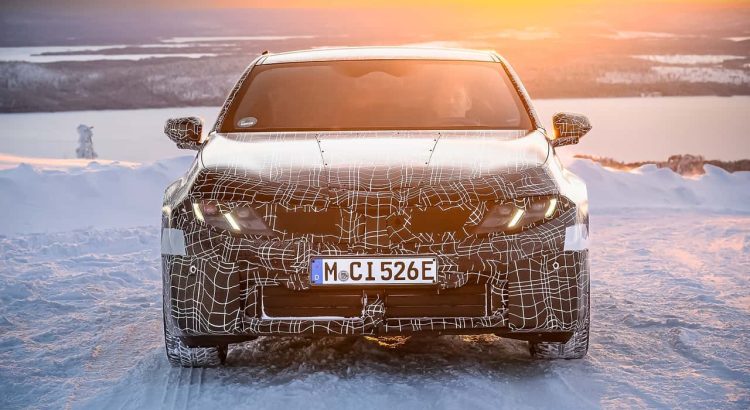
The imminent unveiling of the new BMW i3 marks a decisive turning point for the Bavarian automaker, which is betting on electric vehicles to redefine its image. By integrating cutting-edge technologies and bold design, BMW is tackling a rapidly changing market while seeking to distinguish itself from the competition.

With just two weeks until the official launch of the new BMW i3, rumors and speculation are running rampant. This electric sedan is built on the Neue Klasse platform, shared with the new iX3, and aims to attract customers seeking performance and advanced technologies. The first images revealed showcase a design that, while not revolutionary, maintains a stylistic continuity while displaying a clear modernity.
A Common Style That Affirms Identity
The new design language from BMW, introduced with the iX3, is also evident in the i3. The more compact and vertical double kidney grille, along with the sleek lines, reflects a desire for simplification and elegance. Inside, the Panoramic Vision dashboard features fine instrumentation and a central touchscreen, marking a break from previous models. This aesthetic evolution goes beyond appearance; it signifies a functional approach aimed at enhancing user experience.

A High-End Launch
BMW is not holding back for the launch of its new i3. The 50 xDrive version, available from the start, boasts impressive figures: 469 hp and 645 Nm of torque, all powered by a battery capable of accepting up to 400 kW of charging power thanks to an 800 V architecture. This high-end approach allows BMW to position itself as a serious player in the electric vehicle market, targeting customers ready to invest in advanced technologies.
This strategic choice is particularly relevant as competition intensifies. With brands like Tesla and Audi already making strong impressions in the electric segment, BMW must prove it can compete. The “Heart of Joy” system, a supercomputer integrated into the Neue Klasse platform, illustrates this ambition. By optimizing powertrain management and safety systems, BMW promises significantly improved driving performance.
Rigorous Testing for Optimal Performance
The winter conditions in Arjeplog, Sweden, provide an ideal setting to test the new i3. The low grip coefficient allows for the evaluation of the vehicle’s dynamic capabilities in extreme situations. The “Heart of Joy” proves essential here, as it manages not only power but also energy recovery and dynamic driving control. By ensuring responses are 10 times faster than previous systems, BMW guarantees that its new i3 can deliver a driving experience that is both responsive and secure.
A Long-Term Strategy Facing Market Challenges
By choosing to integrate cutting-edge technologies from the outset, BMW sends a strong message to its competitors. However, this strategy carries risks. Success will depend on market reception and BMW’s ability to convince a still hesitant customer base regarding electric vehicles. The high cost of these technologies could also deter some potential buyers.
Nonetheless, this push towards the premium segment could pay off, considering the growing trend towards electrification. Consumers, increasingly concerned about their environmental impact, are ready to invest in sustainable solutions. In this context, the new i3 could become a brand ambassador, redefining its image while solidifying its market position.
In Summary
- The new BMW i3 is part of a premium strategy focused on electric vehicles.
- A modern design that reinforces brand identity while integrating advanced technologies.
- Impressive performance thanks to innovative architecture and a dedicated supercomputer.
- Rigorous testing in extreme conditions to ensure dynamic and secure driving.
- A risky offensive in the face of increased competition in the electric market.
In conclusion, the new i3 represents a true industrial stroke of genius for BMW, with a clear positioning towards the premium electric segment. Who is it for? Primarily environmentally conscious drivers who do not want to sacrifice driving pleasure. However, competition is fierce, and BMW will need to keep a close eye on its rivals to maintain its place in this evolving market. In the medium term, it will be interesting to see how this strategy influences brand perception and its market share in the electric vehicle sector.