

The Mitsubishi Triton gets an intriguing facelift with the Street version, but beware, this is not a model that will conquer the whole world! This redesign, exclusive to Thailand, promises to delight pickup enthusiasts while raising questions about the future of the model. Between bold design and classic engine, let’s discover together what this new face hides.


A Design That Provokes
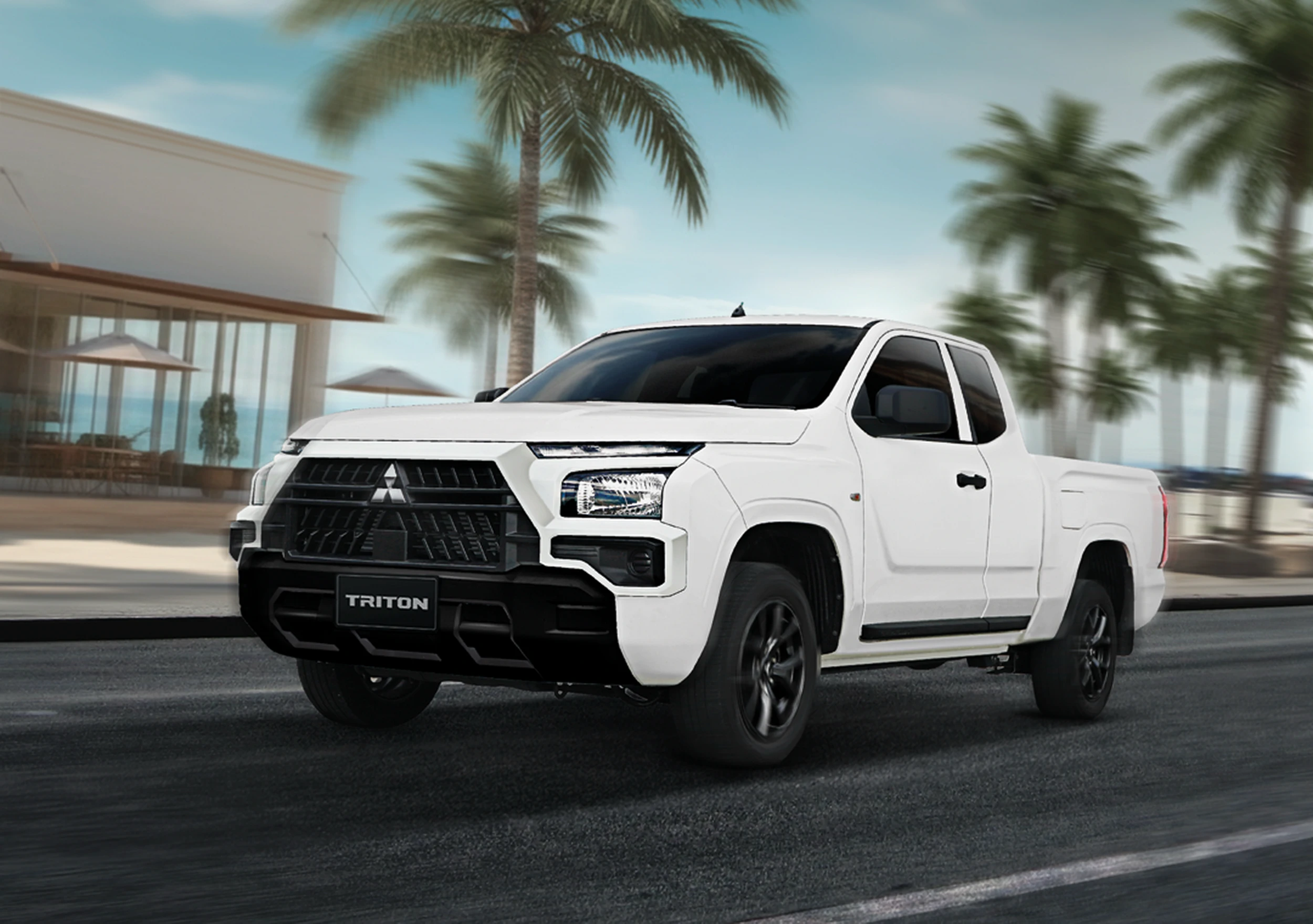
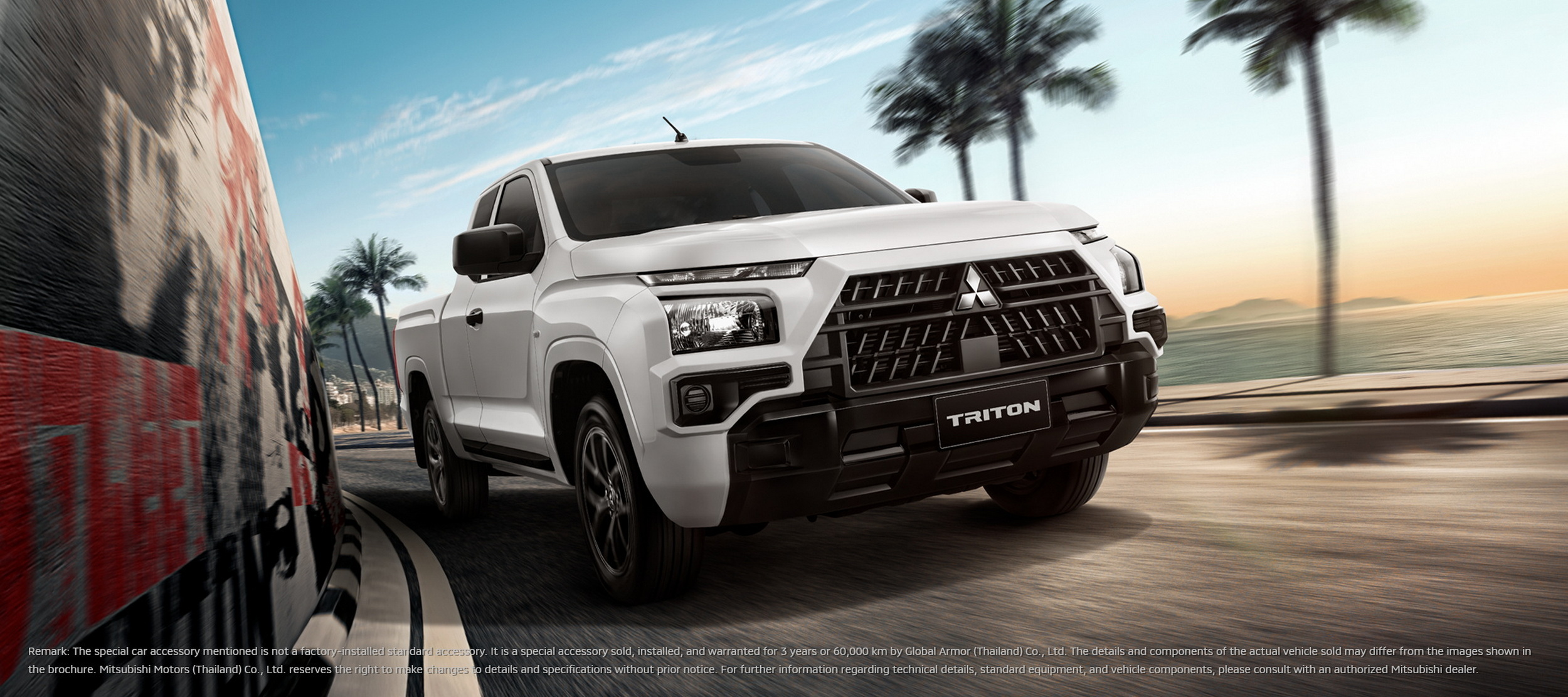
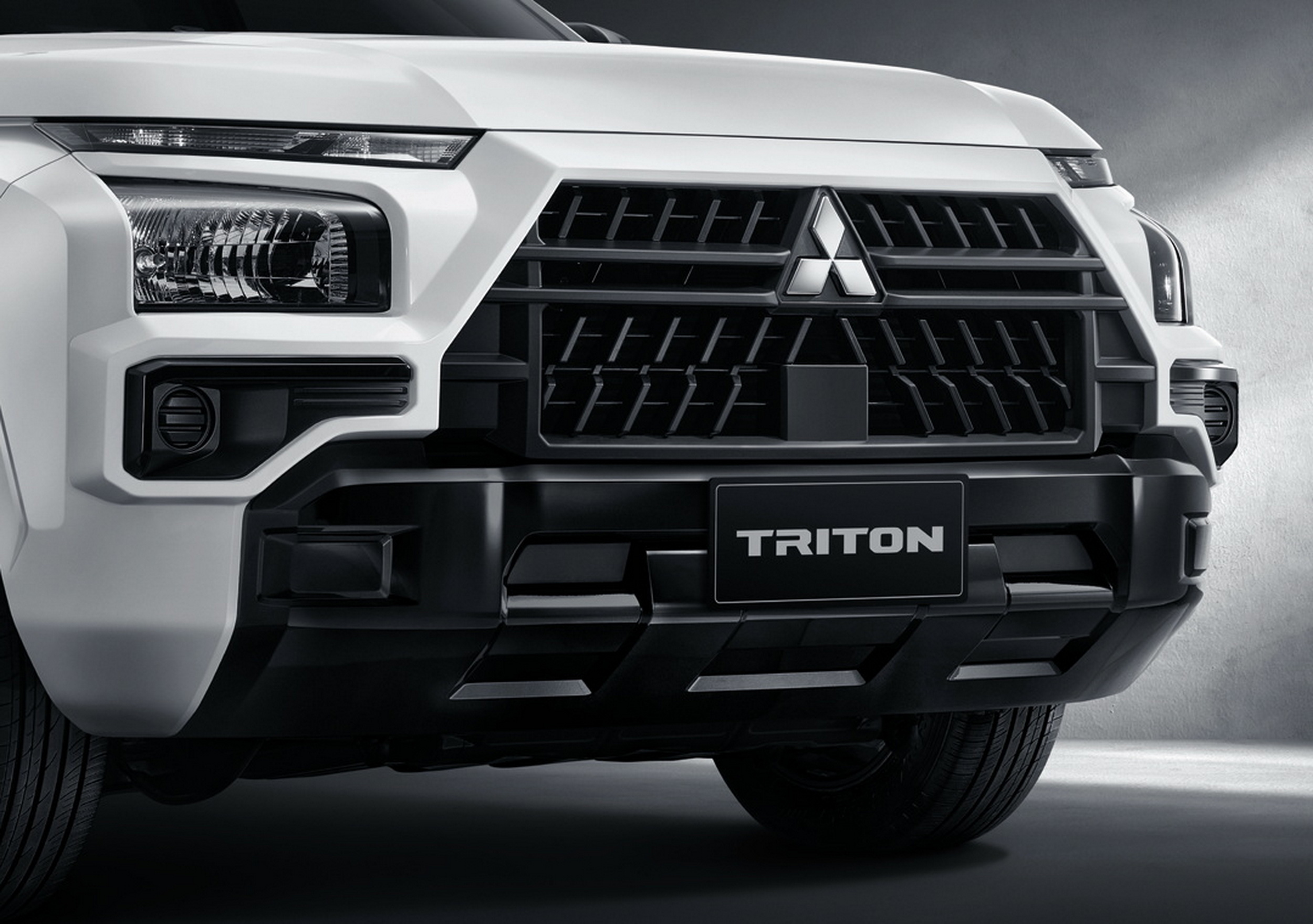
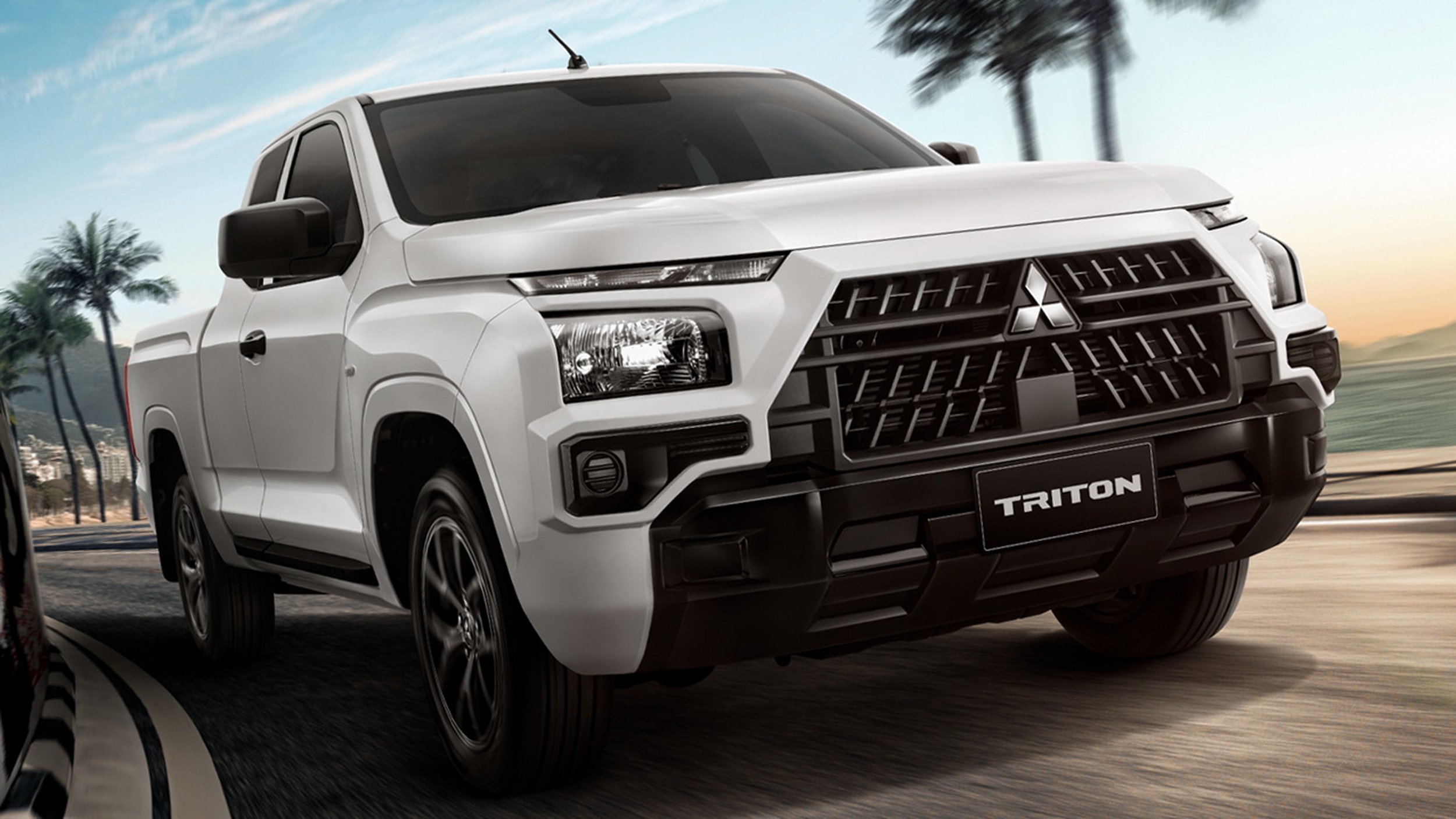
The Mitsubishi Triton Street makes a notable entrance with a redesigned front that evokes a certain dynamism. It almost looks like this pickup has taken posing lessons in front of a mirror, as its new gaze is more aggressive, a bit like a Stormtrooper decided to trade its armor for a pickup costume. The grille has been reshaped, abandoning the traditional “Dynamic Shield” in favor of a bolder, more angular style.


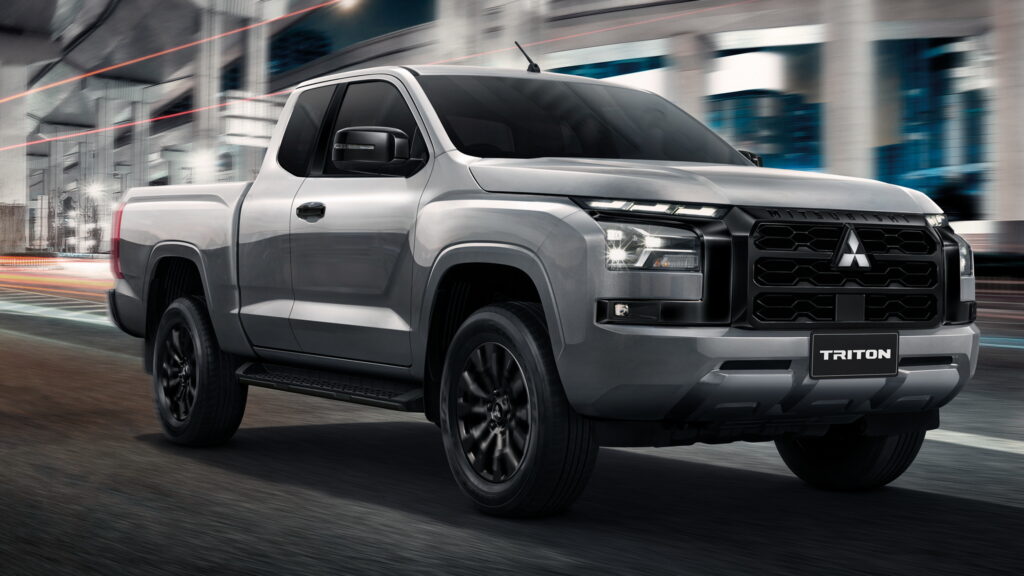
Built on the Mega Cab body, this model sits between the Single Cab and Double Cab versions. Additionally, it sports an oversized black skid plate and slightly revised bumper air intakes. That said, don’t expect flashy LED lights: this entry-level version settles for halogen headlights and skips fog lights. The very essence of pragmatism, you say?
Technical Features: The Same Proven Engine
Under the hood, the Triton Street doesn’t change its recipe. It is powered by a 2.4-liter four-cylinder turbo diesel engine, developing 148 horsepower (110 kW) and a torque of 330 Nm. A surprising choice, as Mitsubishi could have opted for the more powerful 181-horsepower variant, but perhaps the brand wants to save its ammunition for more expensive versions.
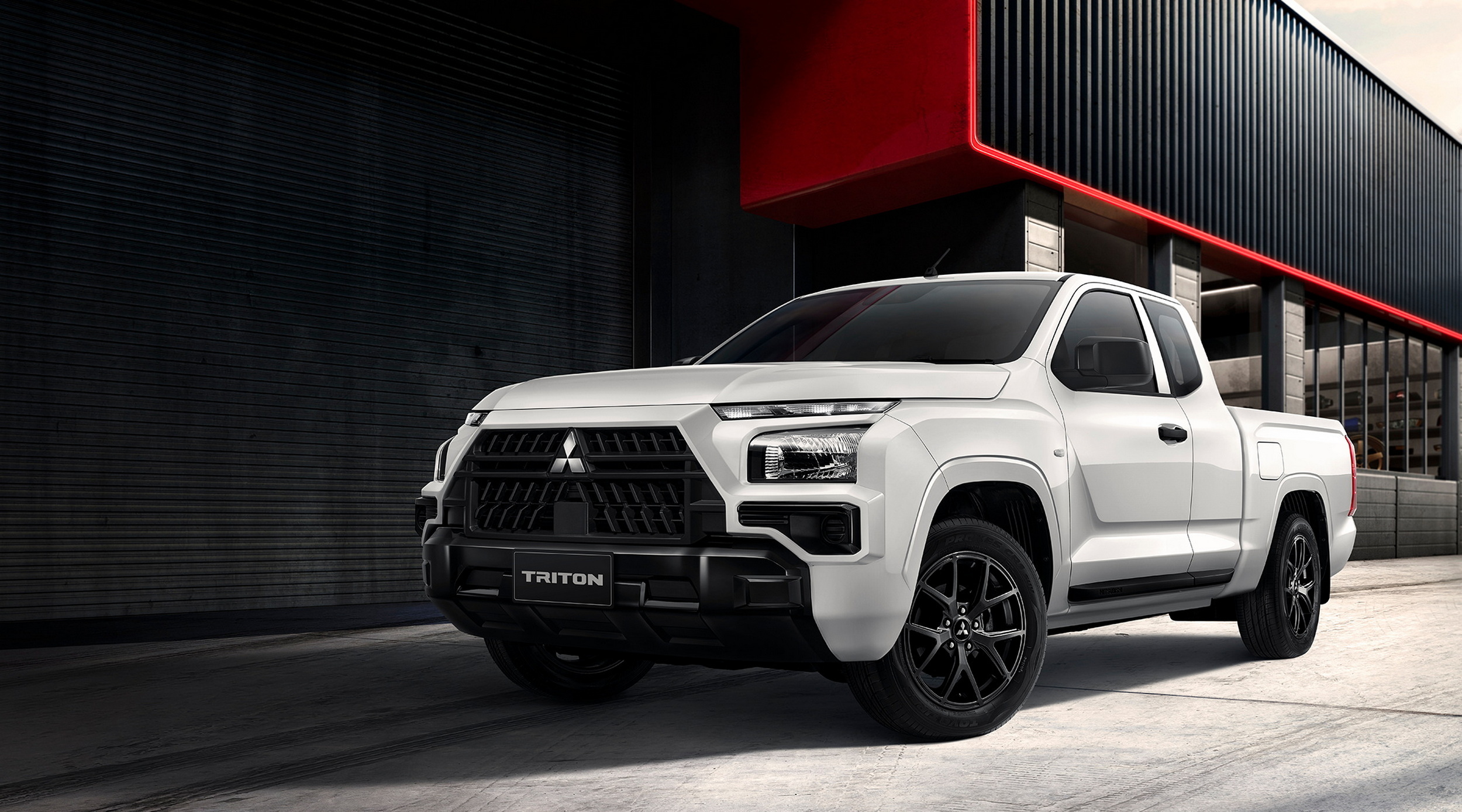

The transmission is handled by a six-speed manual gearbox, sending power only to the rear wheels. No 4×4 here, but the Street is equipped with an active limited-slip differential, which applies braking force to the slipping wheel and redirects torque to the one with traction. A little touch of technology that could make a difference on a slippery road.
Equipment and Price: Limited Access
In terms of equipment, the Triton Street does not stand out for its extravagance. It features fabric seats, three airbags, a two-speaker audio system, hill-start assist, and a 10-inch infotainment screen. This model is already available for sale in Thailand, with an entry price set at 649,000 Baht, or about $20,700. A price that makes you think when considering alternatives on the market.
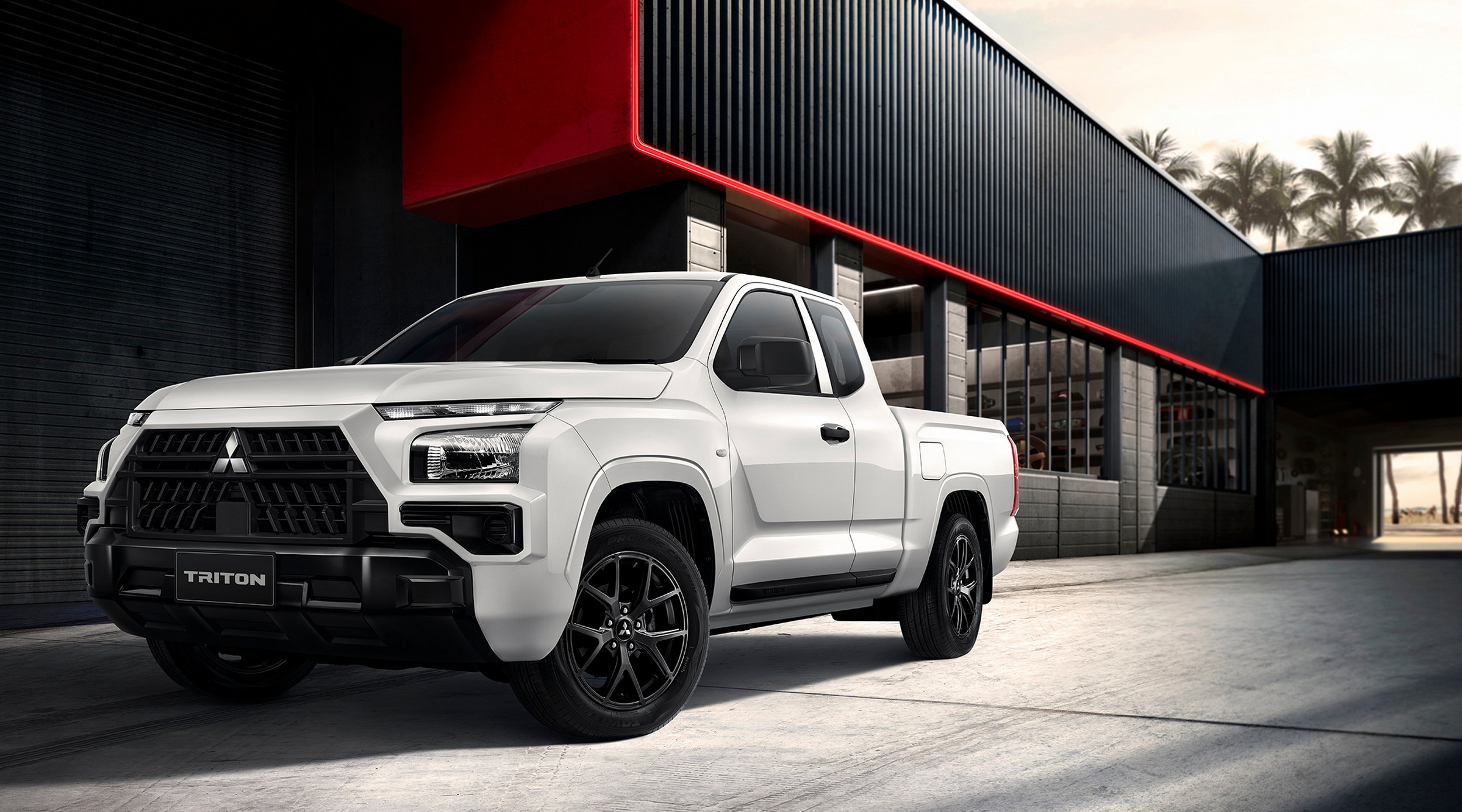

For those looking for more luxurious equipment or a more powerful engine, they will have to turn to the higher versions of the Triton, which promise a more refined driving experience. But for pragmatic pickup enthusiasts, this model could do the job without frills.
An Uncertain Future for the Triton
It remains to be seen whether this new design will find its place in other versions of the Triton or if it is simply a Thai experiment without a future. The current model was introduced in 2023, which means it could benefit from a mid-cycle facelift by 2027. Stylistic and technological evolutions would be welcome to better compete with rivals such as the Toyota Hilux, the recently refreshed Ford Ranger, or the Nissan Navara.
These rivals are true giants in the mid-size pickup segment, and Mitsubishi will have to step up its game to compete against them. Moreover, with the emergence of new players, such as Kia with its Tasman or rising Chinese brands, the competition will only intensify.
Conclusion: A Localized Facelift for a Universal Pickup?
The Mitsubishi Triton Street represents a bold step in the evolution of the model, but its reach seems limited to Thailand. In the meantime, pickup aficionados can rejoice in this stylish variant, even if it doesn’t necessarily meet all the needs of a global market. Let’s hope this local boldness inspires further changes to come in the rest of the Triton lineup.
To keep up with all the news regarding Mitsubishi models and their updates, feel free to check out our articles on automotive news.
In Pictures
Some additional views to complete.


