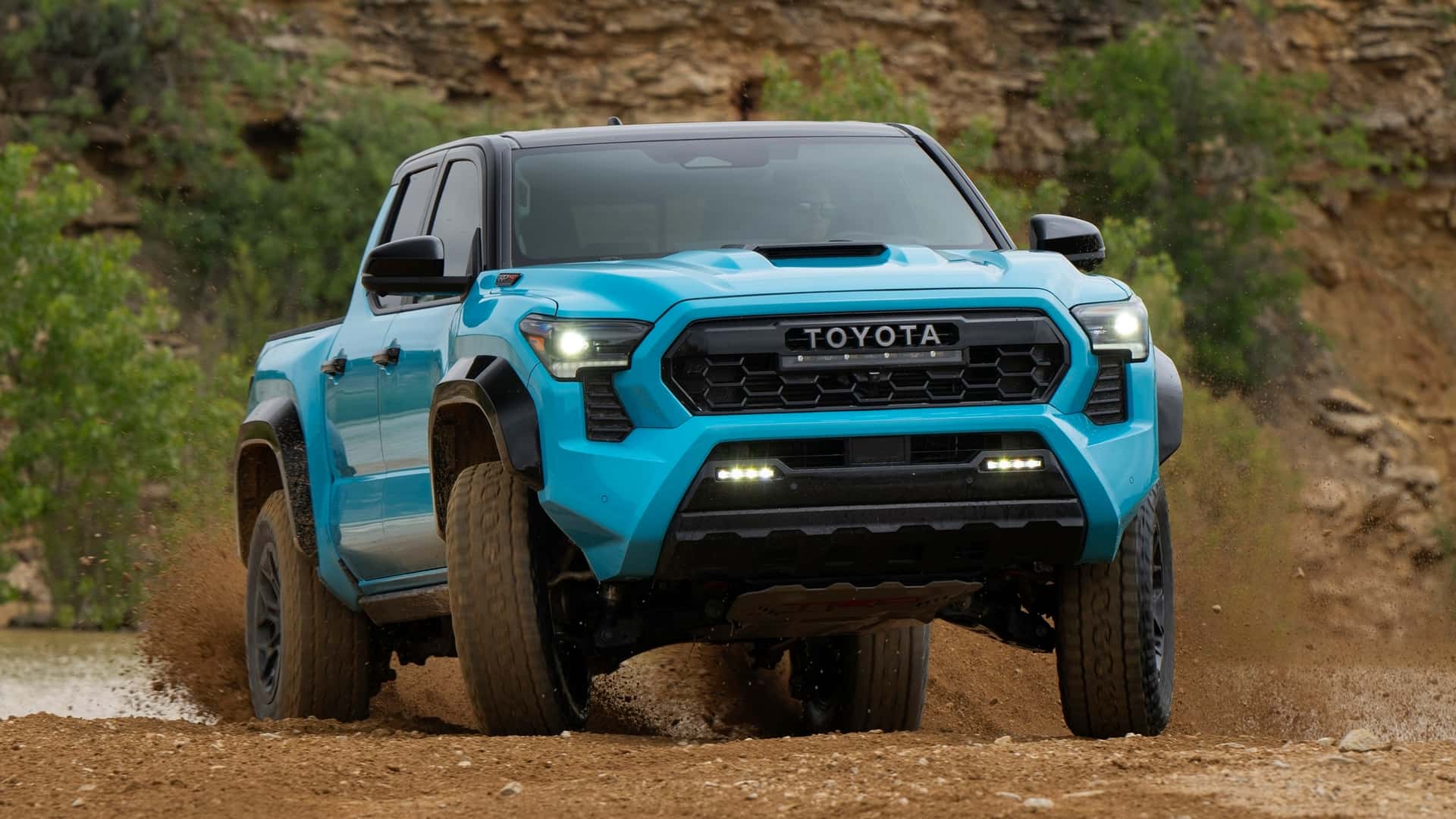
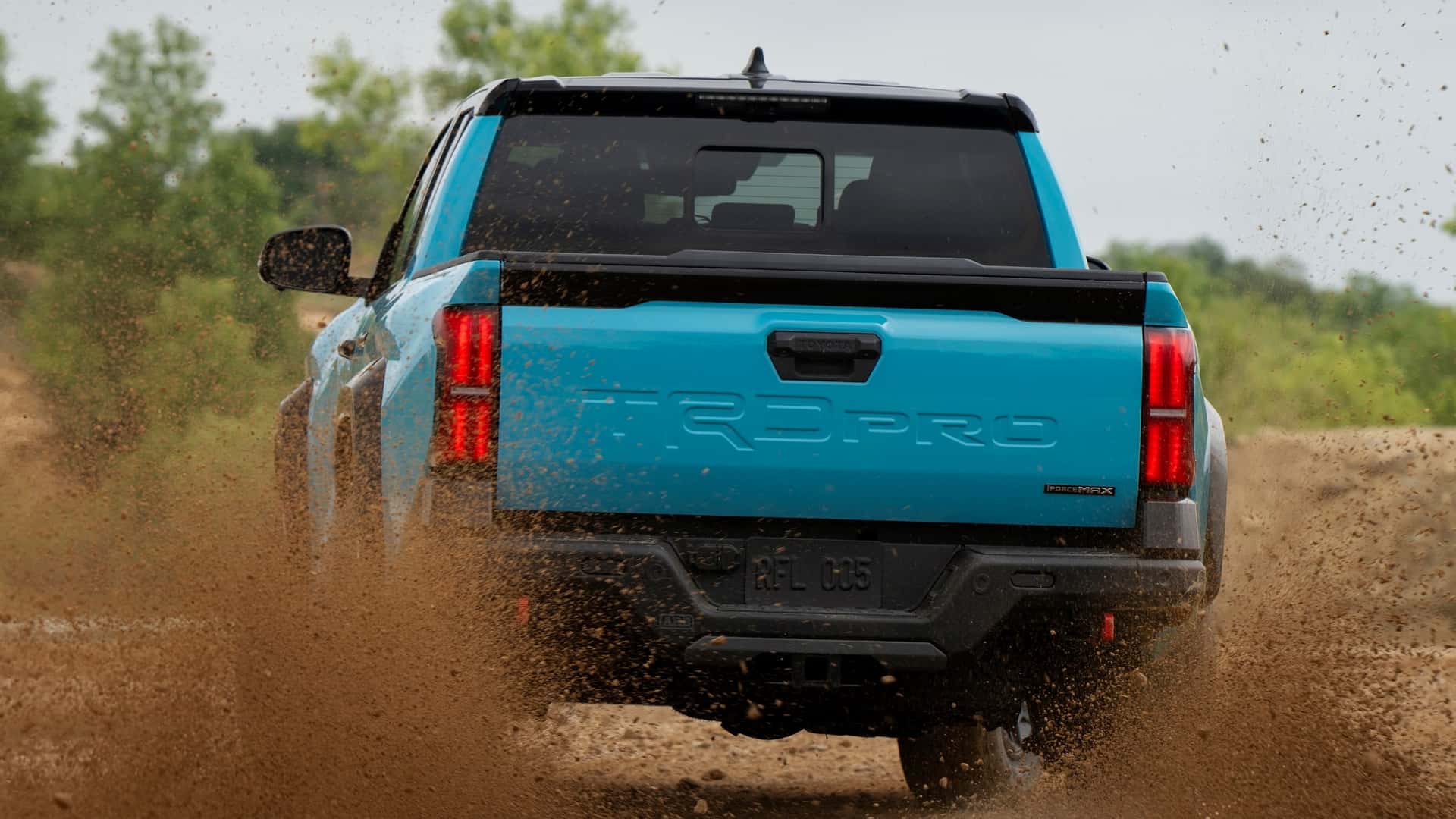
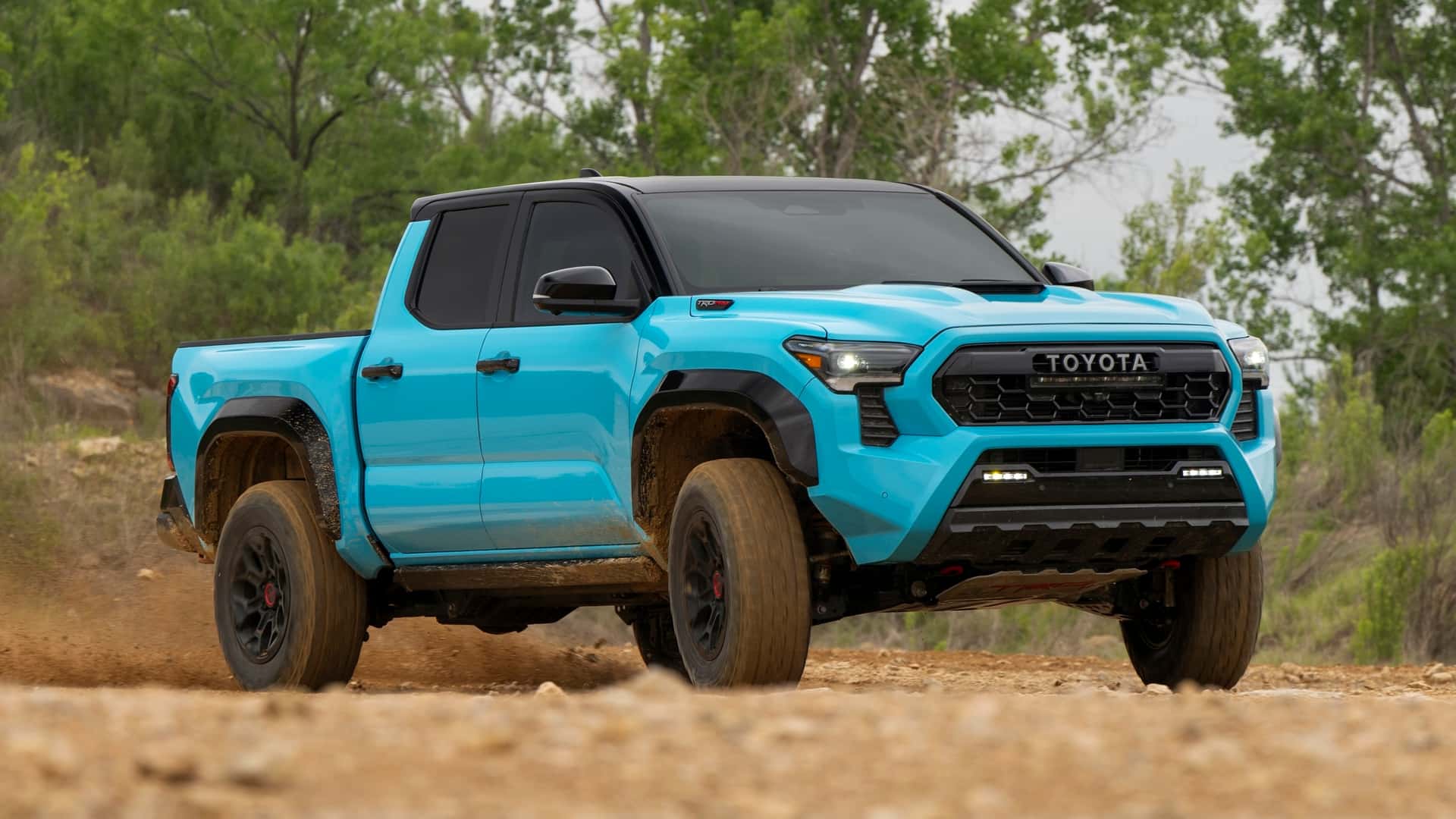
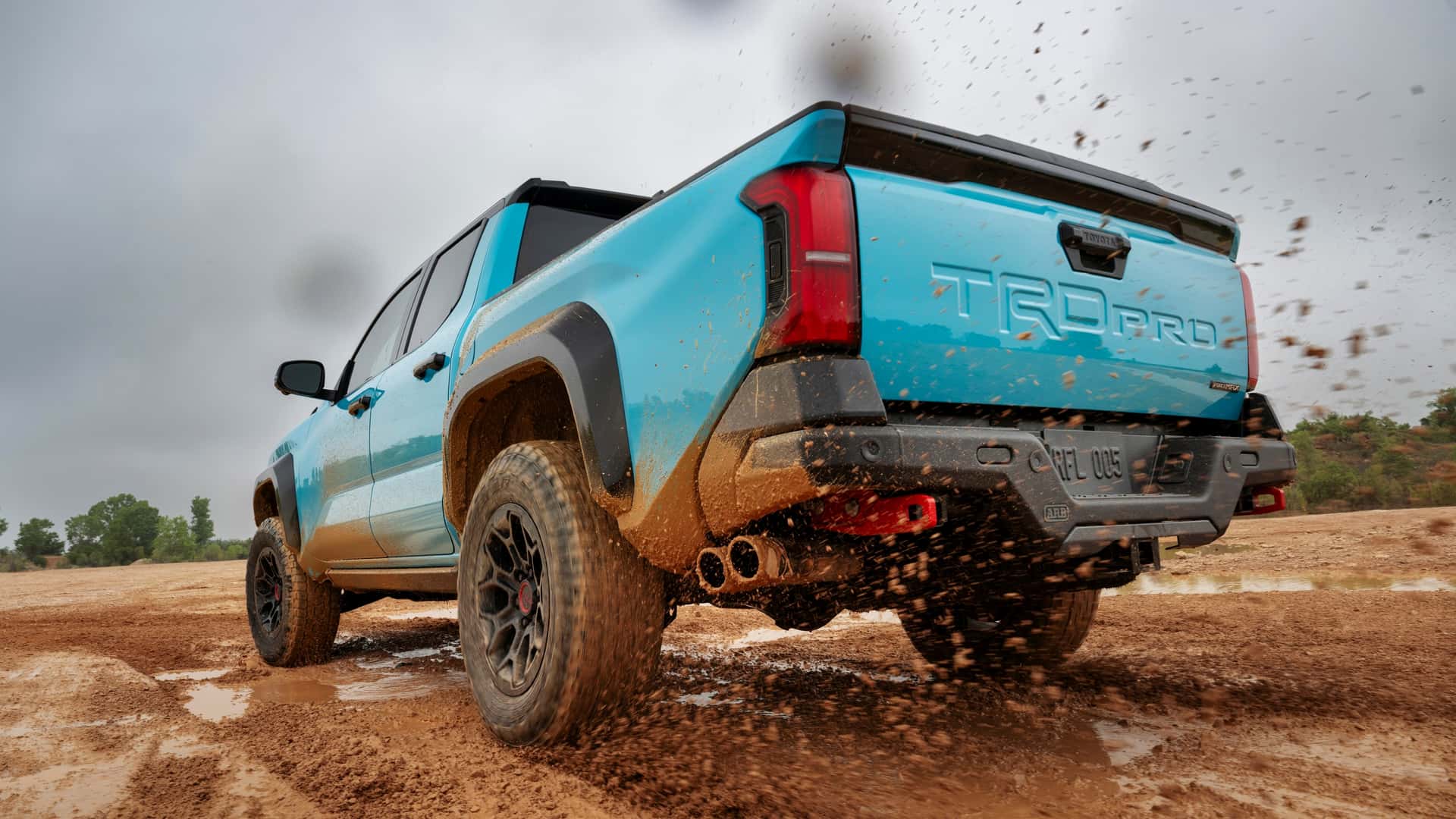
The Long Game vs. The Fast Burn
While the rest of the automotive world is caught in a frantic race to electrify and go digital, Toyota, the planet’s undisputed sales king, is leaning on its oldest trick: sheer, unadulterated reliability. As Chinese EV makers like BYD and Geely surge up the global rankings with dazzling speed and aggressive pricing, Toyota executives are calmly pointing to their decades-old reputation for QDR – quality, durability, and reliability – as the ultimate trump card. It’s a battle of the tortoise versus the hares, but these hares are packing serious horsepower and even more serious ambition.
Toyota’s confidence isn’t just hot air. With over 10.5 million vehicles sold in 2025 (and over 11 million with Daihatsu), they’ve cemented their place at the top for six straight years, leaving rivals like Volkswagen Group in their dust. But the real story is the electrifying ascent of Chinese brands. BYD, now a global heavyweight, snagged sixth place with 4.6 million cars sold, and its chairman has boldly declared his aim to be the world’s number one automaker within five years. Geely, parent to Volvo, saw a massive 26 percent jump in sales, landing them in ninth place. These aren’t just upstarts; they’re a genuine threat, forcing even Toyota to acknowledge a “sense of crisis” unless costs are slashed.
The QDR Advantage: More Than Just a Catchphrase
For decades, Toyota has meticulously cultivated an image of unwavering dependability. It’s a reputation built not on flashy marketing campaigns or radical design shifts, but on countless millions of miles driven without a hitch. This QDR isn’t just a slogan; it’s a core philosophy that permeates every aspect of their operation, from engineering and manufacturing to dealer training and after-sales service. This deep-seated trust is a powerful currency, particularly when consumers are wary of new technologies and unproven brands.
Pappas highlighted that this trust extends beyond the vehicle itself. The extensive and well-established dealer network, coupled with robust after-sales support, forms a crucial safety net for buyers. Knowing that parts are readily available and service centers are plentiful provides a peace of mind that many newer manufacturers struggle to replicate. Add to this the consistently strong resale values that Toyota vehicles command, and you have a compelling package that’s hard for competitors, especially those still finding their feet in global markets, to match.
China’s Lightning Strike: Speed, Scale, and Shocks
Meanwhile, the Chinese automotive industry is moving at a pace that leaves many established players scrambling. Brands like BYD, Geely, and SAIC (owner of MG) are not just growing; they’re exploding onto the global stage. Their strategy often involves aggressive pricing, a rapid rollout of new electric models packed with the latest tech, and a willingness to challenge established norms. It’s a “move fast and break things” approach, but applied to the notoriously complex and capital-intensive world of car manufacturing.
BYD, in particular, has become a dominant force, not only in China but increasingly in export markets. Their vertical integration, controlling everything from battery production to final assembly, allows for remarkable cost efficiencies. This allows them to offer vehicles with impressive range and features at prices that make European and Japanese competitors sweat. The sheer scale of their ambition, as articulated by Chairman Wang Chuanfu, suggests they see Toyota’s sales crown not as an insurmountable peak, but as their next conquest.
The Cost of Complacency: Toyota’s Own Wake-Up Call
Despite its seemingly unshakeable position, Toyota isn’t immune to the pressures of the modern automotive landscape. Even as they tout their reliability advantage, the company’s former CEO, Koji Sato, issued a stark warning earlier this year. In a candid address to suppliers, he painted a grim picture: “Unless things change, we will not survive,” he declared, emphasizing a profound “sense of crisis.” This isn’t the language of a company resting on its laurels; it’s the sound of a titan acknowledging that the ground is shifting beneath its feet.
The challenge for Toyota lies in balancing its traditional strengths with the urgent need to adapt. The automotive industry is undergoing a transformation more profound than any since its inception, driven by electrification, autonomous driving, and connected technologies. While QDR is a powerful asset, it won’t be enough if Toyota can’t also deliver compelling, technologically advanced, and cost-competitive EVs that appeal to a new generation of buyers. The risk is that while Toyota is busy being reliable, the world might just drive past them in pursuit of the next big thing.
The Dealer Network: A Hidden Weapon
In the age of online sales and direct-to-consumer models, the humble car dealership might seem like a relic of the past. Yet, for Toyota, its vast and deeply entrenched dealer network remains a significant competitive advantage, especially when contrasted with the often-patchy service infrastructure of emerging EV players. This network isn’t just about showrooms; it’s about service centers, parts availability, and a human touch that builds lasting customer relationships.
A strong dealer network translates directly into better customer support, faster repairs, and a more consistent ownership experience. For buyers who prioritize peace of mind, knowing they can easily find a qualified technician and necessary parts is a major deciding factor. This is particularly true for mainstream buyers, who may not be as willing to embrace the experimental or less-supported aspects of new mobility solutions. Toyota’s investment in its dealers over decades has created a formidable barrier to entry for rivals still struggling to establish a comparable footprint.
Resale Value: The Smart Buyer’s Metric
Beyond the initial purchase price, the long-term cost of ownership is a critical consideration for most car buyers. Here again, Toyota consistently shines, largely thanks to its reputation for durability and low running costs. This translates directly into strong residual values, meaning a Toyota will typically hold its value better than many of its competitors over time.
For buyers, this means less depreciation and a higher return when it’s time to trade in or sell the vehicle. This financial benefit reinforces the perception of Toyota as a smart, sensible choice. While flashy new EVs might offer cutting-edge technology, their long-term value proposition is often less certain, especially as battery technology evolves rapidly and new models flood the market. The predictable stability of Toyota’s resale value offers a tangible financial advantage that resonates with a broad spectrum of consumers.
The Global Portfolio: A Shield Against Volatility
Toyota’s sheer breadth of offerings across diverse global markets serves as another layer of protection against the industry’s current turbulence. While many automakers are focused intensely on the EV transition, Toyota maintains a vast lineup that includes traditional gasoline engines, hybrids, plug-in hybrids, and a growing, albeit cautious, range of battery-electric vehicles. This multi-pronged approach allows them to cater to a wider array of regional demands and regulatory environments.
For instance, in markets where EV infrastructure is still developing or where consumer adoption is slower, Toyota’s efficient hybrid technology provides a compelling alternative. This flexibility means they aren’t betting their entire future on a single technology path. While some criticize this as a lack of commitment to pure EVs, it also represents a strategic hedge, allowing them to serve established customer preferences while gradually migrating towards electrification. This broad portfolio is a testament to their understanding of global market nuances, a feat difficult for newer, more focused competitors to replicate.
Toyota’s QDR vs. China’s Value Play: The Verdict
Toyota’s insistence on quality, durability, and reliability as its primary edge against the surging Chinese automakers is a strategy rooted in decades of proven success. It’s a promise of dependable transportation, backed by a robust support system and strong resale values. This approach appeals to a vast segment of the global car-buying public that prioritizes long-term value and peace of mind over the latest technological trends or aggressive pricing.
However, the automotive world is changing at warp speed. Chinese brands are not just offering value; they are rapidly closing the gap in perceived quality and technological sophistication, all while maintaining a significant price advantage. Toyota’s internal acknowledgement of a “sense of crisis” suggests that even the mighty QDR might not be enough if the company cannot accelerate its own transition to competitive EVs and cost efficiencies. The ultimate winner will likely be the one that can best blend enduring dependability with the innovative spirit demanded by the future.
- Global Sales Dominance: Toyota maintains its position as the world’s largest automaker, selling over 10.5 million vehicles in 2025.
- Chinese Surge: Brands like BYD and Geely are rapidly climbing global rankings, challenging established players.
- Toyota’s Core Strength: The company leans heavily on its reputation for Quality, Durability, and Reliability (QDR).
- Dealer Network Advantage: Toyota’s extensive dealer and after-sales support network provides a significant competitive edge.
- Resale Value: Toyota vehicles consistently hold their value well, appealing to cost-conscious buyers.
- Internal Concerns: Despite its strengths, Toyota acknowledges a “sense of crisis” and the need for cost reduction and faster adaptation.