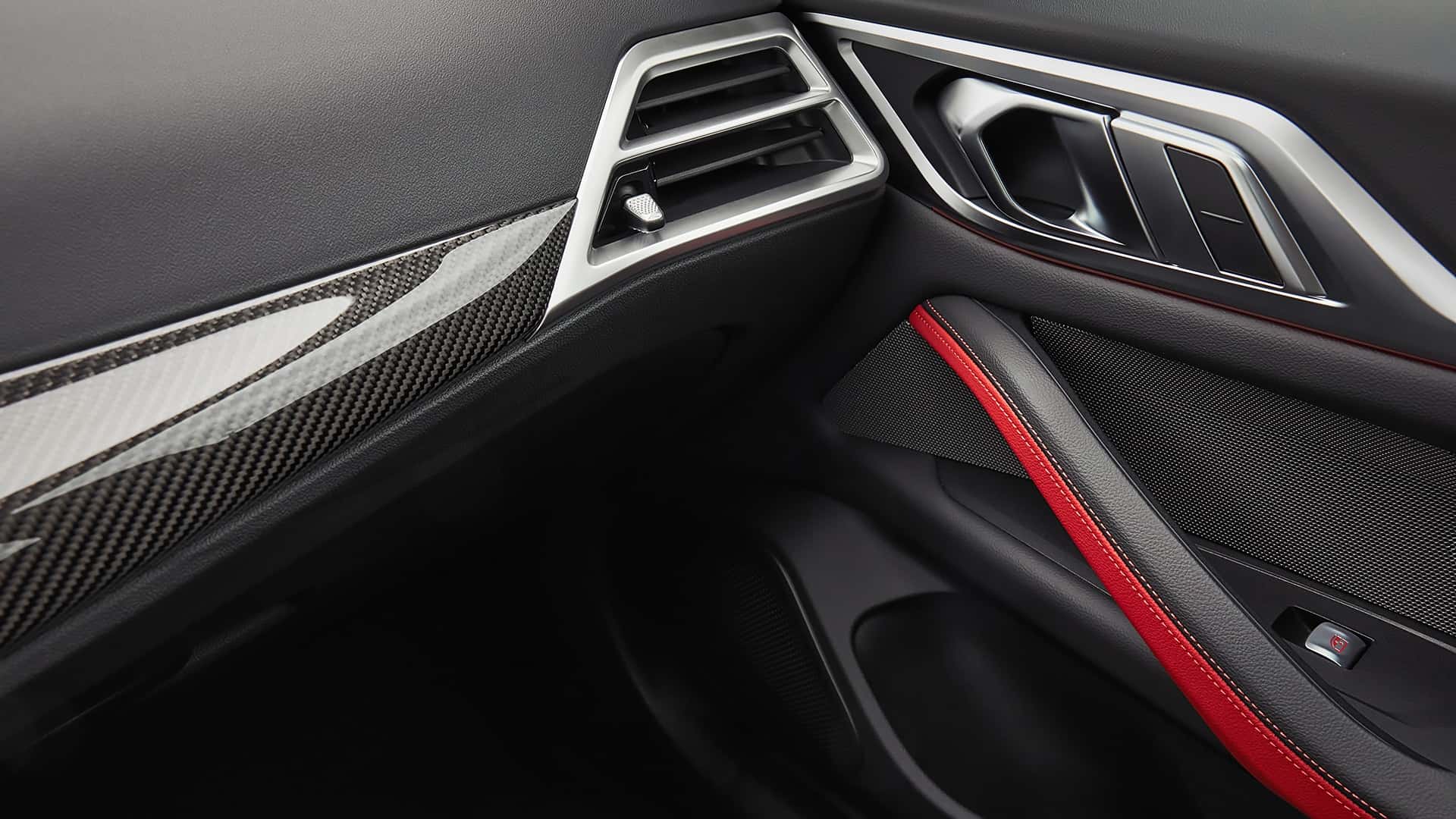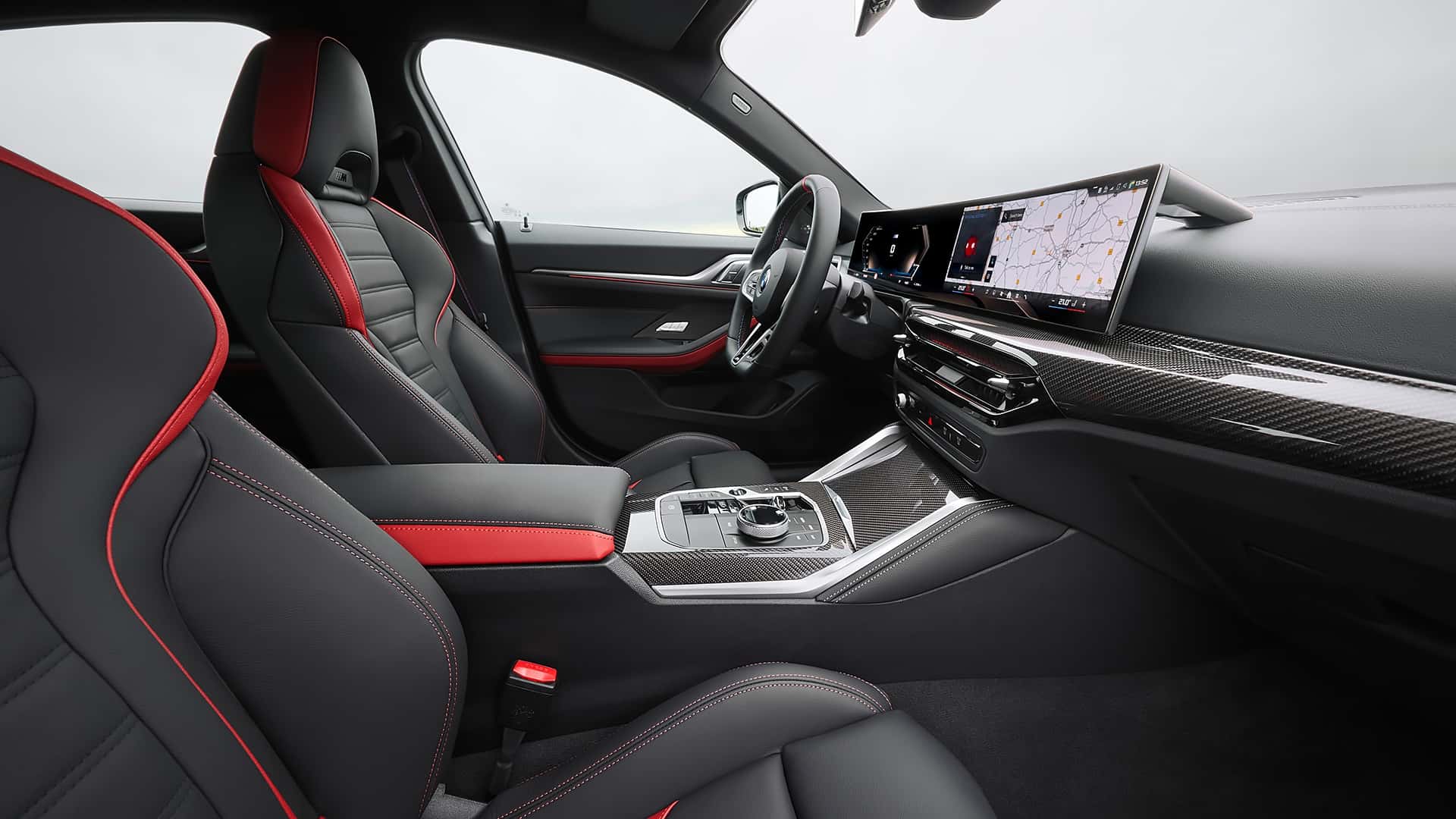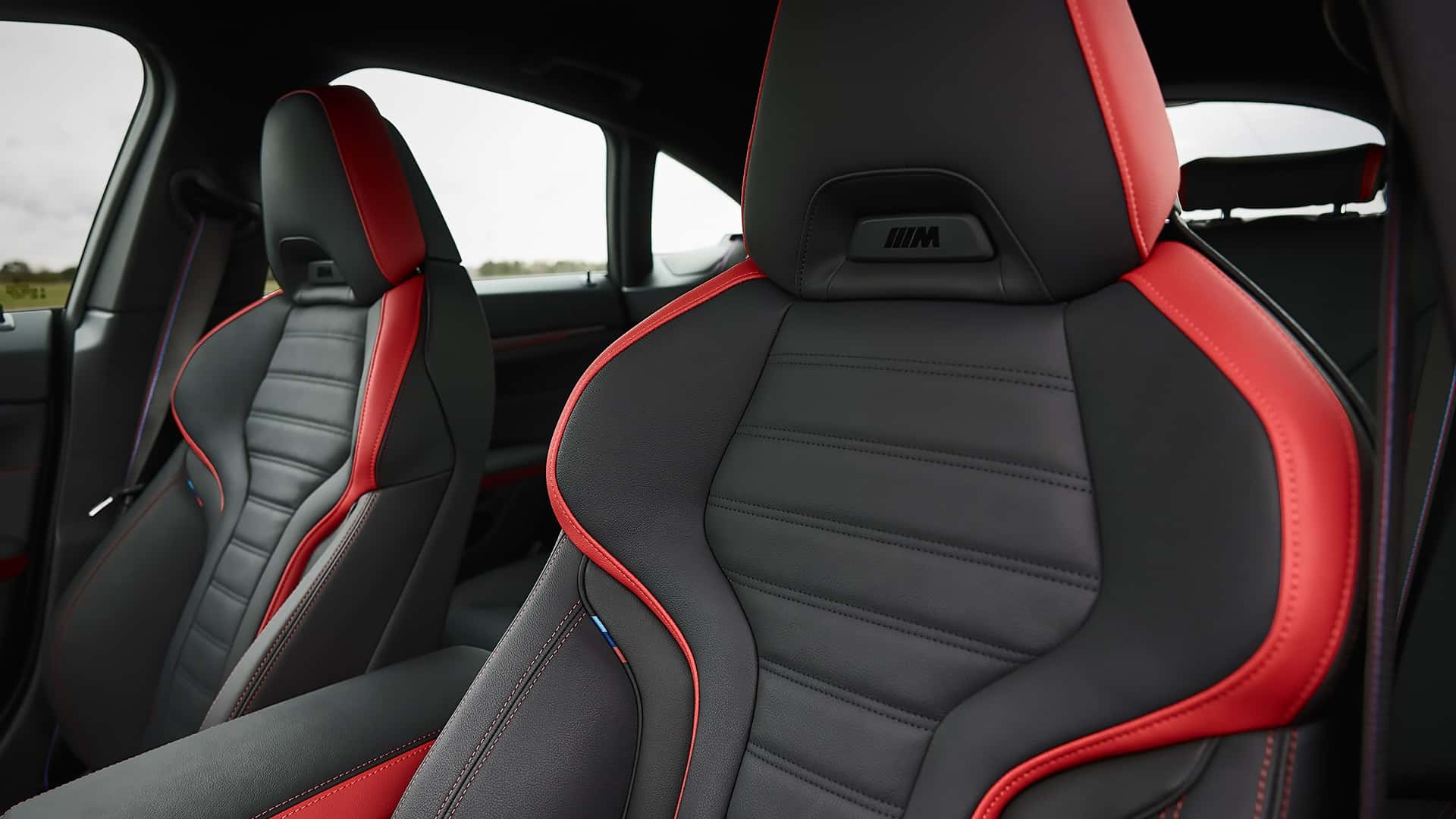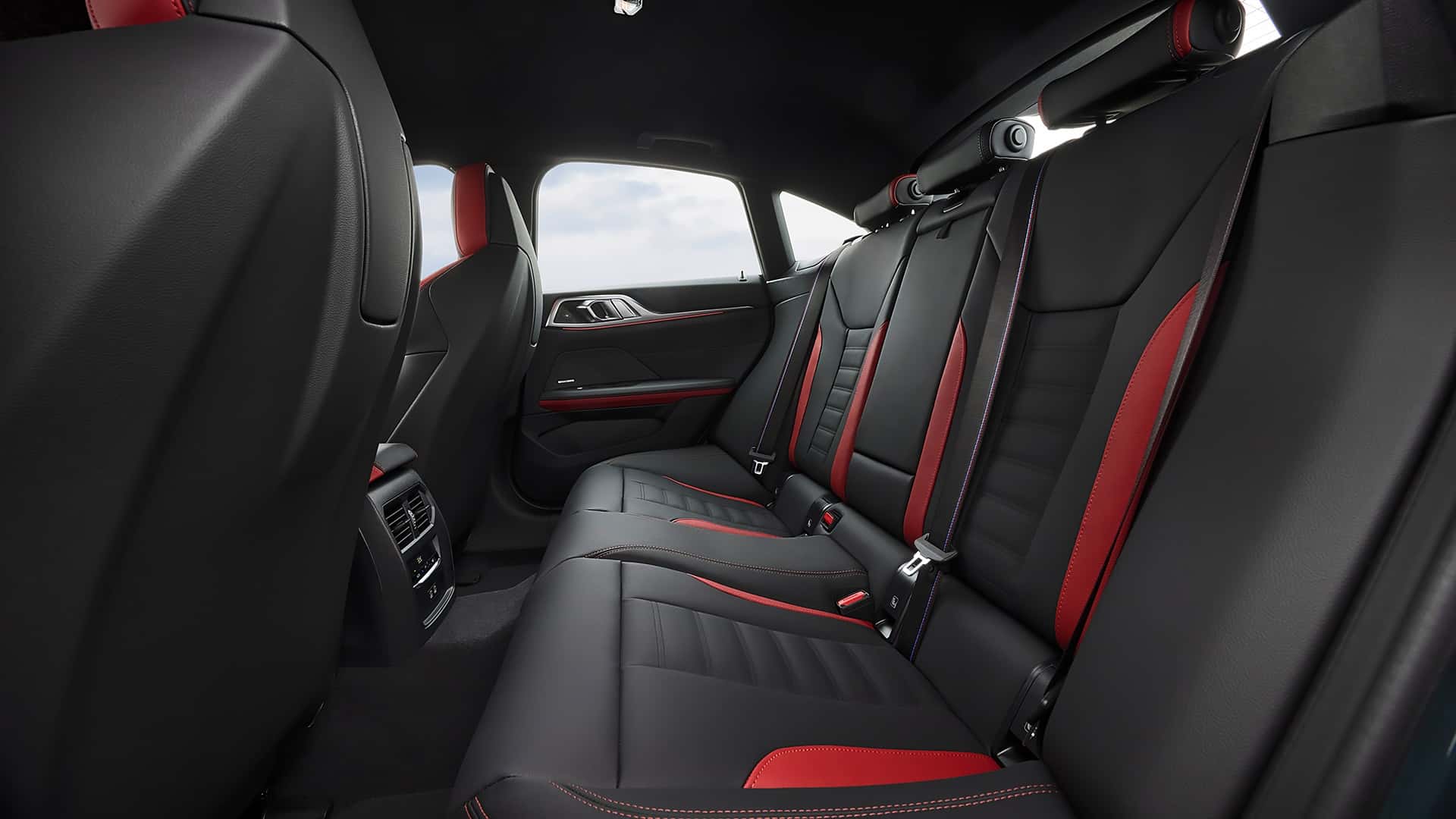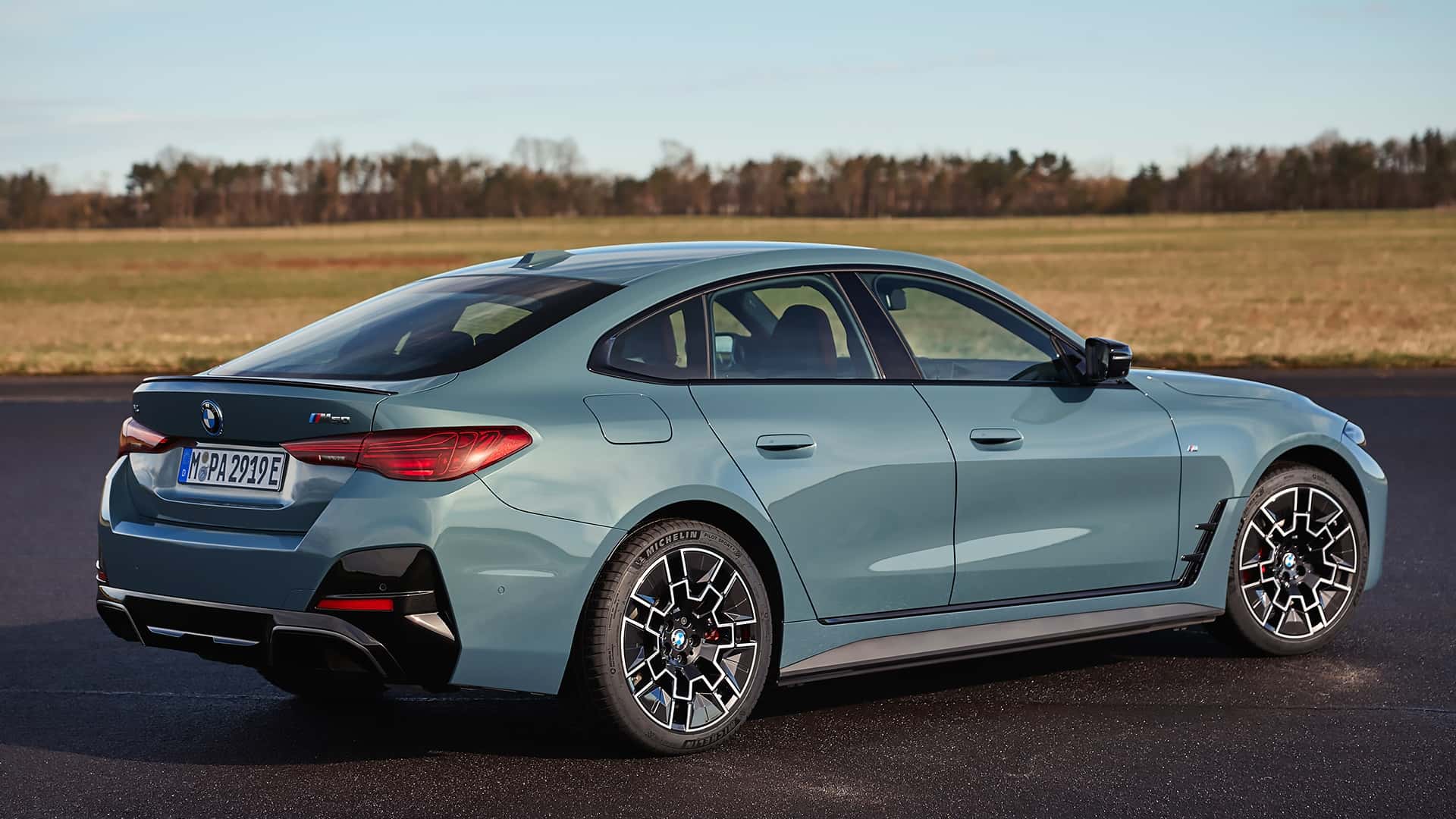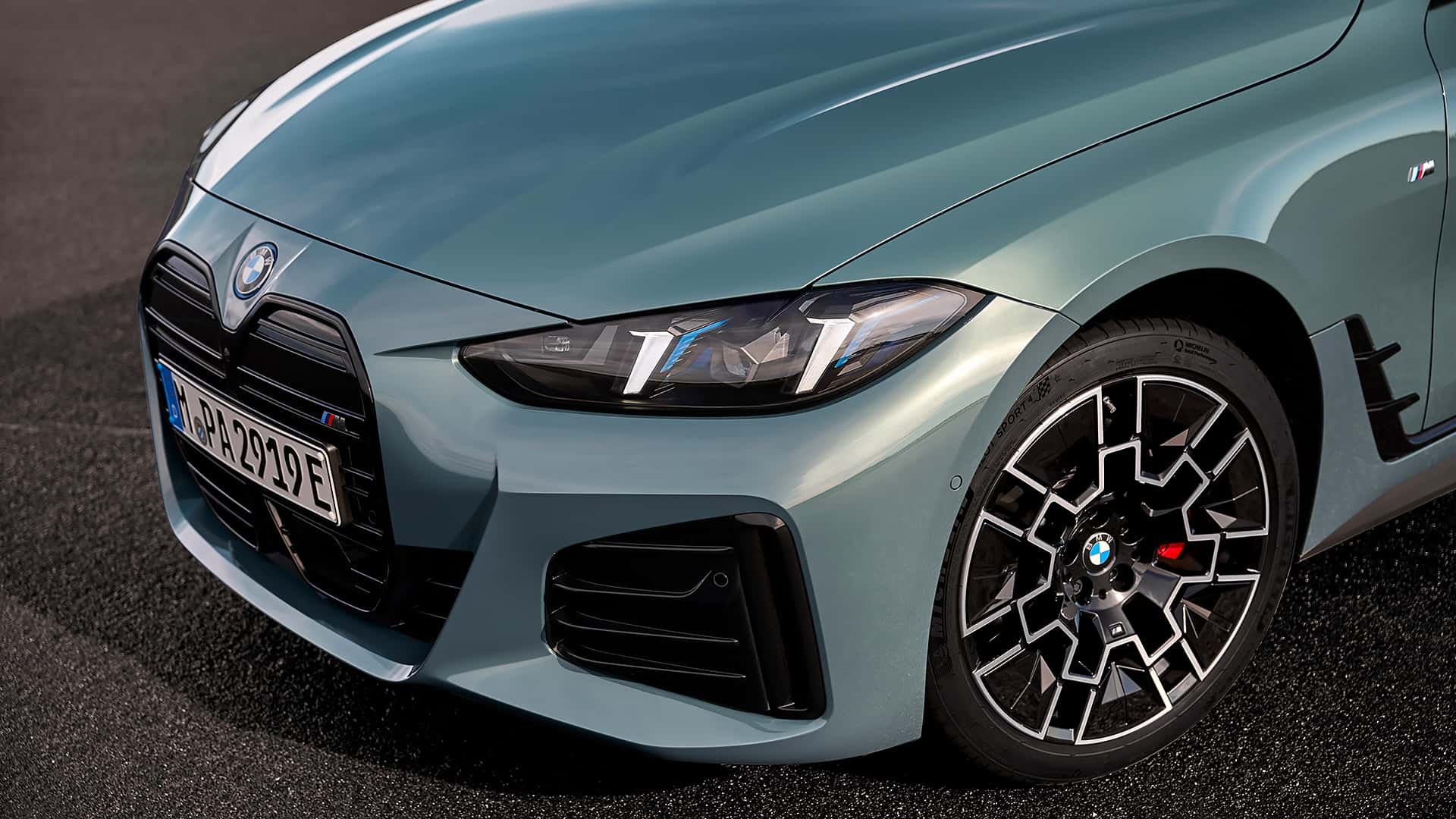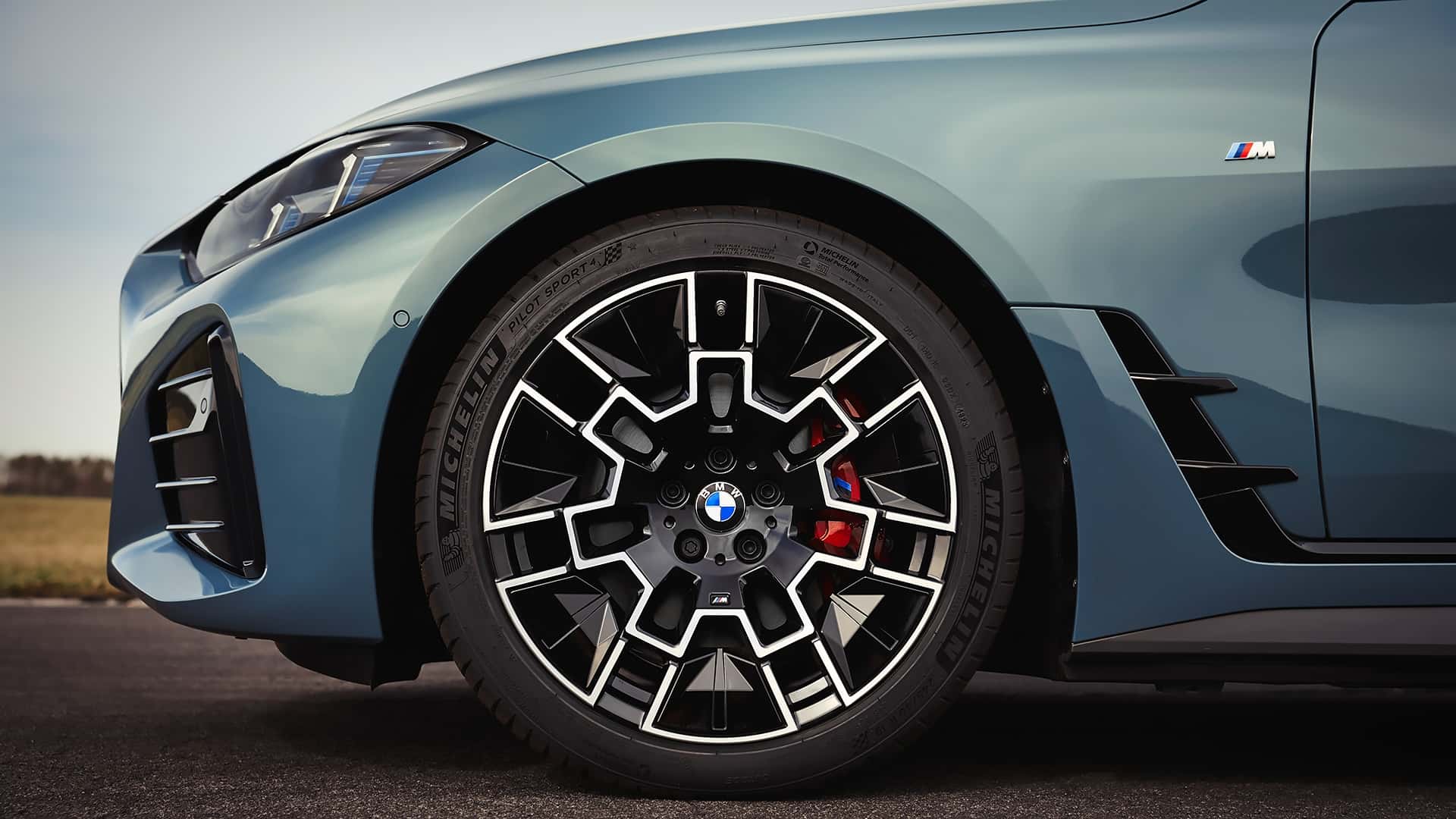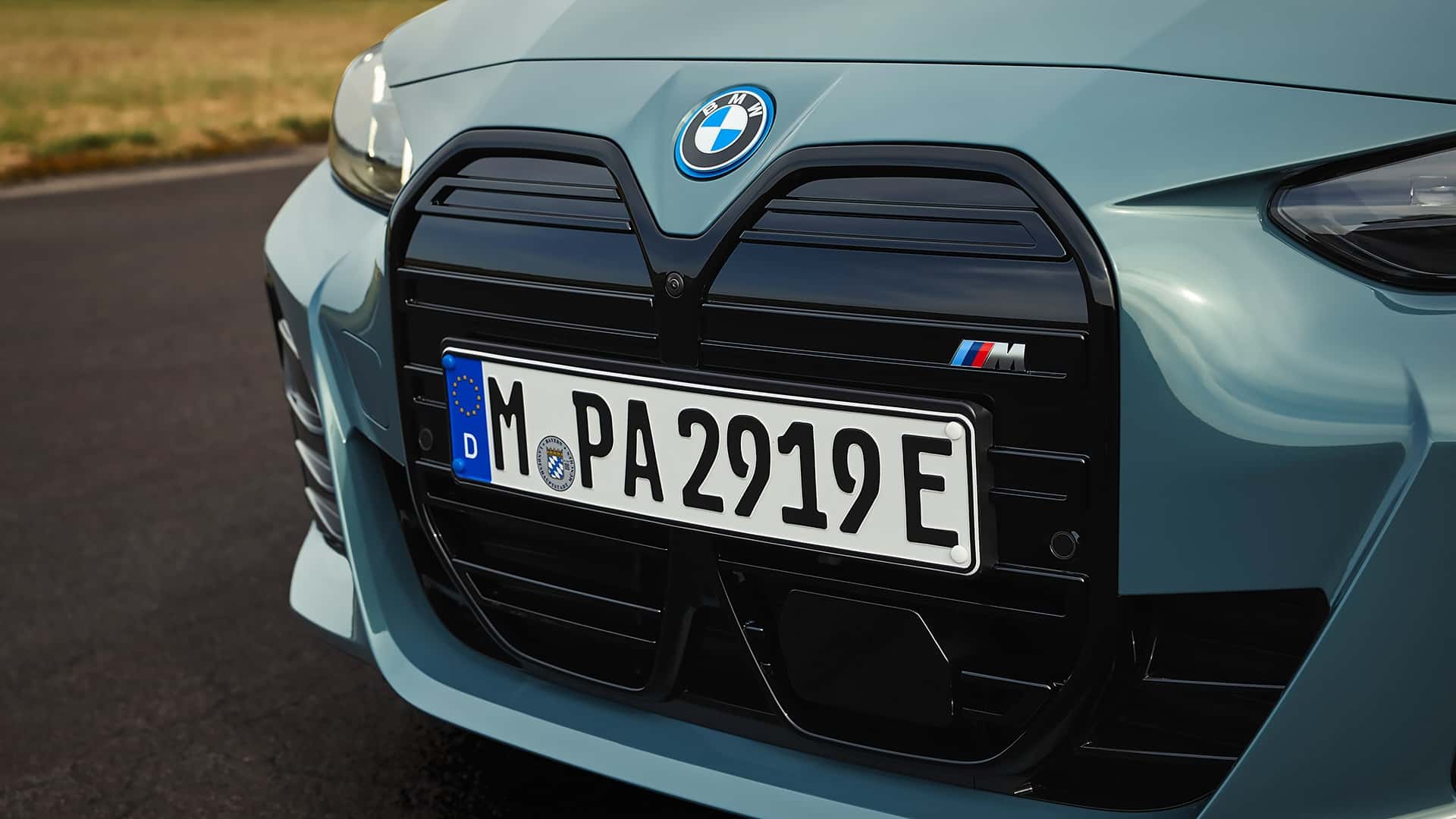
In a world where aesthetics reign supreme, cars are becoming true works of art, but what about their technical performance?
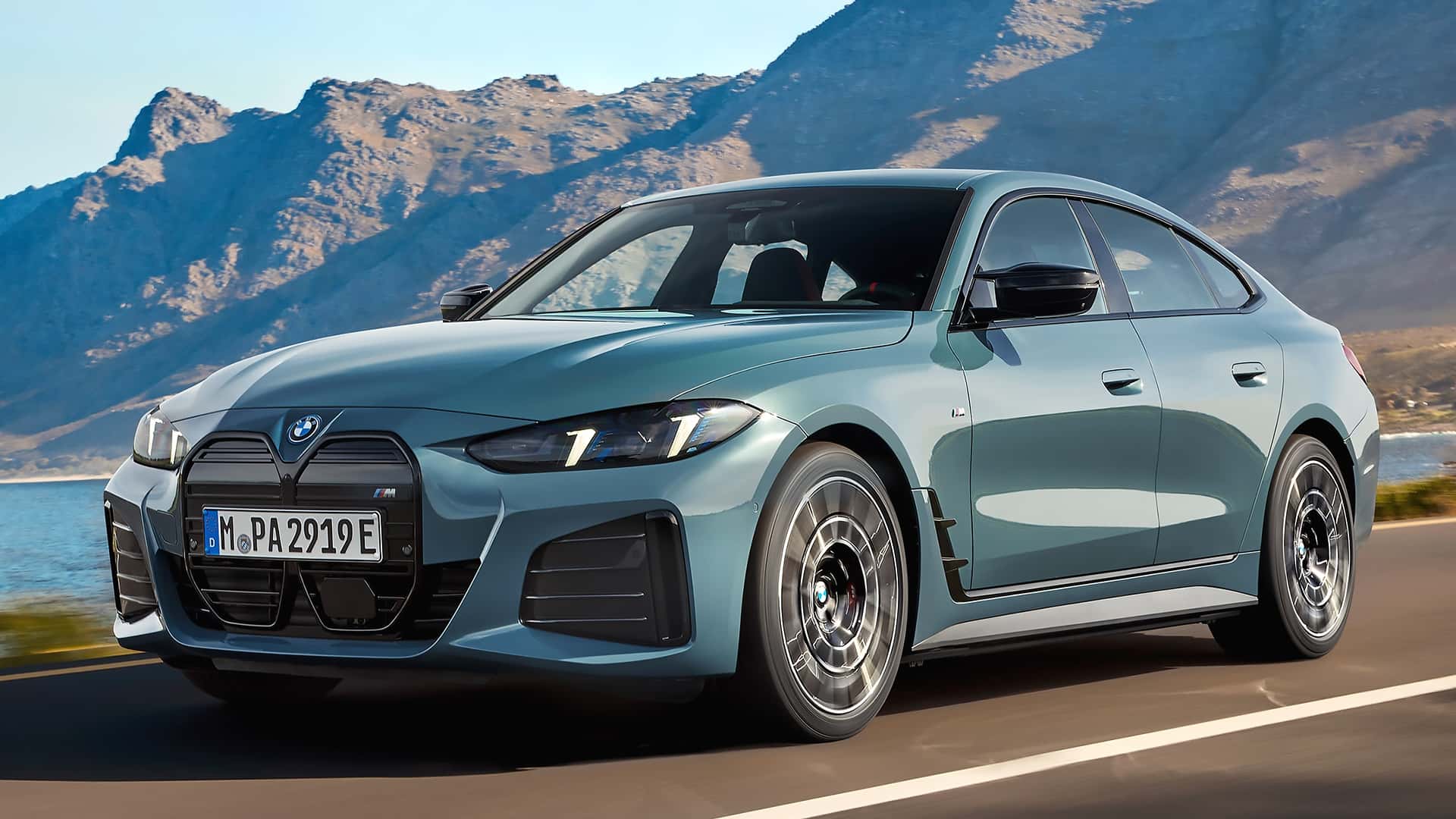
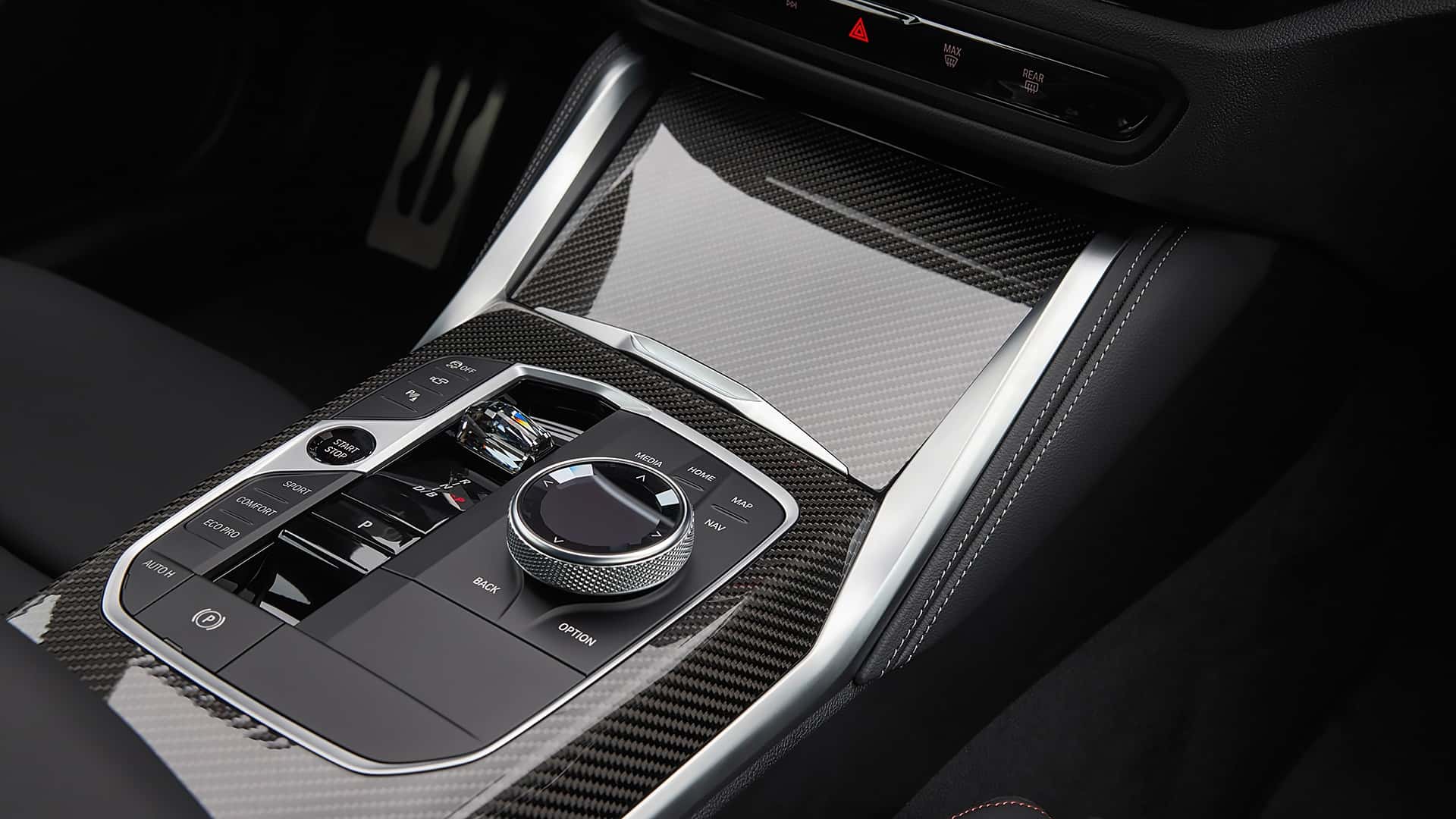
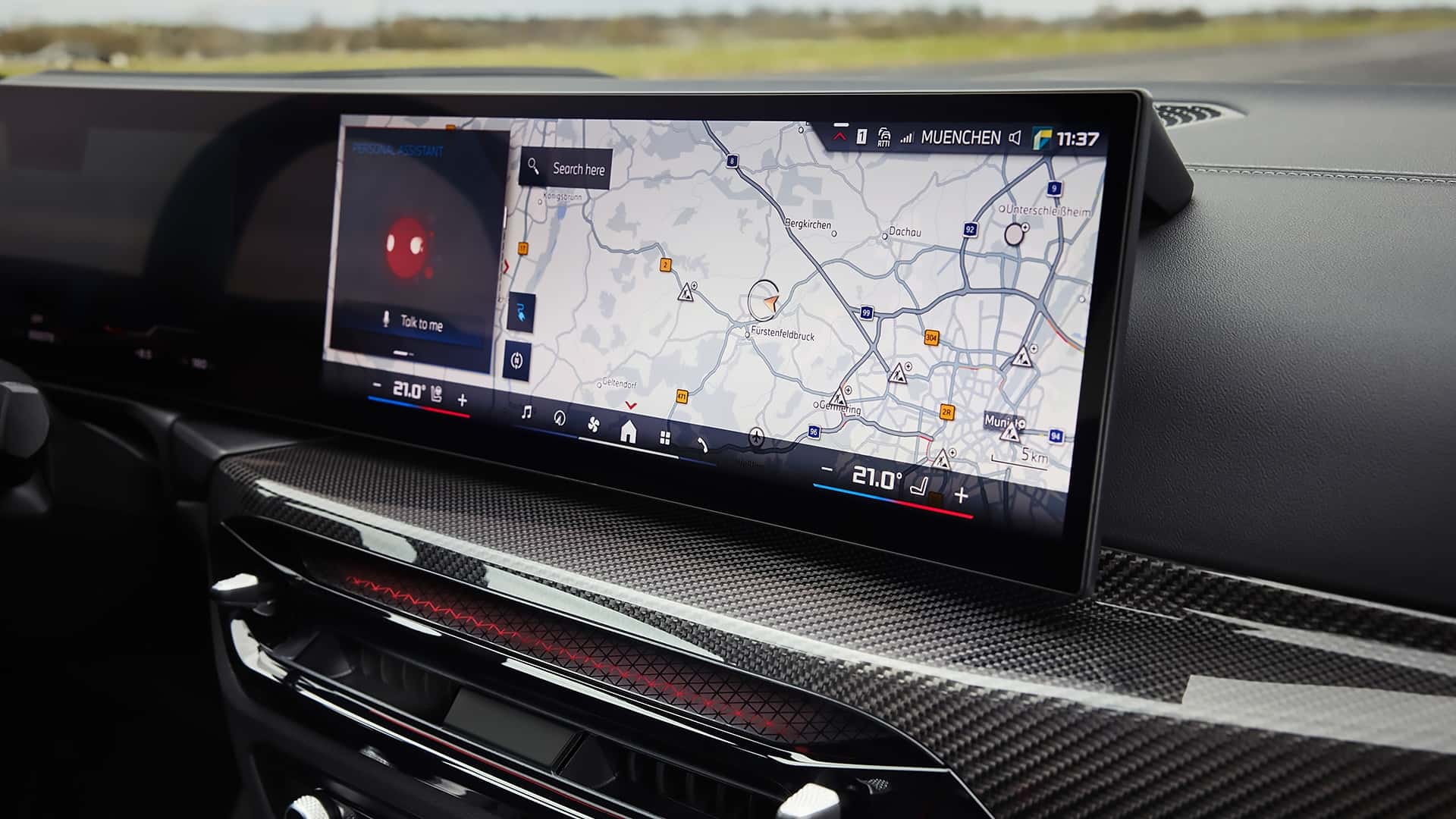
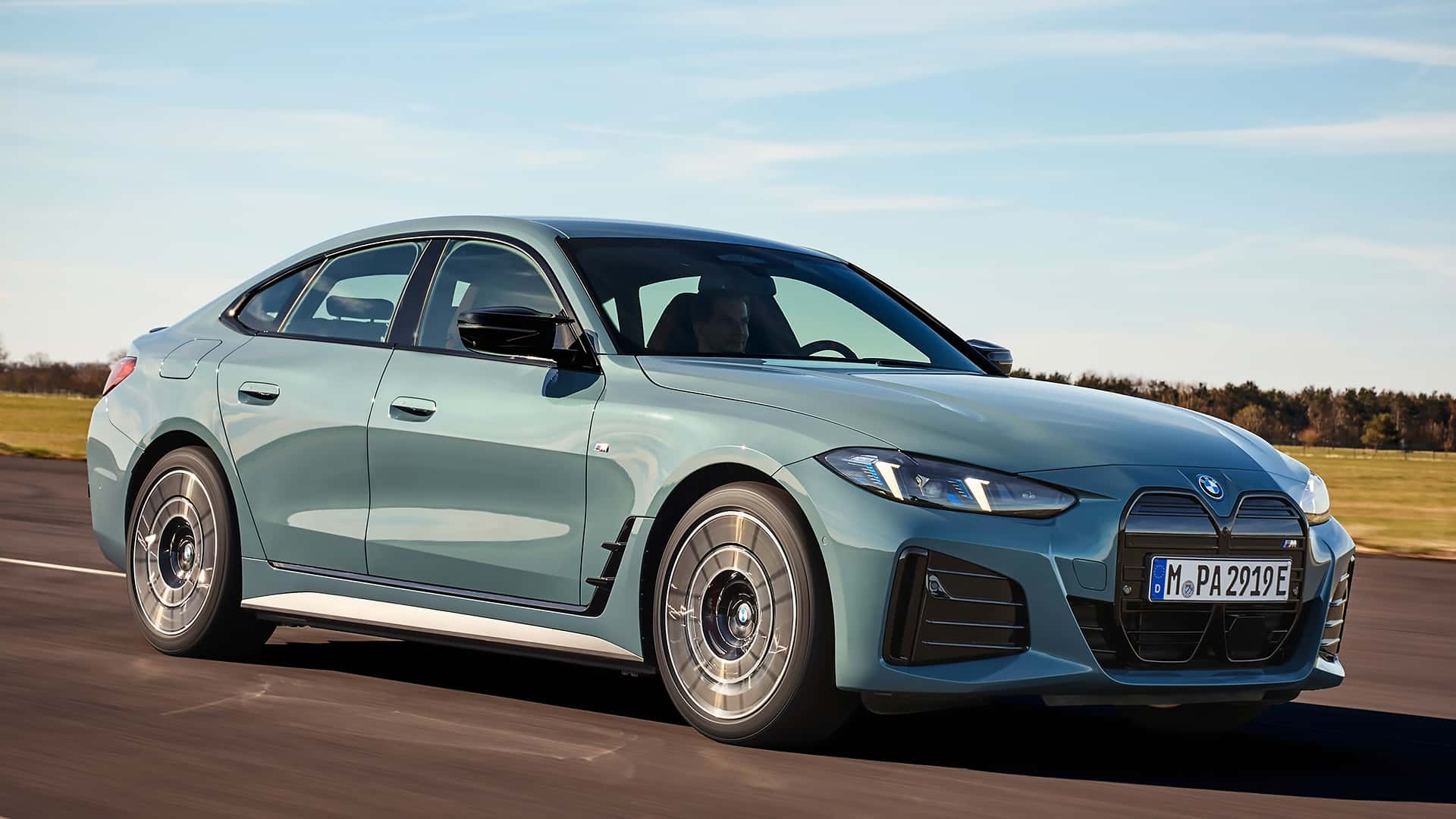
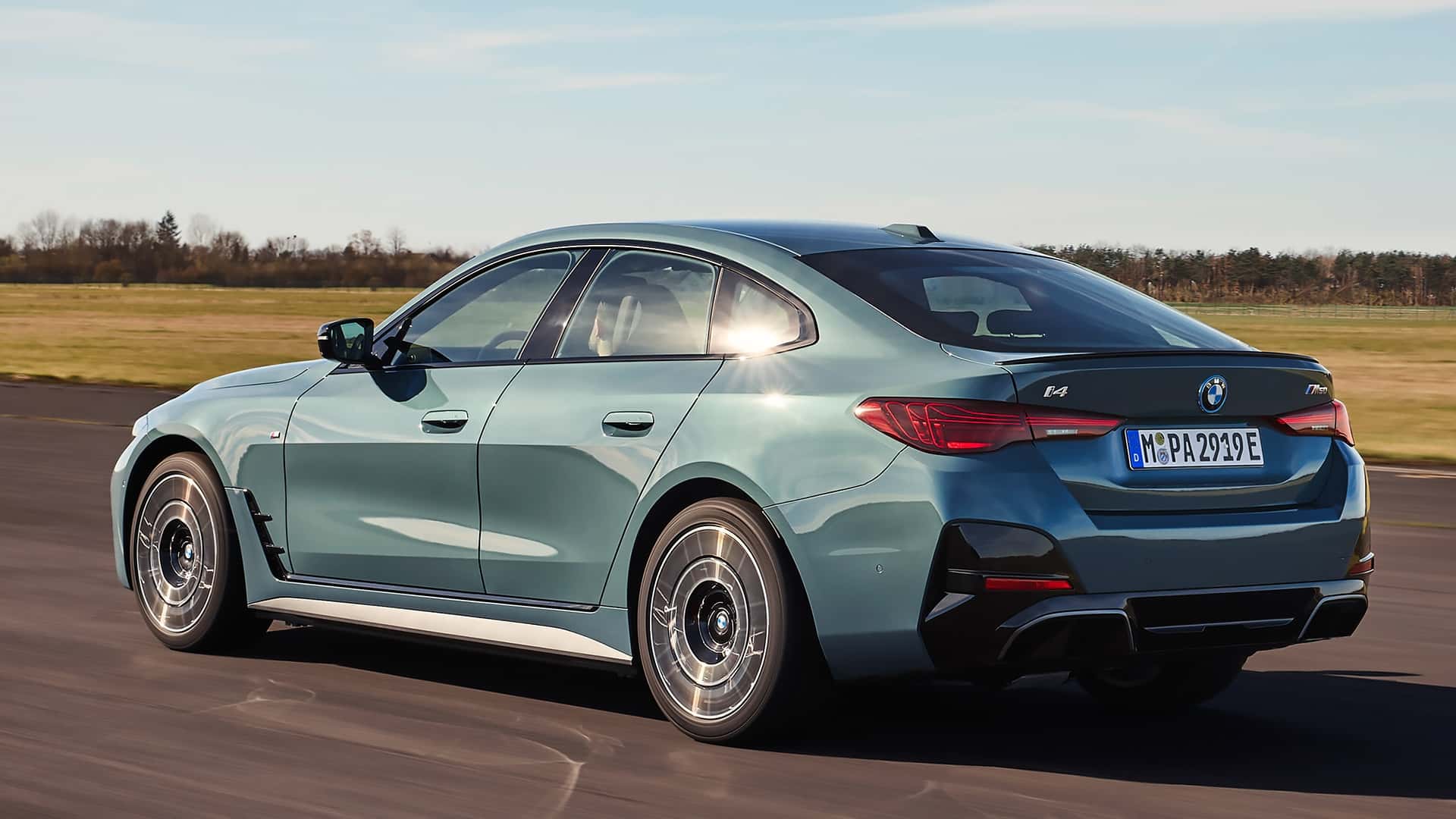
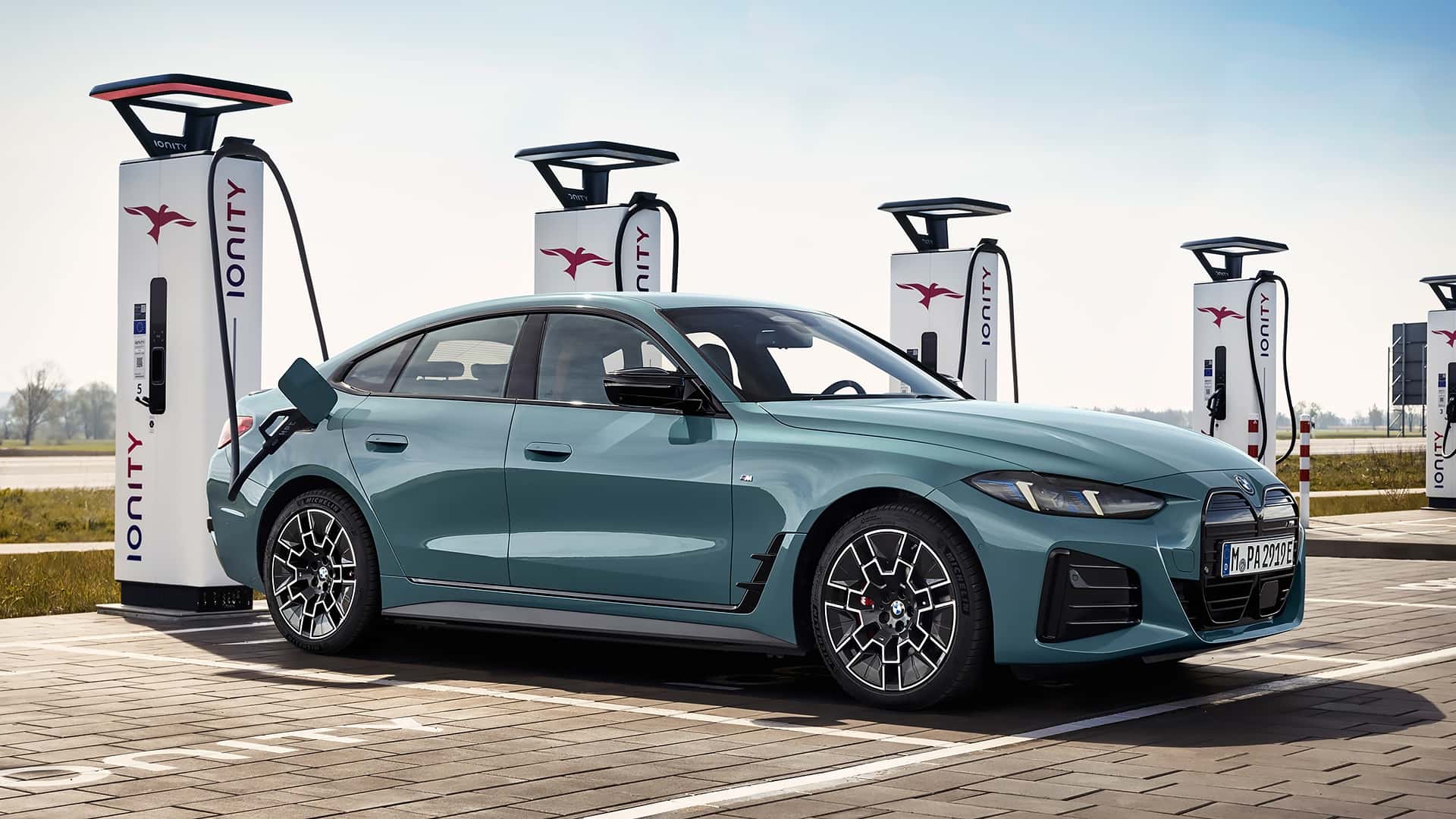
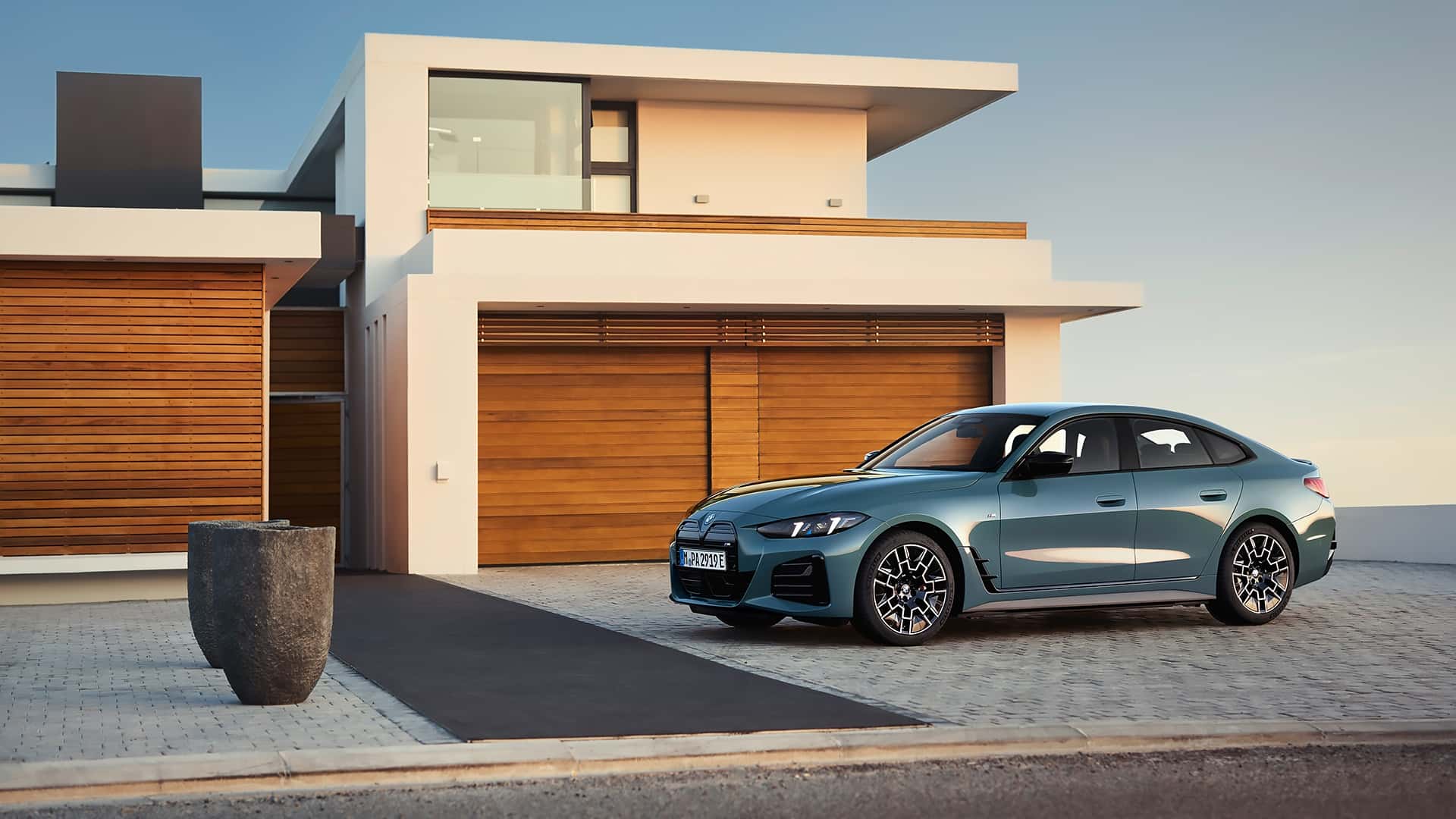
Automotive designers are competing to create eye-catching models. With futuristic lines and meticulous finishes, these vehicles seem straight out of a sci-fi movie. Yet, behind this beauty sometimes lies a less flattering reality. Brands like BMW focus on striking designs, but this can come at the expense of driving enjoyment. Take the new i4 and its sibling iX, which, despite their alluring looks, struggle to deliver a driving experience that lives up to their promises.
Aesthetics vs. Performance: The Designer’s Dilemma
It’s undeniable that aesthetics play a crucial role in vehicle selection. Consumers are drawn to models that stand out, but this should not come at the cost of performance. Consider the Audi Q4 e-tron, which, while attractive, must prove it can compete with more established models in the market. The question arises: how far can brands push design without sacrificing the essentials?
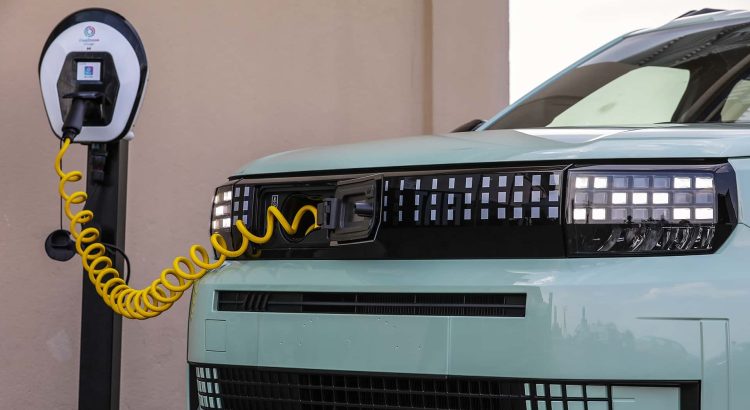
Vehicles like the Grande Panda Électrique and the Lancia Ypsilon, though appealing, must also face market realities. Consumers seek cars that blend style and functionality, not models that shine in appearance but disappoint on the road.

The Grande Panda Électrique, for instance, must prove it can combine modern design with reliable technology.
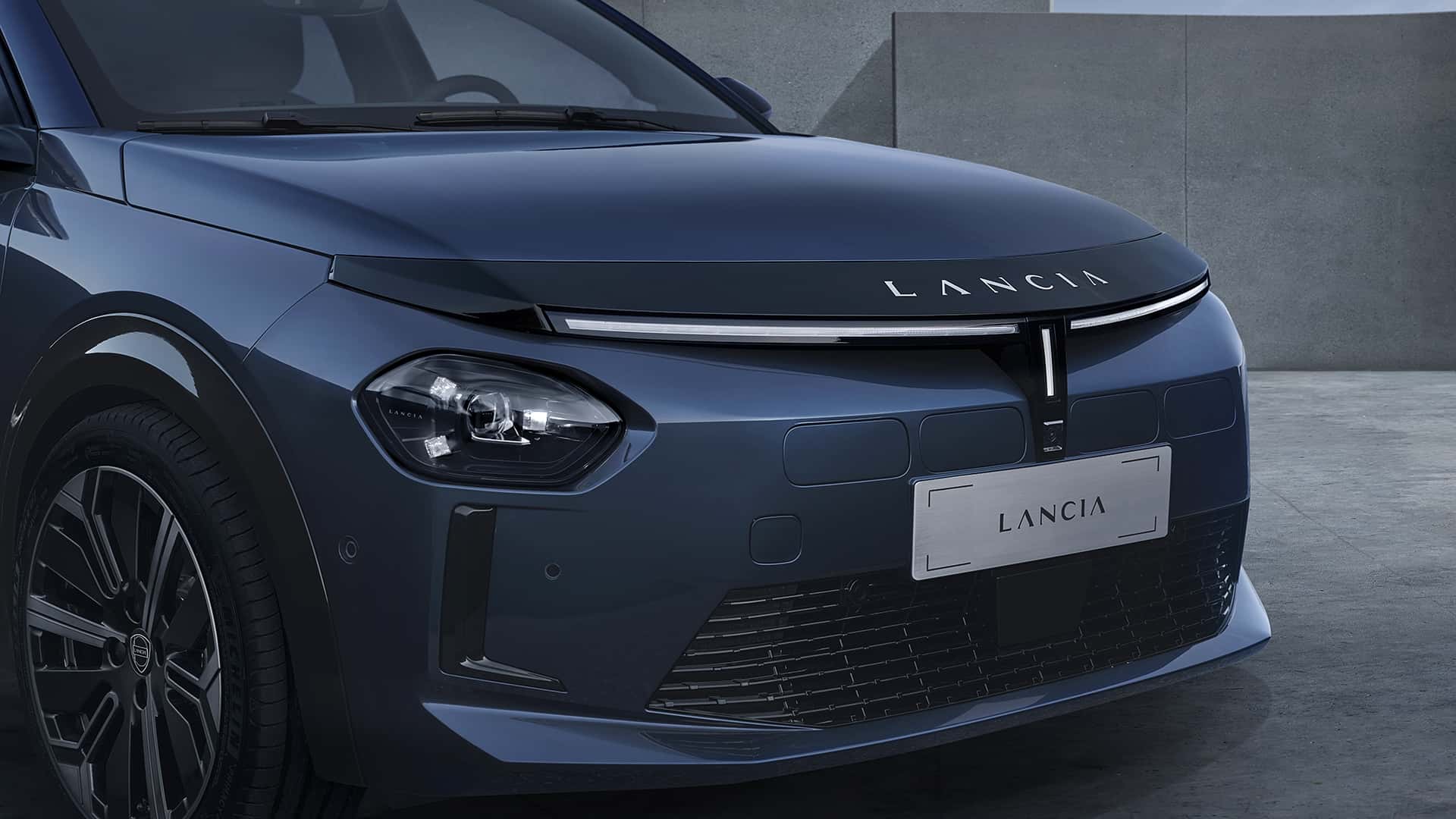
The Lancia Ypsilon embodies this duality between style and performance, but will it convince purists?
Technology and Aesthetics: A Delicate Balance
Technology should serve aesthetics, not the other way around. Brands need to find a balance between innovation and design. Models like the Audi Q4 e-tron and the Tesla Model 3 must prove they can deliver a satisfying driving experience while being visually appealing.
Consumers, for their part, must be aware that behind every attractive design lies technology that needs to meet expectations. Models like the Clio and Model 3 must not only entice with their looks but also perform well on the road.

The Audi Q4 35 e-tron (2024) must prove it can merge design with performance.

The Tesla Model 3, with its sleek design, also faces the reality of competition.
Conclusion
- Modern cars must blend aesthetics and performance to attract consumers.
- Brands need to recognize that design should not come at the expense of technology.
- Consumers should be vigilant against models that shine in appearance but lack substance.
- Finding a balance between innovation and aesthetics is essential for a satisfying driving experience.
- Models must prove they can combine style and functionality to succeed in the market.
In summary, automotive design is a delicate art that requires a balance between aesthetics and performance. Brands must continue to innovate while keeping in mind that technology is just as important as appearance. Consumers, in turn, need to be aware of this duality to make informed choices.