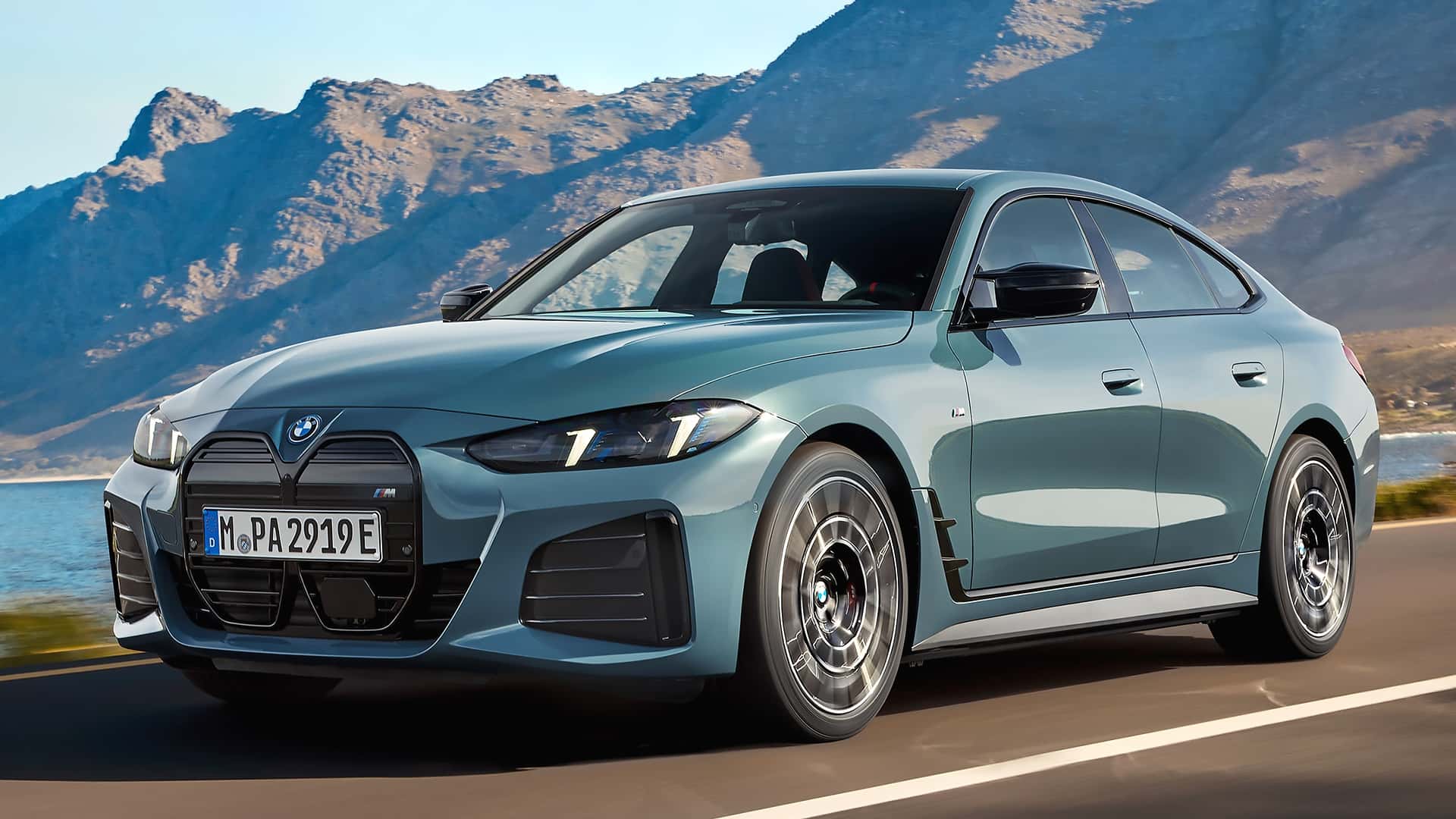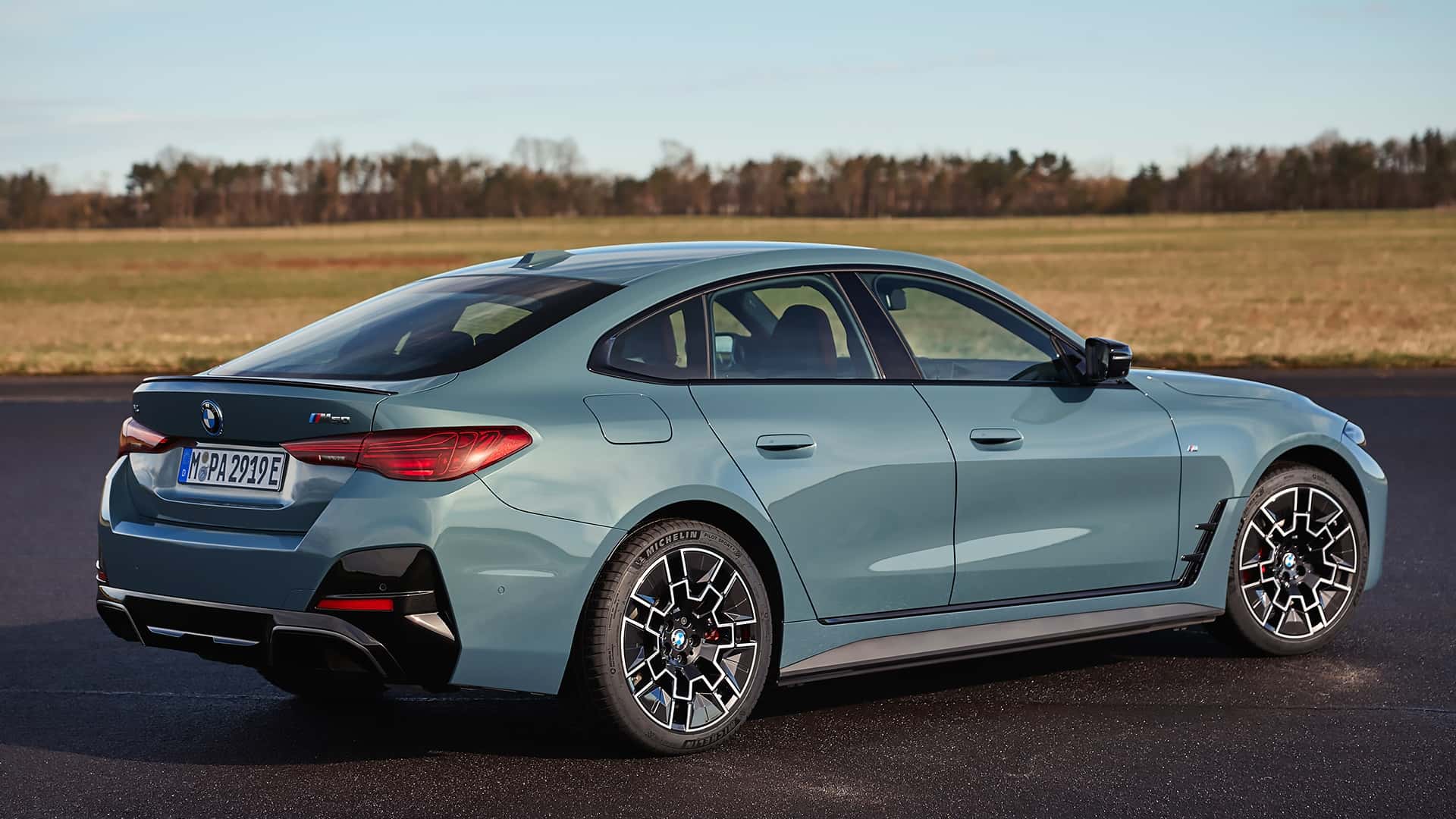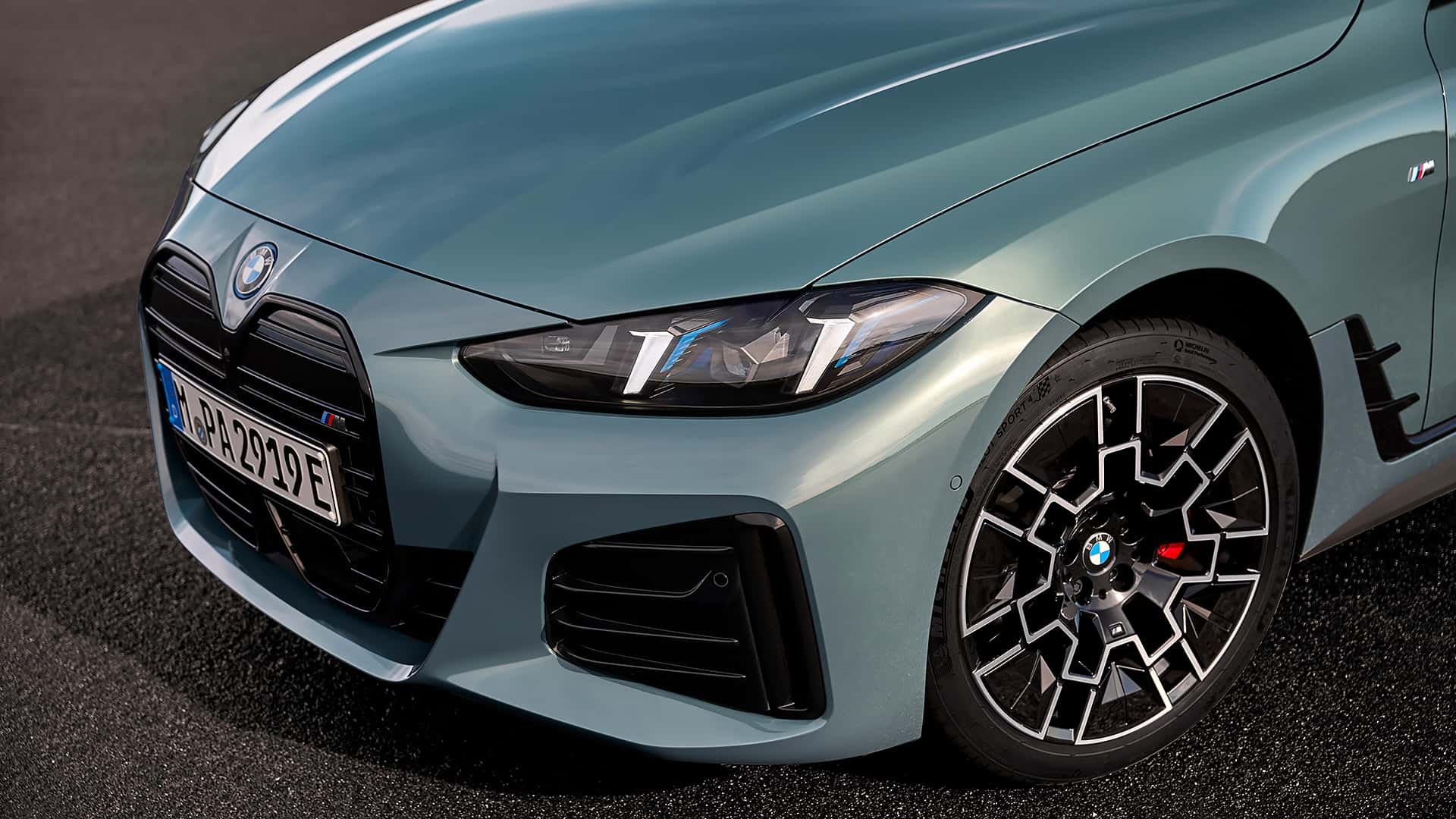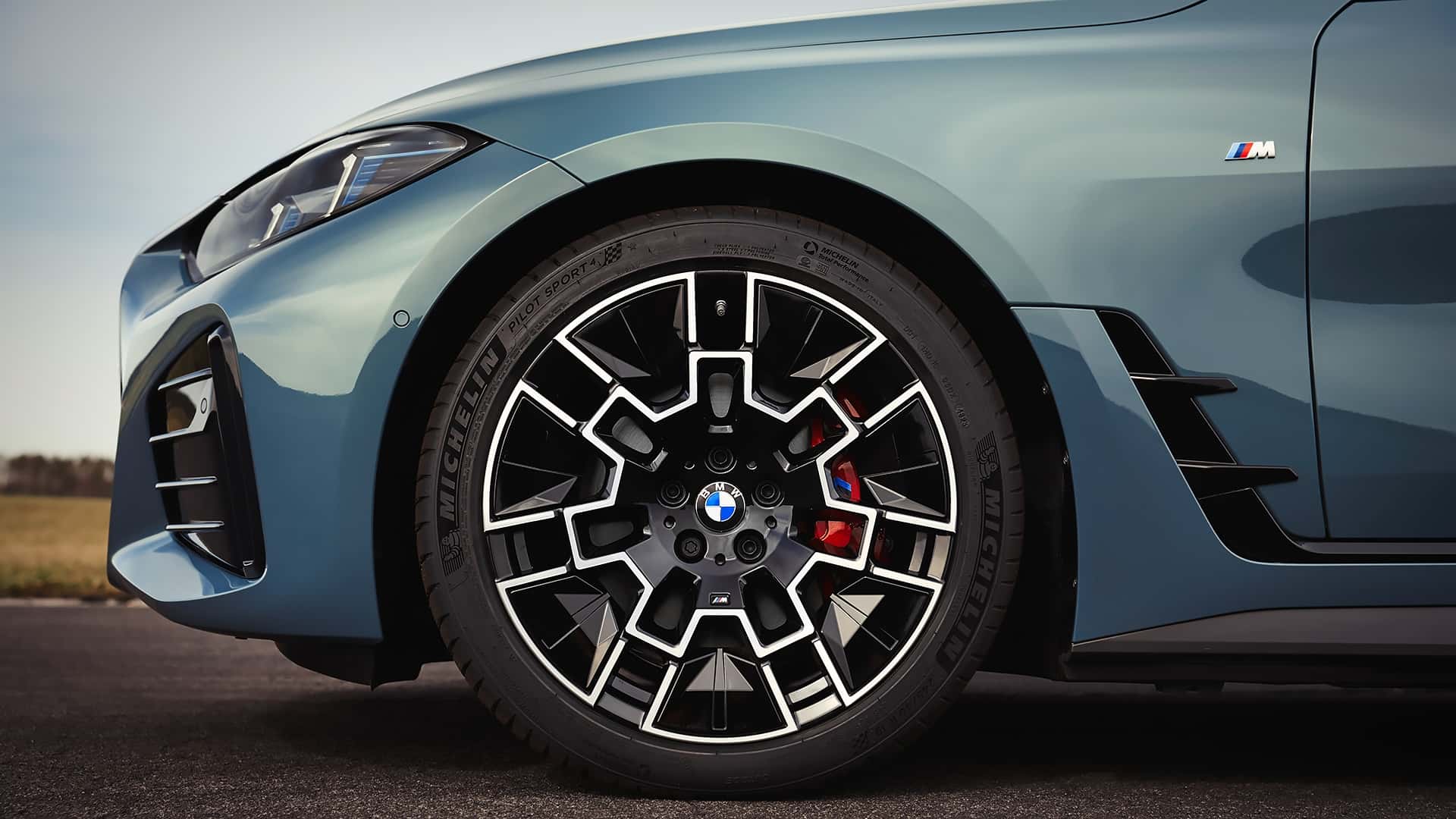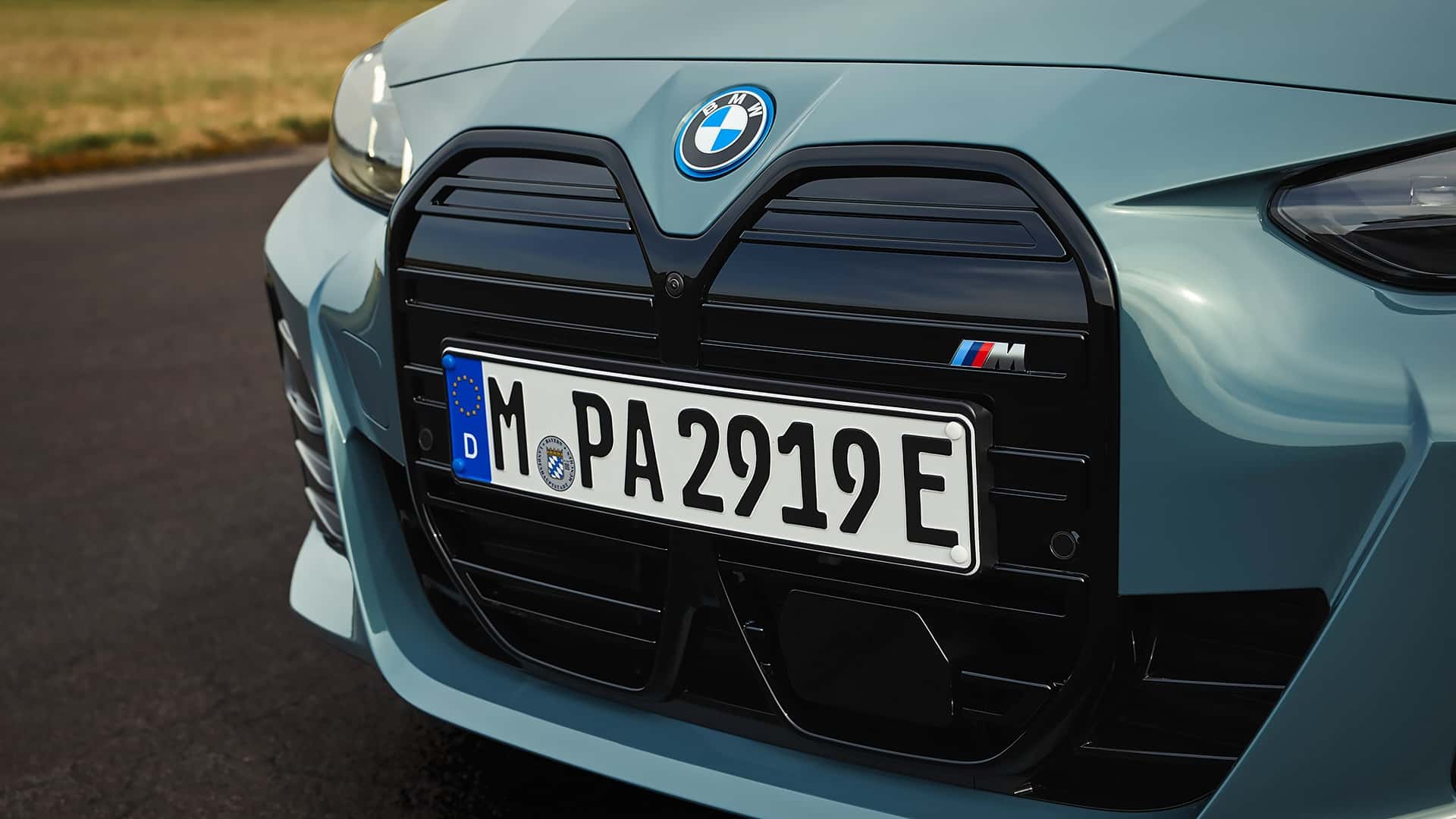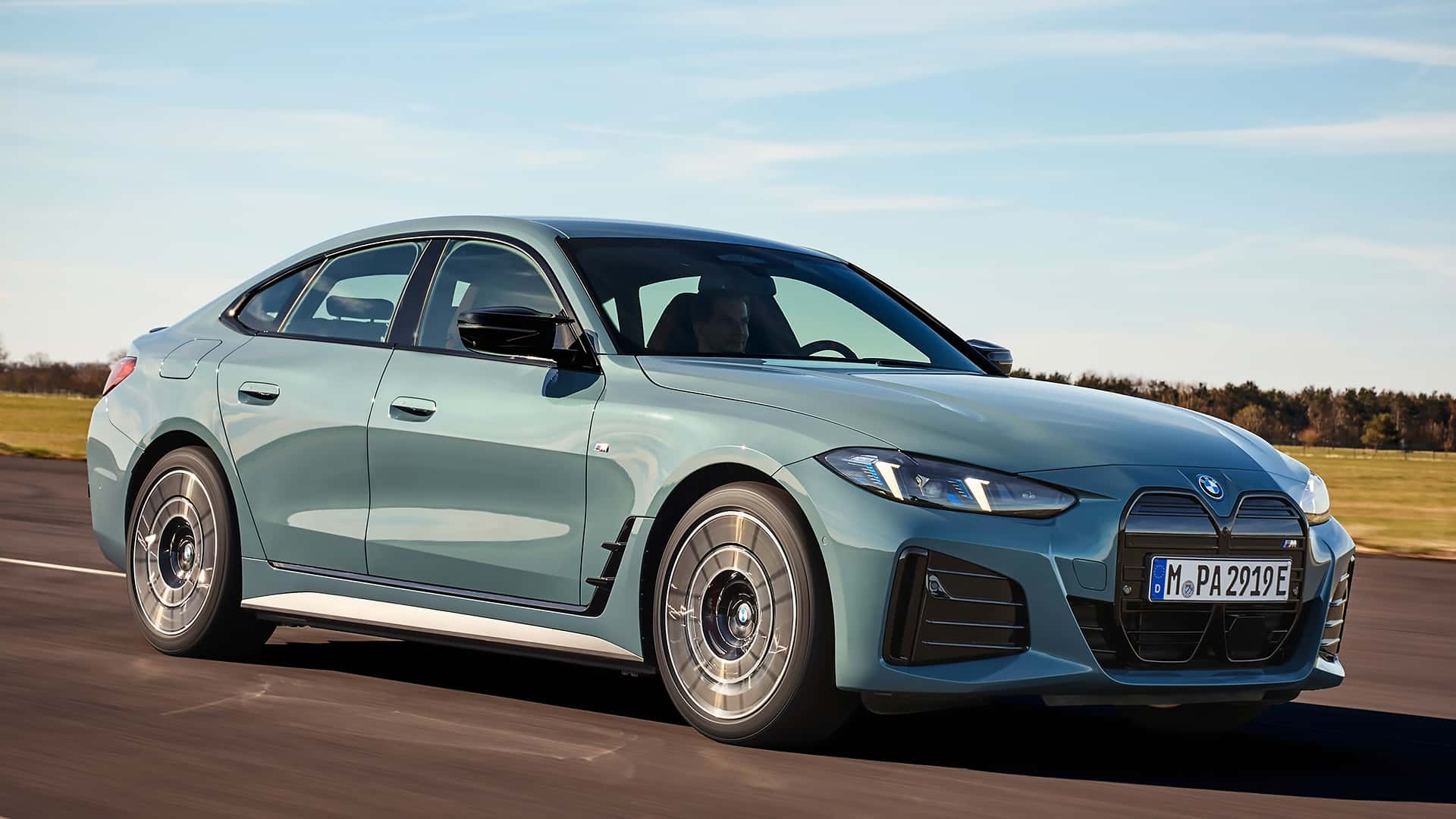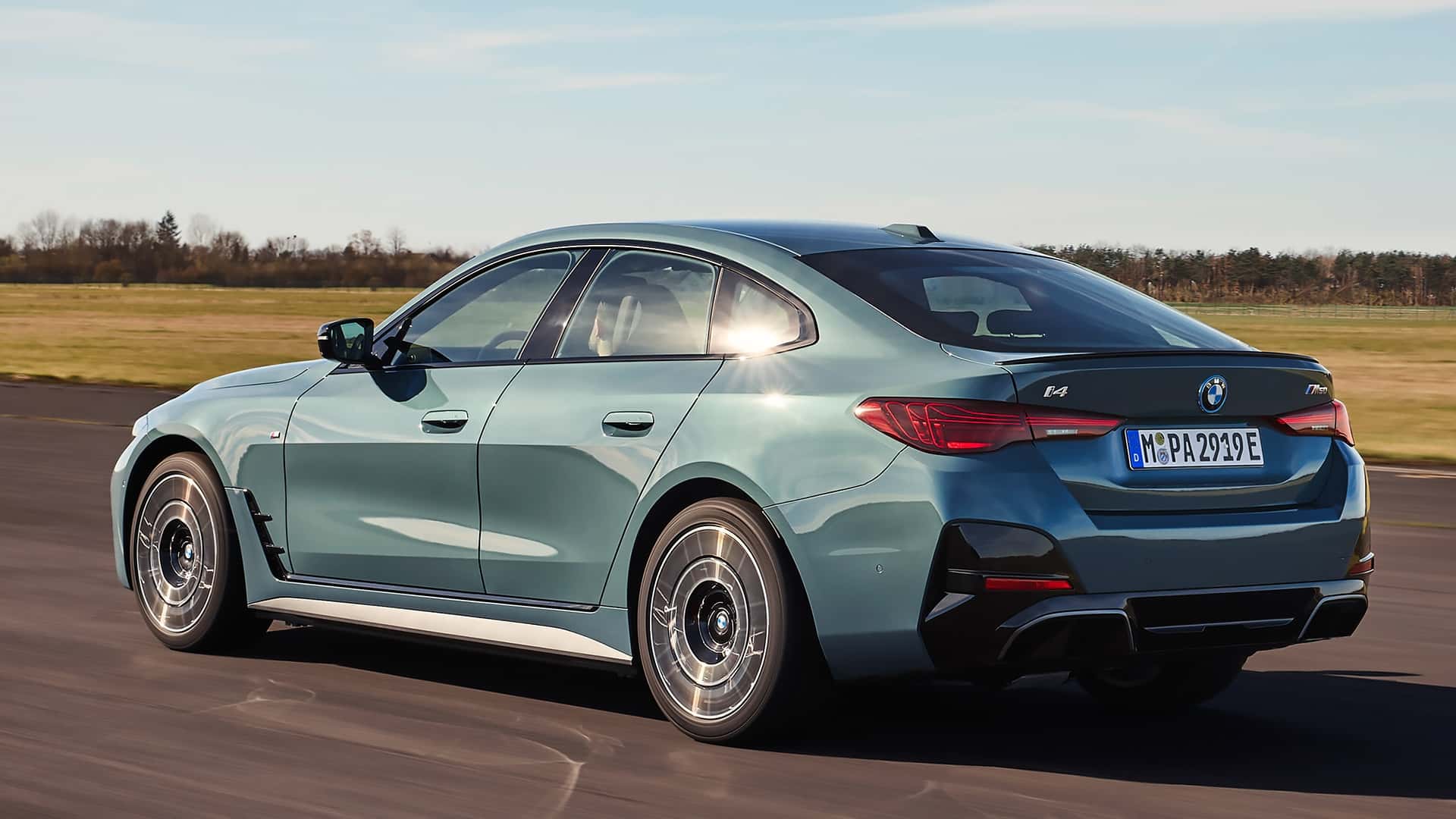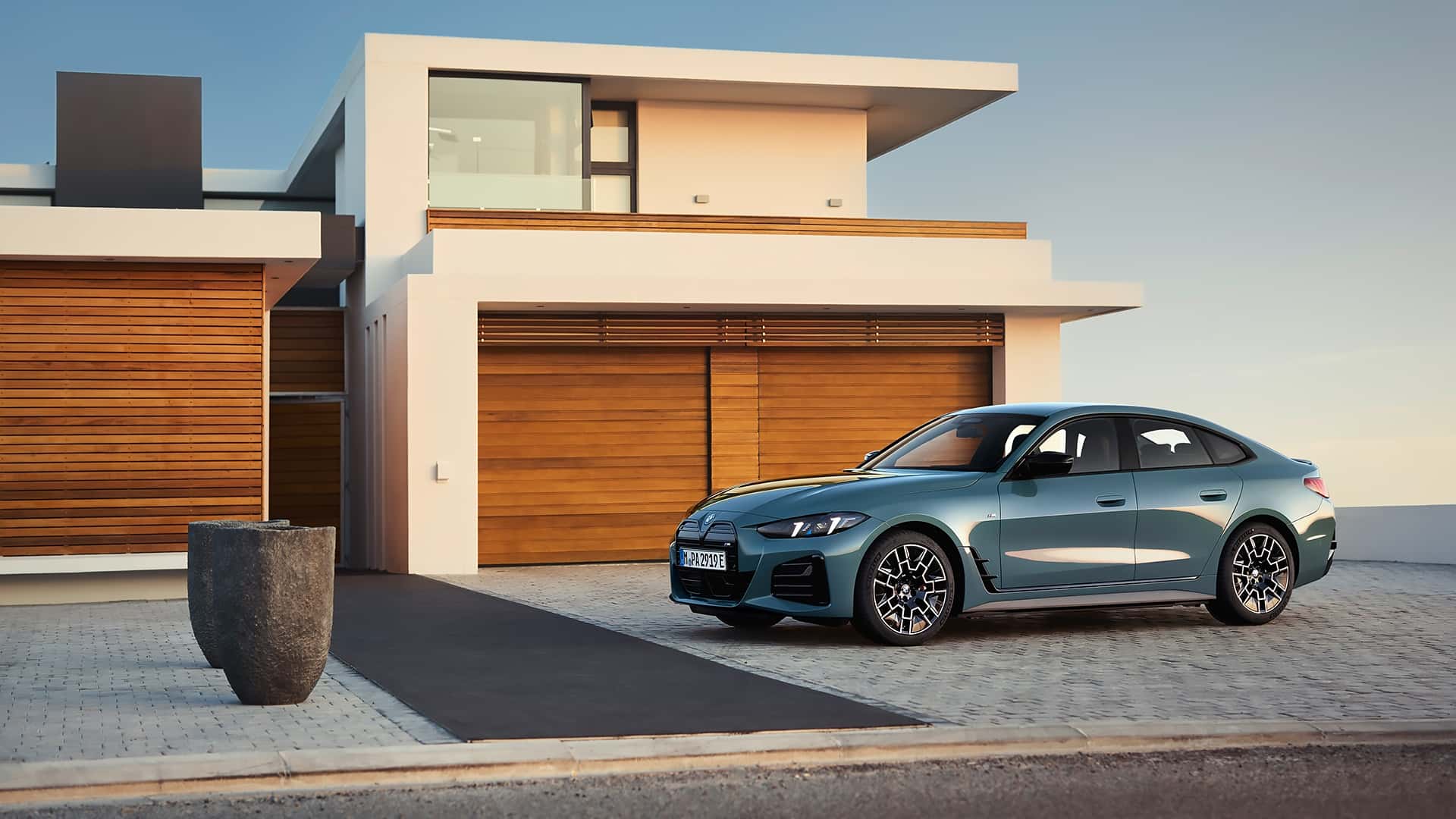
Car design often blurs the line between aesthetics and technology, creating vehicles that are as visually stunning as they are technologically advanced. As automakers strive to captivate consumers, the integration of cutting-edge technology into sleek designs becomes paramount. This trend is reshaping the automotive landscape, influencing buyer preferences and market dynamics.
In an era where electric vehicles (EVs) are gaining traction, the marriage of form and function is more critical than ever. Consumers are not just looking for stylish cars; they want vehicles that offer efficiency, range, and innovative features. The challenge for manufacturers is to deliver on these expectations while maintaining a strong visual appeal.
Designing for Tomorrow: Balancing Beauty and Functionality
Today’s car designs must cater to both aesthetic desires and practical needs. The shift towards sustainable materials and eco-friendly manufacturing processes is reshaping how vehicles are conceived. As automakers embrace this new paradigm, they are also exploring how to incorporate advanced technologies seamlessly into their designs.
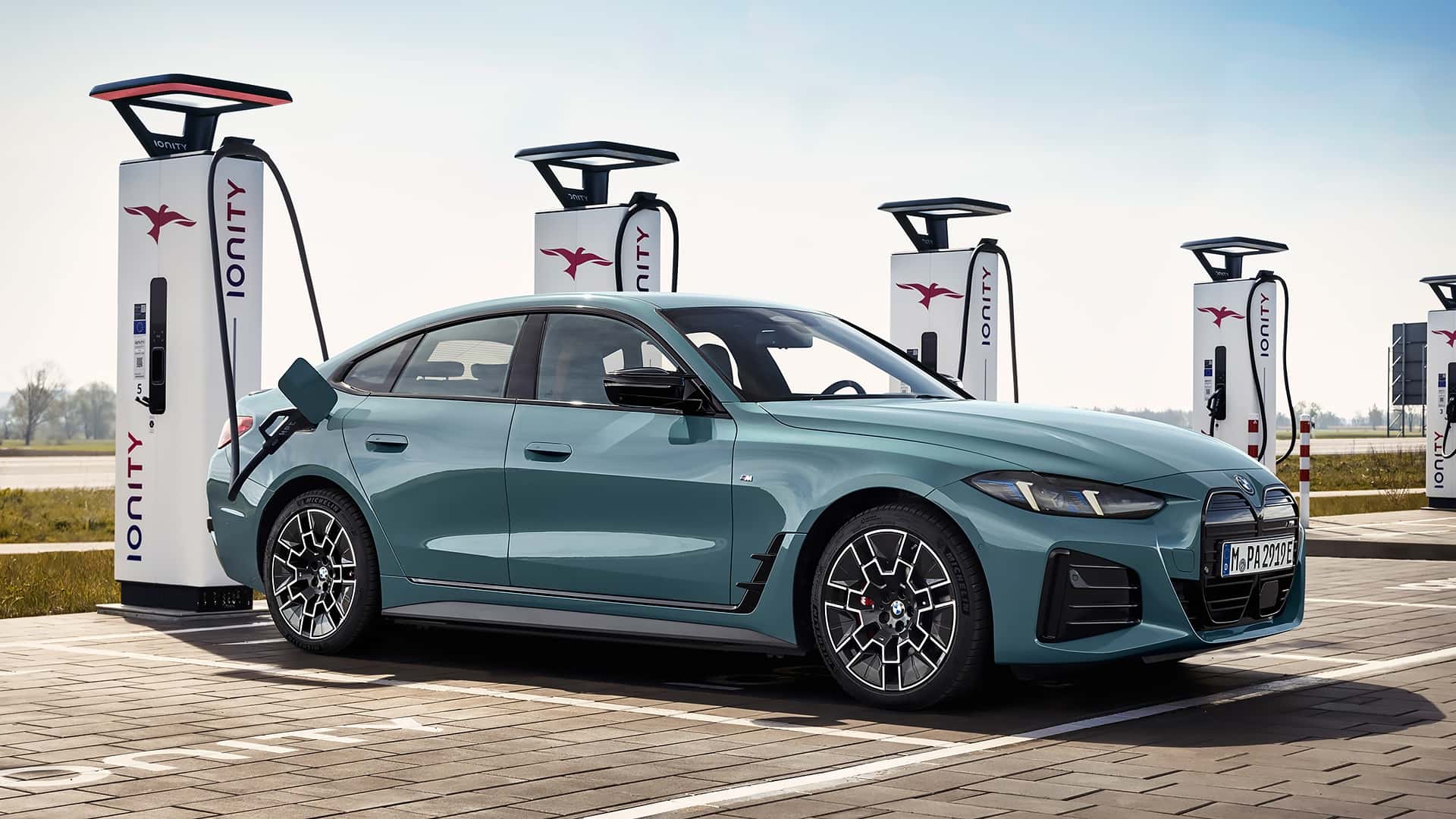
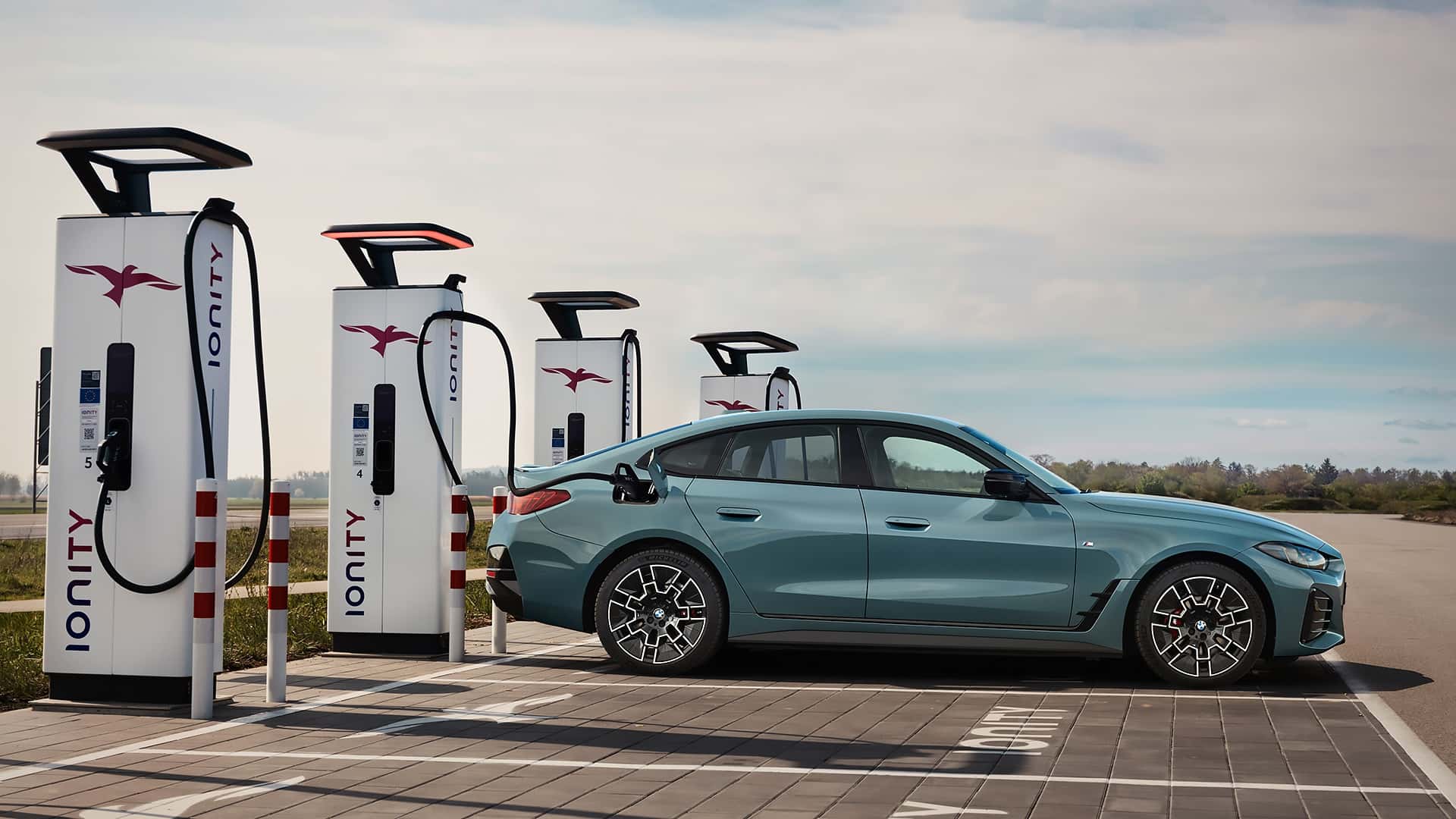
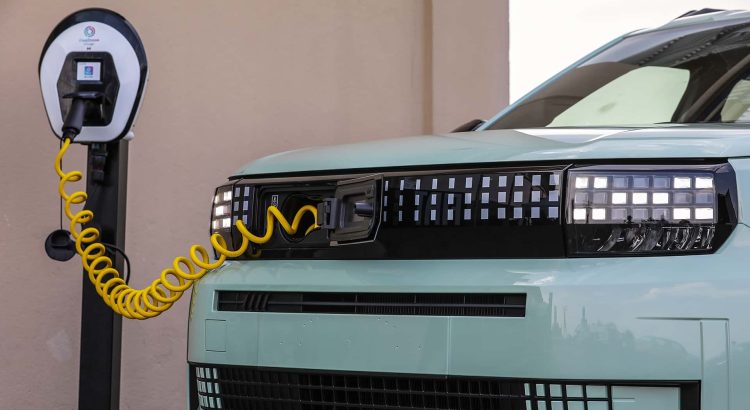
For instance, the integration of charging ports into the design of electric vehicles is becoming more common, allowing for a cleaner and more streamlined appearance. This not only enhances the vehicle’s look but also improves functionality, making it easier for users to charge their cars without compromising design integrity.

As the automotive industry evolves, the focus on design will continue to play a crucial role in attracting consumers. The challenge lies in creating vehicles that not only look good but also perform exceptionally well in terms of efficiency and technology.
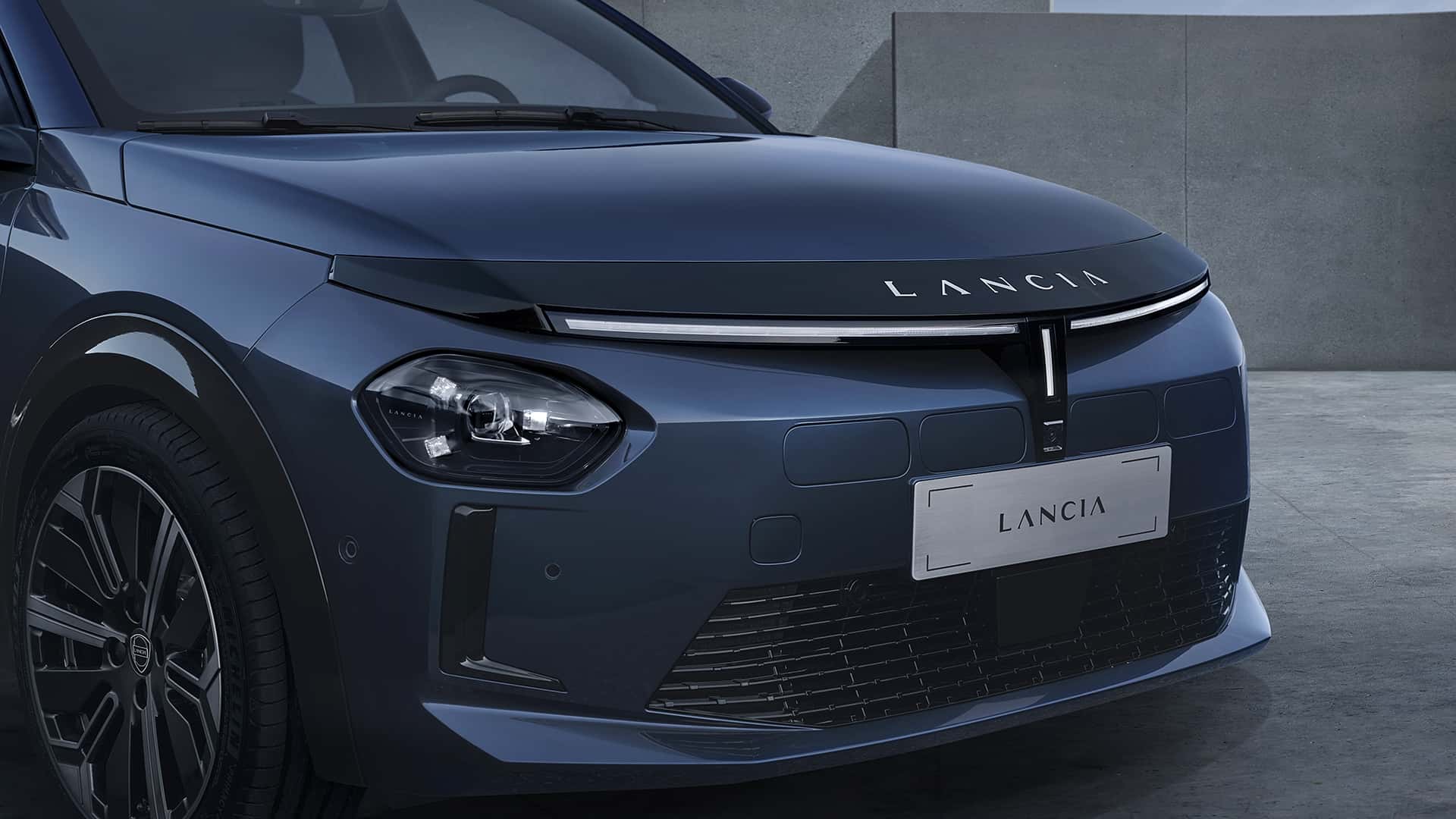
With the rise of electric vehicles, manufacturers are rethinking their design strategies to align with consumer expectations. The Lancia Ypsilon 2024, for example, showcases how modern design can incorporate advanced technology while maintaining a stylish exterior.
Performance Meets Aesthetics: The Future of Car Design
Performance is no longer just about horsepower; it also encompasses the overall driving experience. As automakers strive to create vehicles that are both visually appealing and high-performing, the integration of technology becomes essential. The balance between aesthetics and performance will define the future of car design.
As we look ahead, the automotive industry will likely see a continued emphasis on electric vehicles, with manufacturers focusing on creating designs that reflect sustainability and innovation. The competition will intensify as brands vie for consumer attention, making it crucial for them to stay ahead of design trends.

The Audi Q4 35 e-tron (2024) exemplifies this trend, combining sleek design with advanced electric technology. As consumers become more discerning, the demand for vehicles that offer both style and substance will only grow.

The Tesla Model 3 Standard (2026) further illustrates how design and technology can coexist harmoniously. As the market evolves, manufacturers must adapt to changing consumer preferences, ensuring that their designs resonate with buyers.
Embracing Innovation: The Role of Technology in Design
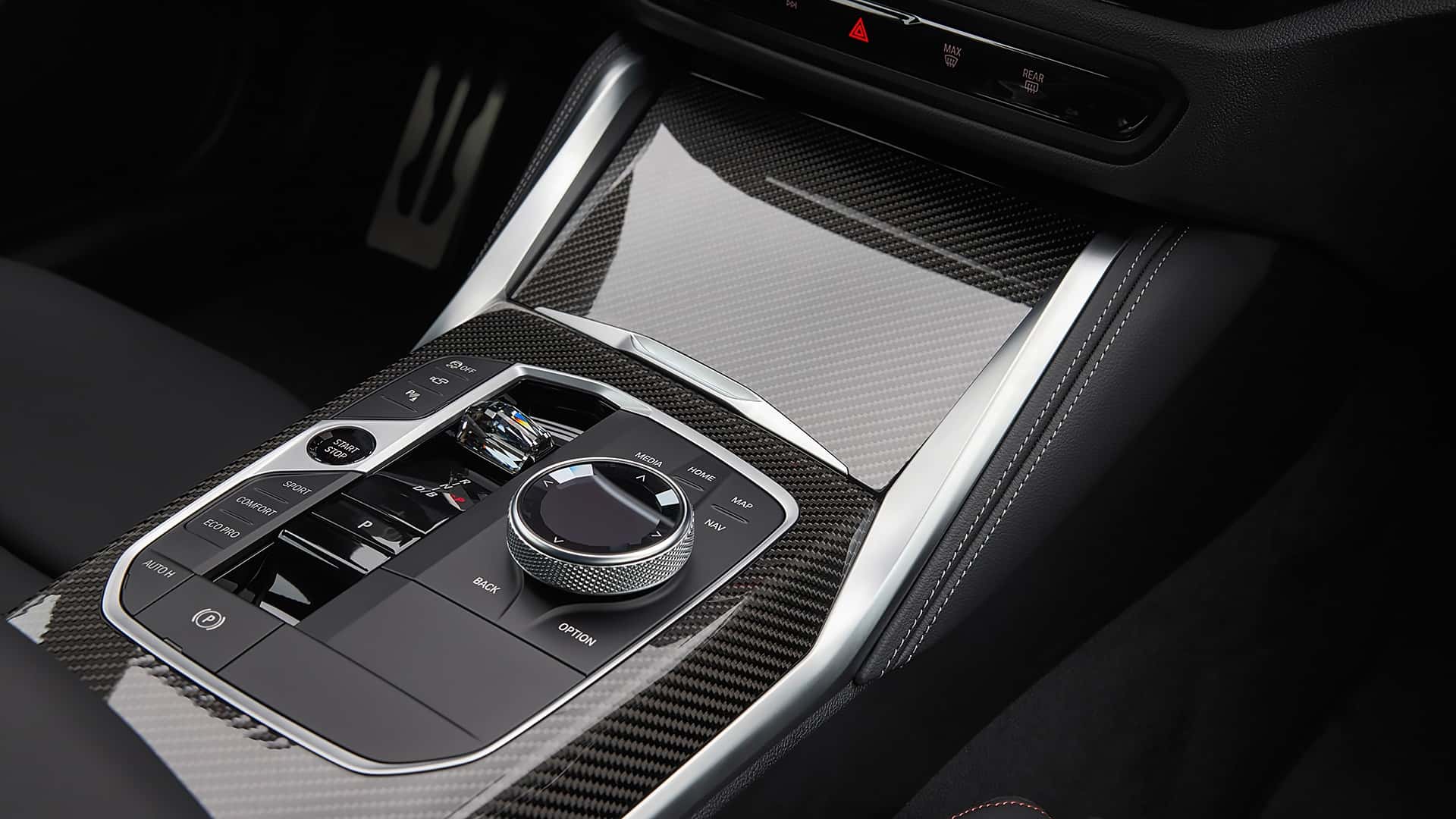
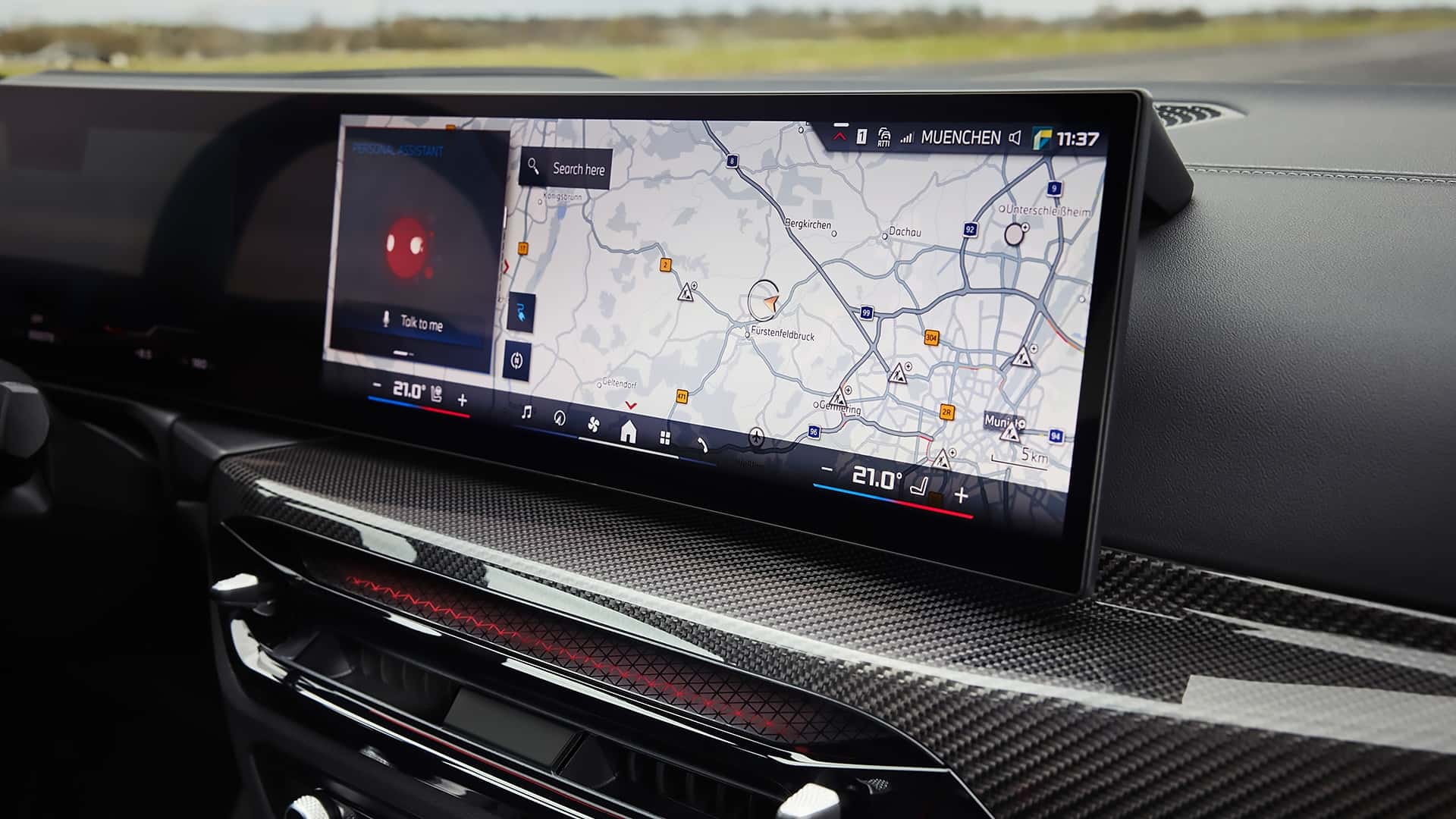
Innovation in car design is not just about aesthetics; it’s also about enhancing the driving experience. As technology continues to advance, automakers are finding new ways to integrate features that improve safety, efficiency, and overall performance. The focus on user-friendly interfaces and smart technology will shape the future of automotive design.
As we move forward, the automotive industry will likely see a surge in demand for vehicles that prioritize both style and functionality. The integration of advanced technology into car design will become increasingly important, as consumers seek vehicles that reflect their values and lifestyle.

The new Citroen C3 (2024) is a prime example of how design can evolve to meet consumer needs while embracing technological advancements. As automakers continue to innovate, the future of car design will be defined by a commitment to sustainability and performance.

The BMW Series 7 showcases how luxury and technology can come together in a cohesive design. As the automotive landscape shifts, manufacturers must remain agile, adapting their designs to meet the demands of an ever-changing market.
Conclusion: The Future of Car Design is Bright
The future of car design is poised for exciting developments as automakers continue to push the boundaries of innovation. As consumer preferences evolve, the emphasis on integrating technology into design will become increasingly important. The automotive industry is on the brink of a transformation, where aesthetics and technology will coexist harmoniously, creating vehicles that not only look good but also perform exceptionally well.
As we look ahead, the focus on sustainability and advanced technology will shape the next generation of vehicles. Automakers that embrace these changes will be well-positioned to thrive in a competitive market, while those that resist may find themselves left behind.