

As the 2023 season comes to a close, MotoGP is on the brink of a significant transformation with new bikes set to debut in 2024. This change goes beyond mere technical evolution, raising crucial questions about team competitiveness and the future of the championship. KTM, at the forefront of this revolution, is gearing up to navigate a sea of uncertainties.
A Historic Turning Point for MotoGP
MotoGP, a true laboratory for racing motorcycle innovation, is preparing for an unprecedented upheaval. The shift from 1000cc to 850cc engines marks a radical break in the championship landscape. This change is not just about reducing engine size; it also involves a significant decrease in aerodynamic appendages and the elimination of holeshot devices, key elements that have allowed riders to fully exploit their bikes’ power. In short, MotoGP must reinvent itself.
Performance Uncertainties
With the arrival of these new machines, the pressing question is about performance. The expected loss of several seconds per lap could change the game on the track. KTM, as a pioneer in developing these new bikes, has already tested its prototypes at Jerez. However, the results remain unclear. The true measure of their effectiveness will only be seen during the early races of the 2024 season.
Optimistic Outlook Despite Challenges
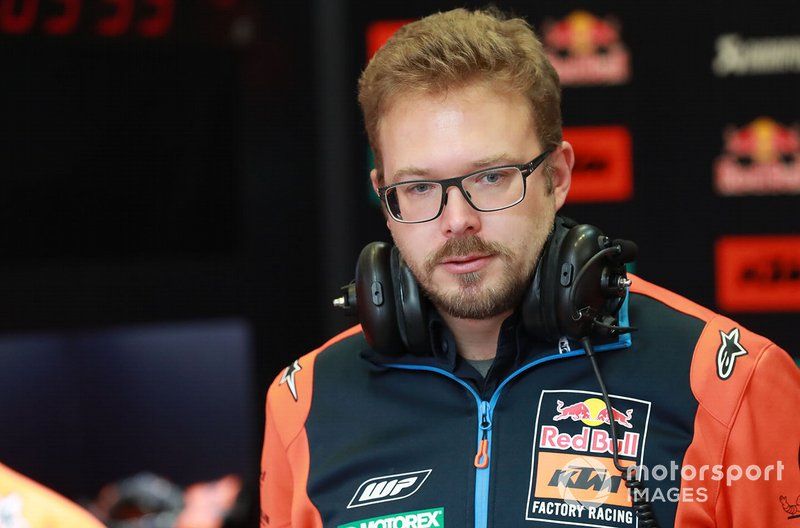
In a recent interview, Sebastian Risse, KTM’s technical director, surprised many by sharing an optimistic view on the competitiveness of the upcoming bikes. He noted that while some tracks may see the new machines lagging, others, like Misano or Jerez, could allow riders to maintain lap times similar to current models. Risse emphasizes the importance of tires in this equation: if performance remains stable, lap times may not be significantly affected.
A Balance Between Speed and Spectacle
What’s fascinating about this transition is the paradox between reduced performance and the maintenance of spectacle. Risse mentions a “rather healthy way” to reduce speed, suggesting it could actually enhance racing. A more homogeneous field could lead to tighter battles and increased suspense for spectators. The real challenge lies in balancing technical performance with entertainment on the track.
Ongoing Development to Bridge the Gap
The road to competitiveness for the new bikes seems fraught with challenges, but Risse remains confident in the engineers’ ability to close the gap. With an average gain of 5 to 6 horsepower per year on current engines, it’s reasonable to expect teams will optimize their new 850cc units over the seasons. However, the question remains: how long will it take to return to current performance levels?
Financial and Strategic Stakes
Behind this technical transition lie significant financial and strategic stakes. The reduction in engine size could lead to substantial savings in development and operational costs. However, this must not overshadow the necessity for teams to remain competitive against rivals like Ducati and Yamaha, who are heavily investing in research and development. In essence, MotoGP is not just a speed championship, but also an economic battleground.
In Summary
- MotoGP is set to enter a new era with 850cc bikes.
- KTM is already testing its prototypes, but performance remains uncertain.
- An optimistic outlook is emerging regarding the competitiveness of the new machines.
- The transition raises significant financial issues for teams.
- A balance between speed and spectacle will be crucial for the championship’s future.
In conclusion, this new generation of bikes represents a true turning point for MotoGP. For teams like KTM, it requires rapid and effective adaptation. The coming years will be critical to see if this strategy can not only maintain fan interest but also ensure fierce competition on the track. The stakes are multiple and complex: technology is evolving, but the heart of MotoGP remains the same: a passion for speed and spectacle.


